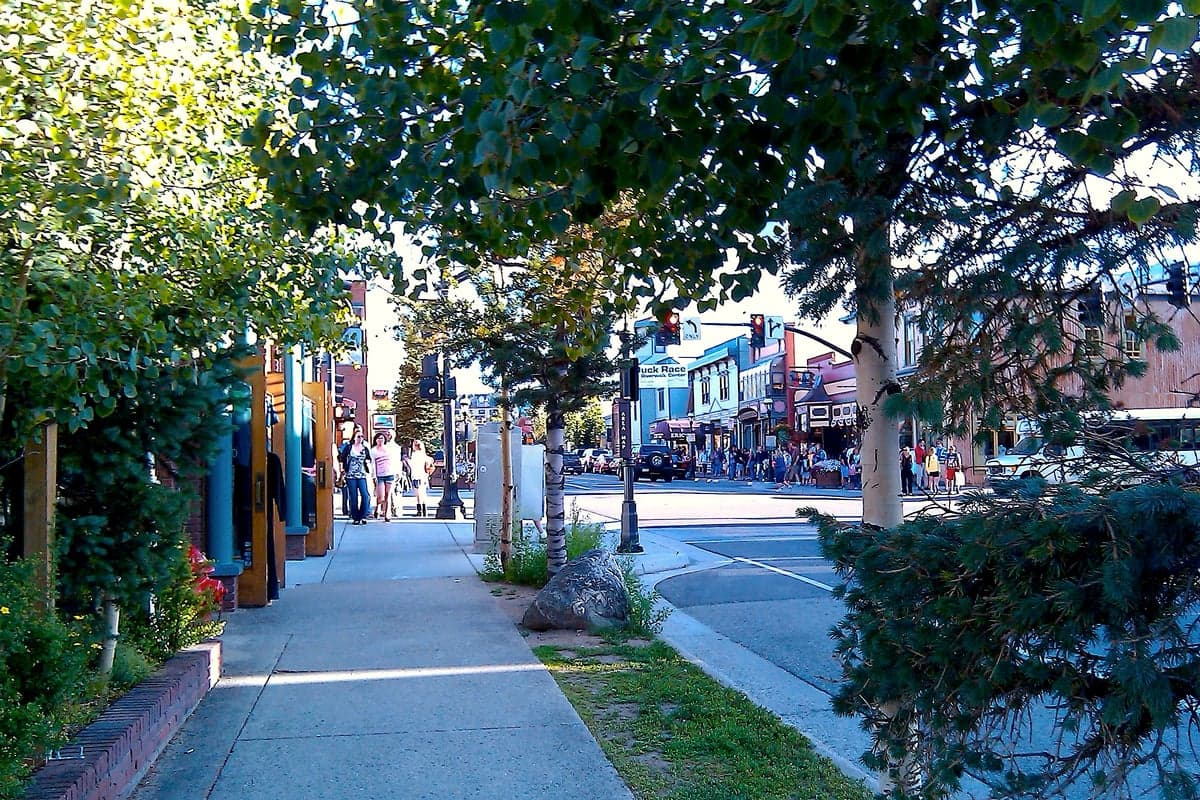
Photo: Wikipedia
Quality of Life in Breckenridge, CO
A high quality of life with strong walkability, manageable living costs, healthy neighborhood signals, and solid amenity access.
What does Quality of Life tell us?
Quality of Life blends cost of living, nearby amenities, socioeconomic signals, and neighborhood character. City-level scores represent the whole municipality; individual neighborhoods can differ.
What does this tell us?
Quality of Life blends cost of living, nearby amenities, socioeconomic signals, and neighborhood character. City-level scores represent the whole municipality; individual neighborhoods can differ.
Cost of Living
82% above national average
The Real Cost of Living in Breckenridge, CO for 2026
| Tier | Individual | Family (4) |
|---|---|---|
| Survival | $23k | $43k |
| Comfortable | $103k | $151k |
| Luxury | $151k+ | $234k+ |
| Elite (Top 5%) | $178k+ | $275k+ |
88%
The Area Signal
A metric tracking the socioeconomic signals of the area.
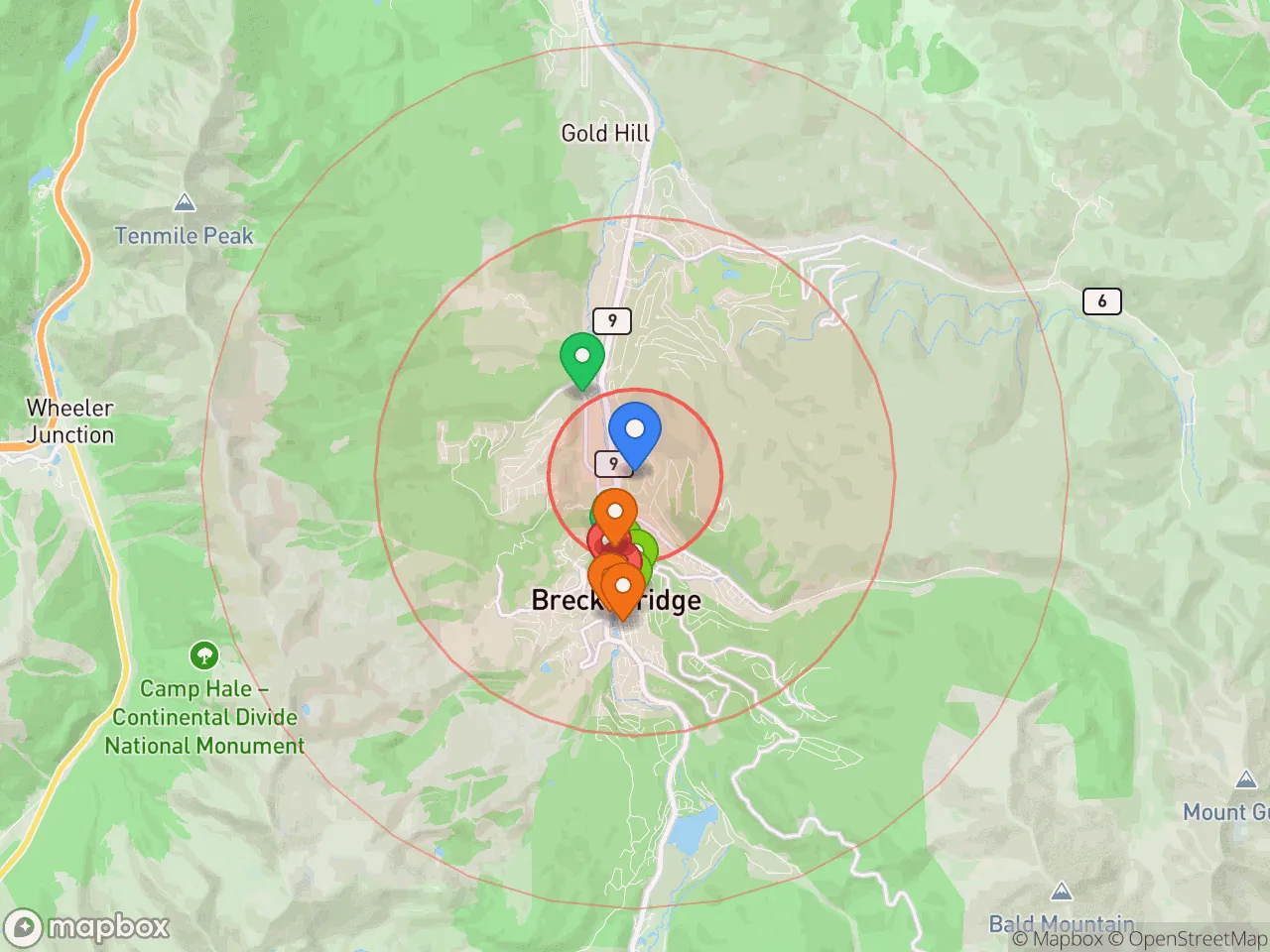
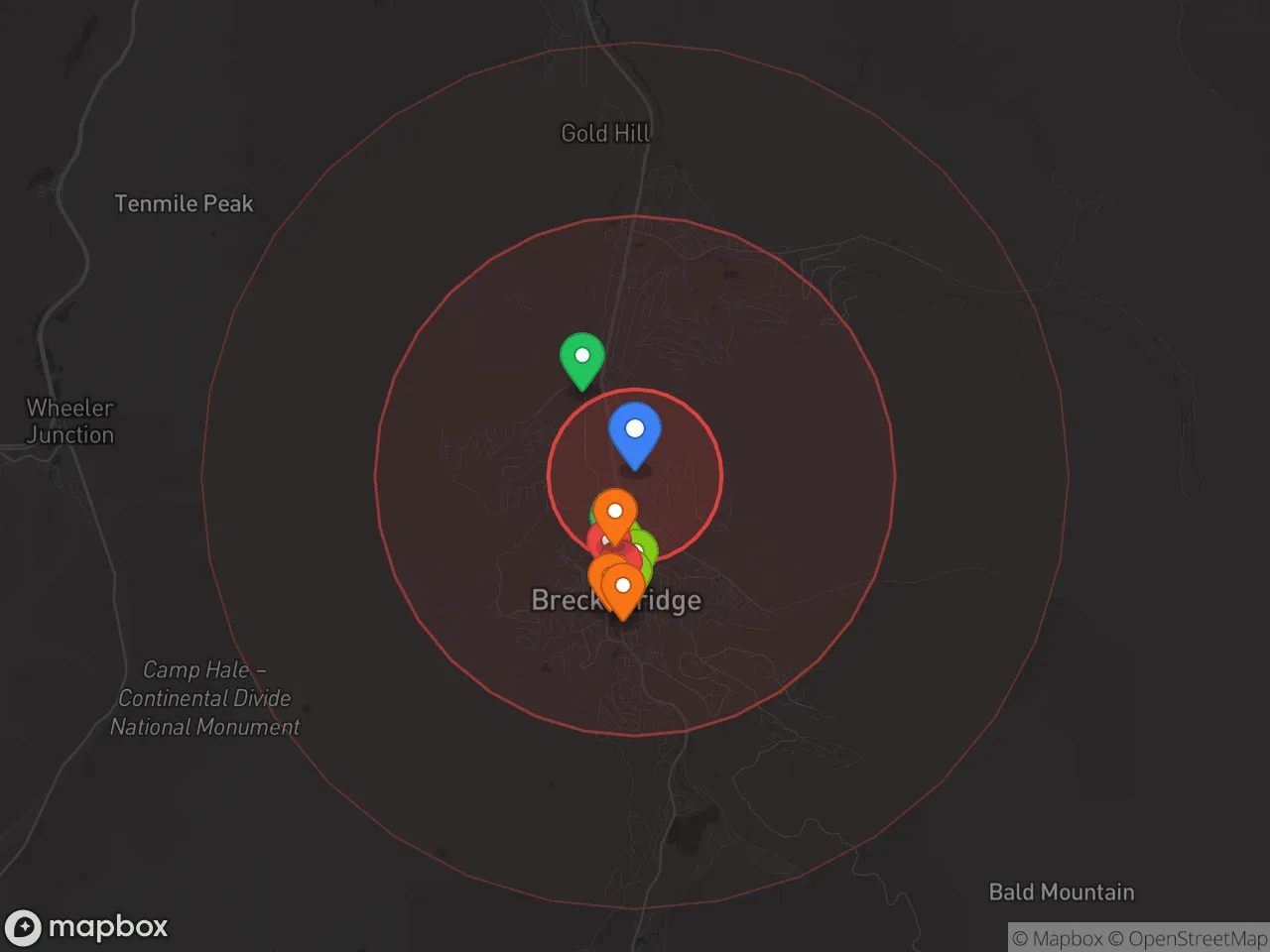
Hobbies
Explore the areaGroceries
4 within 10 miles
Gas
11 within 10 miles
Hospital
1 within 20 miles
Airport
DEN — Denver International
Post Office
USPS — Breckenridge, CO
Critical Amenities
Quality-of-Life Analysis
Breckenridge, Colorado, is a high-altitude resort town where affluence and outdoor lifestyle converge, drawing a population that skews toward wealthy second-home owners, remote professionals, and service-industry workers supporting a tourism-driven economy. With a cost-of-living index of 182 (82% above the U.S. average), the town is among the most expensive in Summit County, yet its median household income of roughly $70,000 suggests a significant gap between property wealth and local earnings. The year-round population of about 5,000 swells dramatically with visitors, creating a transient, amenity-rich environment that prioritizes recreation over traditional suburban convenience.
Cost of living, housing, and affordability compared to Summit County
Housing in Breckenridge is the primary driver of its high cost of living. The median home value sits at $757,100, roughly 2.5 times the national median, while the median rent of $1,438 is more moderate but still above the national average. This rent-to-value gap reflects a market dominated by short-term vacation rentals and investor-owned properties, which limit long-term rental supply. Compared to nearby towns, Breckenridge is pricier than Silverthorne or Dillon (where median home values hover around $600,000) but slightly less expensive than Vail, where the median exceeds $1 million. The average commute of 25.5 minutes is longer than typical for a town this size, as many workers live in more affordable areas like Frisco or even Leadville and drive into Breckenridge daily. Property taxes remain relatively low due to Colorado’s Gallagher Amendment legacy, but homeowners face high insurance premiums tied to wildfire risk and snow load.
What daily life is like for families, remote workers, and retirees
Daily life in Breckenridge revolves around outdoor access and a compact, walkable core. The town’s free Summit Stage bus system connects neighborhoods to Main Street and the ski resort, reducing car dependence for errands and recreation. Schools in the Summit School District, such as Breckenridge Elementary and Summit High School, perform above state averages in standardized testing, though class sizes can be small due to the limited year-round population. Amenities include a modern recreation center, a public library with strong digital resources, and a grocery store (City Market) that is often crowded during peak tourist seasons. Healthcare is accessible via the St. Anthony Summit Medical Center in Frisco, about 15 minutes away, but specialized care requires a 90-minute drive to Denver. Remote workers benefit from fiber-optic internet availability in most neighborhoods, though power outages during winter storms are not uncommon. The town’s rhythm is dictated by ski season (December–March) and summer festivals (Breckenridge Music Festival, Oktoberfest), with shoulder seasons offering quieter, more affordable conditions for residents.
Breckenridge is best suited for affluent outdoor enthusiasts, remote workers with high incomes, and retirees who prioritize recreation over urban amenities. Families may find the high housing costs and seasonal crowds challenging, while service workers often need to live in neighboring towns to afford rent. The town’s strict short-term rental regulations and growth caps aim to preserve its character, but they also limit housing supply, reinforcing its reputation as a premium, exclusive mountain community. Those who thrive here value immediate access to world-class skiing, hiking, and mountain biking over the conveniences of a larger city.

Crime in Breckenridge, CO
Lower crime rates than 77% of comparable U.S. locations.
Violent CrimeViolent Crime Analysis
Property CrimeProperty Crime Analysis
Crime Analysis
Breckenridge, Colorado, presents a mixed safety profile for prospective residents and visitors. While the town's violent crime rate of 267.9 per 100,000 residents is notably lower than the national average, its property crime rate of 2,184.7 per 100,000 is significantly higher, placing it above both state and national benchmarks. This combination means that while the risk of a violent encounter is relatively low, the likelihood of experiencing theft, burglary, or vandalism is a genuine concern, particularly in a town that sees millions of tourists annually.
Crime in context
Breckenridge's violent crime rate of 267.9 per 100,000 is roughly 23% lower than the U.S. average of approximately 380 per 100,000, and it aligns closely with Colorado's statewide rate. However, the property crime rate of 2,184.7 per 100,000 is a stark outlier, sitting about 60% higher than the national average of roughly 1,954 per 100,000 and well above Colorado's average of around 2,000 per 100,000. This disparity is largely driven by the town's status as a premier ski destination. The transient tourist population, combined with a high volume of vacation rentals and parked vehicles, creates a target-rich environment for property criminals. It is also important to note that Summit County, where Breckenridge is located, operates within Colorado's judicial system. Critics argue that progressive district attorneys and judges in the state, who often prioritize diversion programs and reduced sentencing for non-violent property offenders, can inadvertently contribute to a revolving-door effect, emboldening repeat offenders and undermining deterrence for property crimes.
What residents experience
For those living in Breckenridge year-round, the primary safety concern is not personal violence but property crime. The most common incidents reported include theft from vehicles (especially in parking lots near ski lifts and trailheads), bicycle theft, and burglaries of unoccupied vacation homes. Residents quickly learn to never leave valuables visible in a parked car and to secure all outdoor gear. Violent crime, while present, is far less common and typically involves incidents between individuals who know each other, rather than random attacks on the public. The town maintains a visible police presence, particularly in the commercial core and during peak tourist seasons, which helps keep street-level disorder in check. However, the sheer volume of visitors can strain local resources, and the anonymity of a crowd can embolden opportunistic thieves.
Neighborhood-level variation in Breckenridge is less pronounced than in larger cities, but some patterns exist. The core historic district and areas immediately adjacent to the ski resort base see the highest density of property crime due to foot traffic and tourist concentration. Outlying residential neighborhoods, such as those in the Highlands or Warrior's Mark subdivisions, generally experience lower crime rates, though they are not immune to vehicle break-ins. The town's affordable housing areas, like those near Airport Road, can have slightly higher rates of reported incidents, but overall, the entire town shares a similar risk profile for property crime. For anyone relocating, the key takeaway is that Breckenridge is a safe place to live in terms of personal safety, but requires a vigilant, proactive approach to protecting personal property.
* Values derived from national, state, county, city and local statistics and may differ in a specific area. Last updated: 2026-04-29T00:29:45.000Z
Narrative content on this page is AI-generated and may contain mistakes. Verify any details that matter before acting on them.
ReloMaps may earn a commission from affiliate links at no extra cost to you.

