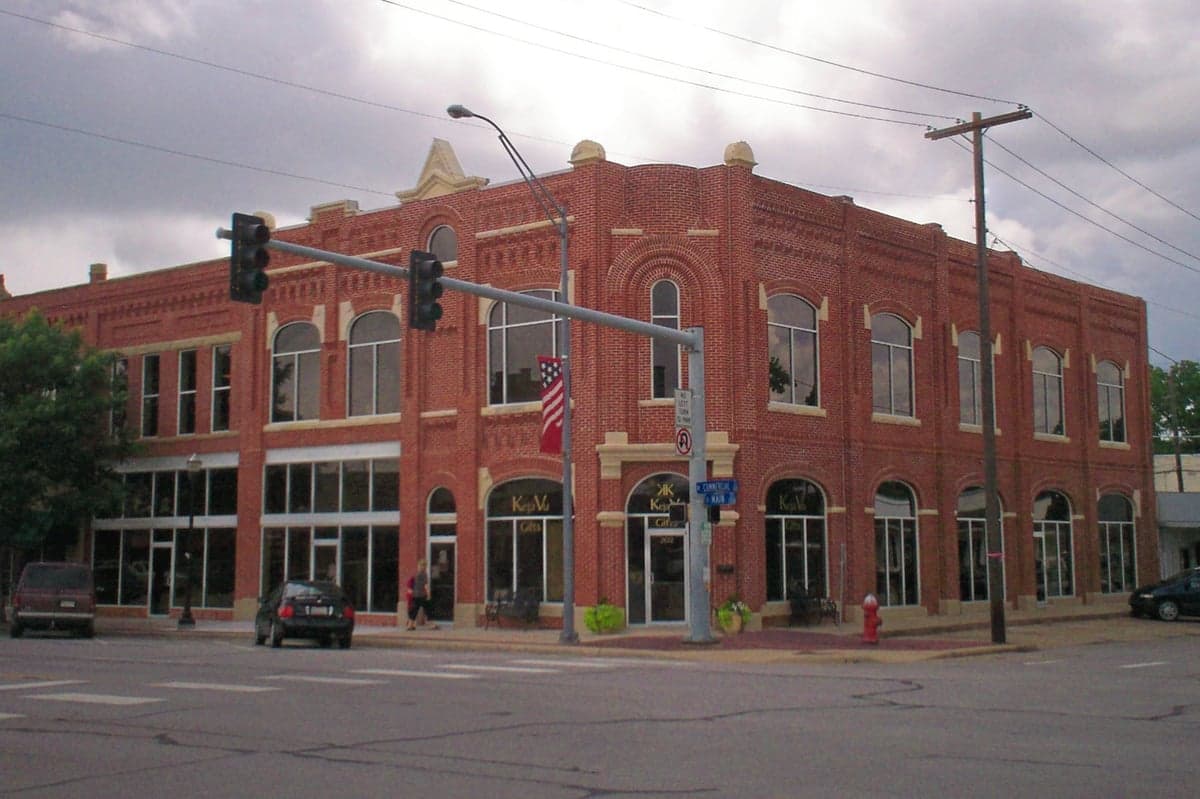
Photo: Wikipedia
Quality of Life in Broken Arrow, OK
Above-average quality of iife. The area offers a reasonable cost of living, decent mobility, and a mix of neighborhood amenities.
What does Quality of Life tell us?
Quality of Life blends cost of living, nearby amenities, socioeconomic signals, and neighborhood character. City-level scores represent the whole municipality; individual neighborhoods can differ.
What does this tell us?
Quality of Life blends cost of living, nearby amenities, socioeconomic signals, and neighborhood character. City-level scores represent the whole municipality; individual neighborhoods can differ.
Cost of Living
3% below national average
The Real Cost of Living in Broken Arrow, OK for 2026
| Tier | Individual | Family (4) |
|---|---|---|
| Survival | $20k | $37k |
| Comfortable | $45k | $65k |
| Luxury | $152k+ | $235k+ |
| Elite (Top 5%) | $178k+ | $276k+ |
130%
The Area Signal
A metric tracking the socioeconomic signals of the area.
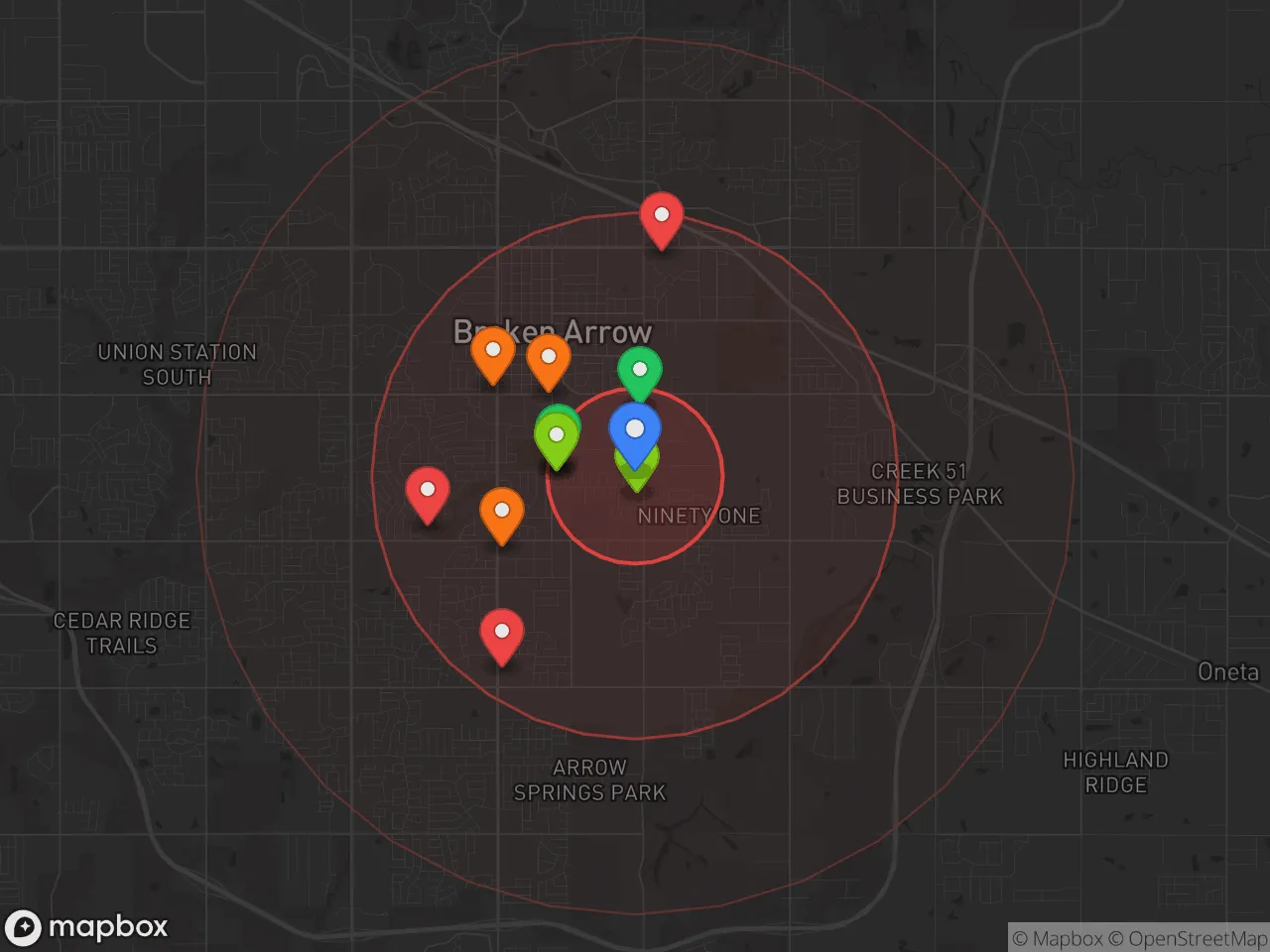
Hobbies
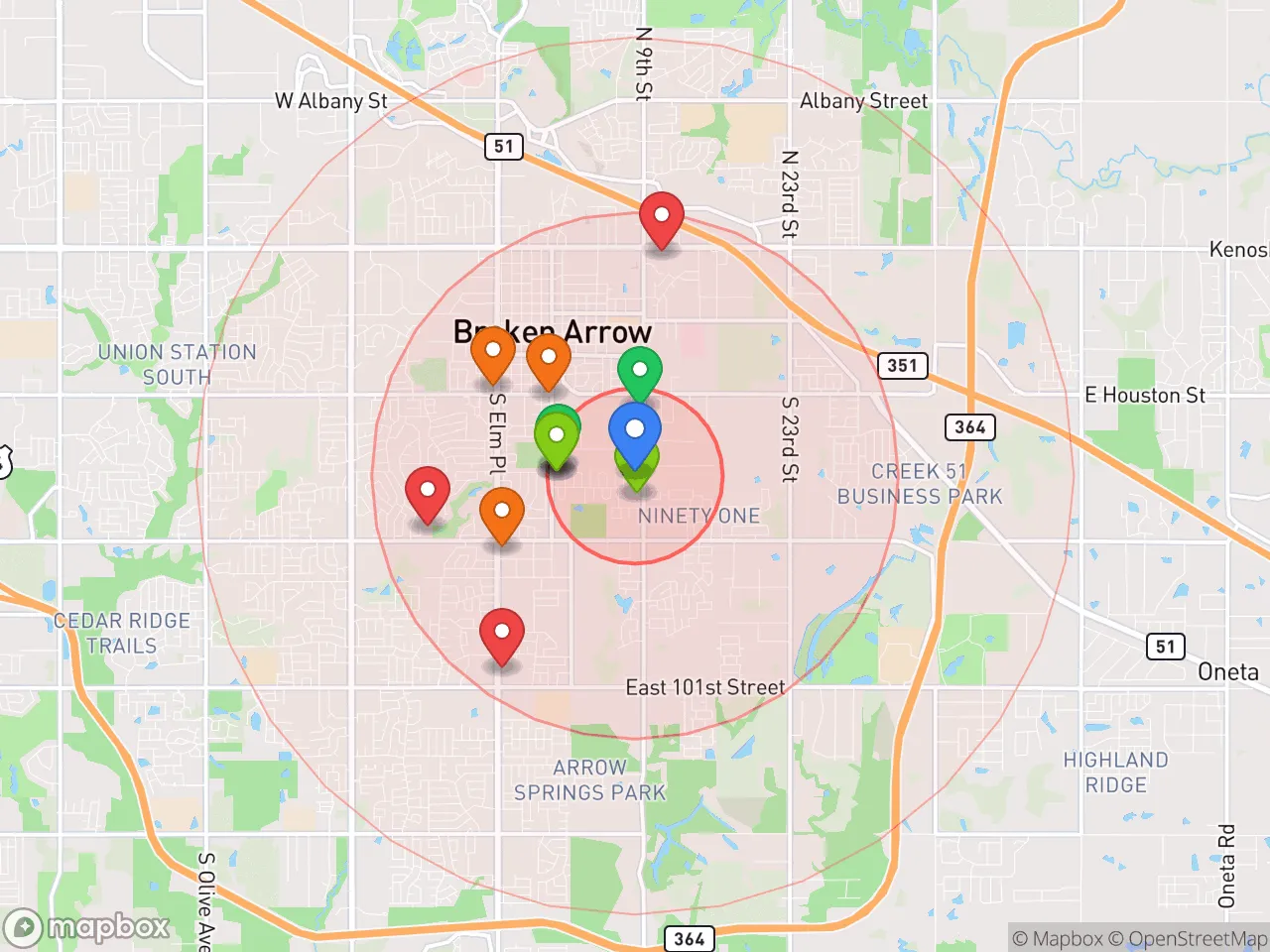
Explore the areaGroceries
5 within 10 miles
Gas
20 within 10 miles
Hospital
20 within 20 miles
Airport
DFW — Dallas/Fort Worth International
Post Office
USPS — Broken Arrow, OK
Critical Amenities
Quality-of-Life Analysis
Broken Arrow, Oklahoma, is a prosperous suburban city of roughly 115,000 residents that consistently ranks among the most desirable places to live in the Tulsa metropolitan area. Known for its strong sense of community, well-regarded public schools, and a cost of living that undercuts both the national average and nearby Tulsa, the city attracts a mix of young families, mid-career professionals, and retirees seeking a quieter, more affordable alternative to larger urban centers. Its reputation as a safe, family-oriented suburb is reinforced by low crime rates relative to the national median and a steady influx of new residents drawn by its blend of small-town feel and big-city access.
Cost of living and housing affordability compared to Tulsa and the national average
Broken Arrow’s overall cost of living index sits at 97, meaning everyday expenses run about 3% below the U.S. average — a meaningful edge for households watching their budgets. The housing market is the primary driver of this affordability: the median home value is $229,300, roughly $100,000 less than the national median and significantly cheaper than comparable suburbs in Dallas or Kansas City. Renters also benefit, with a median monthly rent of $1,240, which is well below the national figure of around $1,400 and notably lower than Tulsa’s own median rent of roughly $1,050 (though Tulsa’s older housing stock can be cheaper per square foot). Property taxes in Oklahoma are among the lowest in the nation, averaging about 0.9% of assessed value, which further reduces the long-term cost of homeownership. The average commute of 21.7 minutes is shorter than the national average of 26 minutes, allowing residents to spend less time in traffic and more time at home — a practical quality-of-life advantage for working families.
What daily life is like for families: schools, parks, and local amenities
Daily life in Broken Arrow revolves around its highly rated public school system, Broken Arrow Public Schools, which serves over 19,000 students and consistently earns B+ ratings from Niche for academics and college readiness. The district operates multiple elementary schools, two middle schools, and Broken Arrow High School, which offers a robust slate of Advanced Placement courses and extracurriculars. Beyond the classroom, the city maintains over 40 parks, including the expansive Ray Harral Nature Park and the Broken Arrow Performing Arts Center, which hosts concerts, theater productions, and community events. The Rose District, the city’s walkable downtown hub, features locally owned restaurants, boutique shops, and a weekly farmers market from spring through fall. For major shopping and dining, residents drive 10–15 minutes to Tulsa’s Woodland Hills Mall or the Promenade. The city’s low violent crime rate — roughly 60% below the national average — and its active neighborhood associations foster a sense of security and neighborliness that many families cite as a primary reason for moving here.
Broken Arrow is best suited for those who prioritize suburban stability, good schools, and a slower pace of life without sacrificing access to a mid-sized city’s amenities. Young families will find the housing market accessible and the school system a strong draw, while retirees appreciate the low property taxes and quiet neighborhoods. Professionals commuting to Tulsa’s energy, aerospace, and healthcare sectors benefit from the short drive and lower cost of living. The city is less ideal for singles seeking a vibrant nightlife or walkable urban core, as most entertainment and dining options require a car. For those who value safety, affordability, and community engagement, Broken Arrow offers a consistently high quality of life that ranks among the best in northeastern Oklahoma.

Crime in Broken Arrow, OK
Generally safer than 72% of comparable U.S. locations.
Violent CrimeViolent Crime Analysis
Property CrimeProperty Crime Analysis
Crime Analysis
Broken Arrow, Oklahoma, is statistically one of the safer large suburbs in the Tulsa metropolitan area, with violent crime rates significantly below both state and national averages. However, property crime rates remain a concern, tracking closely with the national median. The city’s overall safety profile is bolstered by a conservative local justice system and a well-funded police department, which contrasts with the more progressive prosecutorial policies seen in some larger urban centers.
Crime in context
Broken Arrow’s violent crime rate stands at 196.7 incidents per 100,000 residents, which is roughly half the national average and well below Oklahoma’s state rate of approximately 480 per 100,000. This places the city among the safest communities of its size in the region. Property crime, however, is more prevalent at 1,079.5 per 100,000, a figure that aligns closely with the national average. The most common property offenses are larceny-theft and motor vehicle theft, though rates for both have remained relatively stable since 2020. Residents benefit from the fact that Tulsa County’s district attorney’s office has historically pursued a tough-on-crime approach, avoiding the catch-and-release policies that have been linked to rising crime in more progressive jurisdictions elsewhere.
What residents experience
For daily life, the low violent crime rate means that random acts of violence are rare. Most violent incidents in Broken Arrow are domestic in nature or occur between known individuals, not against strangers. The city’s police department maintains a strong community presence, with neighborhood patrols and a dedicated crime prevention unit. Property crime, while higher, tends to be opportunistic—unlocked cars, packages left on porches, and garage burglaries are the primary concerns. Residents in newer subdivisions on the city’s south and east sides report fewer incidents than those in older, denser neighborhoods near the historic downtown core. The city also benefits from a robust neighborhood watch program and a real-time crime mapping tool that allows residents to track incidents in their immediate area.
Neighborhood-level variation is notable. Areas west of the Broken Arrow Expressway (the older, more established part of town) see slightly higher property crime rates, while the newer master-planned communities along the Creek Turnpike corridor report the lowest crime numbers overall. The city’s annexation of rural land to the south has also diluted crime density, as these newer areas have very low incident counts. For families and professionals, the key takeaway is that violent crime is not a daily concern, but vigilance against property theft—especially vehicle break-ins—is warranted regardless of which part of the city one chooses to live in.
* Values derived from national, state, county, city and local statistics and may differ in a specific area. Last updated: 2026-04-22T08:40:57.000Z
Narrative content on this page is AI-generated and may contain mistakes. Verify any details that matter before acting on them.
ReloMaps may earn a commission from affiliate links at no extra cost to you.

