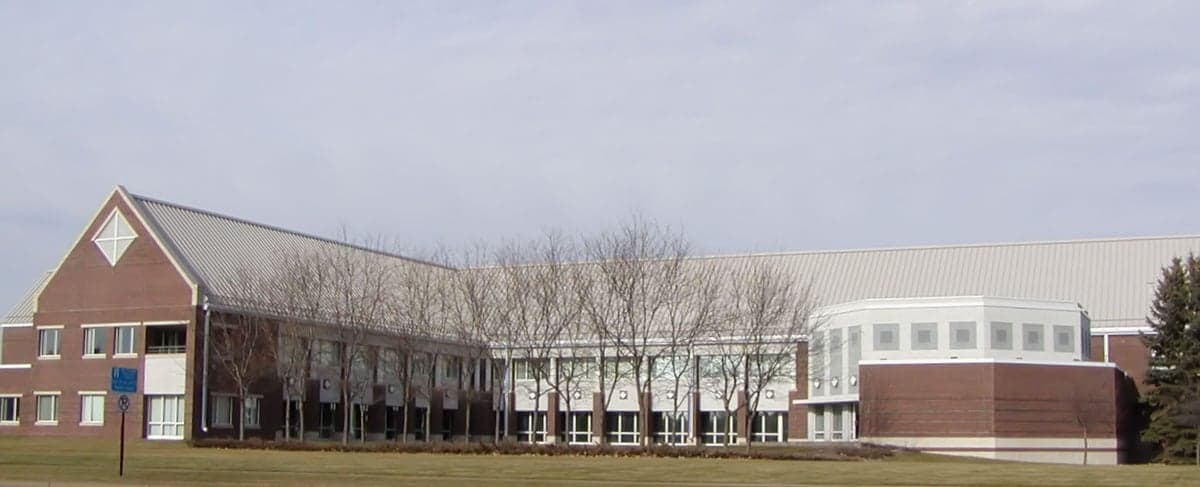
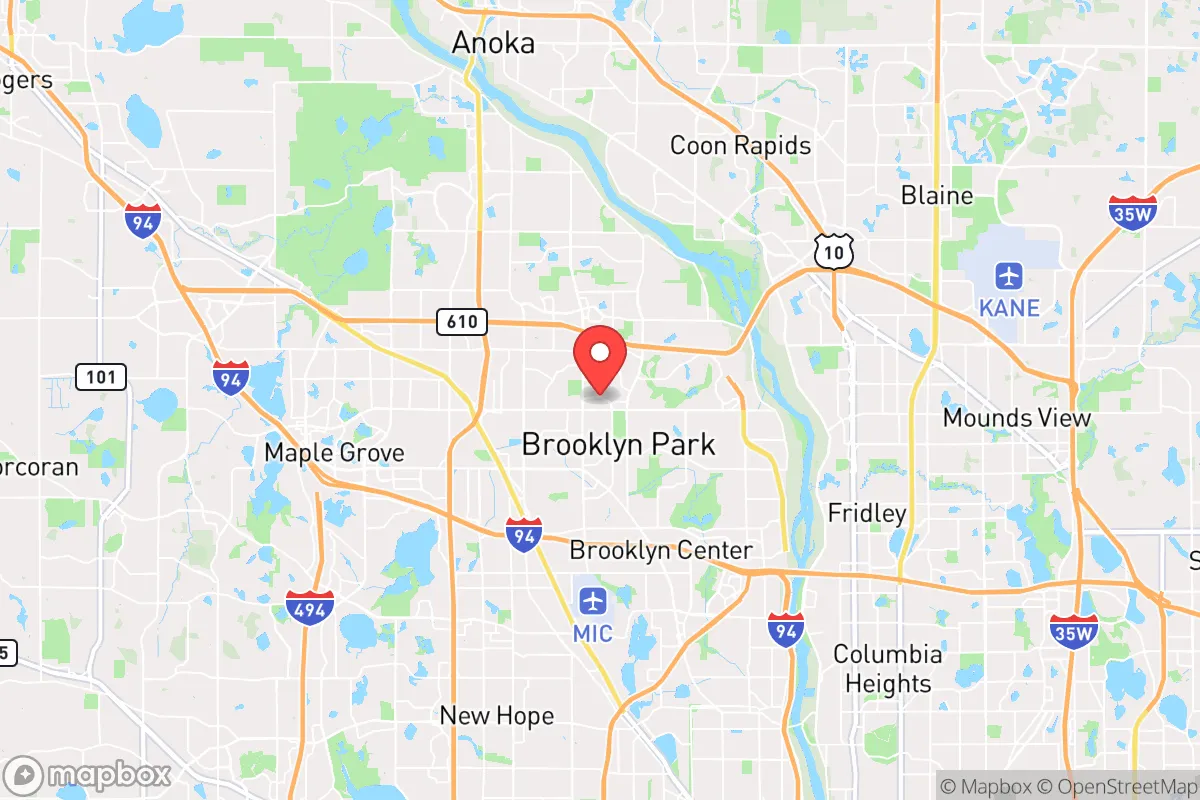
Photo: Wikipedia
Quality of Life in Brooklyn Park, MN
A high quality of life with strong walkability, manageable living costs, healthy neighborhood signals, and solid amenity access.
What does Quality of Life tell us?
Quality of Life blends cost of living, nearby amenities, socioeconomic signals, and neighborhood character. City-level scores represent the whole municipality; individual neighborhoods can differ.
What does this tell us?
Quality of Life blends cost of living, nearby amenities, socioeconomic signals, and neighborhood character. City-level scores represent the whole municipality; individual neighborhoods can differ.
Cost of Living
13% above national average
The Real Cost of Living in Brooklyn Park, MN for 2026
| Tier | Individual | Family (4) |
|---|---|---|
| Survival | $21k | $40k |
| Comfortable | $61k | $90k |
| Luxury | $135k+ | $210k+ |
| Elite (Top 5%) | $159k+ | $247k+ |
96%
The Area Signal
A metric tracking the socioeconomic signals of the area.
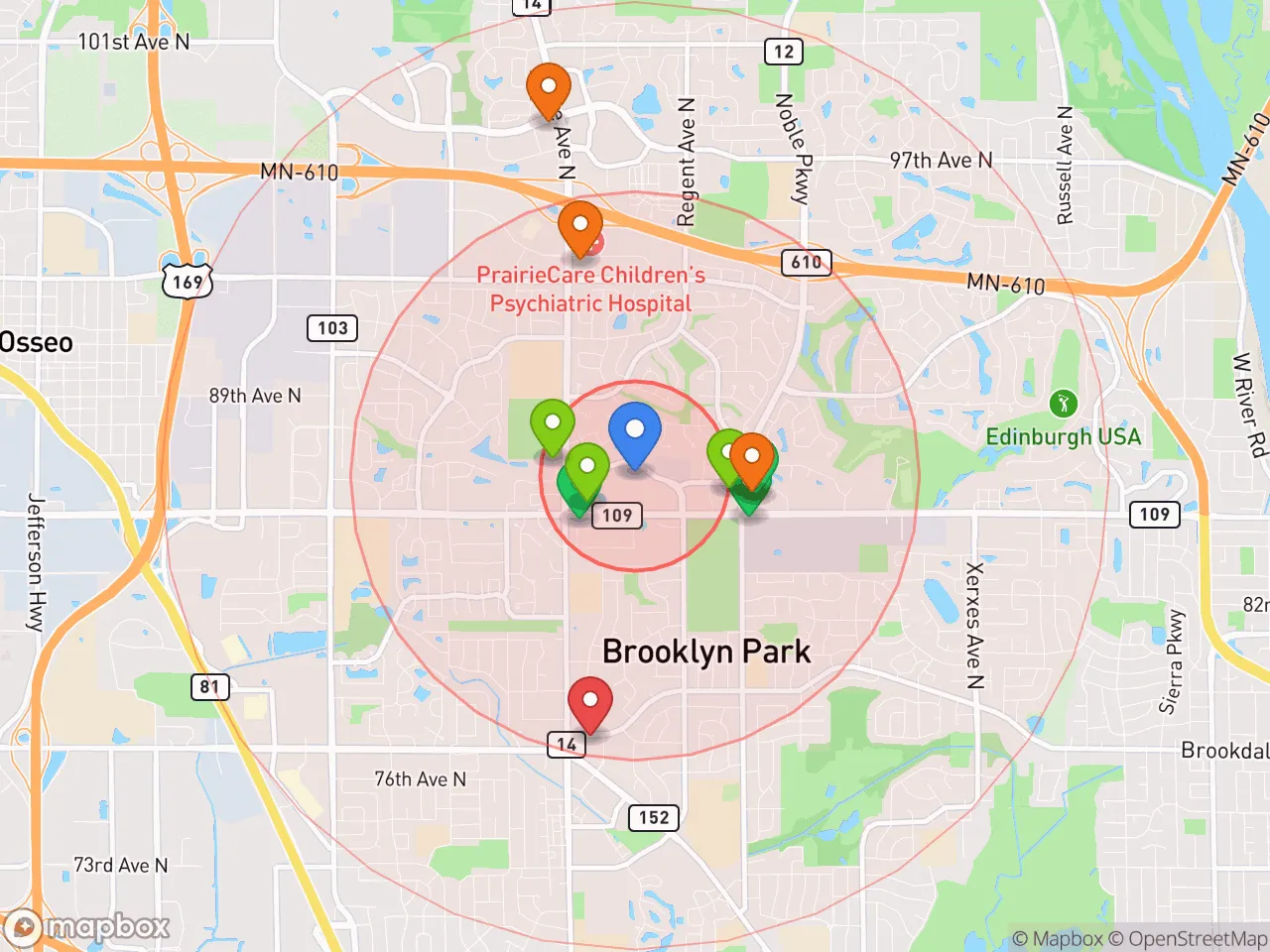
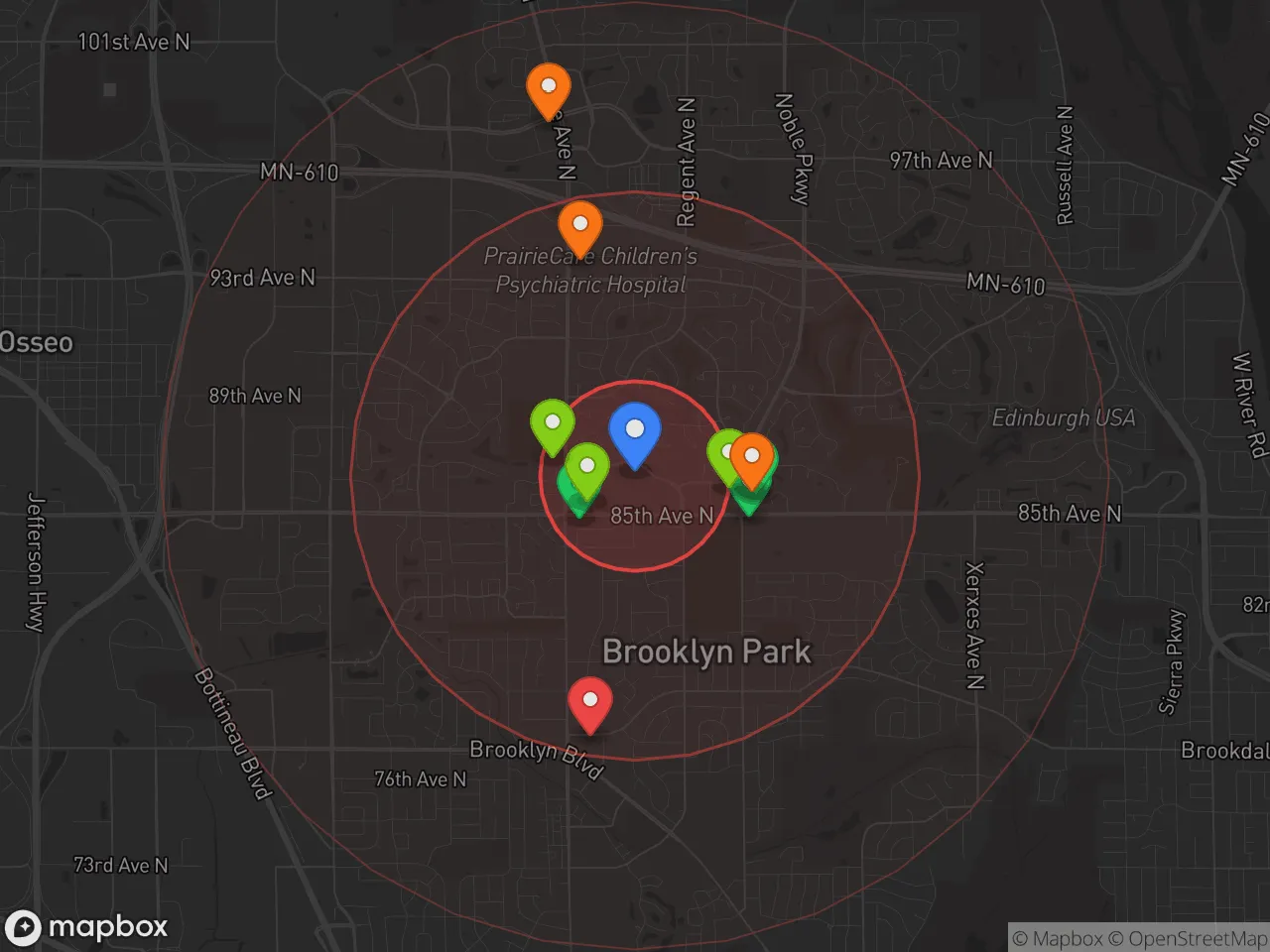
Hobbies
Explore the areaGroceries
6 within 10 miles
Gas
20 within 10 miles
Hospital
20 within 20 miles
Airport
JFK — John F. Kennedy Memorial
Post Office
USPS — Brooklyn Park, MN
Critical Amenities
Quality-of-Life Analysis
Brooklyn Park, Minnesota, presents a middle-to-upper-middle-class quality of life anchored by a cost of living index of 113 (13% above the U.S. average), reflecting its position as a stable, family-oriented suburb of Minneapolis. The city’s 2026 population of roughly 86,000 skews toward working professionals, dual-income households, and families drawn by the balance of suburban space and urban proximity. With a median home value of $313,500 and median rent of $1,331, Brooklyn Park offers a more attainable entry point than its western neighbor Maple Grove (median home value ~$420,000) while still providing access to the Twin Cities job market via an average commute of just over 22 minutes.
Cost of living, housing, and affordability compared to nearby suburbs
Brooklyn Park’s cost of living index of 113 is driven primarily by housing costs that, while above the national median, remain competitive within the northwest Twin Cities corridor. The median home value of $313,500 is roughly 25% lower than Maple Grove and 15% lower than Plymouth, making it one of the more affordable suburbs in Hennepin County for single-family home buyers. Renters face a median monthly rent of $1,331, which undercuts the Minneapolis metro median of roughly $1,450 and is significantly cheaper than the $1,600+ averages in Edina or Minnetonka. Property taxes in Brooklyn Park run about 1.2% of assessed value, slightly above the state average but lower than in neighboring Anoka County suburbs. The trade-off for this relative affordability is a higher share of older housing stock—roughly 40% of units were built before 1980—though recent infill development along the Highway 610 corridor has added modern townhomes and apartments.
Parks, schools, and what daily life is like for families
Daily life in Brooklyn Park revolves around its extensive park system—over 50 parks and 80 miles of trails, including the 1,000-acre Mississippi River Regional Park along the city’s eastern edge. The Osseo Area Schools district (ISD 279) serves most of Brooklyn Park, with Park Center Senior High School and Osseo Senior High School both offering International Baccalaureate programs; the district’s graduation rate hovers around 88%, slightly above the state average. For younger families, the city operates five community centers and the Brooklyn Park Community Activity Center, which hosts youth sports leagues and senior programs. The average commute of 22.2 minutes is shorter than the Minneapolis metro average of 26 minutes, aided by direct access to I-94, I-694, and Highway 610. Retail anchors like the Shoppes at Arbor Lakes (in adjacent Maple Grove) and the Brooklyn Park Marketplace provide grocery and dining options, though the city lacks a dense downtown core—most errands require a short drive. The North Hennepin Community College campus adds a local higher-education option, and the city’s growing Hmong and East African communities contribute to a diverse food scene, with restaurants like Pho Tau Bay and Safari Restaurant reflecting the area’s multicultural character.
Brooklyn Park is best suited for families and professionals who want suburban space and school access without paying Maple Grove or Plymouth prices, and who are comfortable with a car-dependent layout. The city’s relatively low crime rate compared to Minneapolis proper—violent crime is about half the city’s rate—combined with the 22-minute commute makes it a practical choice for commuters to downtown Minneapolis or the I-494 corridor. Retirees on fixed incomes may find the cost of living index of 113 a stretch compared to more rural Minnesota options, but for mid-career households earning $70,000–$100,000 annually, Brooklyn Park offers a solid, unglamorous quality of life with room to grow equity.

Crime in Brooklyn Park, MN
Crime rates similar to the national median for U.S. locations.
Violent CrimeViolent Crime Analysis
Property CrimeProperty Crime Analysis
Crime Analysis
Brooklyn Park, Minnesota, reports a violent crime rate of 344.8 per 100,000 residents and a property crime rate of 1,893.1 per 100,000, figures that place it above the national average for both categories. As a large suburban city within the Minneapolis–Saint Paul metropolitan area, its safety profile is shaped by proximity to urban crime patterns and the broader criminal justice policies of Hennepin County. The city’s overall safety picture is mixed: while many neighborhoods remain stable, the elevated crime rates warrant careful consideration for potential residents.
Crime in context
Brooklyn Park’s violent crime rate of 344.8 per 100,000 is roughly 30% higher than the national average of approximately 265 per 100,000, while its property crime rate of 1,893.1 per 100,000 exceeds the national figure of about 1,950 per 100,000 by a narrower margin. Compared to the state of Minnesota, which reports a violent crime rate near 280 per 100,000, Brooklyn Park is notably higher. The city’s crime statistics reflect challenges common to inner-ring suburbs of major metros, but they are also influenced by the progressive judicial environment in Hennepin County. District attorneys and judges in the county have adopted policies emphasizing diversion, reduced sentencing, and bail reform, which critics argue lead to higher recidivism and more offenders returning to the streets without meaningful accountability. This ideological approach, while intended to reduce incarceration, can undermine public safety by prioritizing offender rehabilitation over victim justice and community protection.
What residents experience
Residents of Brooklyn Park report property crimes—such as theft, burglary, and motor vehicle theft—as the most common safety concern, with these incidents occurring at a rate nearly double the state average. Violent crimes, including aggravated assault and robbery, are less frequent but still present a tangible risk, particularly in areas near commercial corridors and transit hubs. The city’s police department has implemented community policing initiatives and crime prevention programs, but the effectiveness of these efforts is constrained by the broader legal environment. Progressive prosecution policies in Hennepin County have been linked to reduced conviction rates for repeat offenders, meaning that individuals arrested in Brooklyn Park may face minimal consequences, leading to a cycle of crime that frustrates residents and erodes trust in the justice system.
Neighborhood-level variation is significant in Brooklyn Park. Areas west of Highway 169 and near the Mississippi River tend to have lower crime rates, while eastern sections closer to Brooklyn Center and the city of Minneapolis experience higher incident densities. Prospective residents should research specific blocks and consult local crime maps, as safety can vary dramatically within a few miles. Overall, while Brooklyn Park offers affordable housing and amenities, its crime profile—exacerbated by progressive judicial policies—demands a cautious approach from those prioritizing personal and family security.
* Values derived from national, state, county, city and local statistics and may differ in a specific area. Last updated: 2026-04-24T08:37:26.000Z
Narrative content on this page is AI-generated and may contain mistakes. Verify any details that matter before acting on them.
ReloMaps may earn a commission from affiliate links at no extra cost to you.

