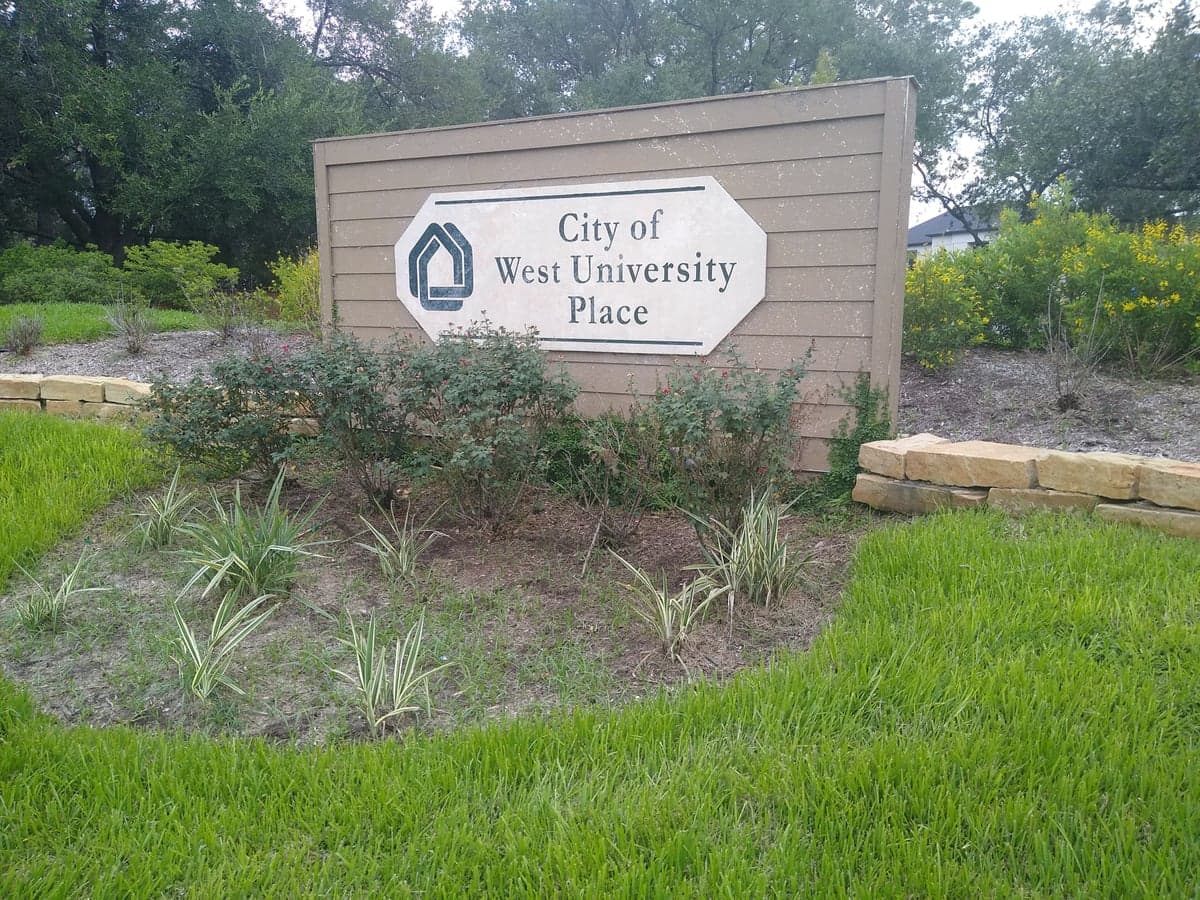
Photo: Wikipedia
Find The Best Places To Live
in West University Place
PRO TIP! You can paste a Zillow or Redfin link to get info on that property.
What It's Like Living in West University Place, TX
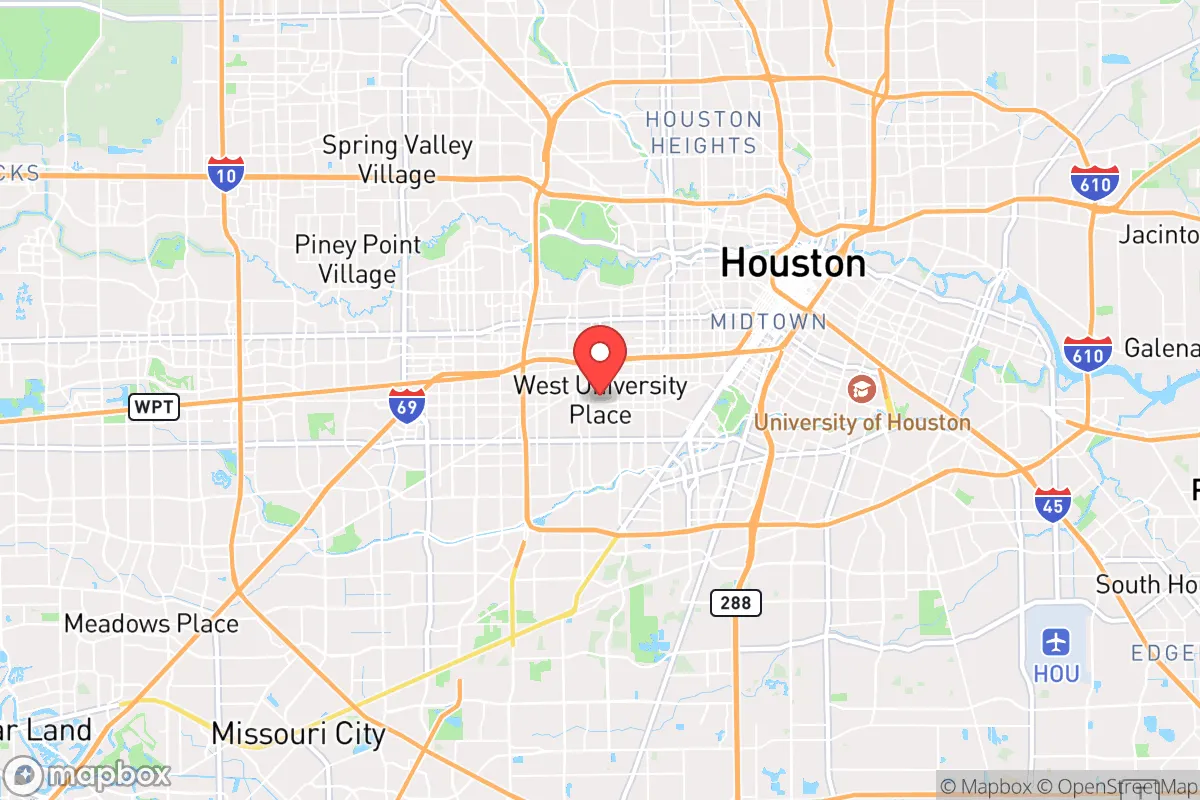
West University Place feels less like a suburb of Houston and more like a small, fiercely proud town that happens to share a border with the city’s medical center and Rice University. With about 15,000 residents, it’s a place where neighbors know each other by name, kids ride bikes to school in packs, and the local coffee shop feels like a second living room. The vibe is affluent but not flashy — more about quality of life than showing off — and the community is built around family, schools, and a shared appreciation for having a quiet, safe enclave just minutes from everything Houston offers.
The Daily Rhythm: Walkable Blocks and Weekend Rituals
Life here revolves around the neighborhood. The average commute is just over 20 minutes, which feels almost luxurious for Houston, and many residents work in the Texas Medical Center, at Rice, or in downtown offices. Mornings mean walking kids to one of the city’s top-rated public schools — West University Elementary is a community hub — and grabbing coffee at Boomtown Coffee on Morningside Drive. Weekends often start with a run or walk around Colonial Park, followed by brunch at Local Foods or Black Walnut Café. The Rice Village shopping district, just a five-minute walk from most homes, is the de facto downtown: a mix of boutiques, chain restaurants like Torchy’s Tacos, and local staples like Kenny & Ziggy’s for deli sandwiches that draw crowds from across the city.
Evenings are quiet by design. You’ll see families grilling in driveways, kids playing kickball in the street, and the occasional block party. The city has a strict noise ordinance and a famously active police force — the violent crime rate is just 32.9 per 100,000, a fraction of the national average — which makes people feel comfortable letting their kids roam. The trade-off is that there’s no real nightlife within city limits; for bars and live music, residents drive five minutes to Montrose or Midtown.
Who Fits In: Affluent, Educated, and Family-First
West U, as locals call it, attracts a very specific demographic: highly educated professionals in their late 30s to early 50s, often with two or three kids. The median age is 41.3, and 90.5% of adults hold a college degree. The median household income tops $250,000, and the median home value is $1.4 million — so this is not a starter-home community. Most residents are homeowners who plan to stay for a decade or more. Politically, the city leans moderate to conservative, with a strong emphasis on local governance, low taxes, and neighborhood preservation. You’ll see plenty of Texas flags and Rice Owls gear, but also a genuine civic pride that transcends party lines.
If you don’t have kids or don’t want to spend weekends at soccer games and school fundraisers, West U might feel isolating. The social calendar is dominated by school events, youth sports, and neighborhood associations. The West University Little League is a big deal — games at Myers Field draw crowds of parents and grandparents on spring evenings. High school sports are equally central; most kids attend Lamar High School (Houston ISD) or private schools like St. John’s or Kinkaid, and Friday night football is a genuine community touchstone.
What’s There to Do: Parks, Festivals, and the Rice Village Orbit
For a small city, West U packs in a surprising amount of recreation. Colonial Park has a pool, tennis courts, and a community center that hosts everything from yoga classes to city council meetings. The West University Recreation Center offers after-school programs and summer camps that are perpetually waitlisted. The city’s signature event is the West University Fourth of July Celebration at Colonial Park — a full day of parades, live music, and fireworks that feels like a Norman Rockwell painting. There’s also the West U Art Festival in the fall and a weekly farmers market at Rice Village from March through November.
For entertainment beyond city limits, residents lean on Houston’s offerings. The Menil Collection and Hermann Park are a 10-minute drive. The Houston Texans and Astros are the pro teams that get the most local love, but Rice Owls basketball and baseball games at Reckling Park are a low-key favorite for families. The Houston Livestock Show and Rodeo in March is a can’t-miss event that shuts down parts of the city for three weeks.
Pros and Cons of Living Here
Let’s be honest about the trade-offs. The upsides are clear: extremely low crime, top-tier schools, a 20-minute commute to the Medical Center, and a genuine small-town feel inside a major metro. The city is well-run, with responsive city services and a strong sense of community. The downsides are equally real. The cost of living index is 354 — more than three times the national average — and that $1.4 million median home price locks out most buyers. Property taxes are high (Houston ISD taxes are a factor), and some longtime residents grumble about the city’s strict code enforcement: you can’t park an RV in your driveway, and lawn maintenance standards are enforced. Traffic on Kirby Drive and University Boulevard can be frustrating during school drop-off and pickup. And if you’re looking for nightlife, diversity of dining, or a more eclectic social scene, you’ll need to drive to Montrose or the Heights.
Weather is a practical reality: summers are hot and humid from May through September, with temperatures regularly hitting the mid-90s. Hurricane season (June–November) brings occasional flooding risk, though West U’s drainage has improved since Hurricane Harvey in 2017. Winters are mild — a few weeks of 40-degree mornings, but no snow to speak of. The seasonal rhythm is dictated by school calendars and the Houston heat: fall and spring are glorious, summer is for pools and air conditioning, and winter is a brief, pleasant pause.
For the right person — someone who values safety, schools, and a tight-knit community above all else — West University Place is hard to beat. It’s not a place for everyone, but for those who fit, it feels like home from the first block party.

Similar towns to West University Place
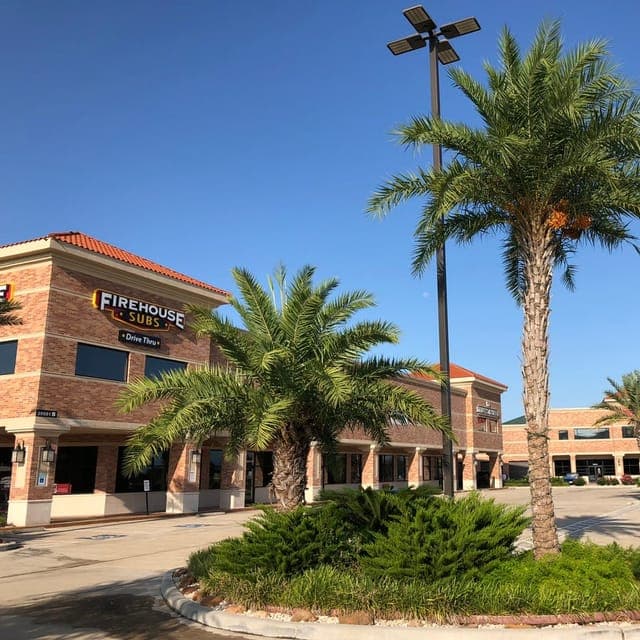


* Values derived from national, state, county, city and local statistics and may differ in a specific area. Last updated: 2026-04-14T00:03:05.000Z
Narrative content on this page is AI-generated and may contain mistakes. Verify any details that matter before acting on them.
ReloMaps may earn a commission from affiliate links at no extra cost to you.

