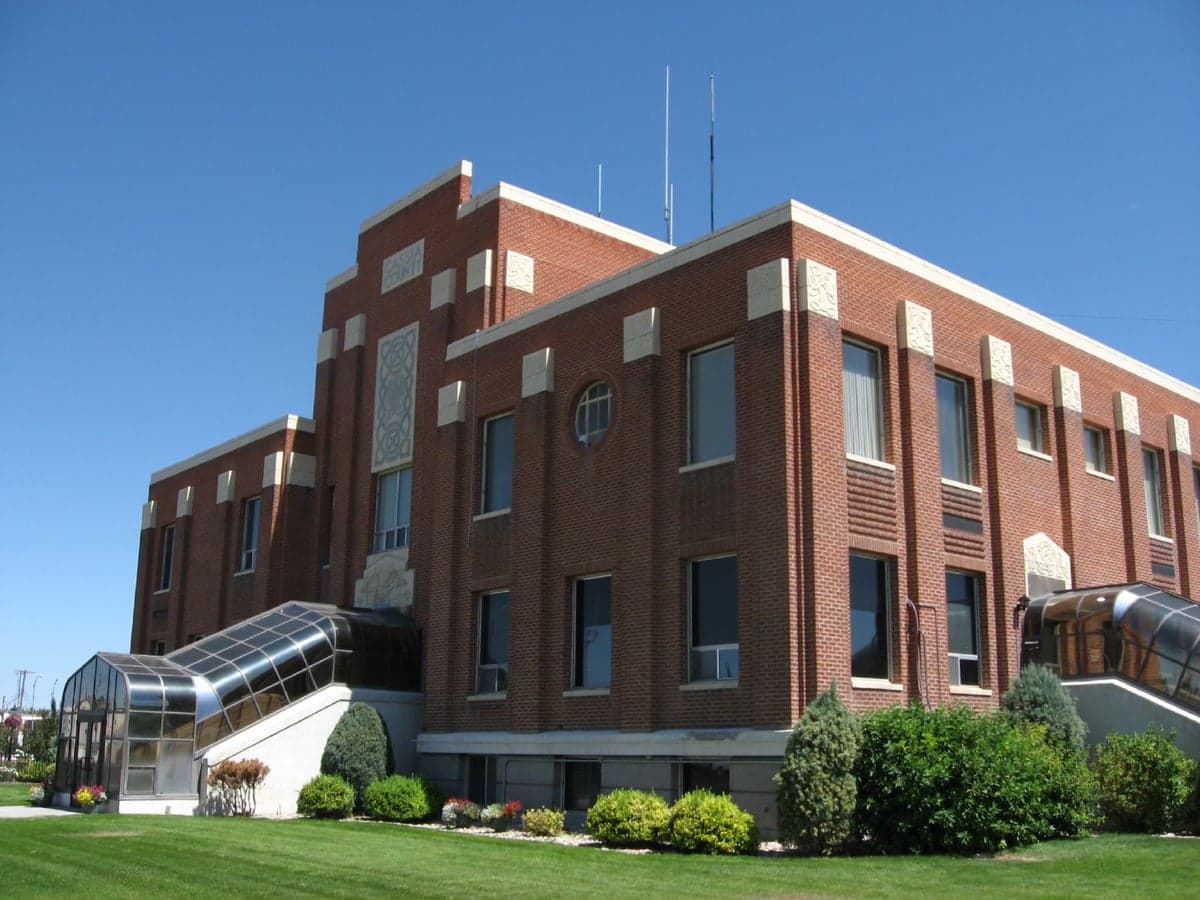
Photo: Wikipedia
Quality of Life in Burley, ID
A high quality of life with strong walkability, manageable living costs, healthy neighborhood signals, and solid amenity access.
What does Quality of Life tell us?
Quality of Life blends cost of living, nearby amenities, socioeconomic signals, and neighborhood character. City-level scores represent the whole municipality; individual neighborhoods can differ.
What does this tell us?
Quality of Life blends cost of living, nearby amenities, socioeconomic signals, and neighborhood character. City-level scores represent the whole municipality; individual neighborhoods can differ.
Cost of Living
22% below national average
The Real Cost of Living in Burley, ID for 2026
| Tier | Individual | Family (4) |
|---|---|---|
| Survival | $15k | $28k |
| Comfortable | $42k | $61k |
| Luxury | $111k+ | $172k+ |
| Elite (Top 5%) | $131k+ | $203k+ |
104%
The Area Signal
A metric tracking the socioeconomic signals of the area.
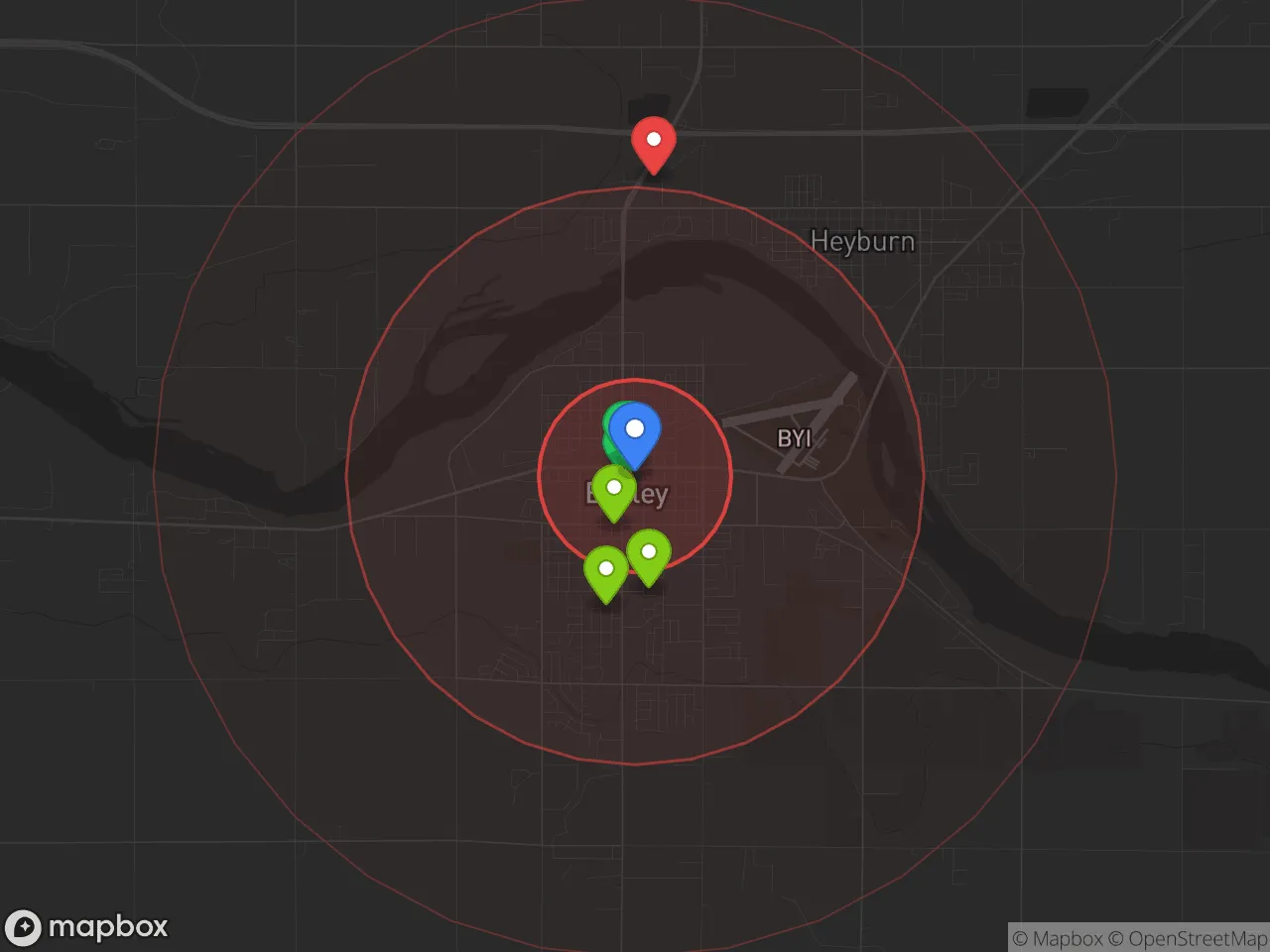
Hobbies
Explore the areaGroceries
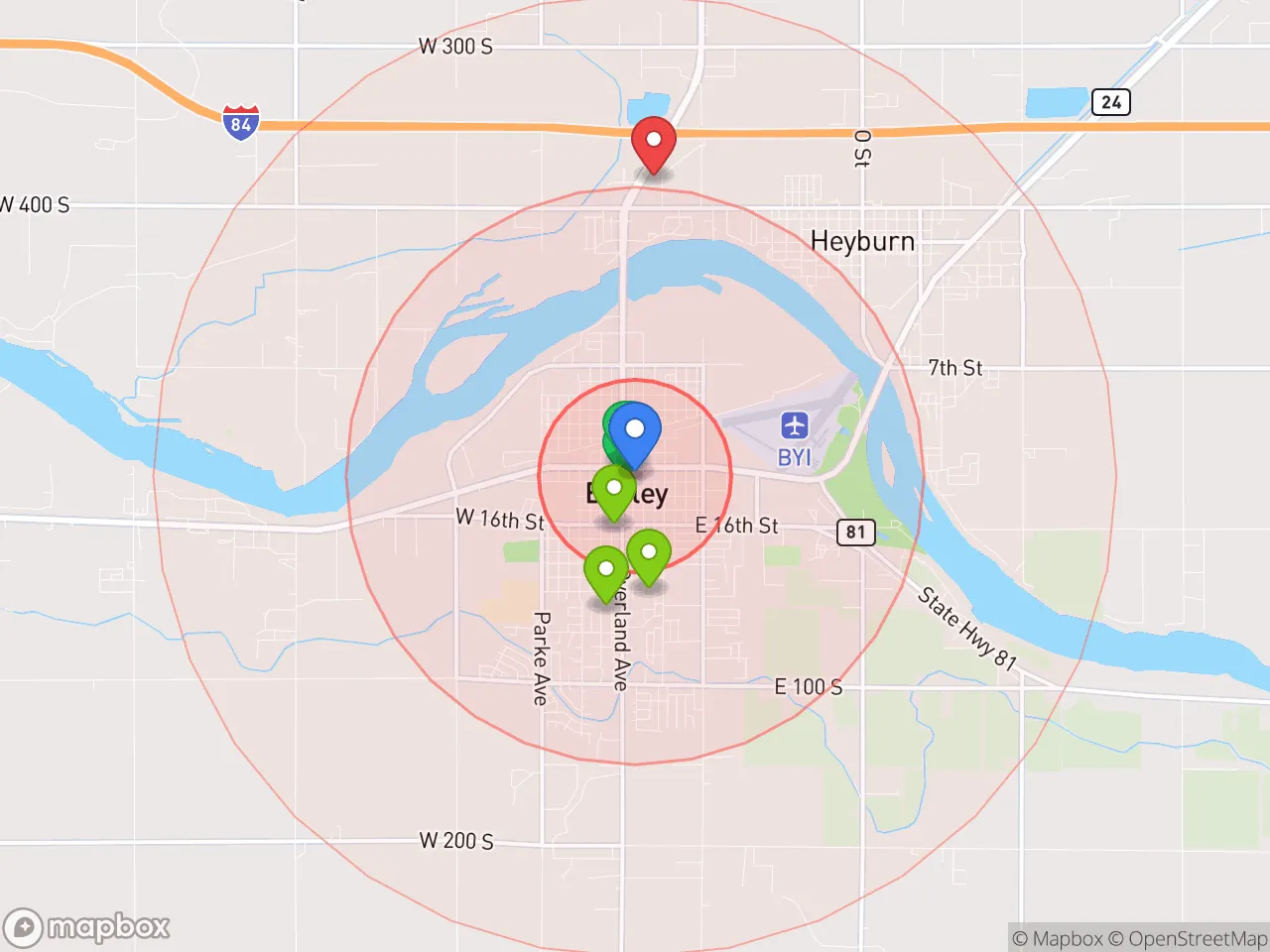
2 within 10 miles
Gas
16 within 10 miles
Hospital
2 within 20 miles
Airport
SLC — Salt Lake City International
Post Office
USPS — Burley, ID
Critical Amenities
Quality-of-Life Analysis
Burley, Idaho, presents a notably affordable quality of life, with a cost of living index of 78—22% below the national average—making it a practical choice for families, agricultural workers, and remote professionals seeking financial breathing room. The area’s affluence is modest compared to national benchmarks, with a median home value of $213,700 and a median rent of $920, attracting a population that values stability over luxury. Residents tend to be a mix of long-time farming families, newcomers from higher-cost Western states, and those employed in the region’s food processing and logistics sectors, creating a down-to-earth, hardworking community atmosphere.
Cost of living, housing affordability, and how Burley compares to nearby cities
Burley’s cost of living index of 78 is significantly lower than the U.S. average of 100, and it undercuts nearby Twin Falls (index ~85) and Pocatello (index ~82), making it one of the most budget-friendly options in south-central Idaho. The median home value of $213,700 is roughly 30% below the national median, and with a median rent of $920, monthly housing costs are manageable even for single-income households. For context, a comparable home in Boise would cost nearly double, while in Twin Falls it would run about 15% higher. The average commute of just 16.4 minutes is notably short—well under the national average of 26 minutes—reducing transportation costs and freeing up time for family or recreation. This combination of low housing prices, minimal commute, and overall affordability makes Burley particularly attractive for first-time homebuyers and those looking to stretch a fixed income.
Local amenities, schools, and what daily life feels like in Burley
Daily life in Burley centers on a compact, walkable downtown with local eateries, a historic theater, and the scenic Snake River running through town. The Minidoka County School District serves the area, with Burley High School and several elementary schools receiving average-to-above-average ratings on GreatSchools, though options for specialized programs are limited compared to larger cities. Outdoor recreation is a key amenity: residents have quick access to the Sawtooth National Forest, the City of Rocks National Reserve, and the Snake River for fishing, boating, and hiking. The town hosts the annual Burley Spud Harvest Festival and a weekly farmers market, reinforcing a tight-knit, community-oriented rhythm. However, retail and dining variety is sparse—residents often drive 30 minutes to Twin Falls for major shopping or healthcare needs. The pace is slow and predictable, with most businesses closing by early evening, which suits those seeking a quiet, low-stress environment.
Burley is best suited for individuals and families who prioritize affordability, short commutes, and a slower pace over urban amenities and career diversity. It works well for remote workers, retirees on fixed incomes, and those employed in agriculture, food processing (e.g., McCain Foods, Simplot), or logistics. People who thrive here value community connections, outdoor access, and financial stability—and are comfortable with limited nightlife, dining options, and cultural institutions. Those seeking a vibrant social scene or high-end services may find Burley too quiet, but for cost-conscious movers who want a safe, functional base in Idaho’s Magic Valley, it delivers a solid return on investment.

Crime in Burley, ID
Lower crime rates than 76% of comparable U.S. locations.
Violent CrimeViolent Crime Analysis
Property CrimeProperty Crime Analysis
Crime Analysis
Burley, Idaho, reports a violent crime rate of 215.5 incidents per 100,000 residents and a property crime rate of 601.6 per 100,000, placing it below national averages for both categories. While these figures indicate a generally safer environment than many U.S. cities, the community is not immune to crime, and specific factors—including the local justice system's approach—shape the day-to-day safety experience. The city's location in a conservative, rural region of southern Idaho influences both crime trends and law enforcement priorities.
Crime in context
Burley's violent crime rate of 215.5 per 100,000 is roughly 40% lower than the national average of 380 per 100,000, while its property crime rate of 601.6 per 100,000 is about 30% below the U.S. figure of 1,950 per 100,000. Compared to Idaho's statewide violent crime rate of approximately 245 per 100,000, Burley is slightly safer, though property crime in the city is on par with the state average of roughly 600 per 100,000. These numbers place Burley in a favorable position relative to larger metropolitan areas, particularly those with liberal and progressive judges and district attorneys, where higher crime rates are often linked to lenient sentencing and reduced accountability. In contrast, Cassia County, where Burley is located, operates under a more traditional justice framework that prioritizes victim rights and public safety, which helps keep recidivism lower than in progressive jurisdictions.
What residents experience
Residents most commonly encounter property crimes such as theft, burglary, and vehicle break-ins, which account for the majority of reported incidents. Violent crime, including assault and robbery, is less frequent but does occur, often concentrated in specific areas or tied to domestic disputes. The local police department maintains a visible presence, and community-oriented policing initiatives help foster trust between officers and residents. However, the effectiveness of these efforts depends on the broader judicial environment; in Burley, prosecutors and judges generally apply strict sentencing guidelines, which deters repeat offenses and supports victim restitution. This stands in contrast to areas with progressive district attorneys who deprioritize certain crimes, leading to more offenders on the street and greater risk to the public.
Neighborhood-level variation in Burley is modest, with older residential areas near the downtown core and some lower-income pockets experiencing slightly higher property crime rates. Newer subdivisions on the outskirts and rural properties tend to report fewer incidents. Overall, Burley offers a relatively safe environment for families and retirees, particularly when compared to large metro areas where progressive justice policies have been linked to rising crime and diminished public confidence in safety.
* Values derived from national, state, county, city and local statistics and may differ in a specific area. Last updated: 2026-04-21T09:15:47.000Z
Narrative content on this page is AI-generated and may contain mistakes. Verify any details that matter before acting on them.
ReloMaps may earn a commission from affiliate links at no extra cost to you.

