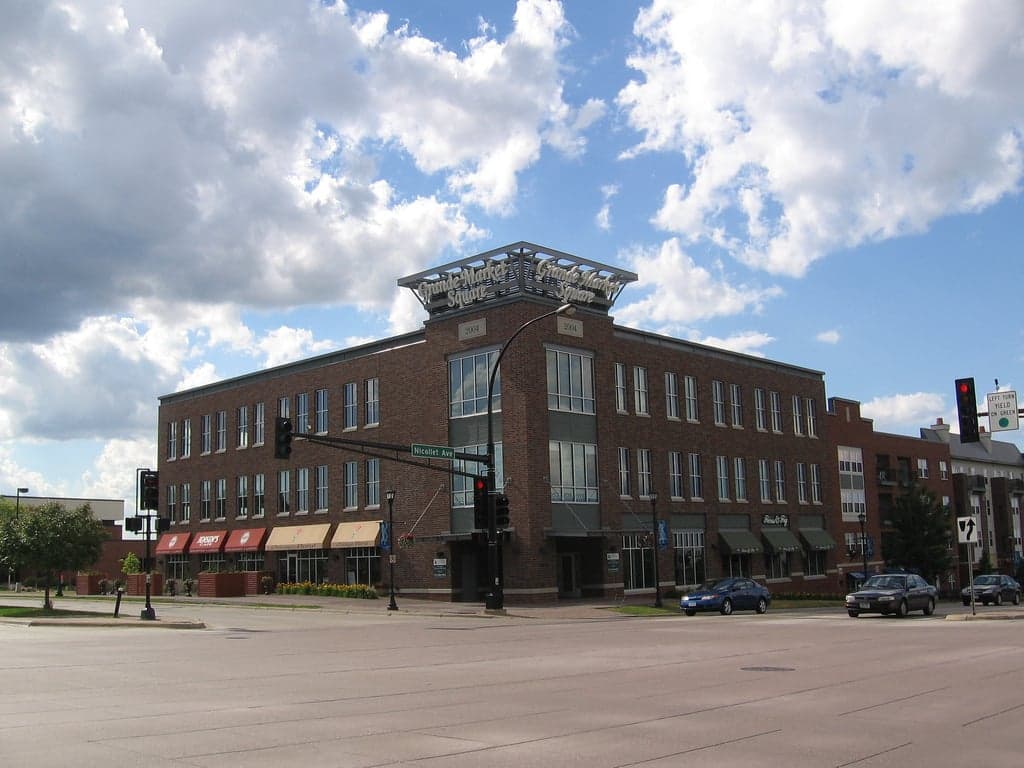
Photo: Wikipedia
Quality of Life in Burnsville, MN
Above-average quality of iife. The area offers a reasonable cost of living, decent mobility, and a mix of neighborhood amenities.
What does Quality of Life tell us?
Quality of Life blends cost of living, nearby amenities, socioeconomic signals, and neighborhood character. City-level scores represent the whole municipality; individual neighborhoods can differ.
What does this tell us?
Quality of Life blends cost of living, nearby amenities, socioeconomic signals, and neighborhood character. City-level scores represent the whole municipality; individual neighborhoods can differ.
Cost of Living
25% above national average
The Real Cost of Living in Burnsville, MN for 2026
| Tier | Individual | Family (4) |
|---|---|---|
| Survival | $24k | $45k |
| Comfortable | $65k | $96k |
| Luxury | $129k+ | $201k+ |
| Elite (Top 5%) | $152k+ | $236k+ |
88%
The Area Signal
A metric tracking the socioeconomic signals of the area.
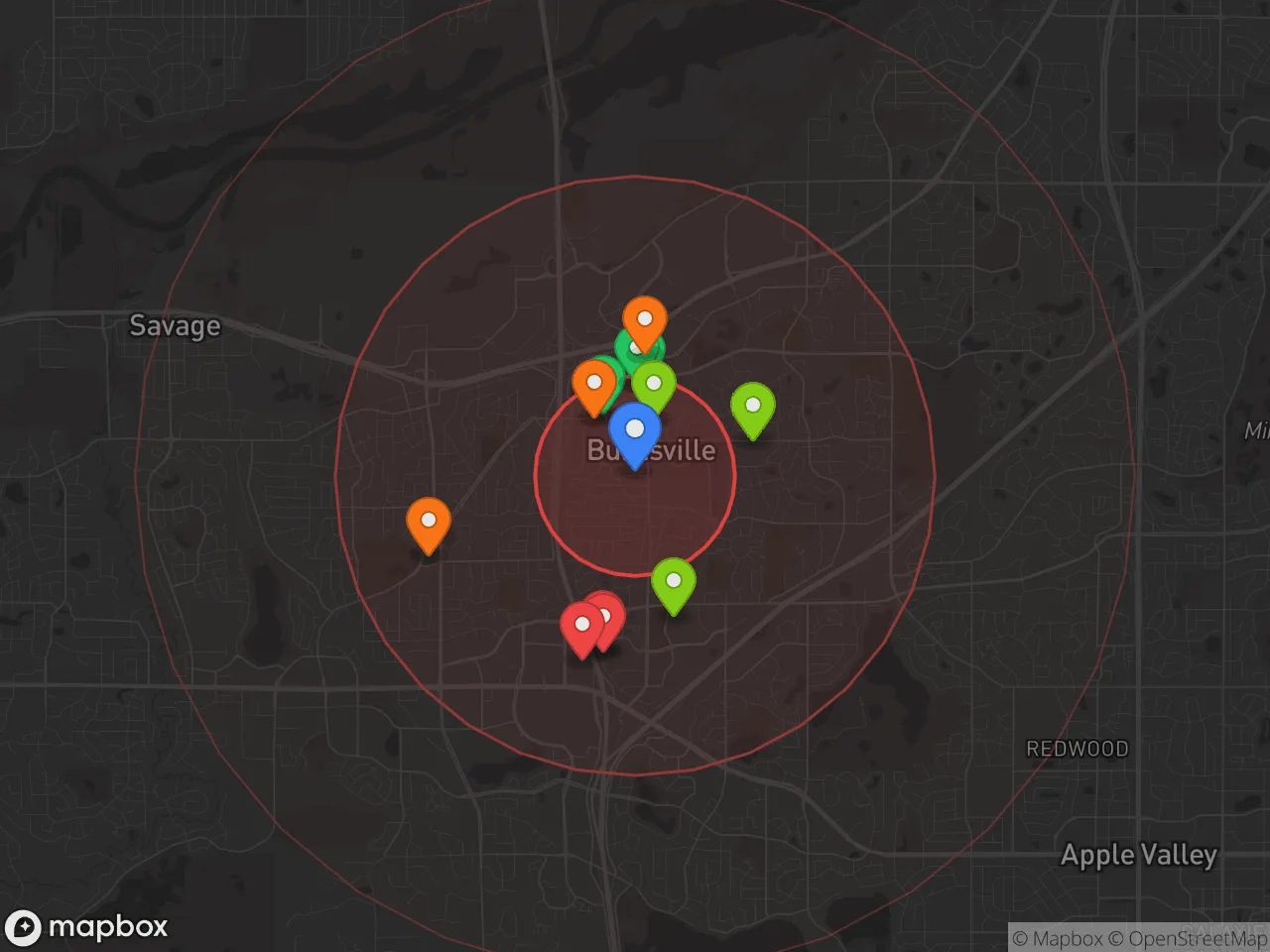
Hobbies
Explore the areaGroceries
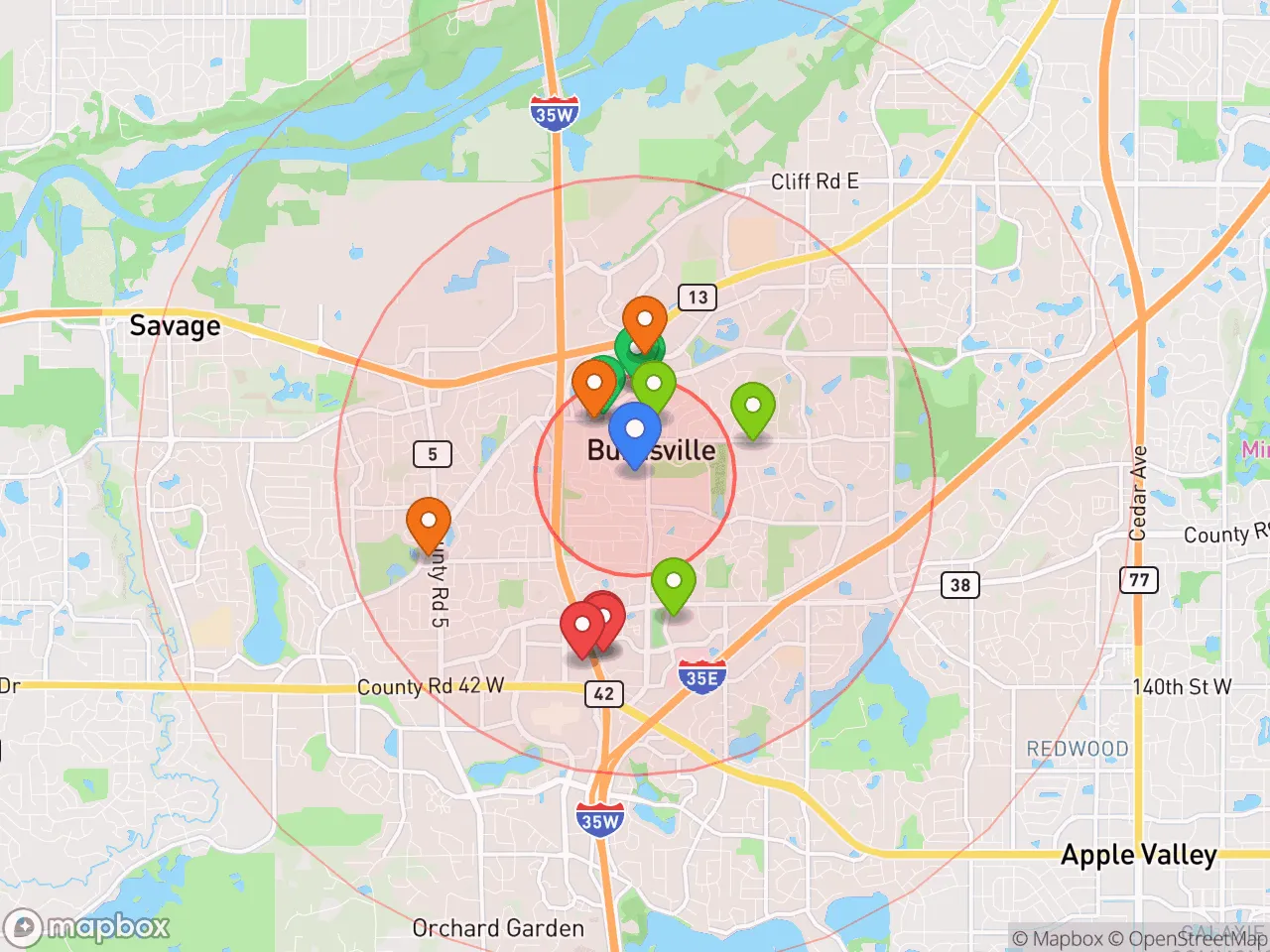
6 within 10 miles
Gas
20 within 10 miles
Hospital
20 within 20 miles
Airport
JFK — John F. Kennedy Memorial
Post Office
USPS — Burnsville, MN
Critical Amenities
Quality-of-Life Analysis
Burnsville, Minnesota, presents a quality-of-life profile that blends suburban comfort with urban proximity, attracting a mix of young professionals, growing families, and long-term residents. With a cost-of-living index of 125 (25% above the U.S. average), the city sits at a higher price point than many national peers, yet it remains notably more affordable than its immediate Twin Cities neighbors like Edina or Minnetonka. The population skews toward middle- to upper-middle-income households, with a median household income around $70,000, reflecting a community that values stability, good schools, and accessible amenities over the premium cachet of the western suburbs.
Cost of living, housing, and affordability compared to nearby cities
Burnsville’s cost-of-living index of 125 is driven primarily by housing, though it still undercuts many core metro areas. The median home value of $335,100 is roughly $50,000 lower than the Minneapolis metro median and significantly less than the $500,000+ averages in Edina or Wayzata. Median rent sits at $1,501, which is competitive for the south metro, especially when compared to Bloomington’s $1,700 average or St. Paul’s $1,400 floor for comparable units. Property taxes in Burnsville hover around 1.1% of assessed value, slightly above the state average but lower than in neighboring Lakeville or Apple Valley. For renters and first-time buyers, Burnsville offers a pragmatic middle ground: you pay a premium over national norms, but you avoid the steep markups of the western suburbs while still getting a 23-minute average commute to downtown Minneapolis or St. Paul. The trade-off is that inventory for single-family homes under $350,000 has tightened since 2022, pushing some buyers toward townhomes or older condos in the city’s central corridor near I-35W.
Schools, amenities, and what daily life is like for families
Daily life in Burnsville revolves around its robust parks system, the Burnsville Center retail hub, and the nearby Minnesota River Valley trails. The city operates over 50 parks, with Burnsville’s Crystal Lake offering a popular beach and fishing pier, while the Murphy-Hanrehan Park Reserve provides 2,600 acres of hiking and mountain biking just south of town. The Burnsville-Eagan-Savage School District (ISD 191) serves most of the city, with Diamondhead Education Center and Burnsville High School (home to the Blaze) anchoring the academic landscape. The district’s graduation rate hovers around 87%, slightly below the state average, but its International Baccalaureate program and strong special education services draw families from across the south metro. For daily errands, the intersection of County Road 42 and I-35W is a commercial spine, packed with big-box stores, chain restaurants, and the Burnsville Center mall—though the mall has seen vacancy creep up since 2020, shifting foot traffic to newer developments like the Heart of the City district. Commuters appreciate the 23-minute average commute, which is shorter than the metro average of 26 minutes, thanks to direct highway access to both downtowns and the Minneapolis-St. Paul International Airport (MSP) just 15 minutes north.
Who thrives in Burnsville? The city suits families and professionals who want a balanced suburban lifestyle without the premium price tag of the western suburbs. It works well for commuters who need quick access to both downtown Minneapolis and St. Paul, and for outdoor enthusiasts who value the river valley trails and regional parks. Retirees on fixed incomes may find the cost-of-living index challenging, but the city’s lower crime rate compared to nearby Brooklyn Center or Richfield, combined with its stable housing stock, makes it a practical choice for those prioritizing safety and convenience over prestige. If you’re looking for a walkable urban core or top-tier school rankings, Burnsville may feel like a compromise; if you want a solid, middle-ground suburb with good bones and reasonable access, it’s a strong fit.

Crime in Burnsville, MN
Generally safer than 68% of comparable U.S. locations.
Violent CrimeViolent Crime Analysis
Property CrimeProperty Crime Analysis
Crime Analysis
Burnsville, Minnesota, reports a violent crime rate of 222.8 per 100,000 residents and a property crime rate of 1,417.9 per 100,000, placing it in a middle tier for safety within the Twin Cities metro area. While these figures are not the highest in the region, the city’s proximity to Minneapolis and its location within a large, progressive metropolitan area raise specific concerns for potential residents. The overall safety picture is one of moderate risk, heavily influenced by regional criminal justice policies that prioritize offender rehabilitation over strict enforcement.
Crime in context
Burnsville’s violent crime rate of 222.8 per 100,000 is roughly 40% lower than the national average of about 380 per 100,000, which may initially appear reassuring. However, this comparison can be misleading. The property crime rate of 1,417.9 per 100,000 is significantly higher than the national average of approximately 1,954 per 100,000, but still below the Minnesota state average of roughly 2,200 per 100,000. The critical context is that Burnsville is part of the broader Twin Cities metro, where liberal-leaning district attorneys in Hennepin and Dakota Counties have implemented progressive prosecution policies. These policies, which emphasize alternatives to incarceration and reduced bail requirements, have been linked to higher recidivism rates and a perception of lawlessness in surrounding communities. For a suburb like Burnsville, this means criminals from the core city can easily travel to commit property crimes, such as auto theft and burglary, with a lower perceived risk of consequence.
What residents experience
For those living in Burnsville, the most tangible impact is property crime. Residents frequently report vehicle break-ins, package thefts, and garage burglaries, particularly in neighborhoods near major thoroughfares like Interstate 35W and Highway 13. The city’s police department is proactive, but they are often stretched thin dealing with the spillover effects of regional crime trends. The progressive justice philosophy in Dakota County, which includes diversion programs for repeat property offenders, means that many arrested individuals are quickly back on the street. This creates a cycle where residents feel their safety is secondary to the rights of offenders. While violent crime like assault or robbery is less common, the constant low-grade threat to personal property erodes the sense of security, especially for families and retirees who value stability.
Neighborhood-level variation is notable. Areas closer to the Minnesota River and the city’s southern edge, such as those near Crystal Lake, tend to have lower crime rates and a stronger community watch presence. In contrast, neighborhoods near the Burnsville Center mall and along the I-35W corridor experience higher rates of theft and vandalism. Prospective residents should prioritize homes in established, single-family-home subdivisions with active neighborhood associations, as these areas show the best safety outcomes. Ultimately, while Burnsville is not a high-crime city by national metrics, its safety is compromised by the regional progressive justice system, making it a location where vigilance and proactive security measures are essential for peace of mind.
* Values derived from national, state, county, city and local statistics and may differ in a specific area. Last updated: 2026-05-04T11:23:12.000Z
Narrative content on this page is AI-generated and may contain mistakes. Verify any details that matter before acting on them.
ReloMaps may earn a commission from affiliate links at no extra cost to you.

