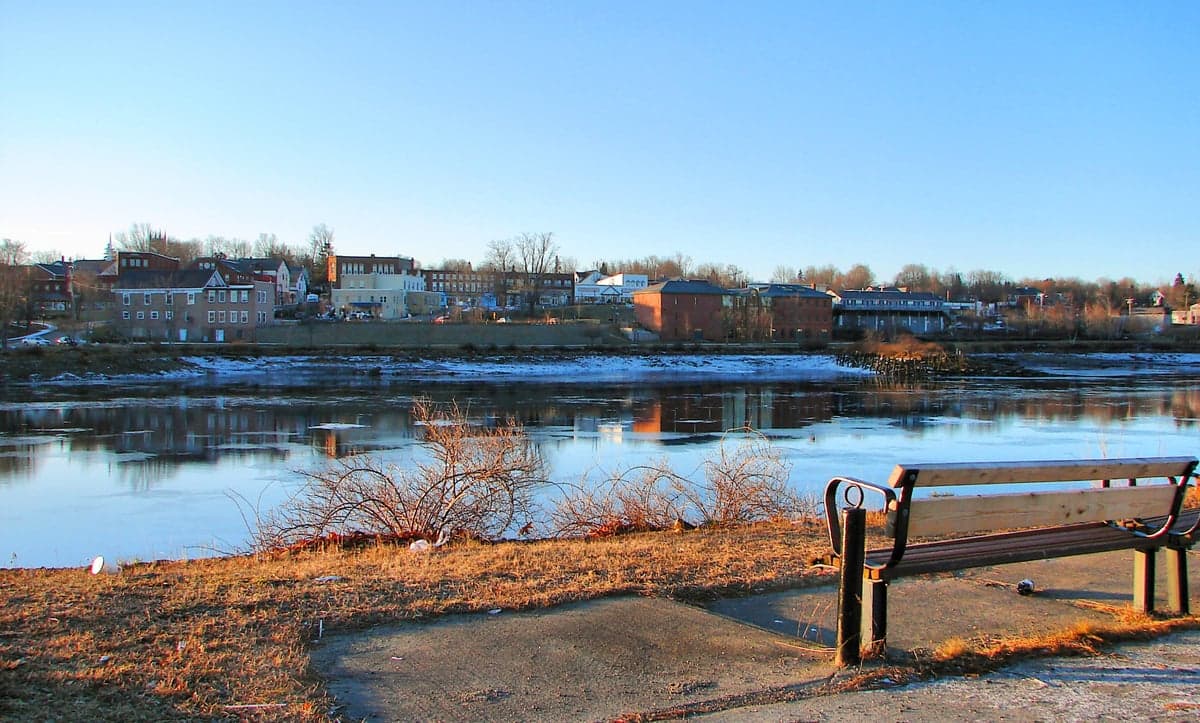
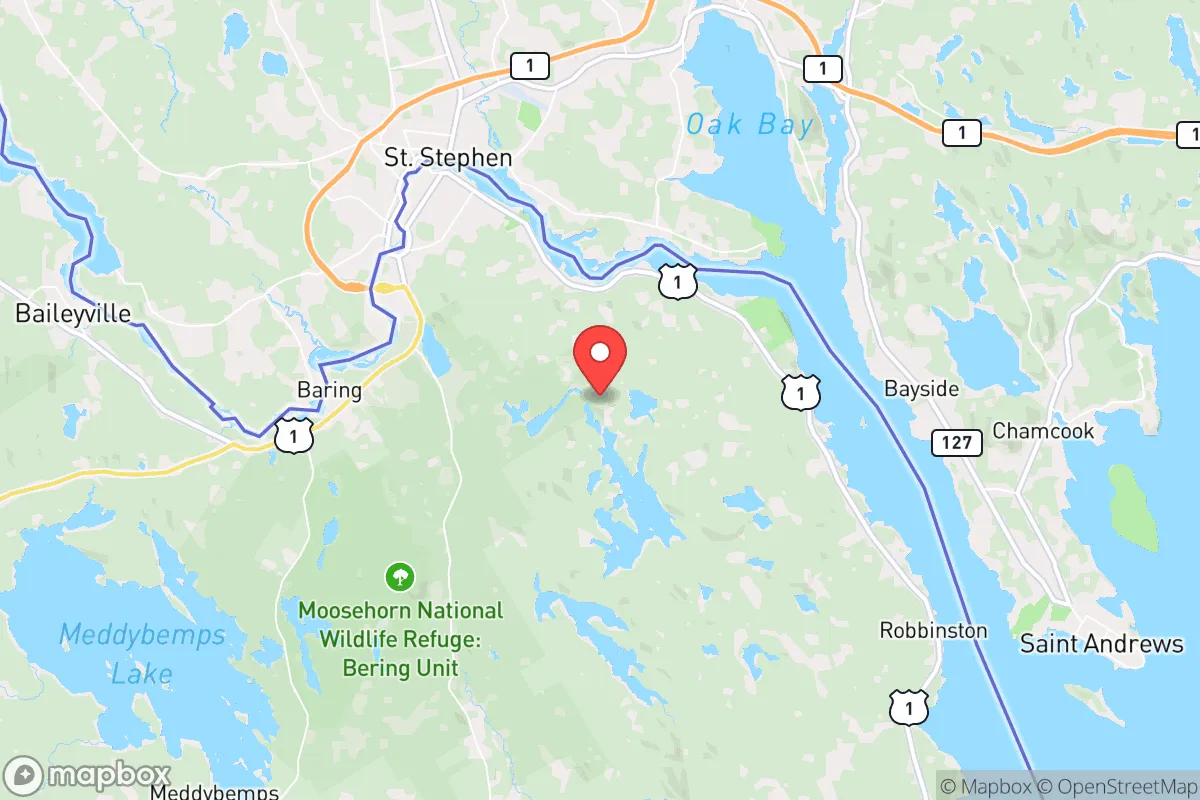
Photo: Wikipedia
Quality of Life in Calais, ME
A high quality of life with strong walkability, manageable living costs, healthy neighborhood signals, and solid amenity access.
What does Quality of Life tell us?
Quality of Life blends cost of living, nearby amenities, socioeconomic signals, and neighborhood character. City-level scores represent the whole municipality; individual neighborhoods can differ.
What does this tell us?
Quality of Life blends cost of living, nearby amenities, socioeconomic signals, and neighborhood character. City-level scores represent the whole municipality; individual neighborhoods can differ.
Cost of Living
42% below national average
The Real Cost of Living in Calais, ME for 2026
| Tier | Individual | Family (4) |
|---|---|---|
| Survival | $13k | $24k |
| Comfortable | $22k | $33k |
| Luxury | $88k+ | $136k+ |
| Elite (Top 5%) | $106k+ | $164k+ |
149%
The Area Signal
A metric tracking the socioeconomic signals of the area.
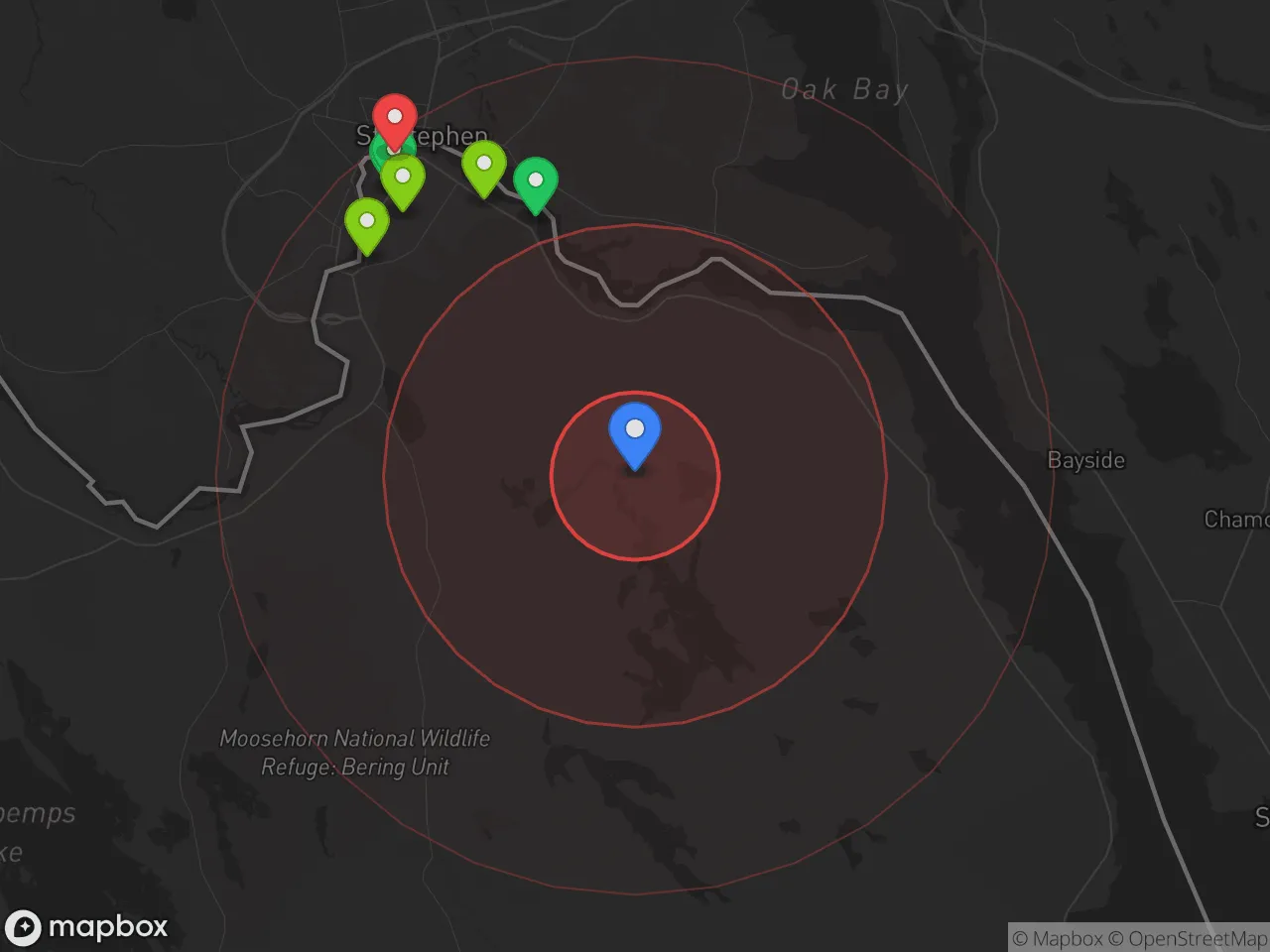
Hobbies
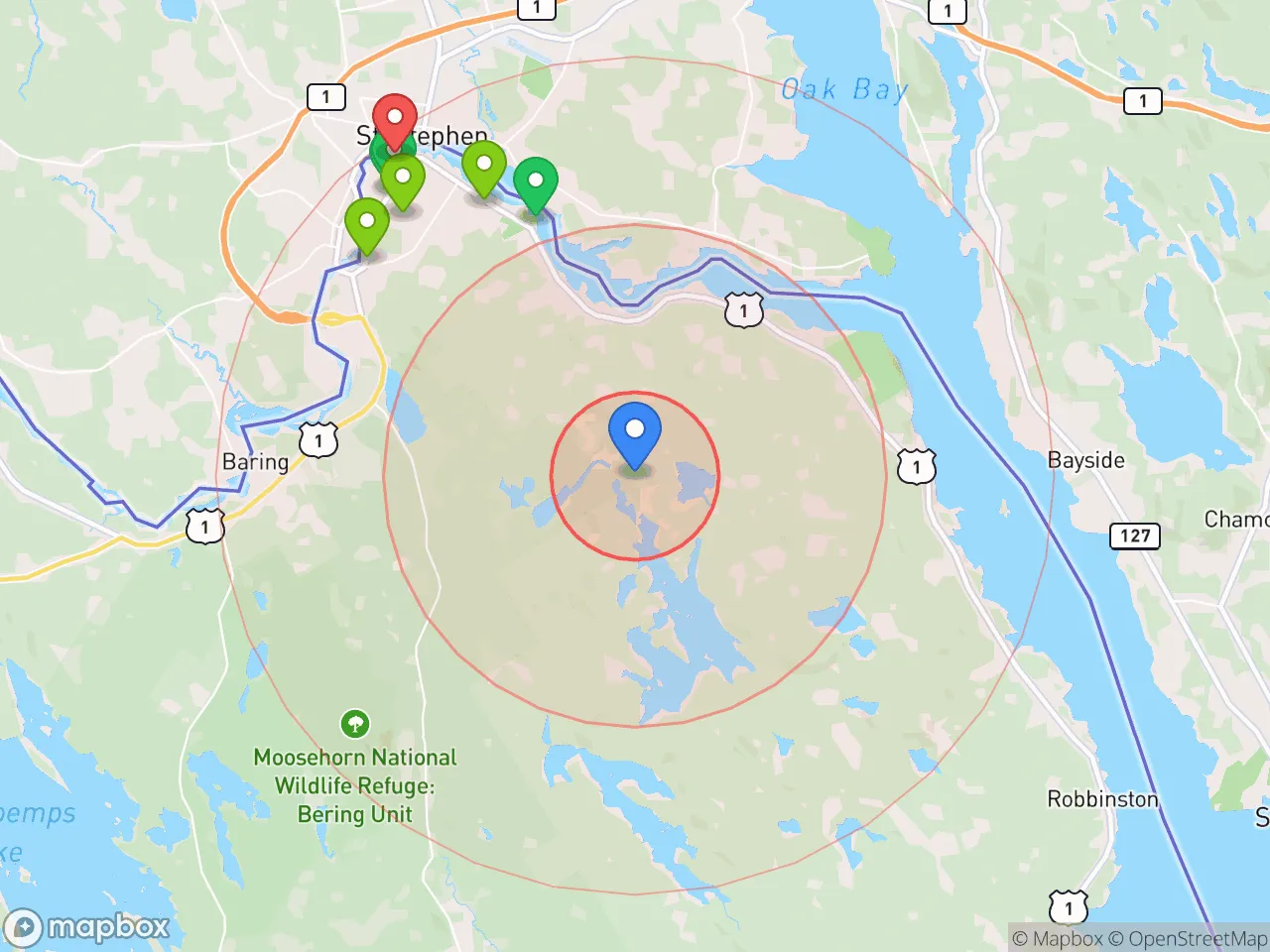
Explore the areaGroceries
2 within 10 miles
Gas
16 within 10 miles
Hospital
2 within 20 miles
Airport
PDX — Portland International Jetport
Post Office
USPS — 201 Water Street, Saint
Critical Amenities
Quality-of-Life Analysis
Calais, Maine, offers a distinctly affordable quality of life that stands in sharp contrast to the national average, with a cost of living index of 58—42% below the U.S. baseline. The population skews older and more economically modest, with a median household income around $36,000, attracting retirees, remote workers, and those seeking a slower, low-stress lifestyle near the Canadian border. The area’s affluence is limited, but its value proposition is strong for buyers and renters priced out of coastal or metropolitan New England.
Cost of living, housing, and affordability compared to nearby areas
Housing in Calais is exceptionally affordable by any regional measure. The median home value sits at $111,800, roughly one-third the Maine state median of $320,000 and far below the $400,000+ averages seen in Portland or Bar Harbor. Median rent is $815, making it one of the most budget-friendly rental markets in Washington County. Compared to the nearby Canadian city of St. Stephen, New Brunswick, housing is similarly priced but offers U.S. property tax structures and no foreign-buyer restrictions. The average commute of 24.4 minutes is manageable and typical for a rural hub, though many residents work locally in healthcare, retail, or the St. Croix Valley’s cross-border trade. Utility costs are slightly above the national average due to heating oil dependence, but overall monthly expenses remain low enough that a single-income household can comfortably afford a mortgage or rent.
Local amenities, schools, and what daily life is like
Daily life in Calais revolves around a compact downtown along the St. Croix River, with grocery stores, a hospital, and basic retail within a short drive. The Calais School Department serves roughly 700 students across three schools, with a student-teacher ratio of 11:1 and graduation rates near 85%, though advanced course offerings are limited compared to larger districts. For recreation, residents access Moosehorn National Wildlife Refuge for hiking and birding, and the nearby Cobscook Bay area for kayaking and fishing. The town’s proximity to the Canadian border means many residents cross into St. Stephen for dining, pharmacy, or cultural events, creating a binational rhythm uncommon in most U.S. small towns. Healthcare is anchored by Calais Regional Hospital, a critical-access facility with emergency services and primary care, though specialists often require a 90-minute drive to Bangor.
Who thrives in Calais? Retirees on fixed incomes, remote workers with stable internet (fiber is available in parts of town), and families seeking a safe, low-cost environment away from urban pressures. The area is less suited for young professionals seeking nightlife or diverse job markets, or for those requiring frequent access to major airports—Bangor International is 90 minutes west. For buyers willing to accept limited amenities and cold winters, Calais delivers a quiet, affordable, and community-oriented lifestyle unmatched in affordability along the Downeast coast.

Crime in Calais, ME
Lower crime rates than 92% of comparable U.S. locations.
Violent CrimeViolent Crime Analysis
Property CrimeProperty Crime Analysis
Crime Analysis
Calais, Maine, presents a notably low violent crime rate of 64.3 incidents per 100,000 residents, a figure that is roughly one-fifth the national average and well below the state average for Maine. Property crime, however, is more prevalent, with a rate of 739.5 per 100,000, which is slightly below the national average but higher than the typical Maine community. This contrast means that while the risk of a violent encounter is statistically very low, residents face a moderate risk of theft, burglary, or vandalism, particularly in less-trafficked areas.
Crime in context
When compared to the United States as a whole, Calais is a very safe city for violent offenses. The national violent crime rate hovers around 380 per 100,000, making Calais’s rate of 64.3 per 100,000 a fraction of that. Property crime in Calais, at 739.5 per 100,000, is also lower than the national average of roughly 1,950 per 100,000. However, it is higher than the Maine state average for property crime, which often falls below 600 per 100,000. This means a resident of Calais is about 12 times more likely to be a victim of property crime than violent crime, a ratio that is typical for small, rural communities but still warrants attention to home and vehicle security.
What residents experience
Daily life in Calais is generally quiet and low-stress regarding personal safety. The low violent crime rate means that incidents like assault, robbery, or homicide are rare events that do not shape the community’s routine. Most residents feel comfortable walking downtown or letting children play outside. The primary safety concern is property crime, which often targets unoccupied homes, sheds, and vehicles. Larceny-theft is the most common offense, followed by burglary. Residents report that leaving a car unlocked or a bicycle unattended can invite theft, particularly near the downtown core or the border crossing. The presence of U.S. Customs and Border Protection at the international bridge adds a layer of security and scrutiny to the area, which can deter some types of crime.
Neighborhood-level variation
Crime in Calais is not evenly distributed. The downtown area along Main Street and the waterfront, which sees more foot traffic and transient visitors, experiences a higher concentration of property crimes like shoplifting and vehicle break-ins. Residential neighborhoods further from the city center, such as those along the St. Croix River or on the outskirts near the woods, report fewer incidents. The area immediately around the border crossing and the industrial zone sees a slightly elevated rate of theft and trespassing, likely due to the movement of goods and people. Overall, the safest parts of Calais are the quiet residential streets away from commercial corridors, where neighbors know each other and informal watchfulness is common. No neighborhood in Calais is considered dangerous by national standards, but vigilance against property crime is advisable citywide.
* Values derived from national, state, county, city and local statistics and may differ in a specific area. Last updated: 2026-05-01T10:35:45.000Z
Narrative content on this page is AI-generated and may contain mistakes. Verify any details that matter before acting on them.
ReloMaps may earn a commission from affiliate links at no extra cost to you.

