
Photo: Wikipedia
Strategic Assessment of Alameda County
Multiple tactical vulnerabilities. Population density, target proximity, or disaster risk are likely compounding. A retreat property and exit planning is required.
What does the Strategic Assessment tell us?
Our Strategic Assessment grades tactical survivability of an area. Major population centers, military targets, fallout zones, natural disasters, and border exposure all drive risk — lower exposure means a more defensible position in a crisis.
This is heavily inspired by Joel Skousen's Strategic Relocation book. Highly recommended you checkout the book ($)What does this tell us?
Our Strategic Assessment grades tactical survivability of an area. Major population centers, military targets, fallout zones, natural disasters, and border exposure all drive risk — lower exposure means a more defensible position in a crisis.
This is heavily inspired by Joel Skousen's Strategic Relocation book. Highly recommended you checkout the book ($)Strategic Pillars

Key Distances
Strategic Assessment Analysis
Alameda County presents a complex strategic picture for the conservative prepper or survivalist family. On one hand, its location on the eastern shore of San Francisco Bay offers access to some of the most fertile agricultural land in California and a major transportation hub; on the other, it sits directly in the shadow of one of the nation's most politically volatile urban centers and a dense web of critical infrastructure that makes it a high-priority target for both natural disasters and human-caused events. The county's resilience is not a given—it requires deliberate, informed positioning and a clear-eyed understanding of the risks that come with living within striking distance of Oakland, the Port of Oakland, and the region's major refinery corridor. For a relocator who values self-sufficiency, community cohesion, and the ability to weather a breakdown of civil order, Alameda County offers both opportunity and serious liabilities that must be weighed carefully.
Geographic position and natural advantages for a strategic relocation
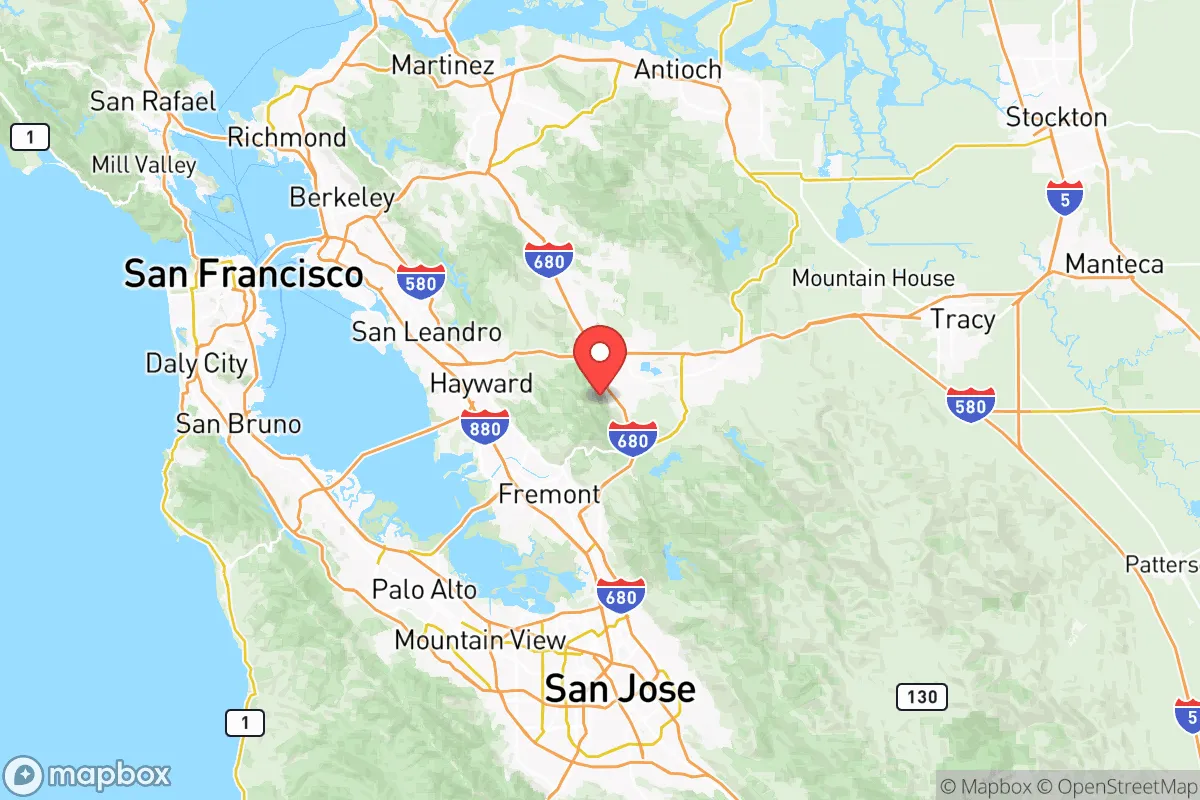
Alameda County stretches from the urbanized bay shore eastward into the rolling hills and agricultural valleys of the Livermore-Amador Valley. The county's eastern half, particularly around the cities of Livermore, Pleasanton, and Dublin, sits farther from the immediate coastal fog and offers a more temperate, defensible terrain. The Altamont Pass provides a natural choke point into the Central Valley, which is both a strategic asset for movement and a potential funnel for displaced populations. The county's proximity to the Sacramento-San Joaquin River Delta means access to freshwater resources, though the Delta's levees are a known vulnerability. For a prepper, the key advantage here is the ability to tap into local agriculture—the Livermore Valley is home to dozens of working farms and ranches, and the county's eastern edge borders the vast agricultural output of the Central Valley. The presence of the Lawrence Livermore National Laboratory, a major federal research facility, also means a concentration of technical expertise and potential employment for those with security clearances, though it also introduces a unique set of risks discussed below.
Risks, exposures, and proximity to fallout-relevant landmarks
This is where the analysis gets sobering. Alameda County is ringed by high-value targets that would be on any adversary's short list. The Port of Oakland is one of the busiest container ports on the West Coast, a critical node in the global supply chain. The Chevron Richmond Refinery, just across the county line in Contra Costa County, is one of the largest oil refineries in California and a prime candidate for industrial accidents or targeted disruption. The Lawrence Livermore National Laboratory itself is a nuclear weapons design and research facility—a fact that should give any survivalist pause. A major event at Livermore could produce a radiological release, and the lab's presence makes the surrounding area a potential target for state-level adversaries. Additionally, the county's western edge includes the cities of Oakland, Berkeley, and Alameda, which are dense urban centers with high crime rates, significant homeless populations, and a history of civil unrest. In a scenario of widespread societal breakdown, these areas would likely become ungovernable zones, and their proximity to the more suburban and rural eastern parts of the county means that refugees and looters could flow eastward along I-580 and I-680. The Hayward Fault runs directly through the county, and a major earthquake would cripple infrastructure, including the aging water tunnels and the Delta levees, potentially cutting off water supply to millions. For a relocator, the strategic calculus is clear: the farther east you go, the better your odds, but you are never truly out of the blast radius of the Bay Area's vulnerabilities.
Practical resilience for a relocator: food, water, energy, and defensibility
For a family or individual serious about preparedness, Alameda County offers a mixed bag. Food security is a genuine strength: the eastern part of the county has direct access to local farms, farmers' markets, and the ability to raise livestock or grow crops on smaller acreage. The Livermore Valley and the area around Sunol offer opportunities for small-scale agriculture that are rare in the Bay Area. Water security is a major concern. The county relies heavily on the State Water Project and the Hetch Hetchy system, both of which are vulnerable to earthquake damage. A well on your own property is a significant advantage, but groundwater in the Livermore Valley is already stressed by agricultural and municipal use. Energy resilience is feasible: the region has good solar insolation, and many homes in the eastern hills already have solar panels and battery backup. PG&E's grid is notoriously unreliable, so off-grid capability is a practical necessity, not a luxury. Defensibility varies dramatically by location. A home in the rural hills above Livermore or near the Altamont Pass offers natural chokepoints and limited access roads, making it easier to secure. In contrast, a suburban tract home in Dublin or Pleasanton is vulnerable to being overrun by a displaced urban population. The county's law enforcement landscape is also uneven: the Alameda County Sheriff's Office is generally professional, but the Oakland Police Department has been chronically understaffed and demoralized. In a crisis, you cannot count on rapid response from law enforcement in the western part of the county. The best strategy is to locate in a small, tight-knit community east of the hills, with a focus on mutual aid networks and physical security measures.
The overall strategic picture for Alameda County is one of high risk with pockets of genuine opportunity. For a conservative relocator who values community, self-reliance, and proximity to productive land, the eastern reaches of the county—Livermore, Sunol, and the unincorporated areas near the Contra Costa line—offer a defensible base with access to food and water, provided you invest in your own infrastructure. However, the county's position as a hub for critical infrastructure, its proximity to the political and social instability of Oakland and Berkeley, and its vulnerability to earthquakes and industrial accidents mean that this is not a location for the unprepared or the complacent. If you are willing to put in the work—dig a well, install solar, build a community network, and maintain a low profile—Alameda County can be a viable strategic relocation. If you are looking for a low-risk, low-effort retreat, you would be better served looking farther inland, toward the Sierra foothills or the Central Valley. The bottom line: Alameda County is a high-upside, high-downside play, and only the disciplined and well-informed should consider it.

* Values derived from national, state, county, city and local statistics and may differ in a specific area. Last updated: 2026-05-11T21:35:19.000Z
Narrative content on this page is AI-generated and may contain mistakes. Verify any details that matter before acting on them.
ReloMaps may earn a commission from affiliate links at no extra cost to you.

