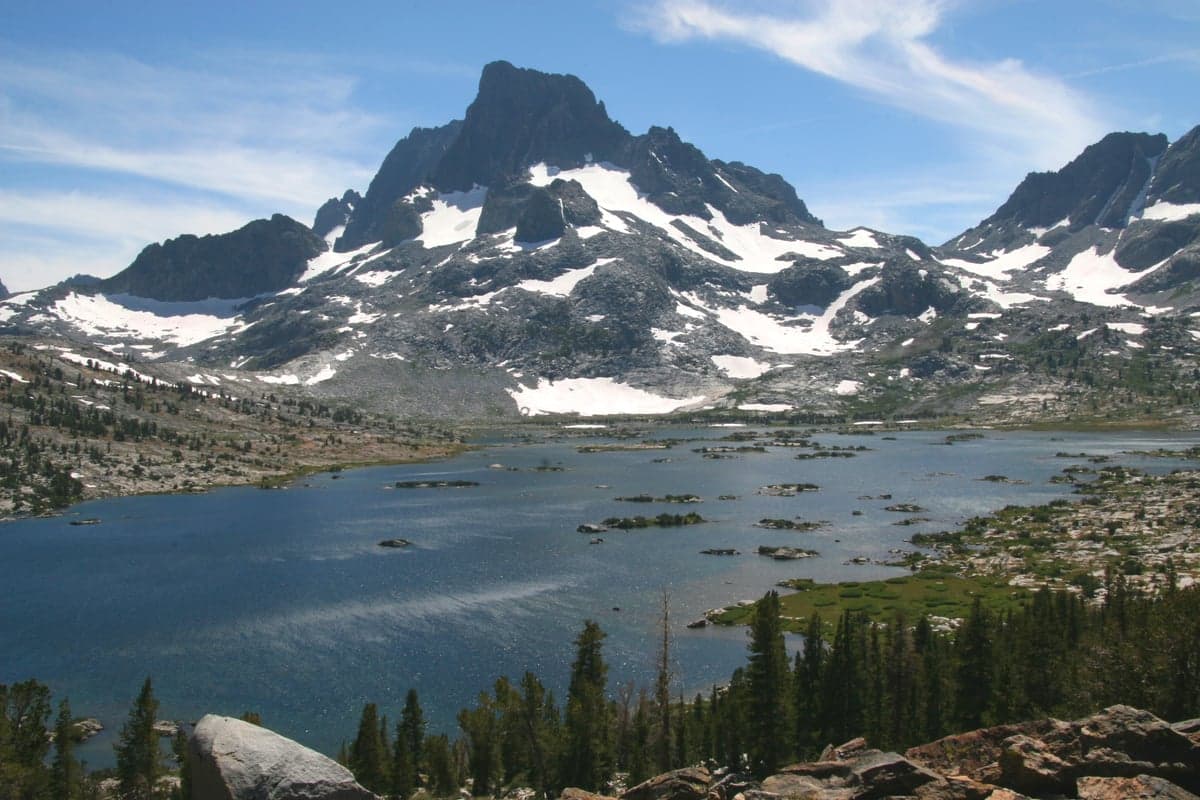
Photo: Wikipedia
Quality of Life in Madera County
A livable area that tracks near national norms for affordability, walkability, and neighborhood health.
What does Quality of Life tell us?
Quality of Life measures an area by evaluating factors like cost of living, nearby amenities, country club access, airport proximity, socioeconomic signals and neighborhood character. For large states, this is a general average — quality of life can vary dramatically between metro areas, suburbs, and rural communities within the same state.
What does this tell us?
Quality of Life measures an area by evaluating factors like cost of living, nearby amenities, country club access, airport proximity, socioeconomic signals and neighborhood character. For large states, this is a general average — quality of life can vary dramatically between metro areas, suburbs, and rural communities within the same state.
Cost of Living
20% above national average
72%
The Real Cost of Living in Madera County for 2026
| Tier | Individual | Family (4) |
|---|---|---|
| Survival | $21k | $39k |
| Comfortable | $71k | $105k |
| Luxury | $136k+ | $211k+ |
| Elite (Top 5%) | $160k+ | $248k+ |
Quality-of-Life Analysis
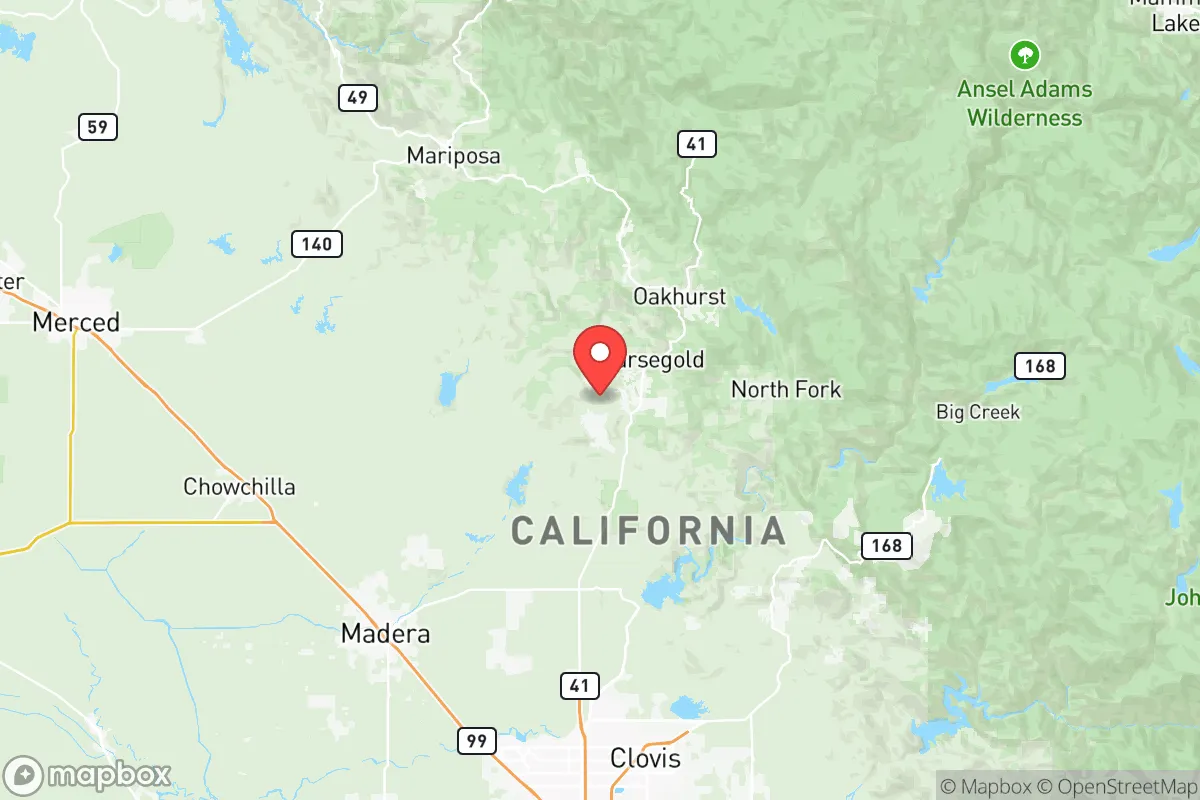
Madera County, California, offers a broad spectrum of quality-of-life options that range from the suburban-style convenience of its largest city, Madera, to the remote, high-altitude solitude of mountain communities like North Fork and Oakhurst. The county’s character is defined by this split between the flat, agricultural western half and the forested Sierra Nevada foothills to the east. People drawn to the county typically fall into two camps: those seeking more affordable housing relative to the San Joaquin Valley’s larger cities, and those prioritizing access to Yosemite National Park and outdoor recreation over urban amenities. With a cost of living index of 120 (100 being the U.S. average) and a median home value of $367,700, the county sits below California’s statewide median home price of roughly $750,000, making it a practical choice for budget-conscious buyers and renters alike.
Largest town(s) & population centers
The city of Madera, the county seat, is the primary population center with roughly 67,000 residents. Daily life here is centered on a mix of agricultural industry, local government employment, and commuter traffic to Fresno, located about 25 miles south. The average commute in the county is 28.4 minutes, a figure that reflects the significant number of residents who drive to jobs in Fresno or Clovis. Madera offers a full range of big-box retail, grocery stores, and chain restaurants along the Avenue 12 corridor, but lacks the dense entertainment and dining options found in larger cities. The median rent of $1,307 is notably lower than the California average of roughly $1,900, making Madera one of the more affordable rental markets in the central San Joaquin Valley. The city’s downtown has seen modest revitalization efforts, but the core of daily life remains car-dependent and oriented toward practical errands rather than walkable urbanism.
Smaller towns & rural pockets
East of Madera, the landscape rises into the Sierra National Forest, where communities like Oakhurst (pop. ~5,000) and North Fork (pop. ~3,000) offer a completely different lifestyle. Oakhurst serves as the southern gateway to Yosemite National Park, with a small commercial strip of hotels, restaurants, and outdoor gear shops. Life here is slower-paced and heavily seasonal, with tourism driving the local economy. North Fork is even more rural, consisting of scattered homes on large lots, with limited services and a strong sense of isolation. Further south, the unincorporated community of Chowchilla (pop. ~19,000) feels more like a small agricultural town than a suburb, with a historic downtown and a heavy presence of dairy and almond farming. These smaller towns lack the retail density of Madera but offer direct access to hiking, fishing, and national forest land. Residents in these areas typically accept longer drives for groceries and medical care in exchange for quiet, space, and lower property prices relative to the county’s median.
Cost & lifestyle range
The cost of living and available amenities vary dramatically across Madera County. At the lower end of the cost spectrum, the city of Madera and the town of Chowchilla offer the most affordable housing, with many homes under the county median of $367,700. Renters in these areas can find one-bedroom apartments for under $1,000, well below the county’s median rent of $1,307. At the higher end, Oakhurst and the gated community of Yosemite Lakes Park (an unincorporated area near Coarsegold) command premium prices, often exceeding $400,000 for a single-family home, due to their scenic views and proximity to Yosemite. The lifestyle range is equally broad: in Madera, residents have access to chain supermarkets, urgent care clinics, and multiple public schools within a short drive. In North Fork or the rural areas around Raymond, residents may drive 30 minutes or more to reach a full-service grocery store or a pharmacy. The trade-off is clear: lower costs and convenience in the valley floor versus higher costs and natural beauty in the foothills.
Who thrives in Madera County? The county is best suited for people who prioritize affordability and space over urban nightlife and walkability. Families and retirees on fixed incomes find the lower home prices and rents attractive compared to the rest of California. Outdoor enthusiasts who work remotely or in tourism-related jobs are well-served by the eastern mountain communities. Commuters willing to drive 30–45 minutes each way can access higher-paying jobs in Fresno while living in a quieter, less expensive setting. Those seeking dense cultural amenities, top-tier healthcare, or a vibrant downtown scene will likely find Madera County too limited and should look toward Fresno or the Bay Area instead.

Crime in Madera County
Higher crime rates than 58% of comparable U.S. locations.
Violent CrimeViolent Crime Analysis
Property CrimeProperty Crime Analysis
Crime Analysis
Madera County, California, presents a mixed safety picture, with crime rates that significantly exceed both state and national averages, particularly for property offenses. The county recorded a violent crime rate of 434.7 per 100,000 residents and a property crime rate of 1,820.6 per 100,000, placing it among the more dangerous areas in the Central Valley. While the unincorporated county and smaller communities like Coarsegold and Oakhurst experience lower incident densities, the city of Madera itself accounts for a disproportionate share of reported crime, especially in its downtown and southern corridors.
Crime in context
Madera County's violent crime rate of 434.7 per 100,000 is roughly 24% higher than the California state average and about 20% higher than the national average. Property crime at 1,820.6 per 100,000 is even more elevated—approximately 35% above the state rate and 60% above the national rate. These figures are driven largely by the city of Madera, where concentrated poverty and gang activity are persistent issues. By contrast, the mountain communities of Oakhurst and Bass Lake report far lower rates, though they are not immune to property theft, particularly vehicle burglaries targeting tourists. The county's rural expanses, including areas around Chowchilla, see fewer violent incidents but struggle with agricultural theft and trespassing.
What residents experience
For residents, the most common safety concern is property crime. Theft from vehicles, burglary, and shoplifting are routine, especially in Madera's commercial zones along Avenue 12 and Cleveland Avenue. Violent crime, while less frequent, is concentrated in specific neighborhoods—particularly the Madera Acres area and parts of central Madera near the courthouse. The Madera County District Attorney's Office, operating under a relatively moderate prosecutorial philosophy, has not adopted the progressive "zero-bail" or "defund" policies seen in larger coastal counties like Los Angeles or San Francisco. However, the nearby Fresno County justice system, which handles some cross-jurisdictional cases, has been criticized for lenient sentencing under a progressive DA, a factor that some residents believe contributes to recidivism and spillover crime into Madera County. The Madera County Sheriff's Office maintains a visible presence in unincorporated areas, but response times in remote foothill communities can exceed 30 minutes.
Neighborhood-level variation
Safety varies dramatically within Madera County. The city of Madera itself is the primary hotspot, with a violent crime rate estimated at over 500 per 100,000—well above the county average. The unincorporated community of Chowchilla, home to two state prisons, has a unique crime profile: institutional incidents inflate official statistics, but street-level crime for residents is moderate. In the Sierra Nevada foothills, Oakhurst and Coarsegold are considered the safest areas, with violent crime rates roughly half the county average. These communities benefit from a higher median income and a more transient tourist population that does not contribute to local gang dynamics. For families relocating to Madera County, the safest choice is typically a foothill community like Oakhurst, while the city of Madera requires careful neighborhood selection—avoiding areas near the Madera Municipal Airport and the southern industrial corridor. The progressive judicial trends in nearby Fresno remain a concern for long-term safety outlook, as they may encourage criminal migration into Madera County's less restrictive jurisdictions.
* Values derived from national, state, county, city and local statistics and may differ in a specific area. Last updated: 2026-09-27T21:33:47.000Z
Narrative content on this page is AI-generated and may contain mistakes. Verify any details that matter before acting on them.
ReloMaps may earn a commission from affiliate links at no extra cost to you.

