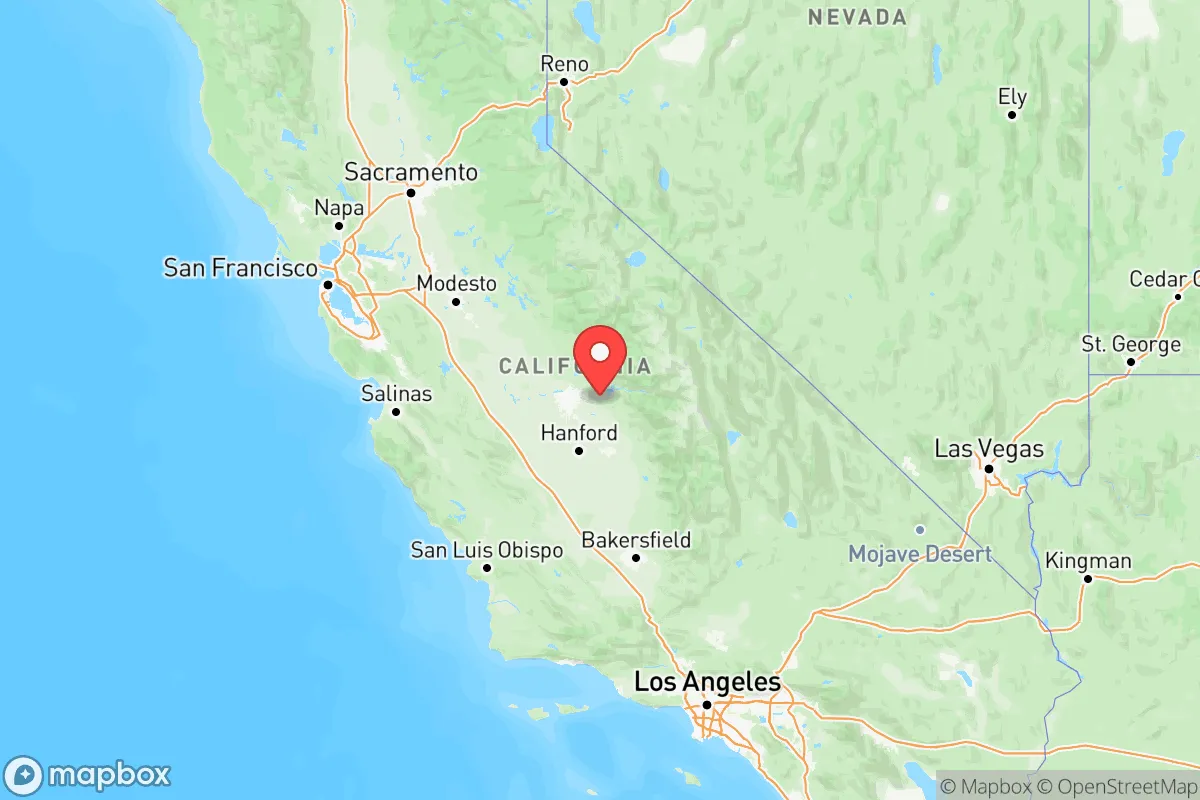
Photo: Wikipedia
Political ClimatePolitical Climate in California
Political Environment in the State
California is a deeply blue state where Democrats hold every statewide office and supermajorities in both legislative chambers, but the reality on the ground is far more fractured than the national headlines suggest. The state hasn't voted Republican in a presidential race since 1988, yet roughly 40% of its 22 million registered voters are Republicans or independents who lean right. Over the last 20 years, the Democratic share has grown steadily from about 44% to 47% of registered voters, while Republican registration has slipped from 35% to 24%, driven largely by coastal urbanization and demographic shifts in the Latino and Asian-American communities.
Urban vs. rural divide
The political map of California is a story of two countries. The coastal metros — Los Angeles, San Francisco, San Diego, and Oakland — are the engine of the state's Democratic supermajority, routinely delivering 70-85% of the vote for Democratic candidates. Inland, the Central Valley and far northern counties are reliably red: Bakersfield (Kern County) voted +22 for Trump in 2020, and Redding (Shasta County) went +35. The real action is in the suburbs. Orange County, once a GOP stronghold, flipped to Biden in 2020 and has stayed blue in subsequent cycles, while Riverside and San Bernardino counties in the Inland Empire have become competitive swing territory — Biden won Riverside by just 5 points in 2020, and the region has trended slightly right since. Fresno remains a purple island in the Central Valley, with a Republican-leaning city council but a Democratic-leaning population that has kept the congressional seat competitive.
Policy environment
California's policy environment is defined by high taxes, heavy regulation, and expansive state government. The state has a progressive income tax with a top marginal rate of 13.3% (the highest in the nation), a 7.25% state sales tax (with local add-ons pushing it to 10%+ in many cities), and property taxes capped at 1% of assessed value under Proposition 13, though reassessment on sale can be a shock for new buyers. The regulatory posture is aggressive: California sets its own vehicle emissions standards, mandates renewable energy targets (60% by 2030), and has some of the nation's strictest environmental review laws (CEQA). Education policy is dominated by the California Teachers Association, with per-pupil spending around $16,000 (above the national average) but mixed outcomes — only about half of students meet state standards in math and English. Healthcare is heavily regulated, with a state-run exchange (Covered California) and a pending individual mandate penalty. Election laws are among the most accessible in the country: universal mail-in ballots, same-day registration, and automatic voter registration at the DMV.
Recent policy direction
The last five years have seen California accelerate leftward on nearly every front. On gun and self-defense law, the state passed a 2023 law banning most concealed carry in "sensitive places" (effectively most public spaces) and a 2024 law requiring microstamping on all new handguns, making many popular models unsellable. Parental and education rights have been a flashpoint: a 2023 law prohibits school districts from requiring parental notification when a child changes their gender identity, and the state has sued several districts that tried to implement notification policies. Speech and privacy saw the passage of the California Age-Appropriate Design Code Act (enjoined by courts but pending appeal), which would require tech platforms to assess the impact of their services on minors. Medical and bodily autonomy is protected by a 2022 constitutional amendment enshrining abortion and contraception rights, and the state has become a "sanctuary" for gender-affirming care for minors from other states. Property rights have been squeezed by rent control expansion (AB 1482 caps annual rent increases at 5% plus inflation) and a 2024 law limiting single-family zoning near transit. Taxation saw a 2024 ballot measure (Proposition 5) that would have lowered the threshold for local tax increases — it failed, but the legislature continues to push for higher corporate taxes. Voting and ballot access expanded with a 2021 law requiring counties to offer ballot drop boxes and 24-hour vote centers, though this has drawn criticism from conservatives over chain-of-custody concerns.
Civil unrest & political movements
California has been a national epicenter of political protest and activism. The 2020 George Floyd protests in Los Angeles and Oakland were among the largest and most destructive in the country, with over $1 billion in property damage statewide. The homelessness crisis has spawned frequent encampment sweeps and counter-protests, with cities like San Francisco and Los Angeles seeing regular clashes between advocates and law enforcement. Immigration politics are a constant: California is a "sanctuary state" under SB 54 (2017), which limits local law enforcement cooperation with federal immigration authorities, and the state has sued the Trump administration multiple times over border policies. Secession rhetoric is alive on both fringes — the "Calexit" movement (2016-2018) fizzled but still has a small following, while rural counties like Shasta and Siskiyou have periodically floated secession to form the "State of Jefferson." Election integrity has been a persistent issue since 2020, with Republican-led audits in Orange County and Shasta County finding no widespread fraud but fueling ongoing distrust among conservative voters. A new resident will notice the ubiquitous "Recall Newsom" signs that appeared in 2021 (the recall failed 62-38) and the ongoing presence of armed protests at state capitol buildings over gun laws and COVID mandates.
Projection
Over the next 5-10 years, California's political trajectory is likely to remain blue but with growing internal friction. Demographic trends — continued in-migration from abroad (especially Asia and Latin America) and out-migration of domestic residents to Texas and Arizona — will keep the state's electorate young and diverse, favoring Democrats. However, the cost of living and housing crisis is pushing working-class families (including many Latino and Asian voters) toward the center on economic issues. The 2024 election saw Trump improve his margin in the Central Valley and Inland Empire by 3-5 points compared to 2020, suggesting a realignment of non-college voters. Expect more fights over housing density (the state is mandating cities to plan for 2.5 million new homes by 2030), more tax increases on the wealthy (a wealth tax is being discussed), and continued tension between coastal progressives and inland moderates. The Republican Party will remain a minority but could become more competitive in the Central Valley and Inland Empire if it moderates on social issues and focuses on cost of living. A new resident moving in now should expect a state that is politically stable at the top but increasingly volatile at the local level, with ballot measures and city council races becoming the real battlegrounds.
For a conservative-leaning relocator, the bottom line is that California offers a high-quality life in many respects — world-class natural beauty, a strong economy, and diverse communities — but you will be living under a government that is actively hostile to many of your political values. You'll pay more in taxes, face more restrictions on property use and gun ownership, and see your children educated in a system that prioritizes progressive social values. If you're willing to live in a red pocket like Bakersfield or Redding, you can find like-minded neighbors and local representation, but you'll still be subject to state laws you likely oppose. For liberal relocators, California is a dream — your values are encoded into law, and you'll find a vast network of like-minded communities. Either way, the state's political climate is not something you can ignore; it will shape your daily life from your tax bill to your child's curriculum to your ability to defend your home.

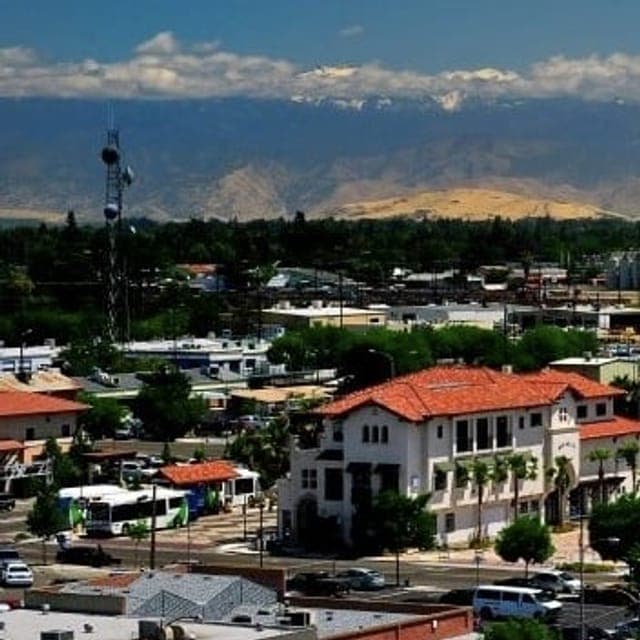
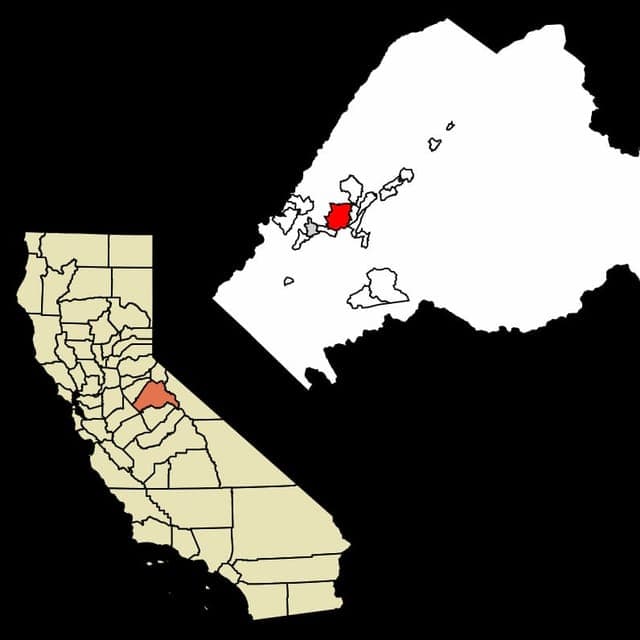
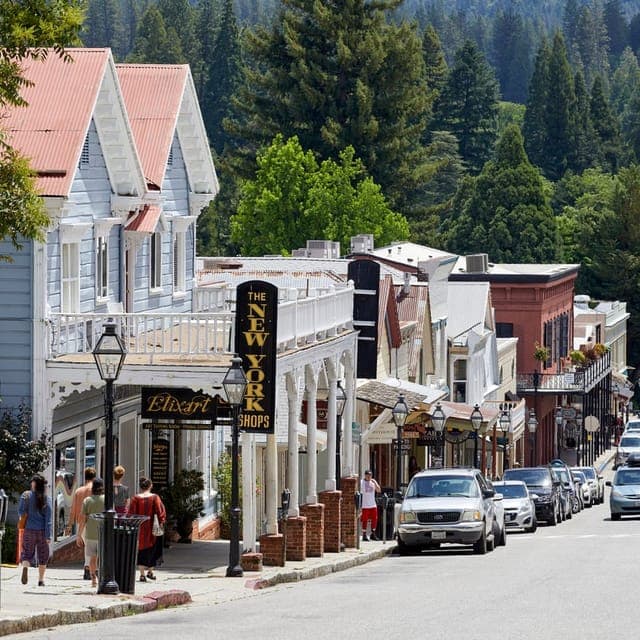
Most Conservative Cities in California
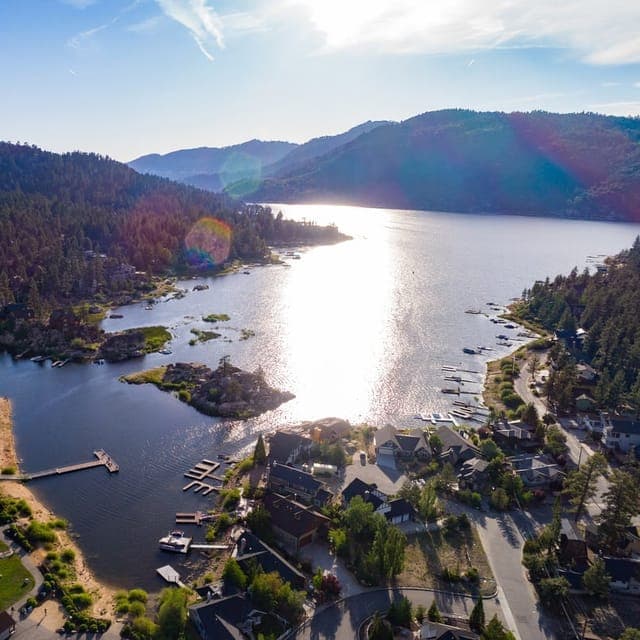
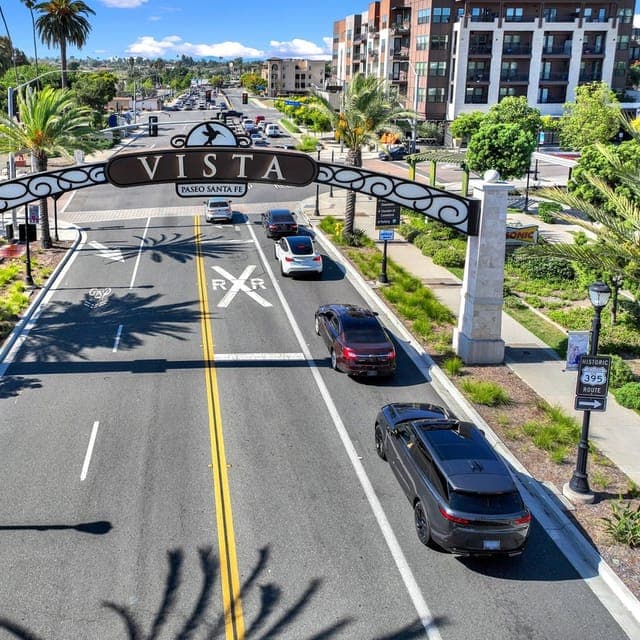
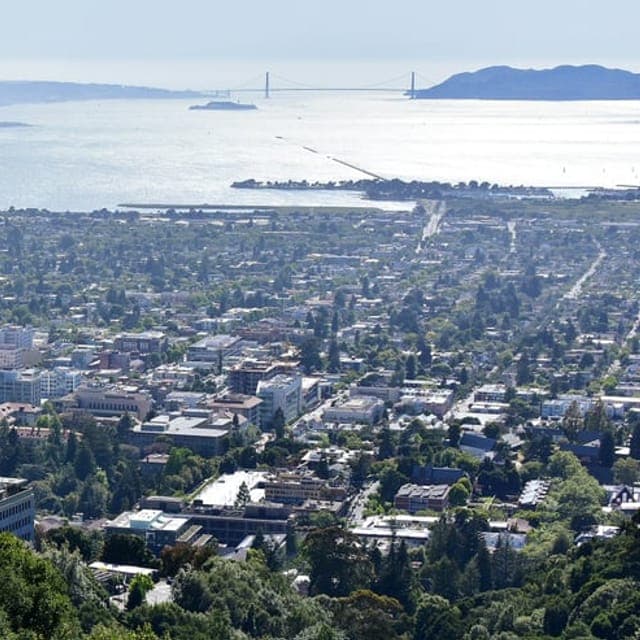
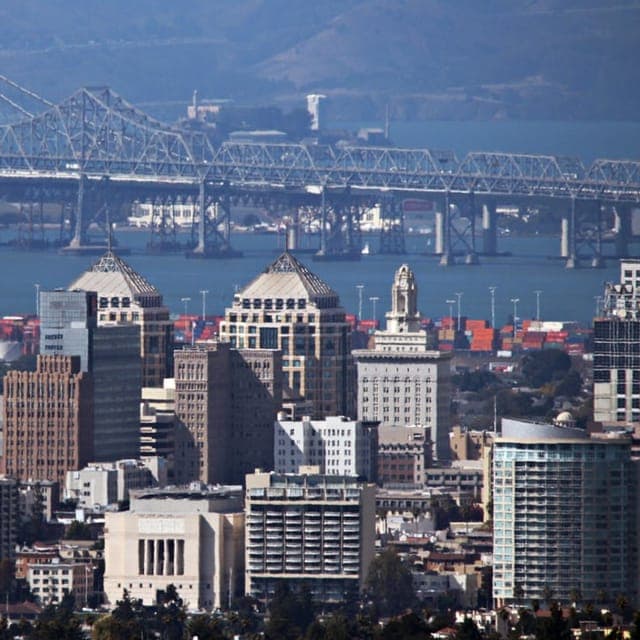
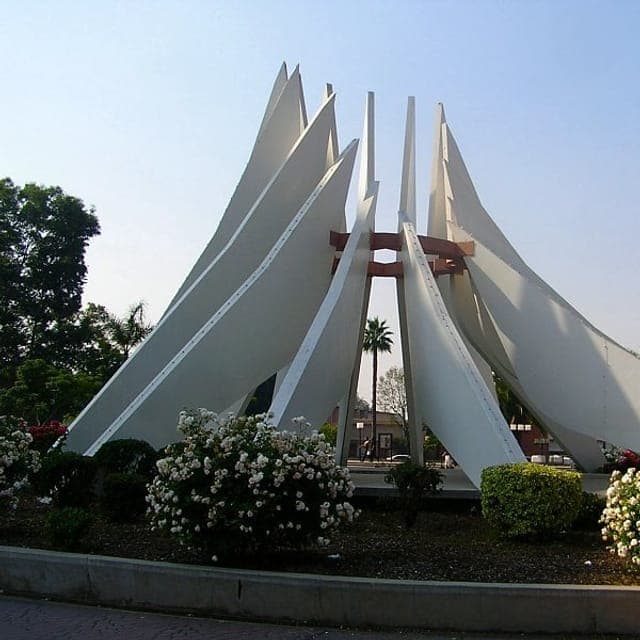
Most Liberal Cities in California
* Values derived from national, state, county, city and local statistics and may differ in a specific area. Last updated: 2026-08-03T15:48:32.000Z
Narrative content on this page is AI-generated and may contain mistakes. Verify any details that matter before acting on them.
ReloMaps may earn a commission from affiliate links at no extra cost to you.

