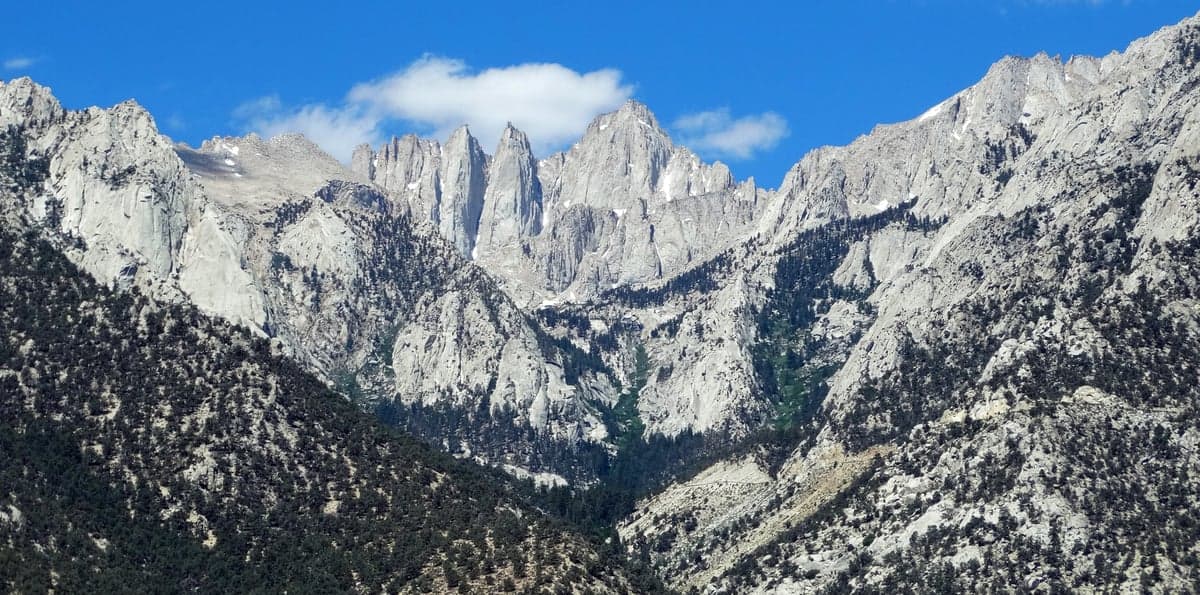
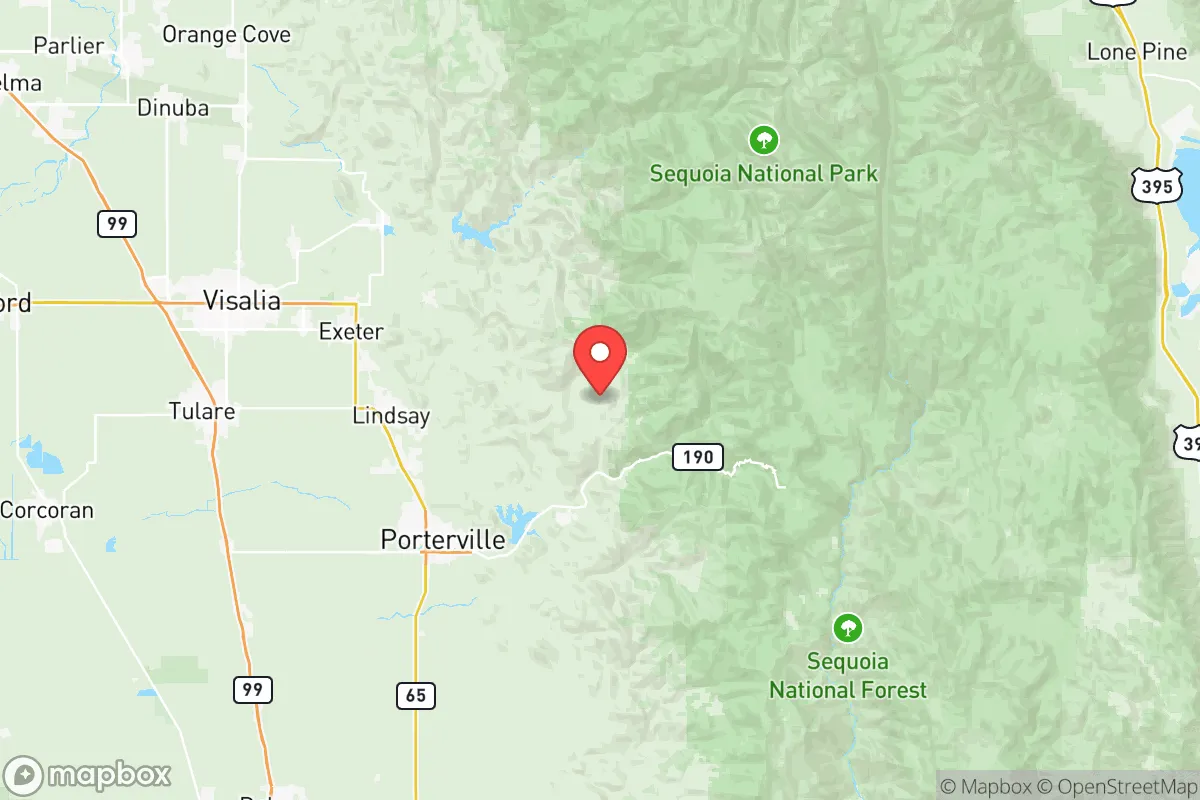
Photo: Wikipedia
Quality of Life in Tulare County
A livable area that tracks near national norms for affordability, walkability, and neighborhood health.
What does Quality of Life tell us?
Quality of Life measures an area by evaluating factors like cost of living, nearby amenities, country club access, airport proximity, socioeconomic signals and neighborhood character. For large states, this is a general average — quality of life can vary dramatically between metro areas, suburbs, and rural communities within the same state.
What does this tell us?
Quality of Life measures an area by evaluating factors like cost of living, nearby amenities, country club access, airport proximity, socioeconomic signals and neighborhood character. For large states, this is a general average — quality of life can vary dramatically between metro areas, suburbs, and rural communities within the same state.
Cost of Living
5% above national average
80%
The Real Cost of Living in Tulare County for 2026
| Tier | Individual | Family (4) |
|---|---|---|
| Survival | $19k | $36k |
| Comfortable | $59k | $87k |
| Luxury | $118k+ | $183k+ |
| Elite (Top 5%) | $139k+ | $216k+ |
Quality-of-Life Analysis
Tulare County offers a wide spectrum of quality-of-life options, from the urban amenities of its largest city, Visalia, to the deep agricultural isolation of towns like Earlimart and the mountain gateway communities of Three Rivers. The county’s character is defined by its dual identity: a productive agricultural powerhouse in the valley floor and a recreational gateway to the Sierra Nevada. This split attracts distinct groups — families and professionals seeking affordable suburban stability in Visalia, farmworkers and small-town residents in the rural south, and outdoor enthusiasts and retirees in the foothill communities.
Largest town(s) & population centers
Visalia is the county’s undisputed hub, home to roughly 140,000 residents and the primary center for employment, healthcare, and retail. Daily life here revolves around a walkable downtown with a historic Fox Theatre, a growing craft brewery scene, and major employers like Kaweah Health Medical Center and the County government. The city’s average commute of 23.3 minutes is notably shorter than California’s state average, making it a practical choice for workers who value time at home over long drives. Tulare, the county’s second-largest city (pop. ~70,000), offers a more industrial, working-class feel, anchored by the Tulare Outlet Center and the annual World Ag Expo. Both cities provide solid public school options, with Visalia Unified School District consistently outperforming state averages in standardized testing. For those seeking a larger metro connection, Fresno is roughly 45 minutes north via Highway 99.
Smaller towns & rural pockets
South of Visalia and Tulare, the landscape shifts dramatically. Porterville (pop. ~65,000) serves as the southern anchor of the county, with a distinct small-city identity and a growing foothill influence. Further south, Earlimart and Pixley are unincorporated agricultural communities where life centers on packing sheds and farm labor; these areas have limited retail and healthcare access, with many residents commuting to Delano or Bakersfield for services. To the east, Lindsay and Exeter offer quieter, tree-lined downtowns and a slower pace, popular with families seeking lower home prices than Visalia. In the Sierra Nevada foothills, Three Rivers is the gateway to Sequoia National Park, attracting retirees, artists, and tourism workers; its character is entirely different from the valley floor, with mountain views, river access, and a tight-knit community of roughly 2,500 year-round residents.
Cost & lifestyle range
The county’s overall cost of living index of 105 (5% above the US average) masks significant internal variation. At the high end, Three Rivers and the foothill areas command a premium for mountain properties and scenic lots, with median home values pushing above $400,000 in some pockets. Visalia sits near the county median home value of $303,000, offering a detached single-family home for roughly half the price of comparable homes in Fresno or Bakersfield. At the low end, Earlimart and Pixley see median home values below $200,000, though these areas often lack the retail and school amenities of larger towns. Median rent countywide is $1,206, well below California’s statewide median of roughly $2,000, making Tulare County one of the most affordable rental markets in the state. The trade-off is clear: lower costs come with longer drives to services, fewer entertainment options, and higher exposure to agricultural air quality issues, particularly during winter inversions in the valley floor.
Who thrives in Tulare County? The county works best for people who prioritize affordability and space over urban density and cultural variety. Families who want a house with a yard and a short commute to a stable job will find Visalia and Tulare practical. Agricultural workers and those comfortable with rural isolation will find the southern towns livable and affordable. Outdoor enthusiasts and retirees who can tolerate a 45-minute drive to a grocery store will love Three Rivers. The county does not suit those seeking nightlife, rapid career growth outside agriculture or healthcare, or dense urban walkability. For the right person, however, Tulare County offers a rare combination of California access and genuine affordability.

Crime in Tulare County
WARNING: The crime statistics are unreliable for this jurisdiction. Local authorities have either not reported or under reported their data to the FBI. This could be due to bad intentions, incompetence or technical issues. Regardless, we suggest skepticism.
Higher crime rates than 72% of comparable U.S. locations.
Violent CrimeViolent Crime Analysis
Property CrimeProperty Crime Analysis
Crime Analysis
Tulare County, California, reports a violent crime rate of 434.7 per 100,000 residents and a property crime rate of 1,820.6 per 100,000, placing it above both state and national averages for overall crime. The county's safety landscape is heavily shaped by its geography, with the urban corridor along Highway 99—particularly in Visalia, Tulare, and Porterville—concentrating the majority of reported incidents, while smaller communities like Exeter and Lindsay experience lower crime volumes but face unique challenges. Readers should be aware that the county's criminal justice policies, influenced by progressive district attorneys and judges in the larger cities, often prioritize rehabilitation over incarceration, which can result in repeat offenders cycling back onto the streets more quickly than in more conservative jurisdictions.
Crime in context
Tulare County's violent crime rate of 434.7 per 100,000 is roughly 20% higher than the California state average of approximately 360 per 100,000 and nearly double the national rate of about 230 per 100,000. Property crime, at 1,820.6 per 100,000, also exceeds the state average of roughly 1,600 per 100,000 and the national figure of about 1,900 per 100,000. The county's proximity to the Fresno metropolitan area and its position as a major agricultural hub with a large transient population contribute to these elevated numbers. Visalia, the county seat, accounts for a disproportionate share of reported crimes, with its downtown and south-side neighborhoods seeing higher rates of theft, burglary, and aggravated assault. In contrast, the smaller town of Exeter, with a population under 11,000, reports significantly lower violent crime rates—often below 200 per 100,000—though property crime remains a concern due to its rural location and limited law enforcement resources.
What residents experience
Residents in Tulare County's urban centers frequently encounter property crimes such as vehicle break-ins, package theft, and residential burglaries, particularly in neighborhoods near major thoroughfares like Mooney Boulevard in Visalia or the downtown core of Tulare city. Violent crime, while less common in daily life, is concentrated in specific areas: Porterville has seen a rise in gang-related shootings and aggravated assaults, with the city's violent crime rate exceeding 500 per 100,000 in recent years. The county's criminal justice system, overseen by the Tulare County District Attorney's Office, has been criticized by some residents for its progressive approach, including the use of pretrial diversion programs and reduced sentencing for non-violent offenders. This philosophy, while intended to reduce prison overcrowding, has led to frustration among victims who see repeat offenders back on the streets within months. In Lindsay, a smaller community of about 13,000, residents report a high sense of community vigilance but also note that property crime—especially theft of agricultural equipment and tools—is a persistent issue that local law enforcement struggles to address with limited staffing.
Neighborhood-level variation
Safety in Tulare County varies dramatically by neighborhood and city. Visalia's northwest neighborhoods, including the areas around Sequoia Park and the College of the Sequoias campus, are generally considered safer, with violent crime rates below 300 per 100,000 and well-lit streets that discourage opportunistic crime. In contrast, the southeast side of Visalia, near the intersection of Highway 198 and Mooney Boulevard, sees higher rates of drug-related offenses and property crime. Tulare city's east side, near the Tulare Outlet Center, experiences elevated theft and shoplifting rates, while the west side near the Tulare County Fairgrounds is quieter. For those considering relocation, Exeter and the unincorporated community of Three Rivers (near Sequoia National Park) offer the lowest crime rates in the county, with violent crime often below 150 per 100,000, though residents must accept longer travel times to urban amenities and limited emergency services. The progressive judicial policies in Visalia and Tulare city mean that even in safer neighborhoods, residents should remain vigilant about property security and be aware that the justice system may not provide the deterrent effect seen in more conservative counties like neighboring Kings or Kern.
* Values derived from national, state, county, city and local statistics and may differ in a specific area. Last updated: 2026-09-30T14:13:48.000Z
Narrative content on this page is AI-generated and may contain mistakes. Verify any details that matter before acting on them.
ReloMaps may earn a commission from affiliate links at no extra cost to you.

