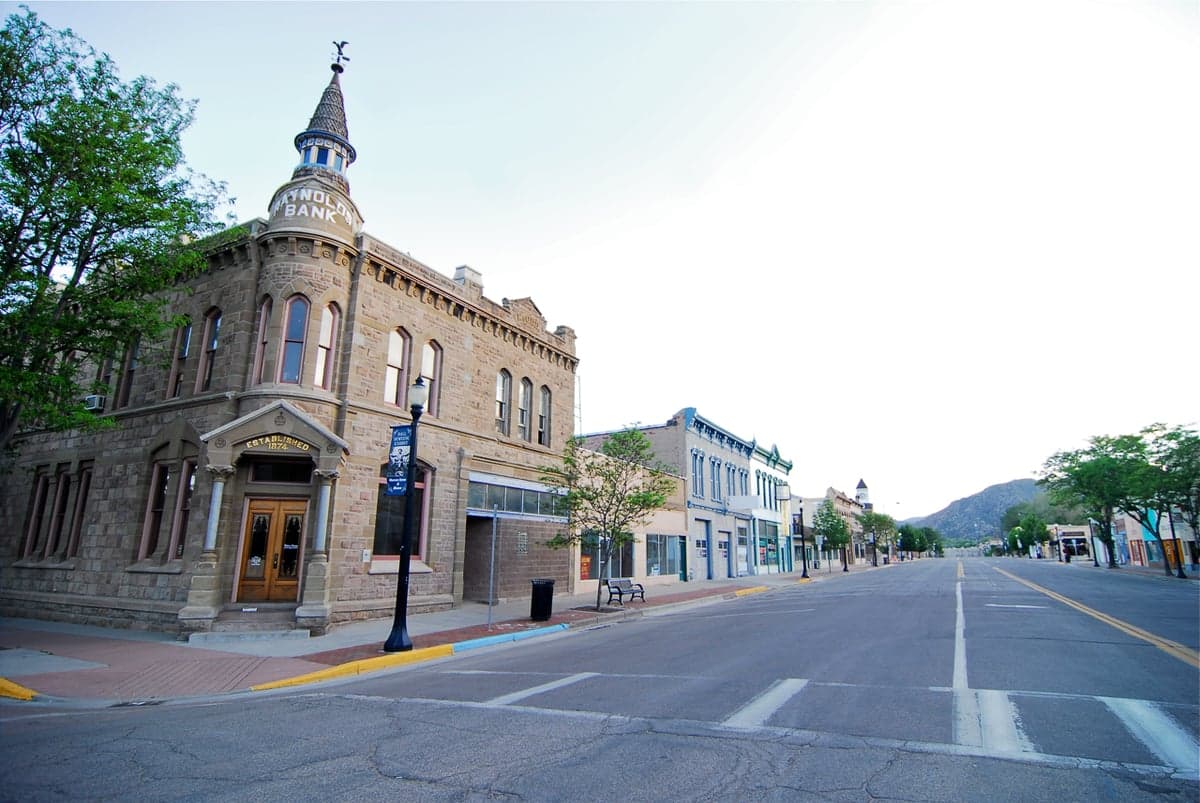
Photo: Wikipedia
Quality of Life in Canon City, CO
Above-average quality of iife. The area offers a reasonable cost of living, decent mobility, and a mix of neighborhood amenities.
What does Quality of Life tell us?
Quality of Life blends cost of living, nearby amenities, socioeconomic signals, and neighborhood character. City-level scores represent the whole municipality; individual neighborhoods can differ.
What does this tell us?
Quality of Life blends cost of living, nearby amenities, socioeconomic signals, and neighborhood character. City-level scores represent the whole municipality; individual neighborhoods can differ.
Cost of Living
59% above national average
The Real Cost of Living in Canon City, CO for 2026
| Tier | Individual | Family (4) |
|---|---|---|
| Survival | $27k | $51k |
| Comfortable | $98k | $143k |
| Luxury | $167k+ | $259k+ |
| Elite (Top 5%) | $198k+ | $307k+ |
64%
The Area Signal
A metric tracking the socioeconomic signals of the area.
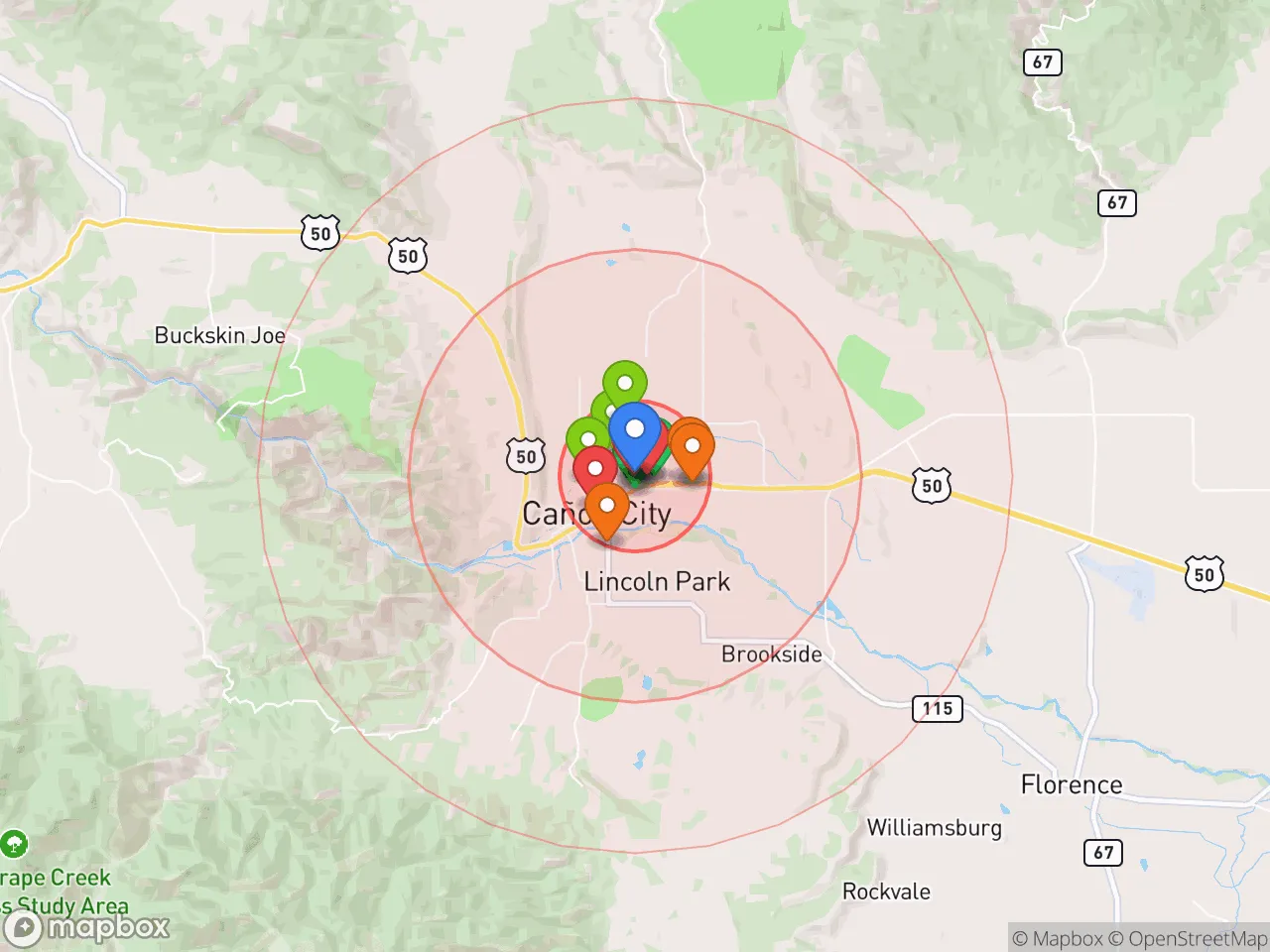
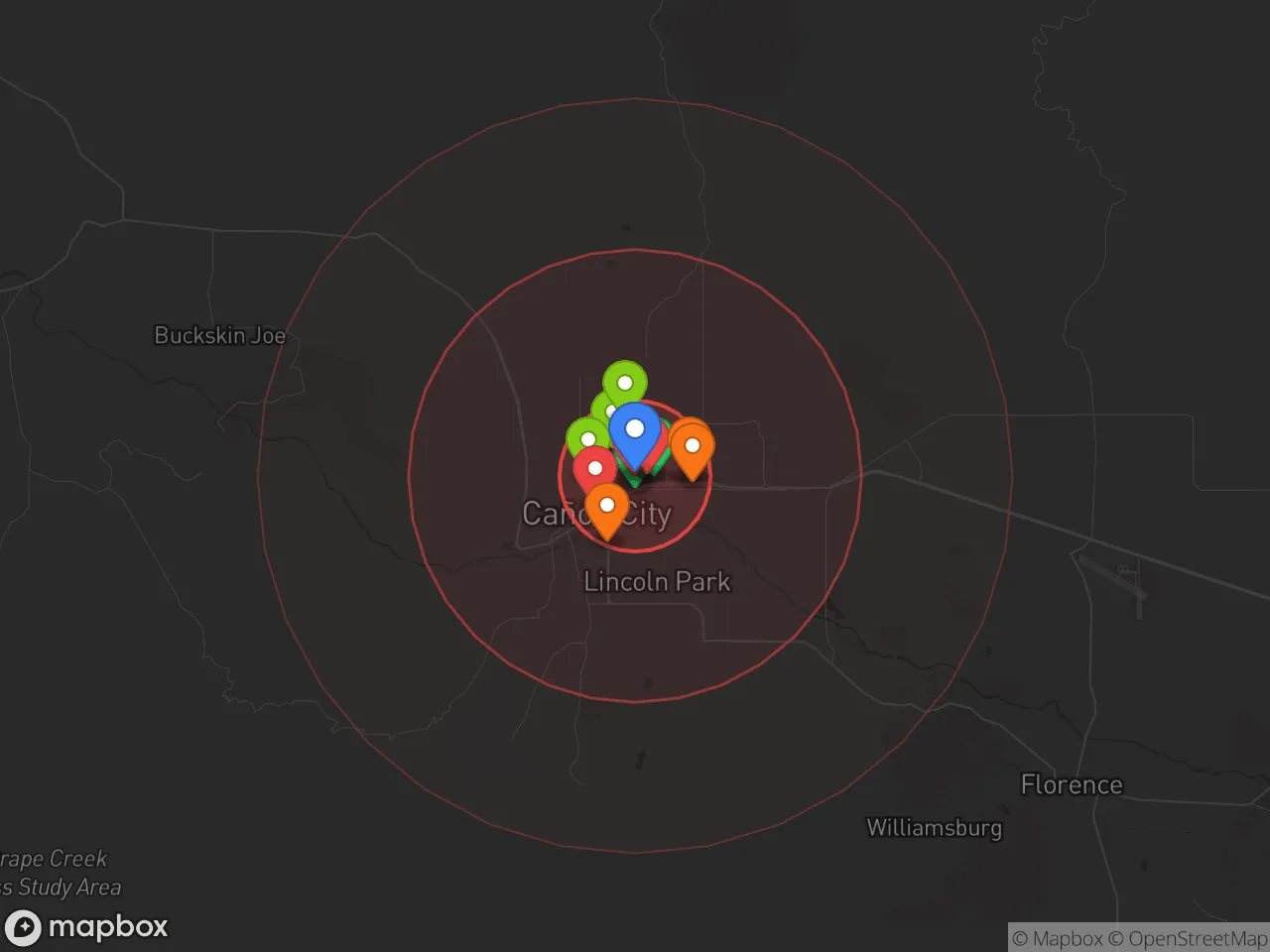
Hobbies
Explore the areaGroceries
4 within 10 miles
Gas
12 within 10 miles
Hospital
1 within 20 miles
Airport
SAN — San Luis Valley Regional
Post Office
USPS — Canon City, CO
Critical Amenities
Quality-of-Life Analysis
Canon City, Colorado, presents a quality of life defined by a blend of small-town affordability and access to dramatic natural landscapes, attracting a mix of retirees, outdoor recreationists, and families seeking a slower pace. With a cost of living index of 159 (100 = U.S. average), the city is notably more expensive than the national norm but remains a relative bargain compared to Colorado’s Front Range hubs like Denver or Colorado Springs. The population skews older and more established, with a median age around 42, and the local economy is anchored by tourism, corrections (the state prison system), and healthcare rather than high-tech or corporate sectors.
Cost of living, housing affordability, and how Canon City compares to nearby areas
Canon City’s cost of living is significantly above the national average, driven primarily by housing. The median home value sits at $502,200, which is roughly 40% higher than the U.S. median but still substantially lower than Colorado’s state median of about $580,000. For renters, the median rent of $1,693 is a steep increase from the national median of roughly $1,200, though it undercuts nearby Colorado Springs (median rent ~$1,900) and Pueblo (~$1,400). The average commute of 25.5 minutes is slightly longer than the national average of 26 minutes, reflecting the area’s rural layout and limited public transit; most residents drive to work, often to jobs in Cañon City itself or to Fremont County’s smaller communities. Compared to the Front Range, where commutes of 30–45 minutes are common, Canon City offers a shorter, less congested drive, but the trade-off is fewer local employment options and a higher reliance on personal vehicles.
Local amenities, schools, and what daily life is like for families and retirees
Daily life in Canon City revolves around outdoor access and a modest downtown core. The city is the gateway to the Royal Gorge Bridge and Park, and residents frequently hike, fish, and raft on the Arkansas River. The Canon City School District (RE-1) serves about 3,800 students, with Cañon City High School earning a 7/10 rating on GreatSchools, though test scores in math and reading lag behind state averages. For healthcare, St. Thomas More Hospital provides emergency and primary care, but specialists often require a drive to Pueblo (45 minutes) or Colorado Springs (1 hour). Shopping and dining are limited to local businesses and a Walmart Supercenter; for major retail or entertainment, residents typically head to Pueblo. The rhythm is quiet and unhurried, with community events like the Blossom Festival and the Music & Blossom Festival drawing crowds, but nightlife is sparse. Retirees appreciate the low crime rate relative to national averages (violent crime is about 30% below the U.S. rate), while families note that after-school activities and youth sports are available but not as abundant as in larger metro areas.
Canon City is best suited for those who prioritize outdoor recreation, a slower lifestyle, and lower housing costs relative to Colorado’s Front Range, while accepting trade-offs in job diversity, shopping options, and school performance. Retirees and remote workers with stable incomes will find the affordability and natural beauty compelling, but families seeking top-tier schools or young professionals chasing career growth may feel constrained. The city’s isolation from major employment centers means that commuting to Pueblo or Colorado Springs is feasible but adds time and expense, making it a better fit for those who already have local jobs or can work remotely. For anyone drawn to canyon hiking, river rafting, and a tight-knit community, Canon City offers a distinct quality of life that balances cost with access to Colorado’s iconic landscapes.

Crime in Canon City, CO
Higher crime rates than 68% of comparable U.S. locations.
Violent CrimeViolent Crime Analysis
Property CrimeProperty Crime Analysis
Crime Analysis
Canon City, Colorado, reports a violent crime rate of 811.3 incidents per 100,000 residents and a property crime rate of 3,401.5 per 100,000, placing it significantly above both state and national averages for a community of its size. These figures, drawn from the most recent FBI Uniform Crime Reporting data, indicate that residents face a notably higher risk of victimization compared to the typical Colorado town. The city’s proximity to the larger Pueblo and Colorado Springs metro areas, combined with local justice system policies, contributes to a safety environment that warrants careful consideration for anyone evaluating relocation.
Crime in context
Canon City’s violent crime rate is roughly 2.3 times the national average and substantially higher than the Colorado state average of approximately 410 per 100,000. Property crime, including burglary, larceny, and motor vehicle theft, runs nearly 1.8 times the national rate. These numbers place Canon City among the higher-crime municipalities in Fremont County. The presence of multiple state correctional facilities within the city limits—including the Colorado State Penitentiary and Centennial Correctional Facility—creates a unique dynamic, as the inmate population is not counted in the residential crime statistics but can influence transient activity and parolee re-entry patterns in the area.
What residents experience
Daily life for Canon City residents involves a heightened awareness of personal and property security. Theft from vehicles and residential burglaries are the most commonly reported property crimes, often concentrated near the downtown corridor and along U.S. Highway 50. Violent offenses, while less frequent than property crimes, include aggravated assault and robbery, with incidents often linked to drug-related activity. The local judicial environment, influenced by broader progressive trends in Colorado’s justice system, has seen a focus on diversion programs and reduced sentencing for non-violent offenders. Critics argue this approach, while sympathetic to offenders, leads directly to more criminals on the street and negatively impacts justice for victims and the public, as repeat offenders cycle through the system without meaningful deterrents. Residents frequently cite a visible law enforcement presence as a mitigating factor, but response times can vary in outlying neighborhoods.
Neighborhood-level variation
Safety conditions are not uniform across Canon City. The historic downtown and areas immediately adjacent to the prison complex report the highest concentrations of property crime and public intoxication incidents. In contrast, the more residential neighborhoods on the city’s west side, near the Royal Gorge Bridge and along the Arkansas River, experience notably lower crime rates. The South Canon area, with its newer subdivisions, also tends to see fewer incidents. Prospective residents should examine block-level crime maps and consider that homes closer to major thoroughfares and commercial corridors carry a statistically higher risk of property crime. Engaging with local neighborhood watch groups and the Canon City Police Department’s community outreach can provide a more granular understanding of specific street-level safety.
* Values derived from national, state, county, city and local statistics and may differ in a specific area. Last updated: 2026-09-21T19:02:37.000Z
Narrative content on this page is AI-generated and may contain mistakes. Verify any details that matter before acting on them.
ReloMaps may earn a commission from affiliate links at no extra cost to you.

