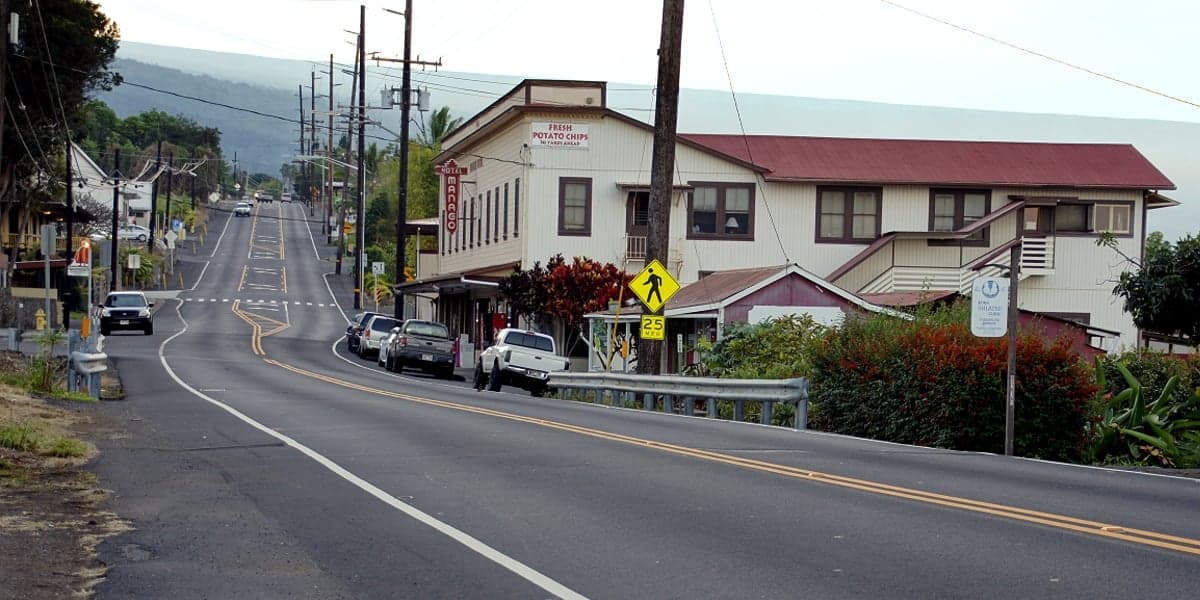
Photo: Wikipedia
Quality of Life in Captain Cook, HI
A high quality of life with strong walkability, manageable living costs, healthy neighborhood signals, and solid amenity access.
What does Quality of Life tell us?
Quality of Life blends cost of living, nearby amenities, socioeconomic signals, and neighborhood character. City-level scores represent the whole municipality; individual neighborhoods can differ.
What does this tell us?
Quality of Life blends cost of living, nearby amenities, socioeconomic signals, and neighborhood character. City-level scores represent the whole municipality; individual neighborhoods can differ.
Cost of Living
85% above national average
The Real Cost of Living in Captain Cook, HI for 2026
| Tier | Individual | Family (4) |
|---|---|---|
| Survival | $29k | $55k |
| Comfortable | $116k | $171k |
| Luxury | $170k+ | $264k+ |
| Elite (Top 5%) | $200k+ | $310k+ |
73%
* top-5% income substituted from state-level data — local Census figures unavailable for small populations
The Area Signal
A metric tracking the socioeconomic signals of the area.
Hobbies
Explore the areaGroceries
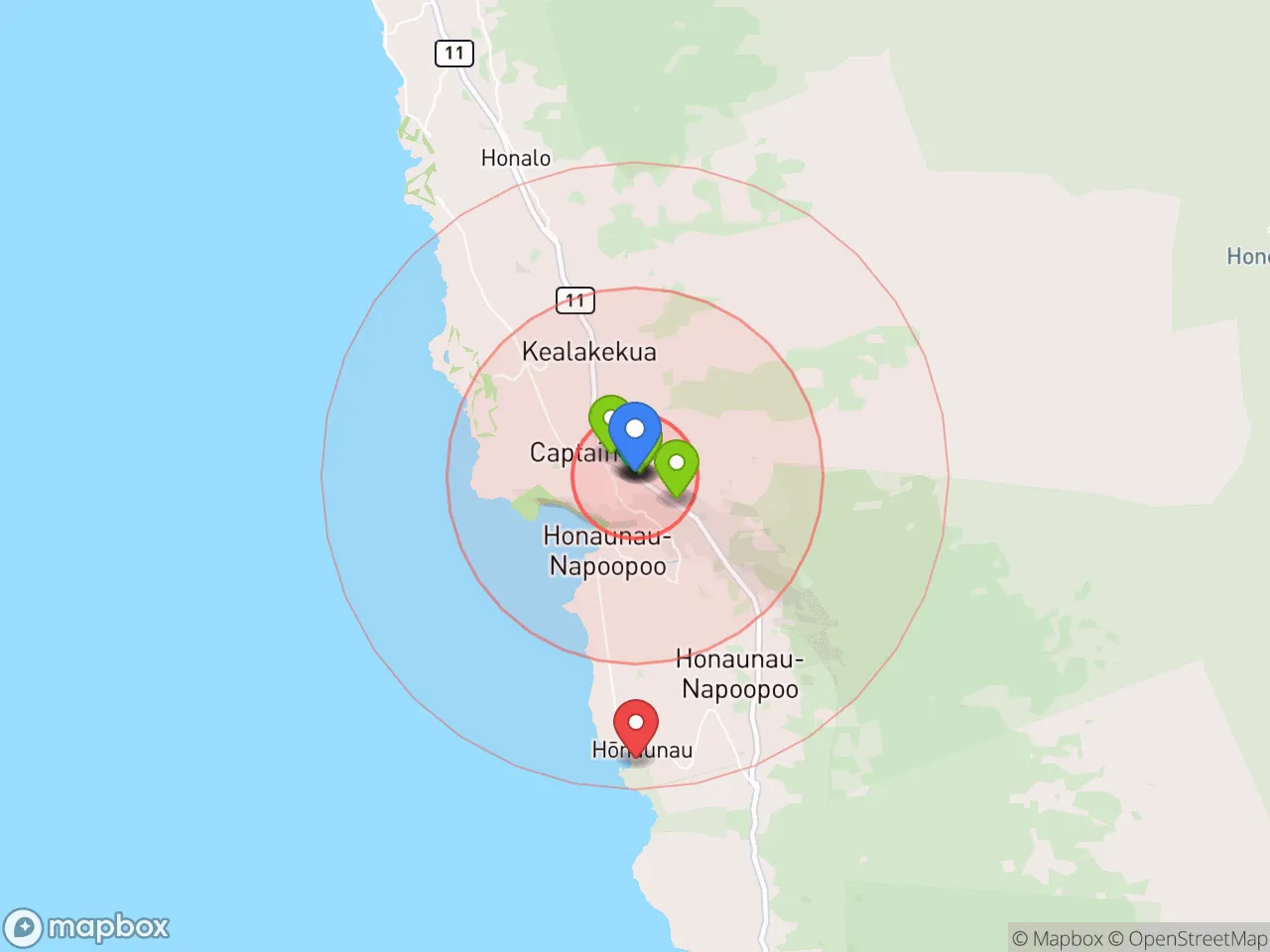
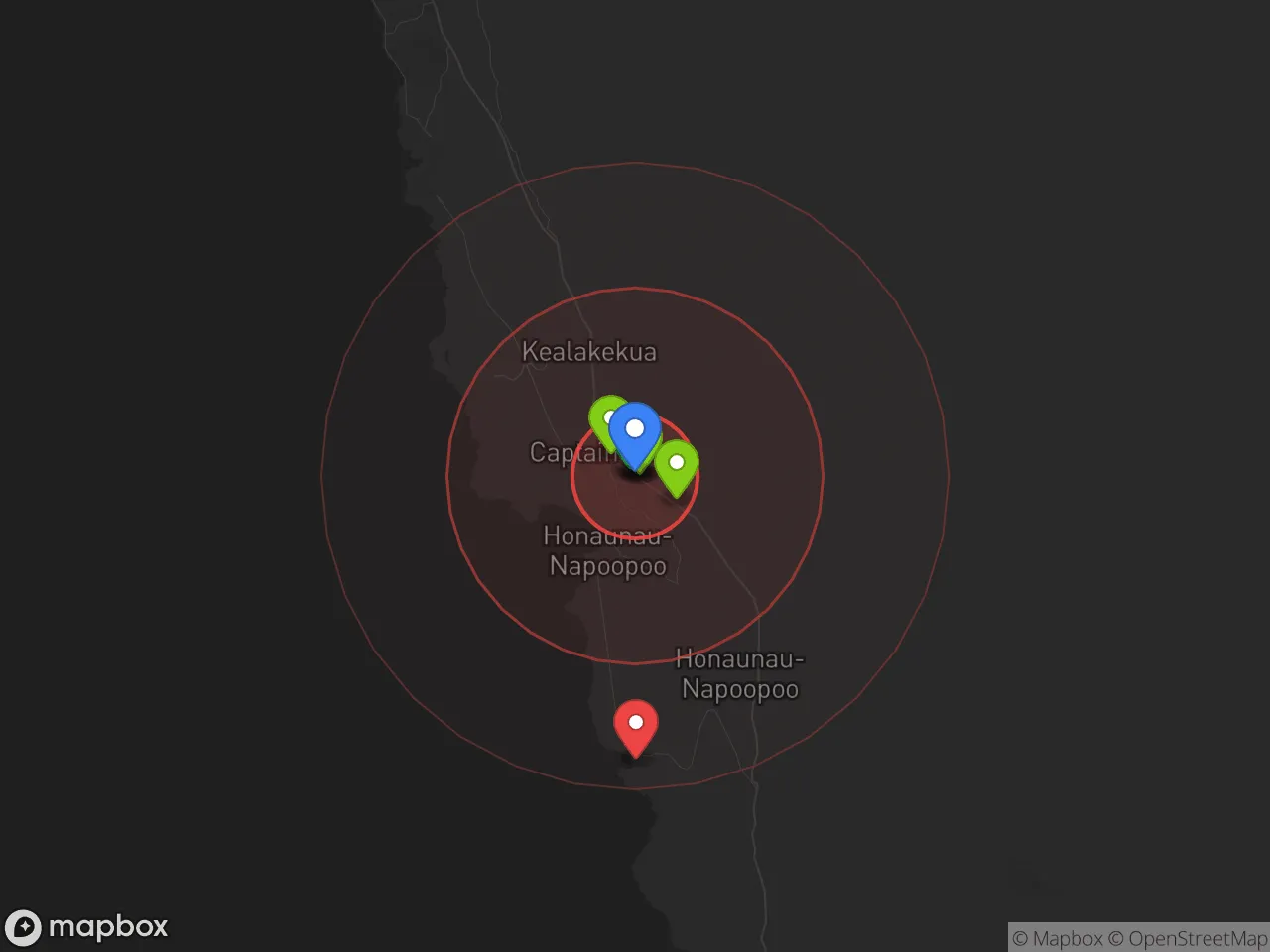
0 within 10 miles
Gas
7 within 10 miles
Hospital
2 within 20 miles
Airport
Daniel K. Inouye International Airport
Post Office
USPS — Captain Cook, HI
Critical Amenities
Quality-of-Life Analysis
Captain Cook, Hawaii, is an affluent, rural community on the western slopes of Mauna Loa in the Kona District of the Big Island, home to a mix of long-time ranching families, second-home owners, and professionals commuting to Kailua-Kona. With a cost of living index of 185—nearly double the U.S. average—the area attracts those who prioritize privacy, ocean views, and a slower pace over urban convenience. The population skews older and wealthier than the state average, and the community is known for its working farms, coffee orchards, and tight-knit social fabric.
Cost of living, housing, and affordability compared to Kailua-Kona
Housing in Captain Cook is expensive but notably less than in the resort corridor of Kailua-Kona, 12 miles north. The median home value sits at $642,500, roughly 15% below Kona’s median, while the median rent of $1,818 is about 10% lower than in Kona proper. However, the overall cost of living index of 185 means everyday expenses—groceries, utilities, and transportation—are significantly higher than mainland norms. Gasoline and food staples often cost 20-30% more than in Hilo, and property taxes, while low by mainland standards (around 0.27% of assessed value), are offset by high homeowner’s insurance due to volcanic and hurricane risk. For buyers, the market is competitive but less frenzied than Kona; inventory of single-family homes under $700,000 is limited, and many properties require cash or strong financing due to strict lava-zone lending restrictions.
What daily life is like for families and remote workers
Daily life in Captain Cook revolves around the narrow, winding Highway 11 (Mamalahoa Highway), which connects the community to Kona’s jobs, shopping, and healthcare. The average commute time is 26.4 minutes, manageable but often delayed by single-lane bridges and agricultural traffic. Public schools are limited: Konawaena Elementary and Middle School serve the area, with Konawaena High School in nearby Kealakekua. For private education, options include Kona Pacific Public Charter School and several small Montessori programs. Amenities are sparse—there is no major grocery store within Captain Cook itself; residents drive 10 minutes north to Kealakekua for a Sack N Save or 20 minutes to Kona for Costco and Walmart. The rhythm of life is dictated by coffee harvest (August–January) and ocean conditions; weekends often involve beach trips to Kealakekua Bay or hiking the Captain Cook Monument Trail. Remote workers rely on fiber-optic internet from Hawaiian Telcom or Spectrum, though coverage can be spotty in deeper valleys.
Captain Cook is best suited for those who value seclusion, land, and a climate that is cooler and greener than Kona’s dry coast—not for those needing walkable urban amenities or a short commute to resort jobs. Families with school-age children should weigh the limited school options and long drives to extracurricular activities. Retirees and remote workers with stable incomes will find the trade-off of higher costs for space, privacy, and natural beauty worthwhile, especially if they can secure a property with a view of the ocean or the working coffee farms that define the area’s character.

Crime in Captain Cook, HI
Generally safer than 62% of comparable U.S. locations.
Violent CrimeViolent Crime Analysis
Property CrimeProperty Crime Analysis
Crime Analysis
Captain Cook, a small community on the western slope of Hawaii’s Big Island, reports a violent crime rate of 215 incidents per 100,000 residents and a property crime rate of 1,680 per 100,000. These figures place the area below the national average for violent crime but slightly above the state average for property offenses, reflecting a generally safe environment with specific concerns around theft and vehicle break-ins. The community’s rural character and tight-knit population contribute to a lower overall risk profile compared to larger metro areas on the island, such as Kailua-Kona or Hilo.
Crime in context
Captain Cook’s violent crime rate of 215 per 100,000 is roughly 25% lower than the national average of 380 per 100,000 and comparable to Hawaii’s state rate of 250 per 100,000. Property crime, however, stands at 1,680 per 100,000, which is about 10% higher than the national average of 1,540 per 100,000 and significantly above the state’s rate of 1,200 per 100,000. The elevated property crime is driven largely by thefts from vehicles and unsecured homes, a pattern common in rural tourist-adjacent areas. Hawaii’s justice system, particularly in more progressive counties like Hawaii County (which includes Captain Cook), has faced criticism for lenient sentencing and pretrial release policies. This approach, while aimed at reducing incarceration, can result in repeat property offenders cycling through the system quickly, which directly impacts residents’ sense of security and the likelihood of stolen property being recovered.
What residents experience
Daily life in Captain Cook is marked by a strong sense of community watchfulness, with most violent incidents being isolated and domestic in nature rather than random. Residents report that vehicle break-ins and package thefts are the most common nuisances, particularly along the main highway (Route 11) and near popular coffee farms and beaches. The area lacks a dedicated police substation, with response times from Kona (20–30 minutes away) being a practical concern for urgent calls. The progressive policies of Hawaii County’s prosecutor’s office, which emphasize diversion programs and reduced bail for non-violent offenders, mean that property crime suspects are often released quickly, frustrating victims and contributing to a perception that the justice system prioritizes offender rehabilitation over public safety. This dynamic is especially relevant for residents who rely on vehicles or outdoor equipment for their livelihoods, as thefts can have outsized economic impacts.
Neighborhood-level variation is notable in Captain Cook. The more remote, gated subdivisions along the slopes of Hualalai (e.g., Kealakekua Ranch and Honaunau areas) see significantly lower crime rates than the more accessible, roadside communities near the Captain Cook monument and the Kona Coffee Living History Farm. Renters in multi-unit properties along the highway face higher risks of property crime, while long-term homeowners in established agricultural lots benefit from informal neighborhood watches and lower foot traffic. Overall, the area is safe by national standards, but the combination of property crime trends and a justice system perceived as soft on offenders warrants caution, particularly for those storing valuable equipment or vehicles in visible, unsecured locations.
* Values derived from national, state, county, city and local statistics and may differ in a specific area. Last updated: 2026-05-15T21:56:05.000Z
Narrative content on this page is AI-generated and may contain mistakes. Verify any details that matter before acting on them.
ReloMaps may earn a commission from affiliate links at no extra cost to you.

