Find The Best Places To Live
in Hilo
PRO TIP! You can paste a Zillow or Redfin link to get info on that property.
What It's Like Living in Hilo, HI
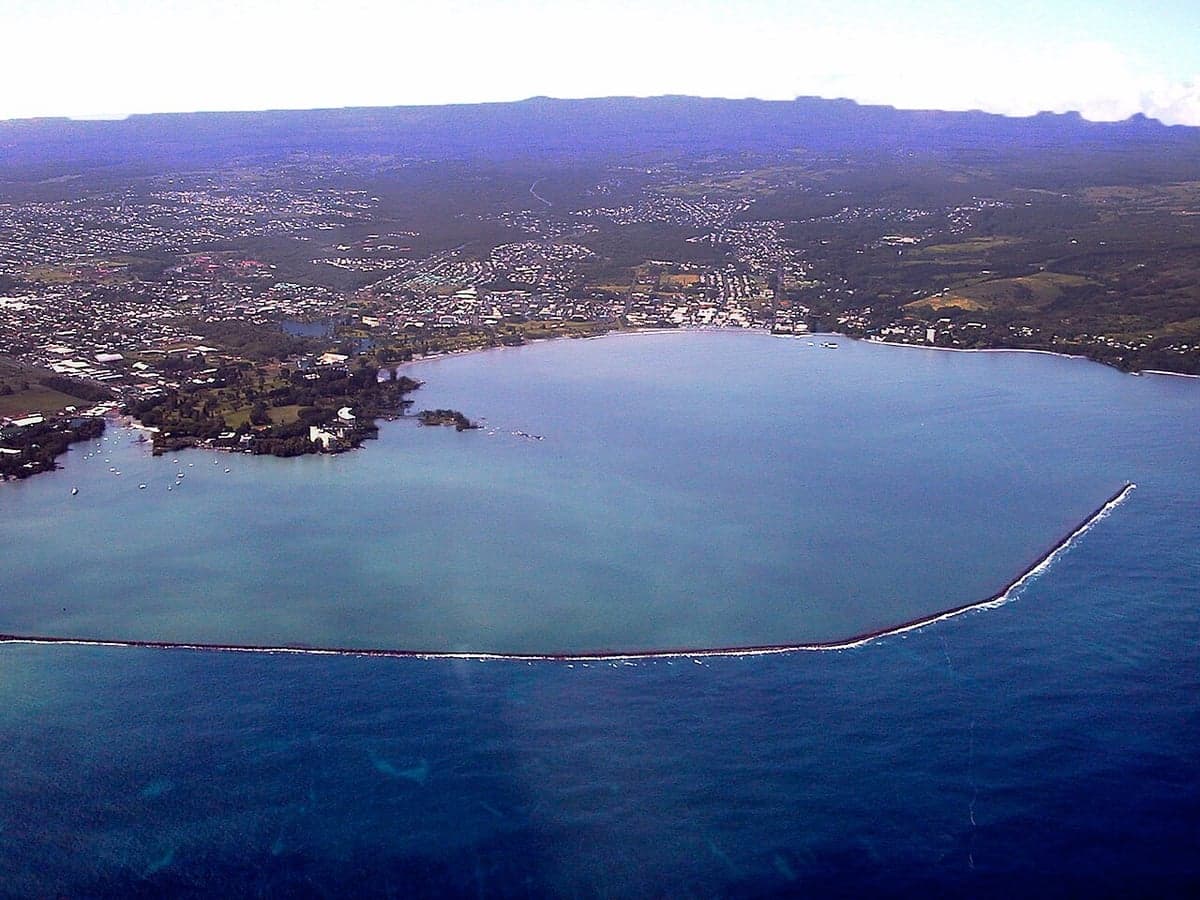
Hilo moves at a different pace than the rest of Hawaii—slower, rainier, and far less polished than the resort side of the Big Island. It’s a working town where the main drag, Kamehameha Avenue, still feels like old Hawaii, with mom-and-pop shops, plate lunch counters, and the occasional rooster crossing the street. If you’re looking for a place that rewards patience, community ties, and a tolerance for humidity, Hilo might surprise you.
The Daily Rhythm: What People Actually Do
Life in Hilo revolves around the outdoors and the kitchen table. Mornings often start with a run along Banyan Drive, past the iconic banyan trees planted by celebrities in the 1930s, or a walk through Lili‘uokalani Gardens. The Hilo Farmers Market is a Saturday ritual—locals grab fresh lychee, rambutan, and papaya, plus handmade lauhala baskets. Weekends are for hiking: the ‘Akaka Falls trail is a 15-minute drive, and the Kīlauea Iki Trail in Volcanoes National Park is an hour away, offering a surreal walk across a cooled lava crater. Evenings tend to be low-key—dinner at Cafe 100 for a loco moco, or Pineapples Island Fresh Cuisine for ahi poke and live Hawaiian music on the lanai. The median age here is 42.6, and the vibe leans toward families and retirees who value quiet over nightlife.
Sports, Community, and the Local Identity
High school sports are the heartbeat of Hilo’s competitive scene. Hilo High School Vikings football games on Friday nights draw big crowds, especially when they face cross-town rival Waiākea High School. The University of Hawaii at Hilo (UHH) Vulcans field Division II teams in basketball, volleyball, and baseball—attendance is modest but passionate, with the baseball team often playing at Wong Stadium. There’s no pro sports, but the Big Island Marathon and the Hilo to Volcano 50K ultramarathon bring out serious runners. The town’s identity is deeply tied to the land: the Merrie Monarch Festival each April is a week-long hula competition that draws thousands, and locals treat it like the Super Bowl. If you don’t know the difference between ‘auana and kahiko hula, you’ll learn fast.
What’s There to Do: Festivals, Parks, and Hangouts
Beyond the farmers market and hiking, Hilo has a handful of can’t-miss spots and annual events. Richardson Ocean Park is the go-to black-sand beach for swimming and turtle spotting, though the water can be rough in winter. Carlsmith Beach Park offers a protected lagoon that’s perfect for families. The Hilo Brewing Company on Kilauea Avenue serves a solid hazy IPA and is a popular after-work hangout. For music, the Palace Theater hosts indie films and live acts, while the Hilo Town Tavern is a dive bar with karaoke on weekends. The Hilo International Film Festival in November screens Pacific-focused documentaries. A quick list of standout local spots:
- Cafe 100 – the loco moco is legendary, and a plate runs under $10.
- Suisan Fish Market – buy fresh ahi straight off the boat, or grab a poke bowl.
- Rainbow Falls – a 5-minute drive from downtown; best seen in the morning when the sun hits the mist.
- Volcano Art Center – inside the national park, features local painters and woodworkers.
Pros and Cons of Living Here
Longtime residents love the genuine community feel—neighbors know each other, and the pace allows for real connection. The cost of living index is 134, notably higher than the mainland average, but median home values sit at $455,100, which is actually affordable by Hawaii standards (compare to Honolulu’s $800K+). The average commute is just 20 minutes, a huge perk for anyone tired of traffic. The violent crime rate is 200.2 per 100,000—above the national average but concentrated in specific areas; most neighborhoods feel safe during the day. The biggest frustration is the rain: Hilo gets over 130 inches annually, and the gray skies can wear on newcomers. The weather also means mold and mildew are constant battles—dehumidifiers are a must. The job market is thin outside of government, healthcare, and tourism; median household income is $78,713, which is decent for the area but doesn’t leave much for savings after housing and food costs. Schools like Hilo High School and Waiākea Elementary are well-regarded, but the district overall struggles with funding and teacher retention.
The Cultural Quirks That Define Hilo
Hilo has a few unwritten rules. Never honk your horn unless it’s a true emergency—it’s considered rude. The phrase “talk story” means hanging out and chatting, often for hours, and it’s how real business gets done. Pidgin English is common in everyday conversation, even among transplants who’ve been here a few years. The Hilo Hattie store on Kamehameha Avenue is a tourist trap, but locals still shop there for aloha shirts and gifts. And if you’re invited to a pā‘ina (a party or potluck), bring a dish—preferably something with fish or fruit from your own backyard. The town’s isolation—it’s a 45-minute drive to Kona over the Saddle Road—means you learn to appreciate what’s here rather than what’s missing. For the right person, that’s the whole point.

Similar towns to Hilo


* Values derived from national, state, county, city and local statistics and may differ in a specific area. Last updated: 2026-04-23T22:53:42.000Z
Narrative content on this page is AI-generated and may contain mistakes. Verify any details that matter before acting on them.
ReloMaps may earn a commission from affiliate links at no extra cost to you.

