 Popular
Photo: Wikipedia
Find The Best Places To Live
in Cedar Park
PRO TIP! You can paste a Zillow or Redfin link to get info on that property.
What It's Like Living in Cedar Park, TX
Cedar Park, Texas, has a reputation as one of those suburbs that actually delivers on the promise of a balanced, family-oriented life without feeling like a bedroom community. It’s a place where the weekly rhythm revolves around youth soccer games, Friday night lights, and weekend trips to the local brewery, all within a 25-minute average commute to Austin or Round Rock. For a certain kind of person—typically a college-educated professional or parent in their late 30s—Cedar Park feels less like a compromise and more like a deliberate choice.
The Daily Rhythm: Work, School, and the Weekend Circuit
Life here moves at a pace that’s noticeably slower than downtown Austin but busier than the rural towns to the north. Most residents work in tech, healthcare, or professional services, with a median household income of $123,972—well above the national average. The morning commute is a real factor: the average drive time is about 26 minutes, and while that’s manageable, the stretch of US-183A and FM 1431 can get frustrating during peak hours. Schools are the community’s backbone; the Leander ISD system is a major draw, and you’ll see parents deeply involved in PTA meetings and booster clubs. After school, kids flood the parks—Brushy Creek Lake Park and Veterans Memorial Park are the go-to spots for weekend picnics, disc golf, and paddleboarding on the lake.
Weekends often start with a run on the Brushy Creek Regional Trail, followed by brunch at a place like Whitestone Brewery or the laid-back Dig Pub. The restaurant scene is solid but not flashy—think family-run taquerias, barbecue joints like Interstellar BBQ (a James Beard-recognized spot), and chain favorites like Torchy’s Tacos. For groceries, H-E-B is the local institution, but you’ll also find a Whole Foods and a growing number of specialty markets. The cost of living index sits at 158 (100 is the US average), which stings a bit—especially for housing—but residents often say the trade-off is worth it for the schools and safety.
Sports, Community, and the Friday Night Lights Culture
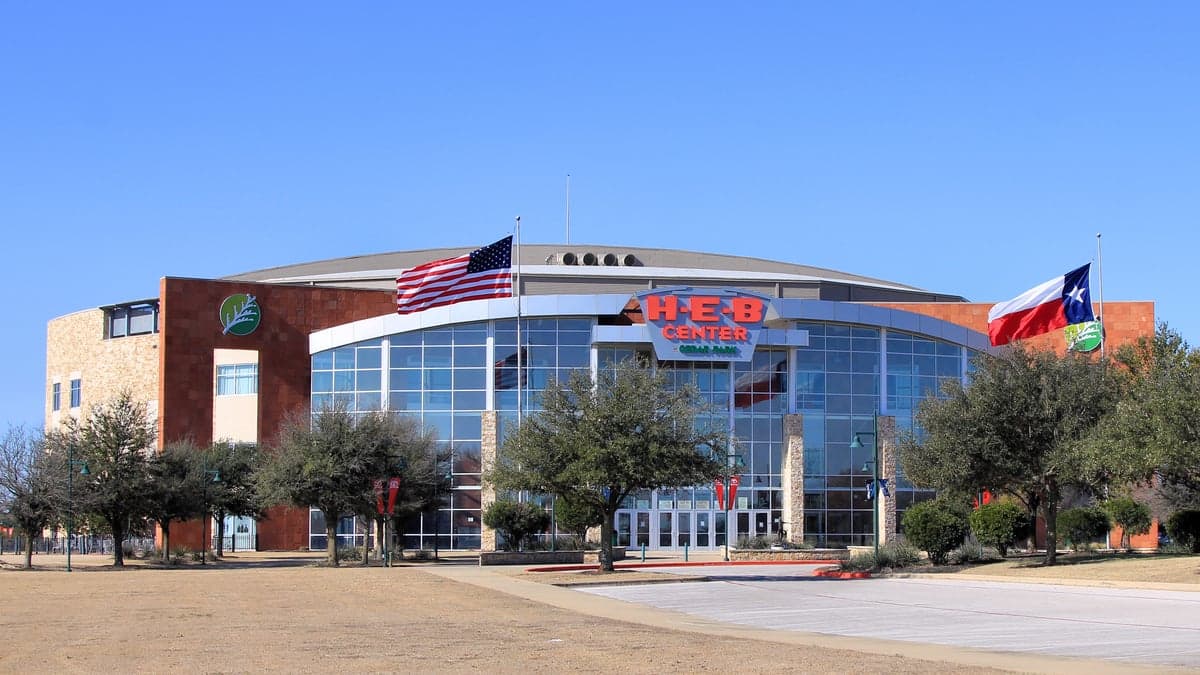
If there’s one thing that defines Cedar Park’s social calendar, it’s high school sports. The Cedar Park Timberwolves and Vista Ridge Rangers football games draw huge crowds, and the energy is genuine—not just a nostalgia act. The H-E-B Center at Cedar Park is the crown jewel of local entertainment: it’s home to the Texas Stars (AHL hockey) and the Austin Spurs (NBA G League), and it hosts concerts from country acts to classic rock. On any given Friday night, you might see families tailgating in the parking lot before a hockey game, then heading to Hat Creek Burger Company for a post-game meal. The city also throws a big annual Red, White & Blue Festival on July 4th, with fireworks over the lake, and the Cedar Park BBQ & Music Festival draws crowds in the fall.
For a suburb of 77,474 people, the sports culture is unusually deep. Youth leagues—soccer, baseball, lacrosse—are hyper-organized, and parents often joke that their weekends are a shuttle service between fields. The median age of 37.5 reflects this family-first stage of life. It’s not a place for nightlife in the traditional sense; bars like The Dig Pub or Red Horn Coffee House & Brewing Co. are more about conversation and board games than loud parties. The kind of person who fits in here is someone who values a safe, predictable routine—someone who’d rather spend Saturday at a kid’s game than at a downtown club.
What’s There to Do: Parks, Festivals, and the Outdoor Life
Outdoor recreation is a major draw. Brushy Creek Lake Park offers paddleboarding, fishing, and a 3.5-mile hike-and-bike trail that connects to the larger regional trail system. Lakeline Park has a massive playground and sports fields, while Southwest Williamson County Regional Park (just a few minutes away) has a dog park, disc golf, and a swimming beach. The Lake Travis area is a 20-minute drive for boating and water sports, and the Hill Country wineries are a popular day trip. For indoor entertainment, the Lakeline Mall is a standard suburban mall, but locals prefer the Cedar Park Town Center for its mix of shops and restaurants.
The cultural quirks here are subtle but real. There’s a strong sense of local identity tied to the Cedar Park name—people are proud it’s not just “another Austin suburb.” You’ll see “Keep Cedar Park Weird” bumper stickers as a playful nod to Austin’s motto, but the vibe is more orderly and conservative. The city leans right politically, and you’ll notice a lot of church involvement in community events. The weather is classic Central Texas: hot summers (90s-100s from June to September), mild winters (40s-60s), and a spring that brings bluebonnets and occasional tornado warnings. The heat is a real factor—most outdoor activities happen early morning or after sunset from May through October.
Pros and Cons of Living Here
- Pros: Excellent schools (Leander ISD is consistently rated among the top in Texas); very low violent crime rate (87.9 per 100,000—about a third of the national average); strong job market within a short commute; abundant parks and trails; a genuine community feel with regular festivals and events.
- Cons: High cost of living (median home value $474,800—steep for a suburb, though still cheaper than Austin proper); traffic on US-183A and FM 1431 during rush hour; limited nightlife and dining variety compared to Austin; summer heat can be oppressive; property taxes are high (Texas has no state income tax, but property taxes are among the highest in the nation).
Longtime residents love the safety and the schools, but they often grumble about the rising home prices and the fact that the city has grown so fast that infrastructure sometimes lags. The 55.2% college-educated population means you’ll find plenty of neighbors who work in tech or healthcare, and the community is generally well-informed and engaged. If you’re a single person looking for a vibrant nightlife or a young professional wanting urban energy, Cedar Park will feel too quiet. But if you’re a parent or a couple planning a family, or someone who values a clean, safe, and predictable environment with good schools and outdoor access, it’s hard to beat. The trade-off is clear: you trade the buzz of the city for the comfort of a community that feels like it’s looking out for each other.

Similar small cities to Cedar Park
* Values derived from national, state, county, city and local statistics and may differ in a specific area. Last updated: 2026-04-19T07:21:43.000Z
Narrative content on this page is AI-generated and may contain mistakes. Verify any details that matter before acting on them.
ReloMaps may earn a commission from affiliate links at no extra cost to you.

