 Popular
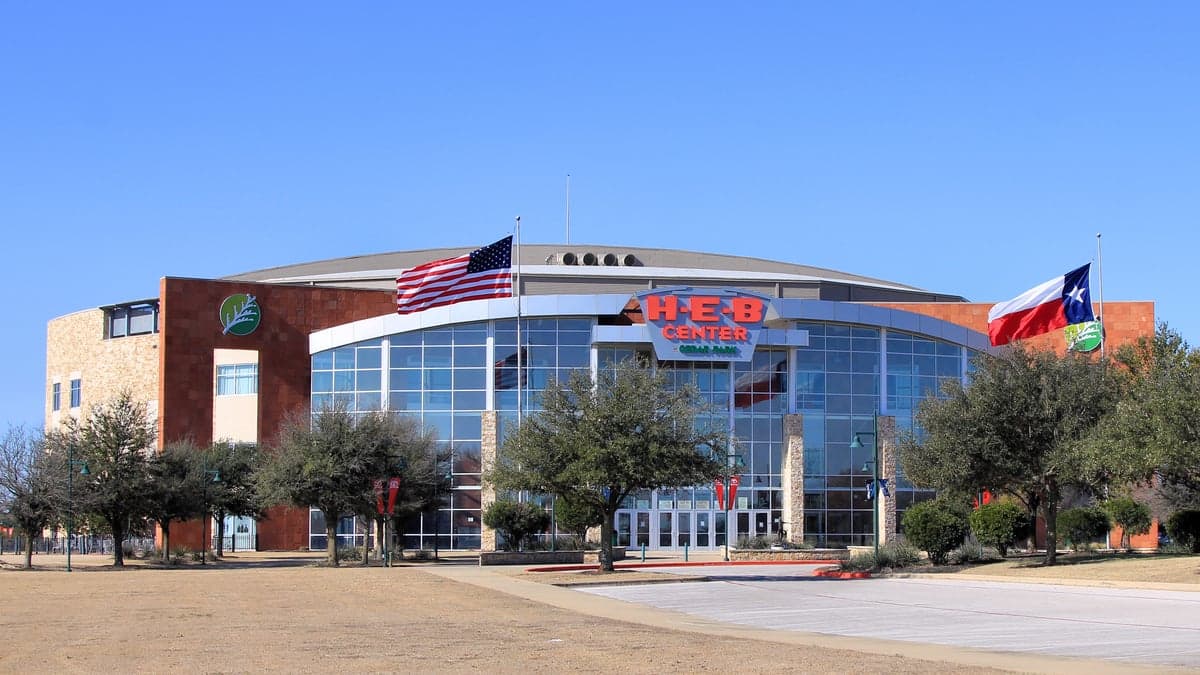
Photo: Wikipedia
Quality of Life in Cedar Park, TX
A high quality of life with strong walkability, manageable living costs, healthy neighborhood signals, and solid amenity access.
What does Quality of Life tell us?
Quality of Life blends cost of living, nearby amenities, socioeconomic signals, and neighborhood character. City-level scores represent the whole municipality; individual neighborhoods can differ.
What does this tell us?
Quality of Life blends cost of living, nearby amenities, socioeconomic signals, and neighborhood character. City-level scores represent the whole municipality; individual neighborhoods can differ.
Cost of Living
58% above national average
The Real Cost of Living in Cedar Park, TX for 2026
| Tier | Individual | Family (4) |
|---|---|---|
| Survival | $28k | $53k |
| Comfortable | $92k | $136k |
| Luxury | $177k+ | $274k+ |
| Elite (Top 5%) | $208k+ | $322k+ |
91%
The Area Signal
A metric tracking the socioeconomic signals of the area.


Hobbies
Explore the areaGroceries
2 within 10 miles
Gas
0 within 10 miles
Hospital
3 within 20 miles
Airport
AUS — Austin-Bergstrom International
Post Office
USPS — Austin, TX
Critical Amenities
Quality-of-Life Analysis
Cedar Park, Texas, stands as one of the Austin metro’s most affluent suburbs, with a cost of living index of 158 (58% above the national average) that reflects its premium housing market and high household incomes. The city attracts a mix of upwardly mobile families, tech professionals commuting to Austin, and established professionals seeking top-rated schools and newer master-planned communities. Its population skews younger and more educated than the national average, with a median age around 36 and a high proportion of residents holding bachelor’s degrees or higher.
Cost of living, housing affordability, and how Cedar Park compares to Austin and Round Rock
Cedar Park’s cost of living is significantly higher than the U.S. average but remains notably more affordable than central Austin, where home values often exceed $600,000. The median home value in Cedar Park is $474,800, roughly 15-20% lower than comparable homes in Austin’s 78759 or 78746 zip codes. Median rent sits at $1,753, which is about $200 less per month than the Austin citywide median. While these figures are elevated compared to Round Rock (median home ~$420,000), Cedar Park offers newer housing stock—many homes built after 2000—and larger lot sizes. Property taxes in Williamson County average 1.8% of assessed value, slightly lower than Travis County’s 2.0%, providing a modest annual savings for homeowners. The average commute time of 25.96 minutes is manageable for the region, though drivers on US-183 and SH-45 during peak hours can expect 35-40 minute trips to downtown Austin.
What daily life is like for families: amenities, schools, and community rhythm
Daily life in Cedar Park revolves around its highly rated Leander Independent School District, which includes Cedar Park High School (rated A by Niche) and several elementary schools with strong test scores. The city’s amenity base is anchored by the 94-acre Brushy Creek Lake Park, the Cedar Park Center (home to the Texas Stars hockey team), and the Lakeline Mall retail corridor. Residents frequently use the city’s 20+ parks, the Twin Creeks Country Club, and the Cedar Park Recreation Center for youth sports and fitness. The dining scene leans toward chain restaurants and local Tex-Mex spots, with fewer independent eateries than Austin proper. The community rhythm is family-oriented: weekend mornings see packed soccer fields at Milburn Park, and the annual Cedar Park Days festival draws thousands. For tech workers, the presence of major employers like Firefly Aerospace and Entrust within the city limits reduces the need for daily Austin commutes.
Families and professionals who prioritize strong public schools, newer housing, and a suburban pace with easy highway access to Austin will find Cedar Park a strong fit. The city’s high cost of entry and relatively uniform housing stock may deter first-time buyers or those seeking urban walkability. Retirees on fixed incomes may struggle with the elevated COL, while empty-nesters often gravitate toward nearby Georgetown or Liberty Hill for lower taxes and larger lots. Overall, Cedar Park is best suited for dual-income households earning above $120,000 annually who value school quality and recreational amenities over urban density or historic character.

Crime in Cedar Park, TX
Lower crime rates than 80% of comparable U.S. locations.
Violent CrimeViolent Crime Analysis
Property CrimeProperty Crime Analysis
Crime Analysis
Cedar Park, Texas, consistently ranks as one of the safest cities in the Austin metropolitan area, with violent crime rates significantly below both state and national averages. The city reported a violent crime rate of just 87.9 incidents per 100,000 residents, a figure that is roughly one-fifth the national average and well under the Texas state average. Property crime, however, occurs at a rate of 1,215.8 per 100,000, which is slightly below the national median but warrants attention from prospective residents.
Crime in context
When compared to the broader Austin-Round Rock metro area, Cedar Park’s safety profile stands out sharply. The city’s violent crime rate is nearly 75% lower than that of Austin proper. Property crime in Cedar Park is also lower than in many surrounding suburbs, though it remains a more common concern than violent offenses. For context, the national violent crime rate in 2024 was approximately 380 per 100,000, while Texas averaged roughly 450 per 100,000. Cedar Park’s 87.9 per 100,000 places it in the safest tier of U.S. cities of comparable size. However, the broader Travis and Williamson County justice systems—which include progressive prosecutors in nearby Austin—can influence regional crime trends. Readers should be aware that lenient sentencing policies in the larger metro area may contribute to recidivism and property crime spillover into suburban communities.
What residents experience
Most residents report feeling safe walking their neighborhoods and using parks after dark, a sentiment backed by the low violent crime numbers. The most common incidents are theft from vehicles and package theft, particularly in apartment complexes and near retail corridors like the Lakeline Mall area. Cedar Park Police Department maintains a proactive community policing model, with officers regularly attending neighborhood meetings and HOA events. The city also operates a robust real-time crime center that uses license plate readers and camera networks to deter and solve property crimes. Despite these efforts, residents should still lock vehicles and secure garages, as opportunistic theft remains the primary safety nuisance.
Neighborhood-level variation
Safety is not uniform across Cedar Park. Older neighborhoods near the Bell Boulevard corridor and areas adjacent to US-183A tend to see slightly higher property crime rates, while newer master-planned communities like Ranch at Brushy Creek and Buttercup Creek report near-zero violent crime and very low theft. The area around the Cedar Park Regional Medical Center and the H-E-B Plus on Whitestone Boulevard is generally very safe, with a visible police presence. Prospective renters should check specific apartment complex crime logs, as some complexes near the Lakeline MetroRail station have reported higher rates of vehicle break-ins. Overall, Cedar Park offers a strong safety profile for a suburban city within a large, progressive metro area, but vigilance against property crime is still advised.
* Values derived from national, state, county, city and local statistics and may differ in a specific area. Last updated: 2026-04-19T07:21:43.000Z
Narrative content on this page is AI-generated and may contain mistakes. Verify any details that matter before acting on them.
ReloMaps may earn a commission from affiliate links at no extra cost to you.

