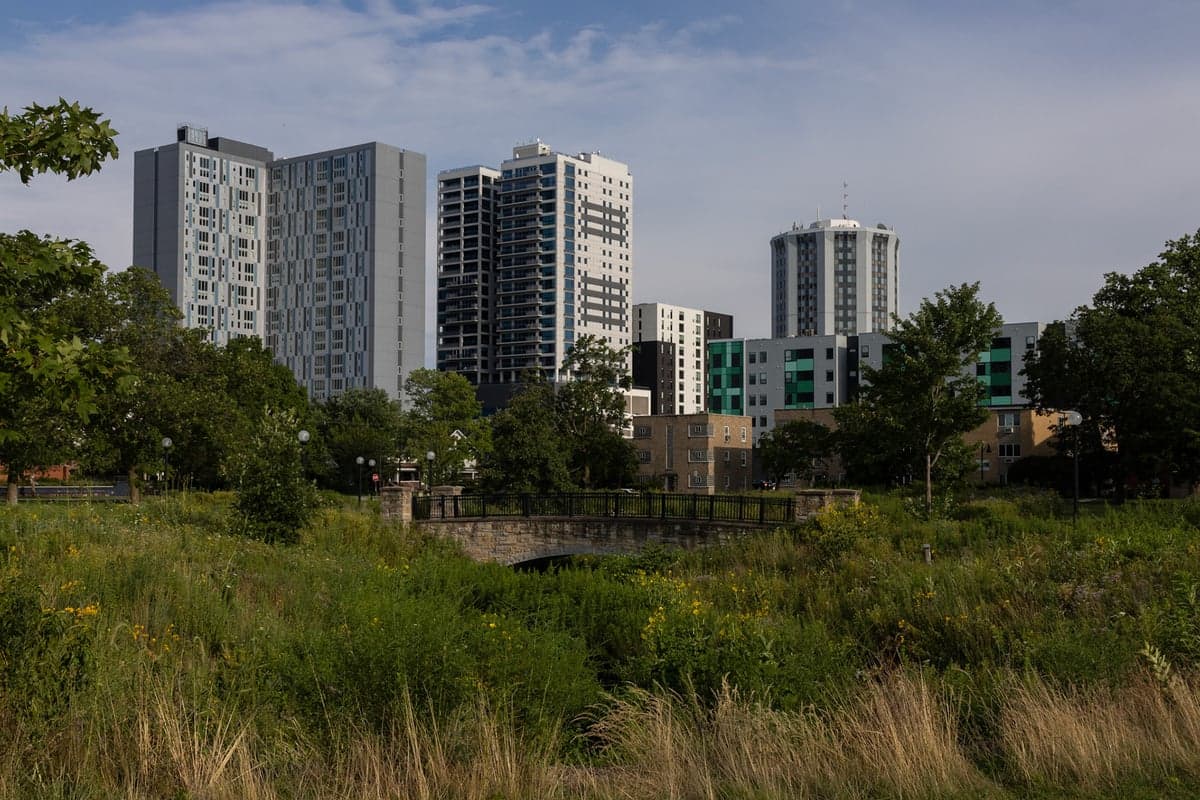
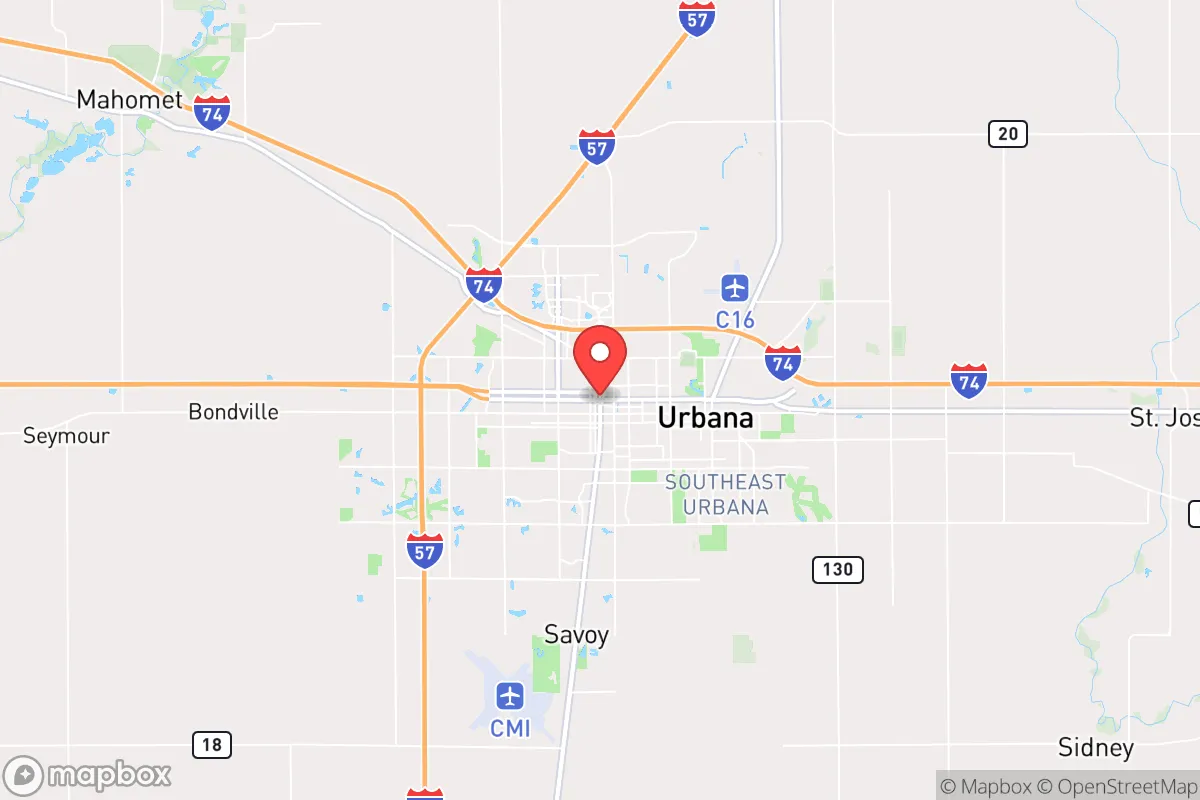

Photo: Wikipedia
Quality of Life in Champaign, IL
Above-average quality of iife. The area offers a reasonable cost of living, decent mobility, and a mix of neighborhood amenities.
What does Quality of Life tell us?
Quality of Life blends cost of living, nearby amenities, socioeconomic signals, and neighborhood character. City-level scores represent the whole municipality; individual neighborhoods can differ.
What does this tell us?
Quality of Life blends cost of living, nearby amenities, socioeconomic signals, and neighborhood character. City-level scores represent the whole municipality; individual neighborhoods can differ.
Cost of Living
15% below national average
The Real Cost of Living in Champaign, IL for 2026
| Tier | Individual | Family (4) |
|---|---|---|
| Survival | $18k | $33k |
| Comfortable | $39k | $57k |
| Luxury | $104k+ | $161k+ |
| Elite (Top 5%) | $154k+ | $238k+ |
101%
The Area Signal
A metric tracking the socioeconomic signals of the area.
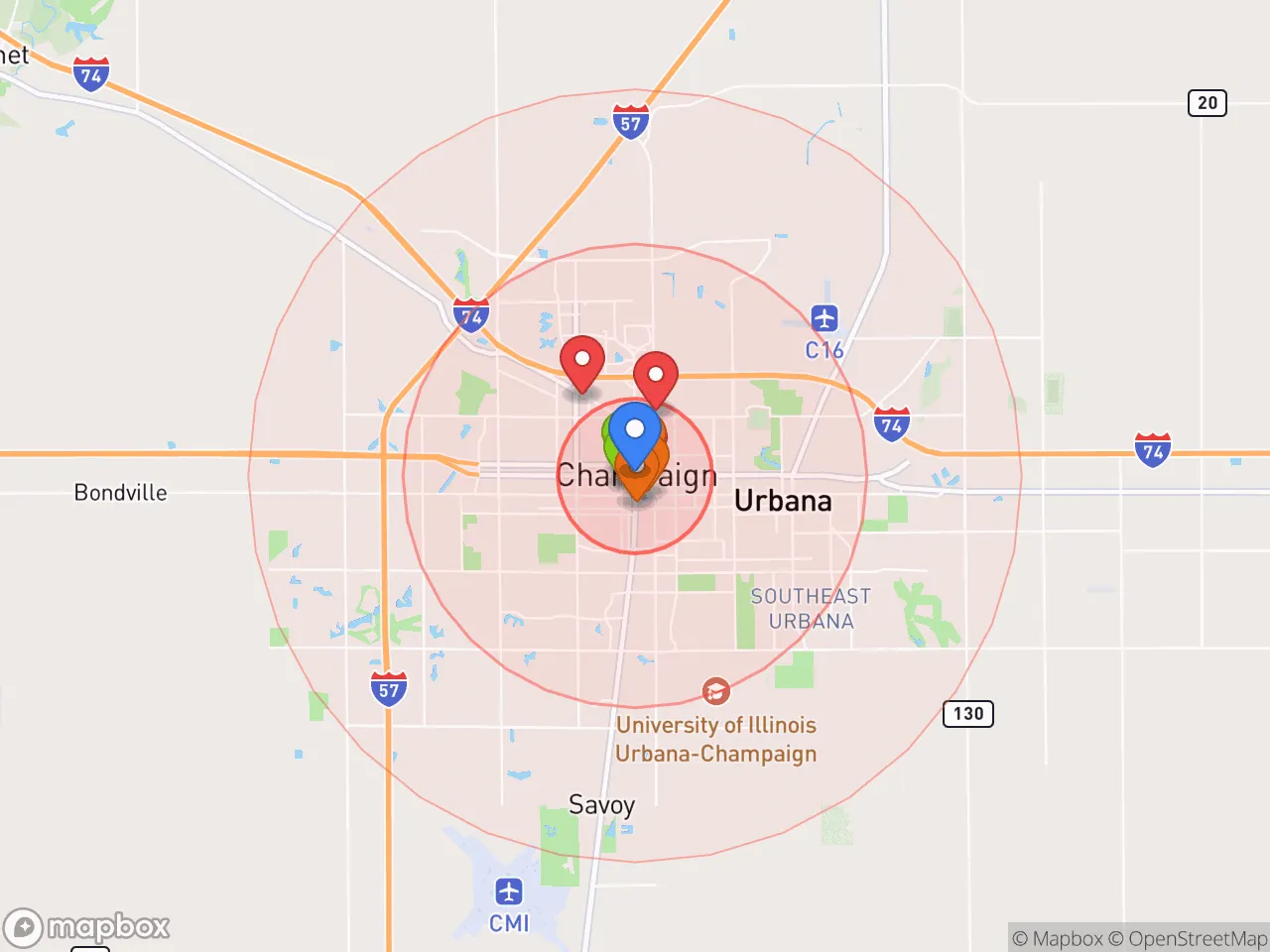
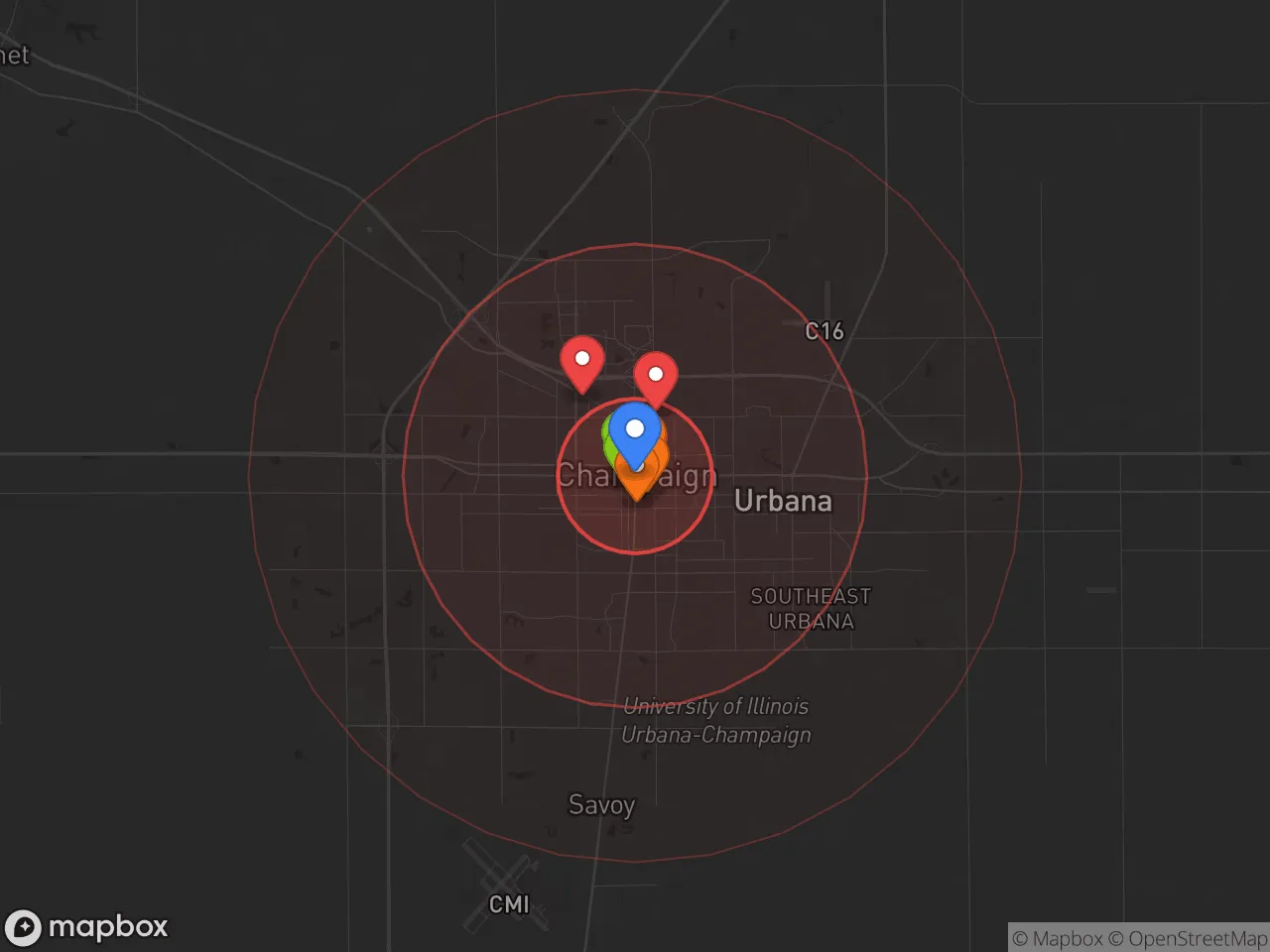
Hobbies
Explore the areaGroceries
8 within 10 miles
Gas
20 within 10 miles
Hospital
3 within 20 miles
Airport
Indianapolis International Airport
Post Office
USPS — Champaign, IL
Critical Amenities
Quality-of-Life Analysis
Champaign, Illinois, offers a quality of life defined by its blend of Midwestern affordability and Big Ten university energy, attracting a population that is both highly educated and economically diverse. With a cost of living index of 85 (well below the national average of 100), the city provides a financial cushion that allows residents—from University of Illinois faculty and graduate students to young families and remote workers—to enjoy a comfortable standard of living without the financial strain common in larger metro areas.
How housing costs and daily expenses compare to nearby cities
Champaign’s housing market is a standout advantage for newcomers. The median home value sits at $199,700, significantly lower than the national median, while the median rent of $1,103 makes it one of the most affordable rental markets in the Midwest for a city of its size. Compared to nearby Bloomington-Normal (home to Illinois State University), Champaign offers slightly lower home prices, and it is dramatically cheaper than Chicago, where the median home value is roughly three times higher. The average commute of just 15.3 minutes is a major quality-of-life bonus—far shorter than the 30+ minute national average—meaning residents spend less time in traffic and more time at home or enjoying local amenities. Utility costs and grocery prices also track below national averages, reinforcing the city’s reputation as a place where a middle-class income stretches further.
What daily life is like for families, students, and professionals
Daily life in Champaign revolves around a strong sense of community anchored by the University of Illinois at Urbana-Champaign. The city’s public schools, particularly in the Champaign Unit 4 School District, offer a range of magnet and STEM programs, while the university itself provides world-class cultural and recreational resources open to the public—from the Krannert Center for the Performing Arts to the Japan House gardens. For families, the abundance of parks (including the 80-acre Meadowbrook Park) and the Champaign Public Library’s robust children’s programming create a family-friendly rhythm. Professionals and students benefit from a walkable downtown core with a growing food scene (e.g., the Black Dog Smoke & Ale House and the downtown farmers market) and a lively calendar of events like the Champaign-Urbana Sweetcorn Festival. The city’s bike-friendly infrastructure and the MTD bus system (free for UIUC students and staff) further reduce car dependency, making errands and commutes notably stress-free.
Champaign is an ideal fit for those who value a low-stress, affordable lifestyle without sacrificing access to top-tier education, culture, and career opportunities. Remote workers and young professionals will appreciate the low commute and reasonable housing, while families will find strong schools and safe, walkable neighborhoods. The city’s biggest trade-off is its relatively quiet, landlocked setting—those seeking a 24-hour urban buzz or coastal amenities may find it subdued. But for anyone prioritizing financial breathing room, a short commute, and a community shaped by academic and agricultural roots, Champaign delivers a quality of life that is hard to match at its price point.

Crime in Champaign, IL
Crime rates similar to the national median for U.S. locations.
Violent CrimeViolent Crime Analysis
Property CrimeProperty Crime Analysis
Crime Analysis
Champaign, Illinois, presents a mixed safety profile for prospective residents. The city’s violent crime rate of 368.2 incidents per 100,000 residents is notably higher than the national average, while its property crime rate of 2,077 per 100,000 significantly exceeds both state and national benchmarks. These figures place Champaign in a category where caution is warranted, particularly given the broader context of progressive criminal justice policies in Champaign County that tend to prioritize offender rehabilitation over strict enforcement, a factor that can contribute to elevated recidivism and public safety concerns.
Crime in context
Champaign’s violent crime rate of 368.2 per 100,000 is roughly 1.5 times the national average of about 230 per 100,000, and its property crime rate of 2,077 per 100,000 is nearly double the national average of roughly 1,100 per 100,000. Compared to the state of Illinois, which has a violent crime rate of approximately 400 per 100,000 and a property crime rate around 1,500 per 100,000, Champaign’s property crime problem stands out as particularly acute. The city’s proximity to the larger metro area of Urbana and the presence of the University of Illinois at Urbana-Champaign create a dynamic where transient populations and economic disparities intersect, often correlating with higher crime rates. The progressive lean of local judges and the state’s attorney’s office in Champaign County has been associated with lighter sentencing and diversion programs, which, while intended to reduce incarceration, can result in more offenders remaining on the streets and reoffending.
What residents experience
For daily life in Champaign, property crime is the most tangible threat. Residents frequently report vehicle break-ins, bicycle thefts, and package thefts, especially in neighborhoods near campus and downtown. The city’s property crime rate of 2,077 per 100,000 means roughly 1 in 48 households experiences a property crime annually. Violent crime, while less common, is concentrated in specific areas and often involves incidents between individuals known to each other. The Champaign Police Department has implemented community policing initiatives, but the effectiveness is tempered by a justice system that, under progressive leadership, often releases non-violent offenders on recognizance or diverts them to treatment programs rather than holding them accountable. This approach can erode deterrence and leave residents feeling that the system does not adequately protect victims or the broader public.
Neighborhood-level variation is significant. Areas like the University District and Campustown see high rates of property crime due to dense student populations and transient foot traffic. In contrast, neighborhoods such as Southwest Champaign and the Robeson Meadows area generally report lower crime rates, though they are not immune to occasional incidents. The city’s overall safety is heavily influenced by the interplay between its progressive judicial philosophy and the socioeconomic challenges of a mid-sized metro area. Prospective residents should research specific blocks and consider factors like lighting, proximity to bars, and the presence of security patrols when choosing a home.
* Values derived from national, state, county, city and local statistics and may differ in a specific area. Last updated: 2026-05-03T20:24:07.000Z
Narrative content on this page is AI-generated and may contain mistakes. Verify any details that matter before acting on them.
ReloMaps may earn a commission from affiliate links at no extra cost to you.

