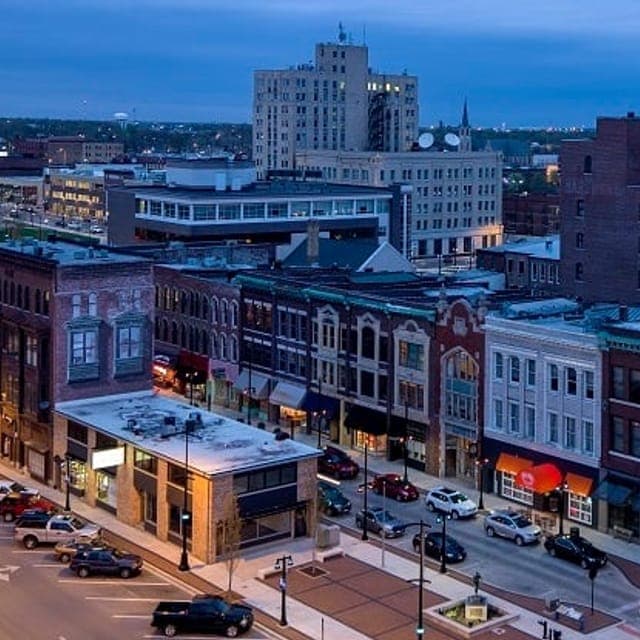
Photo: Wikipedia
Find The Best Places To Live
in Champaign
PRO TIP! You can paste a Zillow or Redfin link to get info on that property.
What It's Like Living in Champaign, IL
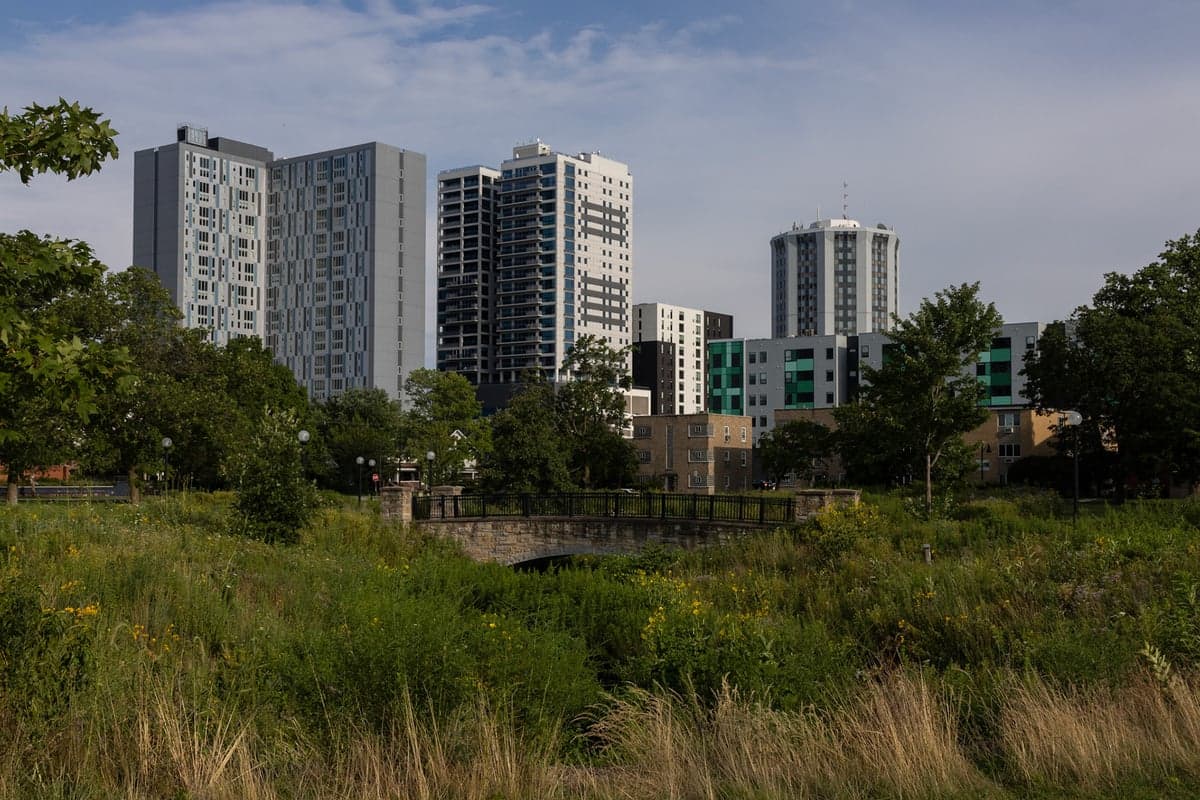
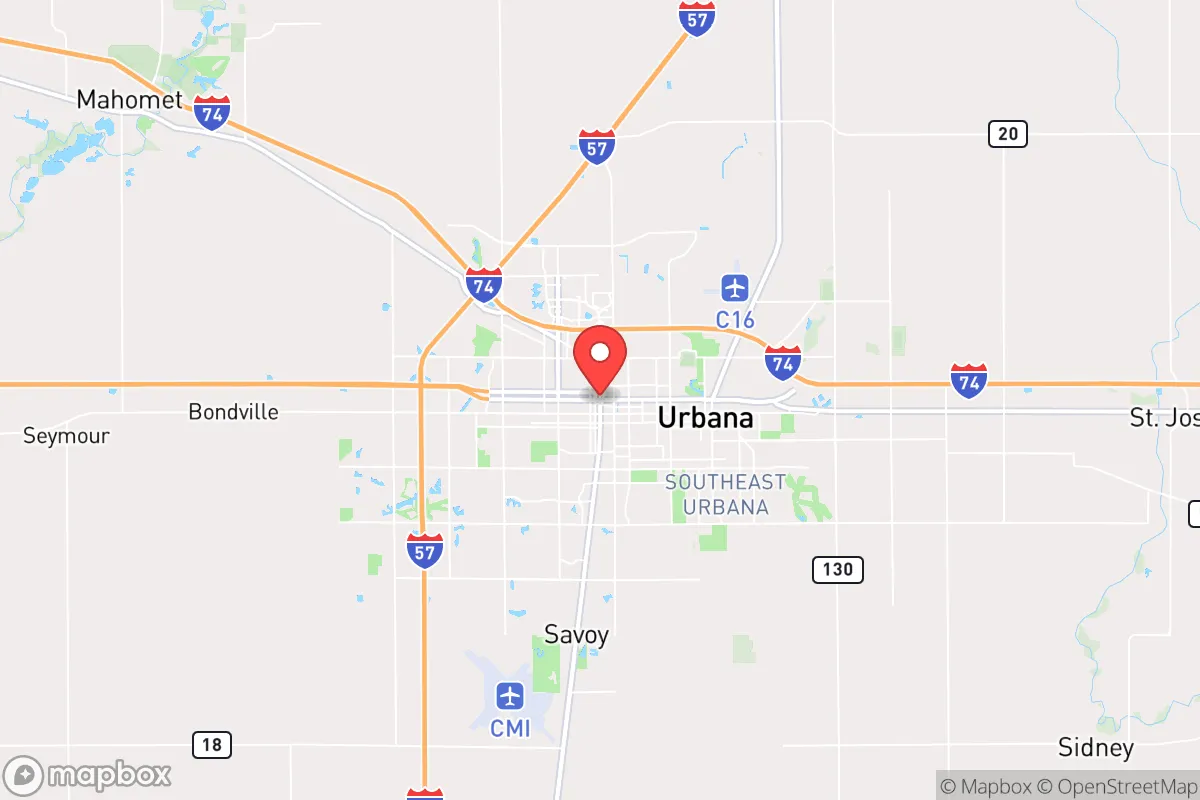
Champaign is a classic college town that doesn’t feel like it’s just the University of Illinois’s annex. It’s a place where a 27-year-old median age and a 53.6% college-educated population create a young, intellectually curious energy, but where the daily rhythms are surprisingly grounded—think backyard barbecues, Friday night high school football, and a downtown that’s as likely to host a farmers’ market as it is a live music show. If you’re a conservative-leaning single or parent looking for a community that’s affordable, safe enough to raise kids, and not allergic to a little corn-fed Midwestern normalcy, Champaign is worth a serious look.
The Daily Rhythm: A Town That Moves at Two Speeds
Most people here live on either a university schedule or a 9-to-5 one, and the two blend more smoothly than you’d expect. The average commute is just 15 minutes—you can live in a quiet neighborhood like Robeson Meadows or the older tree-lined streets of Historic West Side Park and be at your desk or dropping kids off at school in under ten. Shopping is practical: you’ve got a solid Meijer, a Target, and a growing number of local groceries like Common Ground Food Co-op. Weekend mornings often mean grabbing coffee at Café Kopi or the Literary, then hitting the Champaign Farmers’ Market on a Saturday. The cost of living index sits at 85 (15% below the national average), and with a median home value of $199,700, a single person or a young family can actually afford a house with a yard—something that’s becoming a fantasy in bigger Midwestern cities.
The kind of person who fits in here is someone who values substance over flash. You don’t need a six-figure income to live well—the median household income is $57,544, and that goes a long way when your rent or mortgage is manageable. Parents appreciate that the local public schools, especially Champaign Central and Centennial High Schools, are deeply woven into community identity. Friday night lights are real: the rivalry between Central and Centennial packs stands, and it’s not unusual to see three generations of a family at a game. If you’re single, you’ll find a mix of grad students, young professionals at Parkland College or local tech firms, and folks who work at the university or Carle Foundation Hospital—one of the area’s largest employers.
Sports, Festivals, and the Places People Actually Go
Let’s get the elephant in the room out of the way: University of Illinois sports are a big deal, but not in an obnoxious, everything-stops way. Illinois Fighting Illini basketball at the State Farm Center is the marquee draw—games against Michigan State or Purdue can turn the whole town into a sea of orange. Football at Memorial Stadium draws solid crowds, especially for Big Ten matchups, but it’s not a religion the way it is in, say, Columbus or Ann Arbor. High school sports, particularly wrestling and track, are taken seriously here—Champaign has produced state champions and a few Olympians. For a smaller city, the sports culture is robust without being overwhelming.
Entertainment punches above its weight. The Krannert Center for the Performing Arts brings world-class theater, dance, and classical music—it’s the kind of venue you’d expect in a city twice Champaign’s size. The Pygmalion Festival (music, tech, and food) and the Champaign-Urbana Sweetcorn Festival are annual highlights that draw people from across the region. For bars and hangouts, downtown Champaign has a solid strip: Blind Pig Brewery for craft beer, Seven Saints for a lively patio, and The Esquire Lounge for a quieter cocktail. If you’re outdoorsy, Meadowbrook Park in nearby Urbana offers prairie trails and a sculpture garden, and the Lake of the Woods Forest Preserve is a 20-minute drive for hiking and fishing. The weather follows a true Midwestern rhythm—hot, humid summers with frequent thunderstorms, and cold, gray winters that can feel long, but the spring and fall are genuinely beautiful.
Pros and Cons: What Locals Actually Say
After talking to residents, a few honest upsides and downsides emerge. On the plus side: affordability is the headline. You can buy a decent three-bedroom home for under $200,000, and your dollar stretches further on groceries, utilities, and dining out than in almost any other Illinois city of comparable size. The community is also genuinely friendly—people wave, neighbors know each other, and there’s a strong sense of civic pride. The university brings cultural amenities (lectures, concerts, museums) that a town of 88,822 people has no business having. And for conservatives, Champaign leans left overall, but the surrounding rural areas and many of the older, established neighborhoods lean more moderate or conservative—you won’t feel out of place at a church potluck or a local GOP meeting.
On the downside: the violent crime rate is 368.2 per 100,000, which is above the national average. Most of that is concentrated in a few specific areas near campus and in parts of north Champaign, and property crime (bike theft, car break-ins) is a real annoyance, especially for students. Longtime residents also grumble about the property tax burden—Illinois has high property taxes, and Champaign County is no exception. The weather, as mentioned, can be a grind: January and February are cold and gray, and the lack of mountains or major lakes means outdoor recreation is mostly flatland trails and parks. Finally, the job market outside of the university and healthcare is limited—if you’re not in education, medicine, or tech, you may need to commute to Bloomington-Normal or even Chicago (a 2.5-hour drive) for certain roles.
Champaign’s identity is summed up by a local quirk: the “Unofficial” St. Patrick’s Day—a massive, unsanctioned block party held in early March that draws thousands of students and has been a tradition for decades. It’s chaotic, messy, and a little ridiculous, but it’s also pure Champaign: a town that knows how to have fun without taking itself too seriously. If you’re looking for a place where you can afford a home, raise kids with good schools and real community, and still catch a Big Ten game or a concert on a Tuesday night, Champaign delivers. It’s not flashy, but it’s honest—and that’s exactly what a lot of people are looking for.

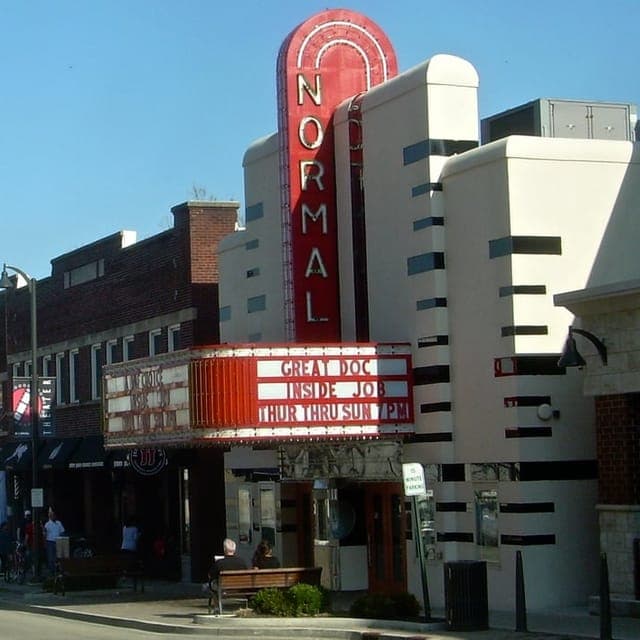
Similar small cities to Champaign



* Values derived from national, state, county, city and local statistics and may differ in a specific area. Last updated: 2026-05-03T20:24:07.000Z
Narrative content on this page is AI-generated and may contain mistakes. Verify any details that matter before acting on them.
ReloMaps may earn a commission from affiliate links at no extra cost to you.

