Photo: Wikipedia
Political ClimatePolitical Climate in Charleston, WV
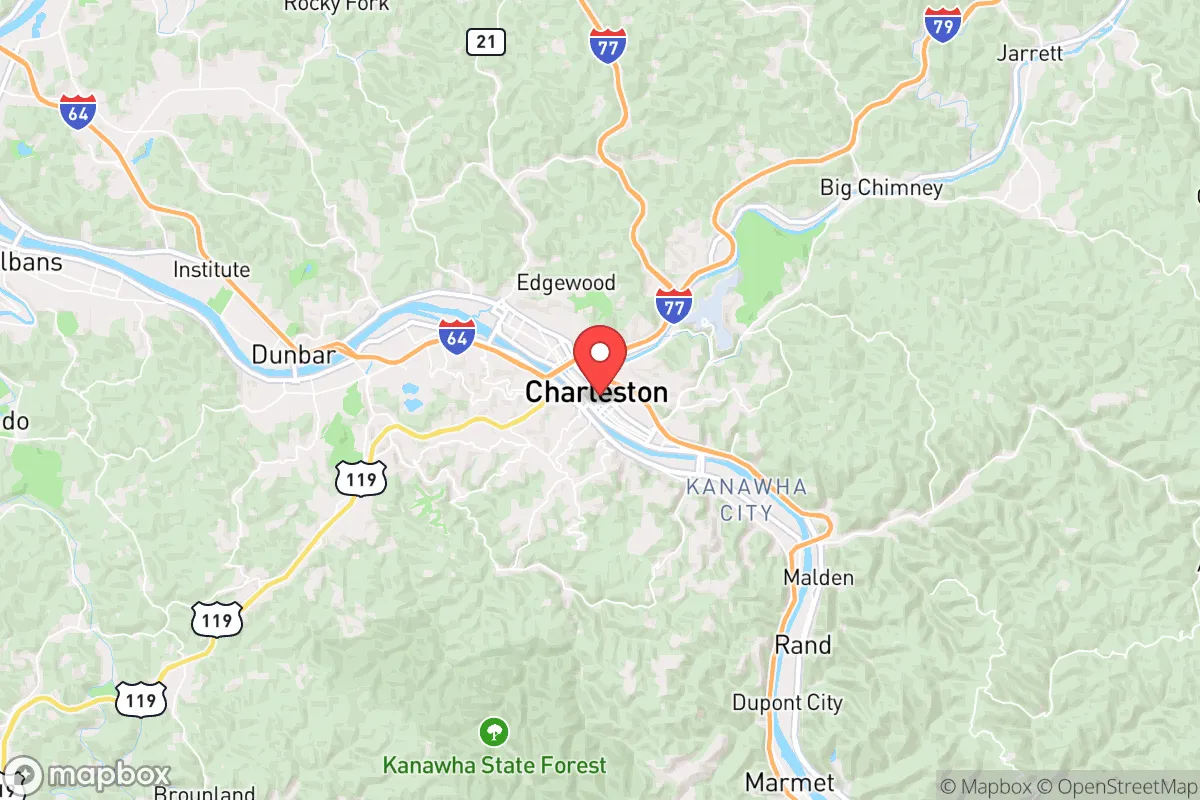
District shown is the primary district for this city’s centroid. Cities may span multiple districts.
Local Political AnalysisPolitical Analysis of Charleston, WV
Charleston, West Virginia, has long been a solidly conservative stronghold, and the numbers back that up with a Cook PVI of R+22. For decades, this area has leaned heavily Republican, and while the city itself has some pockets of more moderate or even progressive thought, the surrounding Kanawha County and the broader state keep things firmly rooted in traditional values. You can feel it in the air—people here are generally skeptical of big government and value their personal freedoms, from gun rights to how they raise their kids. That said, there's been a noticeable shift in the last five to ten years, with some younger folks and newcomers pushing for more progressive policies, especially around environmental regulations and social issues. It's a slow burn, but it's there, and it's something a lot of us long-time residents keep a close eye on.
How it compares
When you look at Charleston compared to other parts of West Virginia, it's actually a bit of an outlier. The city itself is more politically mixed than the surrounding rural areas, like Putnam County to the west or Boone County to the south, which are deeply red. You'll find more Democratic-leaning voters in the city limits, especially in neighborhoods like the East End or South Hills, but even there, it's a far cry from the deep-blue politics you'd see in cities like Morgantown, which is home to West Virginia University and has a much younger, more liberal vibe. Head just 30 minutes north to St. Albans or 20 minutes south to South Charleston, and you're back in solidly conservative territory. The contrast is stark—Charleston feels like a small island of purple in a sea of red, but that red is still the dominant color. The nearby towns like Dunbar and Nitro are even more traditional, with a strong focus on family, church, and local business, and they're not shy about pushing back against any progressive overreach from the state capital.
What this means for residents
For folks living here, the political climate directly shapes daily life in ways that matter. You don't have to worry much about government overreach into your personal freedoms—things like homeschooling, gun ownership, and even how you run your small business are generally left alone. The state legislature has been pretty consistent in keeping taxes low and regulations light, which is a big reason why many of us stay. But there's a growing concern about the push for "green" energy policies and stricter environmental rules, which could hit the local economy hard, especially with the coal and natural gas industries still being a big part of the region's identity. On the social side, you'll see a lot of community events centered around churches and local sports, and there's a strong sense of neighborly trust. The downside? If you're not on board with the conservative mainstream, you might feel a bit isolated, but for most of us, that's a feature, not a bug. The key is that the political lean here means less interference in your day-to-day choices, and that's something worth protecting.
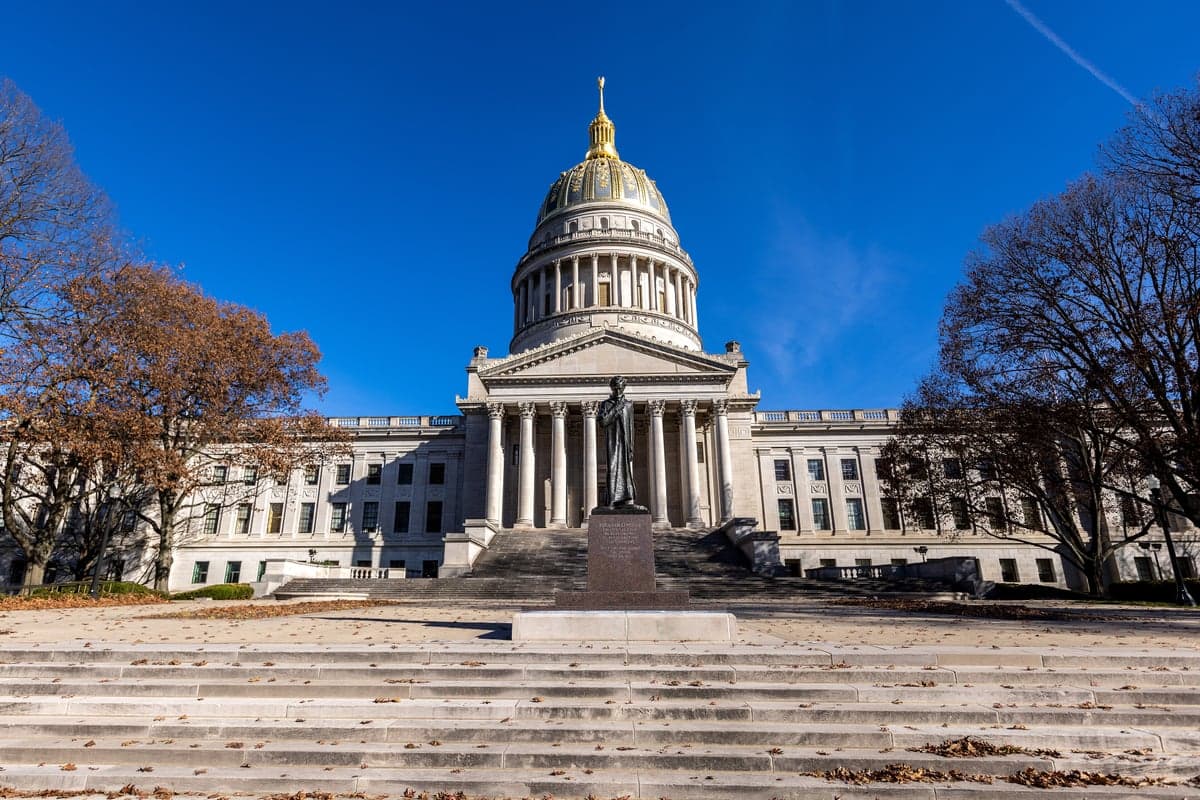
Culturally, Charleston has a few unique quirks that set it apart from other conservative cities. The state capitol building and the governor's mansion are right here, so there's a constant buzz of political activity, but it's not the kind of hyper-partisan circus you see in Washington. People are more pragmatic—they'll disagree on policy but still wave at each other at the grocery store. One big distinction is the strong union history, especially in the energy sector, which creates a kind of blue-collar conservatism that's different from the suburban Republicanism you'd find in, say, Huntington or Beckley. There's also a real pride in local traditions, from the Vandalia Gathering to the annual Sternwheel Regatta, and these events tend to reinforce a sense of community that's resistant to outside cultural shifts. If you're looking for a place where your rights are respected and the government stays out of your business, Charleston is still a solid bet—but keep an eye on those progressive winds, because they're blowing a little stronger every year.

State Political ClimatePolitical Climate in West Virginia
State Political AnalysisPolitical Environment in the State
West Virginia has long been one of the most reliably Republican states in the nation, with a partisan lean of roughly +39 points for the GOP in the 2024 presidential election, making it the reddest state in the country by margin. The dominant coalition is a mix of rural, working-class voters, many of whom are former Democrats who shifted hard right over the past two decades, driven by cultural and economic grievances. Over the last 10-20 years, the state has undergone a dramatic political transformation: in 2000, it was a swing state that voted for George W. Bush, but by 2016, it had become a Trump stronghold, with every single county flipping Republican by 2020. This trajectory shows no signs of reversing, as in-migration from blue states remains minimal and the state’s population continues to age and shrink, reinforcing its conservative base.
Urban vs. rural divide
The political map of West Virginia is starkly divided between a handful of small urban centers and the vast, deeply red rural expanse. The only significant blue dot is Morgantown, home to West Virginia University, which consistently votes Democratic due to its academic and younger population—Monongalia County went for Biden in 2020 by about 5 points. Charleston, the capital, is a mixed bag: Kanawha County leans Republican but has a sizable Democratic minority, driven by unionized government workers and older New Deal Democrats. Huntington and Wheeling are reliably red, with their working-class roots now firmly aligned with the GOP. The real story is in the rural counties: Mingo, Logan, and McDowell in the southern coalfields voted for Trump by margins of 70-80%, a complete reversal from their Democratic past. The divide isn't just geographic—it's cultural, with urban areas like Morgantown feeling like islands of progressive thought in a sea of traditional, gun-owning, churchgoing conservatism.
Policy environment
West Virginia’s policy environment is aggressively conservative, with a focus on low taxes, minimal regulation, and cultural traditionalism. The state has no personal income tax on Social Security benefits and a flat 4.12% income tax rate, with a goal of phasing it out entirely—a move that appeals to retirees and remote workers. Property taxes are among the lowest in the nation, capped by the state constitution at 1.5% of assessed value. The regulatory posture is business-friendly, especially for energy extraction: coal and natural gas industries enjoy streamlined permitting and minimal environmental oversight. On education, the state passed a robust school choice law in 2021, creating the Hope Scholarship program, which allows parents to use public funds for private or homeschool expenses—a major win for parental rights. Healthcare is a mixed bag: the state expanded Medicaid under the Affordable Care Act, but Republican legislators have resisted further progressive expansions. Election laws are strict: voter ID is required, and early voting is limited to 10 days. The state also passed a near-total abortion ban in 2022, with no exceptions for rape or incest, reflecting its strong pro-life stance.
Trajectory & freedom
West Virginia is trending toward more personal freedom in several key areas, though not without some concerning overreach. On gun rights, the state became a constitutional carry state in 2016, allowing permitless concealed carry, and has preempted local gun ordinances, ensuring uniform Second Amendment protections. In 2023, the legislature passed the Parental Bill of Rights, requiring schools to notify parents of any curriculum involving sexuality or gender identity and to obtain consent before counseling minors on such topics—a strong check on government overreach in family matters. Medical freedom saw a win with the 2021 law prohibiting vaccine mandates by private employers and government entities, though this was later partially struck down in court. However, there are red flags: the state’s COVID-19 emergency powers were used aggressively by Governor Jim Justice in 2020-2021, including business closures and mask mandates, which many conservatives saw as an overreach. Property rights are generally strong, but the state’s reliance on eminent domain for pipeline projects (like the Mountain Valley Pipeline) has sparked backlash from landowners. The trajectory is toward more liberty, but vigilance is needed to prevent future government overreach, especially in health emergencies.
Civil unrest & political movements
West Virginia has a history of civil unrest tied to labor and resource extraction, but modern political movements are quieter than in many states. The most visible flashpoint in recent years was the 2021 teachers’ strike, which shut down schools across the state for weeks, driven by union demands for higher pay and better benefits—a rare left-leaning protest in a red state. On the right, the Second Amendment Sanctuary movement swept through counties in 2020, with over 40 counties passing resolutions opposing any future federal gun control. Immigration politics are largely absent, as the state has one of the smallest foreign-born populations in the country (under 2%), and there are no sanctuary cities. Election integrity controversies flared after 2020, with the state’s Republican Secretary of State Mac Warner pushing for stricter voter roll maintenance and audits, though no major fraud was found. A notable movement is the Mountain State Liberty Alliance, a grassroots group advocating for nullification of federal laws and property rights protections. New residents should expect a politically engaged but generally peaceful environment, with occasional protests in Charleston over energy policy or education funding.
Projection
Over the next 5-10 years, West Virginia is likely to become even more conservative, driven by demographic trends and in-migration patterns. The state’s population is projected to continue declining, with the biggest losses in the southern coalfields, while areas like Berkeley County (in the Eastern Panhandle) are growing due to spillover from the Washington, D.C., metro area. This in-migration from the D.C. suburbs could introduce a small but noticeable libertarian-leaning or moderate Republican influence, but it’s unlikely to shift the state’s overall lean. The state’s aging population (median age 42.7) means older, more conservative voters will continue to dominate. Expect further tax cuts, possibly a full elimination of the income tax, and expanded school choice. The biggest wildcard is the energy transition: as coal declines, the state will need to balance economic diversification with its cultural identity. Someone moving in now should expect a state that remains deeply red, with a government that prioritizes personal liberty in most areas but retains a strong hand in cultural and health policy. The key takeaway: West Virginia offers a high degree of freedom for those who align with its values, but newcomers should be prepared for a slower pace of life and a community that values tradition over change.
For a conservative-leaning individual or family, West Virginia is a solid bet for low taxes, strong gun rights, and a government that generally respects parental authority. The biggest practical considerations are the limited job market outside of energy and healthcare, and the need to be self-reliant in terms of services and infrastructure. If you value a tight-knit community where your neighbors share your values and the government stays out of your business, this state delivers. Just keep an eye on Charleston—the legislature is friendly now, but every session brings new bills that could tip the balance toward overreach.
* Values derived from national, state, county, city and local statistics and may differ in a specific area. Last updated: 2026-05-01T18:25:21.000Z
Narrative content on this page is AI-generated and may contain mistakes. Verify any details that matter before acting on them.
ReloMaps may earn a commission from affiliate links at no extra cost to you.

