Photo: Wikipedia
Find The Best Places To Live
in Roanoke
PRO TIP! You can paste a Zillow or Redfin link to get info on that property.
What It's Like Living in Roanoke, VA
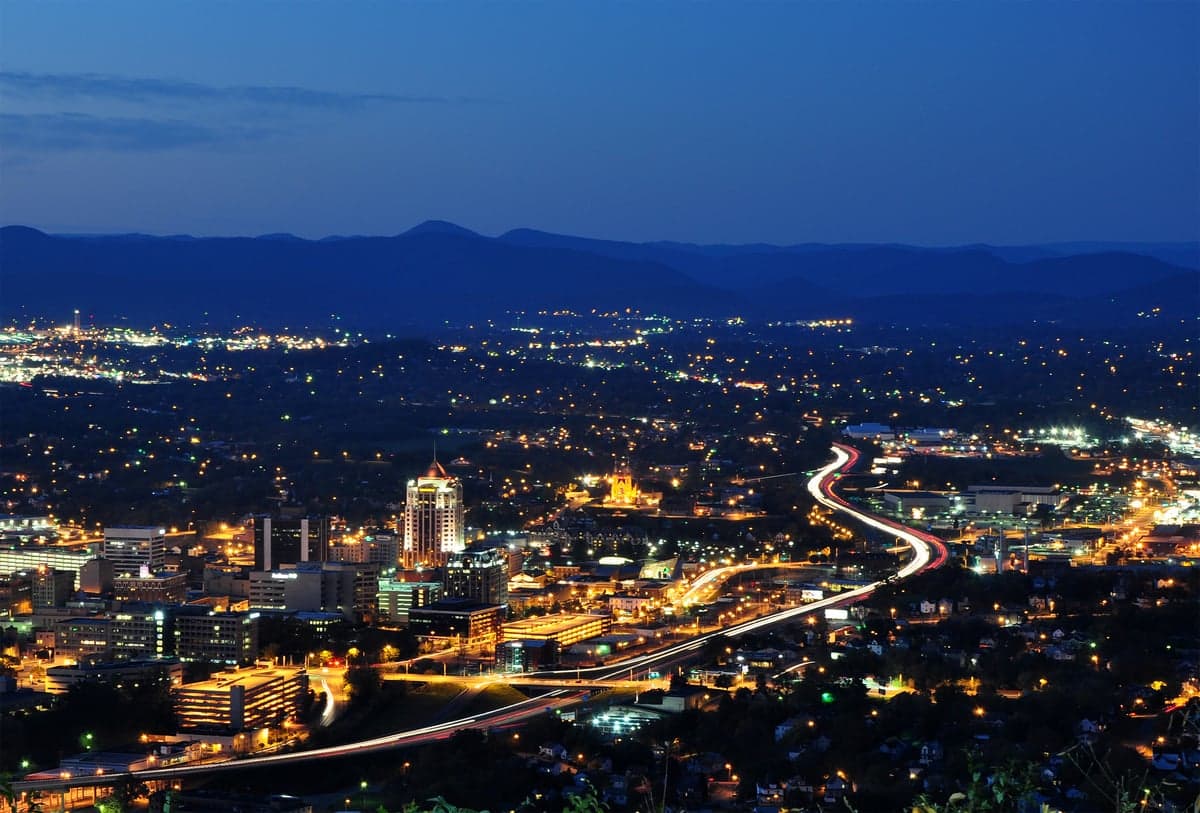
Roanoke feels like a big small town that never quite decided whether it wants to be a mountain retreat or a working-class city, so it settled on being both. You get the Blue Ridge Parkway in your backyard and a downtown that still has a few empty storefronts from the old furniture factory days, but also a brewery scene that punches above its weight and a minor league ballpark that actually draws a crowd. It’s the kind of place where you can hike McAfee Knob in the morning and grab a beer at Big Lick Brewing Company that afternoon, and nobody thinks twice about it.
The Daily Rhythm: Slow Mornings, Quick Commutes, and a Surprising Amount to Do
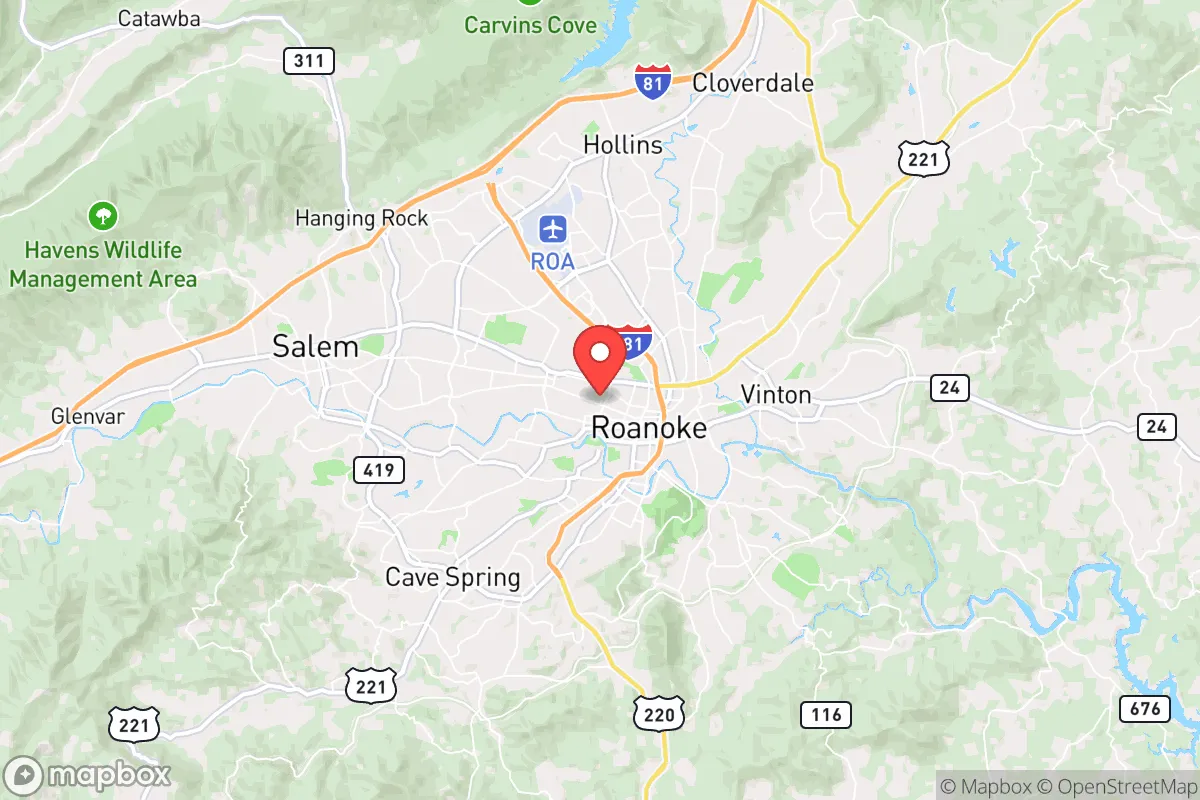
Most people here live within a 20-minute drive of everything. The average commute clocks in just under 20 minutes, which means you can actually go home for lunch or run a kid to practice without losing your whole evening. The city’s population hovers just under 99,000, but it feels smaller because the valley geography keeps everything clustered along the 581 corridor and the Grandin Village area. You’ll see the same faces at the Saturday morning farmers market in Roanoke City Market (the oldest continuously operating market in Virginia) and again at a Salem Red Sox game that evening.
Weekends tend to revolve around the outdoors or a local event. The Roanoke River Greenway is the spine of the city’s recreation — a paved trail that runs for miles along the river, connecting parks, neighborhoods, and the downtown area. Families with kids spend Saturday mornings there, and serious cyclists treat it like a training ground. For a city this size, the restaurant scene is legit: Lucky Avenue for a proper steak, River and Rail for Southern food that doesn’t feel like a tourist trap, and Fork in the Alley for a date night that won’t break the bank. The median household income here is about $52,700, which is below the national average, but the cost of living index sits at 75 — meaning your dollar goes noticeably further than it would in Richmond or Northern Virginia.
Sports, Community, and the Things That Bring People Together
Roanoke doesn’t have a major pro team, but it doesn’t seem to mind. The Salem Red Sox (Boston’s Low-A affiliate) play about 10 minutes away in Salem, and games are a genuine community event — cheap tickets, fireworks on summer weekends, and a crowd that actually knows the players. High school football is a big deal here, especially at Salem High School (which has won multiple state championships) and Hidden Valley High School. On Friday nights in the fall, you’ll see entire families at the games, and the local sports talk radio still devotes segments to the high school scene.
For college sports, Virginia Tech is about 45 minutes up the road in Blacksburg, and you’ll see plenty of maroon and orange on game days. But the city also has its own minor league hockey team — the Roanoke Rail Yard Dawgs — who play at the Berglund Center. It’s not the NHL, but the atmosphere is rowdy and fun, and tickets are cheap enough that you can take a whole family without flinching. The Berglund Center also hosts concerts, monster truck rallies, and the occasional rodeo, so it’s the closest thing Roanoke has to a big-city entertainment hub.
What You’ll Love and What Will Drive You Nuts
The honest pros are hard to ignore. Housing is genuinely affordable — the median home value is around $180,500, which means a teacher or a tradesperson can actually buy a house in a decent neighborhood. The Blue Ridge Parkway is literally minutes from downtown, and the hiking is world-class without the crowds you’d get in Asheville or Gatlinburg. Traffic is almost never a real problem; you might sit through two light cycles at the 581/220 interchange during rush hour, but that’s about as bad as it gets. The weather is four genuine seasons — hot and humid in July, cold enough for snow in January, and a spectacular fall that draws leaf-peepers from all over the East Coast.
The cons are real, though. The violent crime rate is 552.8 per 100,000, which is higher than the national average and something you’ll hear about in local news fairly often. The crime is concentrated in certain parts of the city (northwest Roanoke, near the old industrial corridors), but it still makes some people uneasy about downtown at night. The job market is limited — the biggest employers are Carilion Clinic, the city school system, and a few manufacturing plants, so if you’re in tech or finance, you’ll likely be commuting to a remote role or looking at jobs in Lynchburg or Greensboro. About 29% of adults here have a college degree, which is below the national average, and you can feel it in the lack of certain professional services and cultural amenities. The airport is small and expensive, so serious travel usually means driving to Charlotte or Richmond.
One cultural quirk that surprises newcomers: Roanoke is proud of its “Star City” nickname (the Roanoke Star on Mill Mountain lights up at night and is visible from most of the valley), and locals are genuinely friendly in a way that can feel almost jarring if you’re from a bigger city. People wave on the greenway. Strangers will strike up conversations at the grocery store. It’s not a place for someone who wants anonymity. If you’re a single person looking for a vibrant dating scene or a parent who wants top-tier schools and endless extracurricular options, you might find it a little quiet. But if you want a place where you can own a home, get outside on the weekends, and actually know your neighbors, Roanoke makes a strong case for itself.

Similar small cities to Roanoke
* Values derived from national, state, county, city and local statistics and may differ in a specific area. Last updated: 2026-05-02T05:03:55.000Z
Narrative content on this page is AI-generated and may contain mistakes. Verify any details that matter before acting on them.
ReloMaps may earn a commission from affiliate links at no extra cost to you.

