 Popular
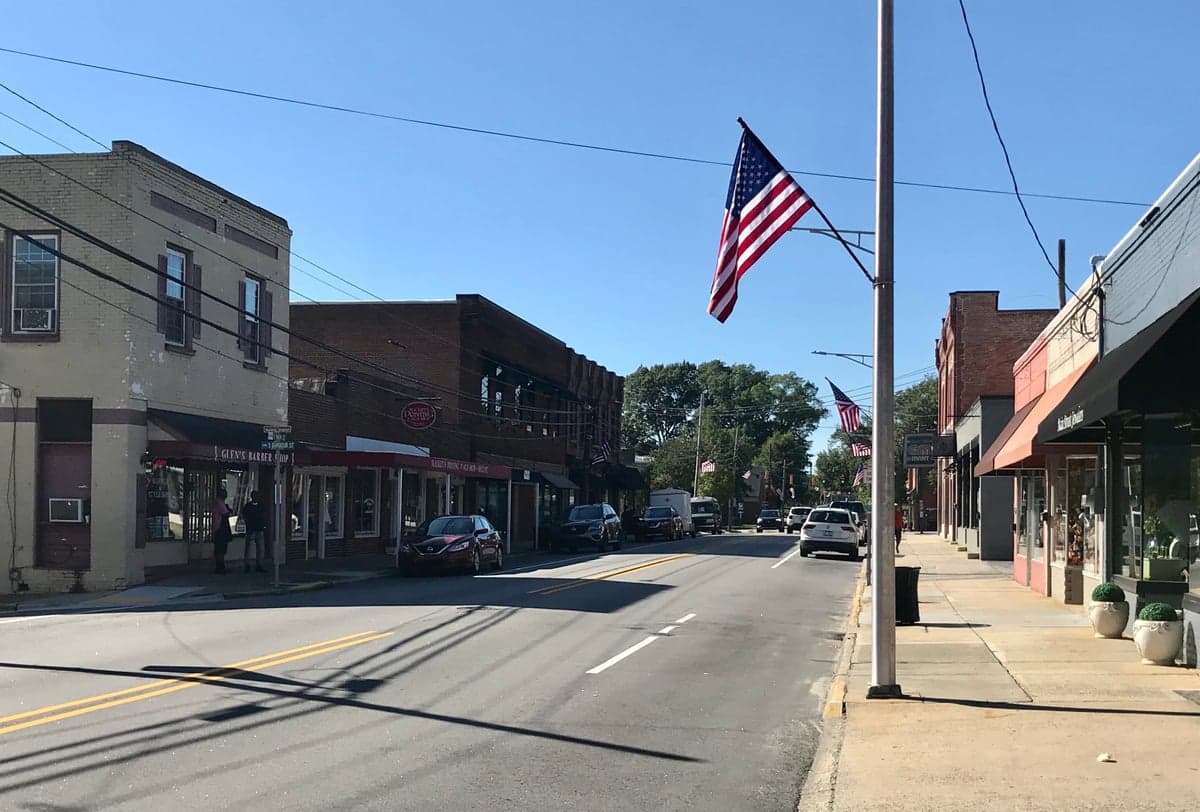
Photo: Wikipedia
Quality of Life in Clayton, NC
A high quality of life with strong walkability, manageable living costs, healthy neighborhood signals, and solid amenity access.
What does Quality of Life tell us?
Quality of Life blends cost of living, nearby amenities, socioeconomic signals, and neighborhood character. City-level scores represent the whole municipality; individual neighborhoods can differ.
What does this tell us?
Quality of Life blends cost of living, nearby amenities, socioeconomic signals, and neighborhood character. City-level scores represent the whole municipality; individual neighborhoods can differ.
Cost of Living
21% above national average
The Real Cost of Living in Clayton, NC for 2026
| Tier | Individual | Family (4) |
|---|---|---|
| Survival | $25k | $46k |
| Comfortable | $57k | $84k |
| Luxury | $115k+ | $178k+ |
| Elite (Top 5%) | $135k+ | $209k+ |
88%
The Area Signal
A metric tracking the socioeconomic signals of the area.
Hobbies
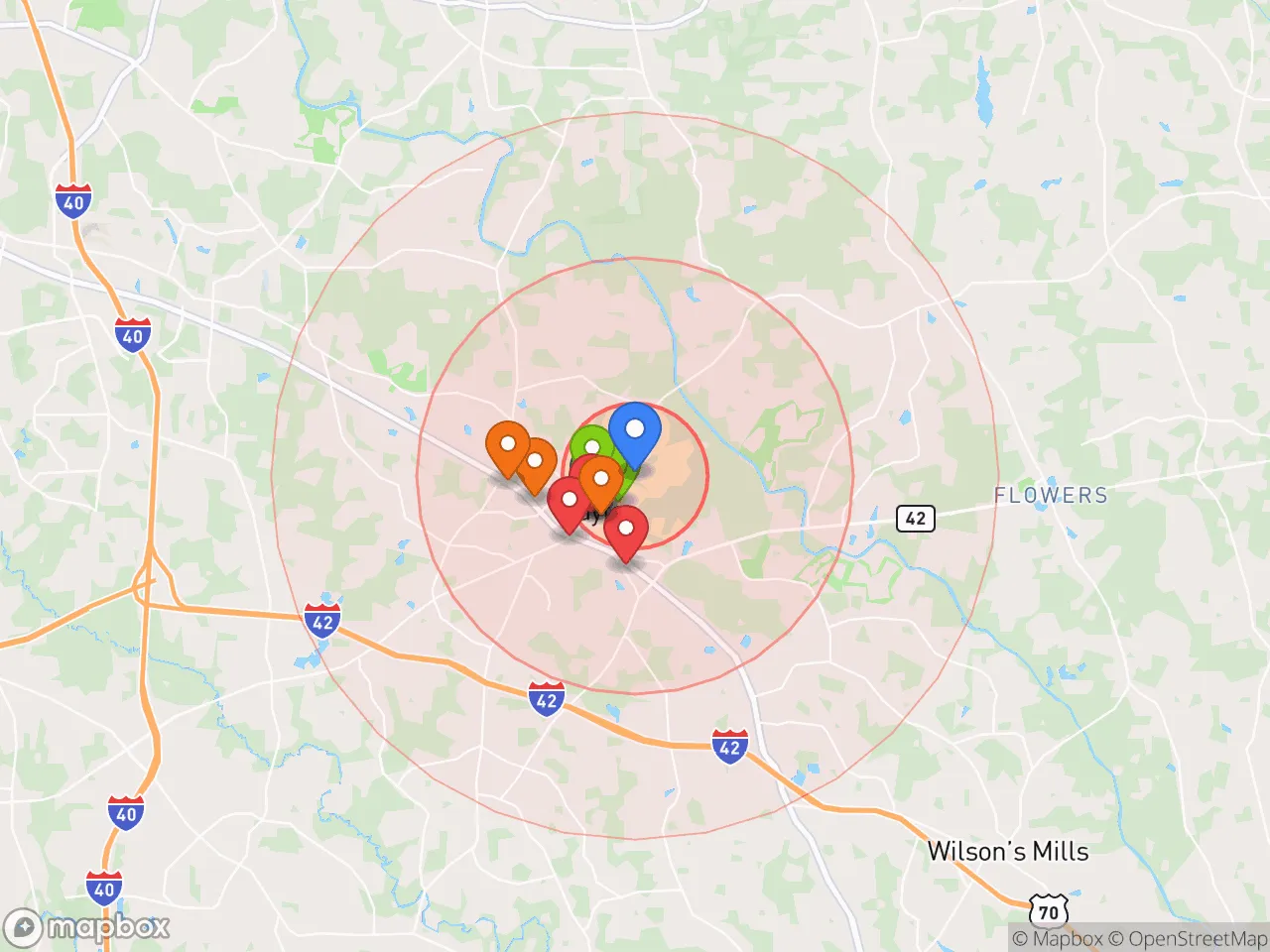
Explore the areaGroceries
6 within 10 miles
Gas
20 within 10 miles
Hospital
8 within 20 miles
Airport
RDU — Raleigh–Durham International
Post Office
USPS — Clayton, NC
Critical Amenities
Quality-of-Life Analysis
Clayton, North Carolina, presents a quality of life defined by rapid suburban growth and relative affluence, attracting a mix of young families, professionals priced out of Raleigh, and long-term residents seeking a slower pace. With a cost of living index of 121 (21% above the national average), the town offers a distinctly higher standard of housing and amenities than many comparably sized communities, though it remains more affordable than the core of the Triangle. The population skews toward homeowners and commuters, with a median age around 36 and a strong presence of dual-income households drawn by new construction and a small-town feel within striking distance of major employment hubs.
Cost of living, housing affordability, and how Clayton compares to Raleigh
Clayton’s housing market is the primary driver of its above-average cost of living, with a median home value of $292,400 and a median rent of $1,542. These figures are roughly 15-20% lower than comparable properties in Raleigh proper, where the median home value exceeds $350,000, making Clayton a pragmatic choice for buyers seeking more square footage or newer construction. However, the trade-off is a lengthy average commute of 32 minutes, as most residents travel west on US-70 or I-40 to jobs in Raleigh, Research Triangle Park, or Johnston County’s growing industrial base. Renters face a tight market: vacancy rates hover around 4%, and rents have risen roughly 8% year-over-year since 2022, narrowing the gap with suburban competitors like Garner and Knightdale. Property taxes in Johnston County are moderate—about 0.85% of assessed value—which helps offset the higher home prices compared to more rural parts of the county.
Schools, daily amenities, and the rhythm of life in a growing suburb
Daily life in Clayton centers on its historic downtown, anchored by the Neuse Riverwalk and a growing roster of locally owned restaurants and breweries, alongside big-box retail along US-70 Business. The town’s public schools, part of the Johnston County Public Schools system, are a key draw: Clayton High School and Riverwood Elementary both hold B+ ratings from Niche, with strong extracurricular programs and a student-teacher ratio of roughly 15:1. For families, the town offers over 20 parks, including the 100-acre Clayton Community Park with sports fields and a sprayground, while the nearby Clemmons Educational State Forest provides hiking and nature programs. The social rhythm is notably family-oriented—weekend farmers’ markets, youth sports leagues, and seasonal festivals like the Clayton Harvest Festival dominate the calendar. Commuters rely heavily on the 32-minute average drive to Raleigh, with limited public transit options (only the GoTriangle bus route 100 serves the area), meaning car ownership is nearly essential. Healthcare access is solid, with Johnston Health’s Clayton hospital offering emergency and outpatient services, though specialists often require a trip to Raleigh.
Clayton is best suited for families and professionals who prioritize newer housing, good schools, and a tight-knit community over urban nightlife or a short commute. The town’s rapid growth—population has doubled since 2010 to over 25,000—means ongoing construction and traffic congestion on US-70, but also expanding retail and dining options. Retirees on fixed incomes may find the cost of living index of 121 challenging, while remote workers will appreciate the lower home prices relative to Raleigh. For those willing to trade a 30-minute drive for a larger home and a slower daily pace, Clayton offers a compelling balance of suburban comfort and access to the Triangle’s economic engine.

Crime in Clayton, NC
Generally safer than 68% of comparable U.S. locations.
Violent CrimeViolent Crime Analysis
Property CrimeProperty Crime Analysis
Crime Analysis
Clayton, North Carolina, reports a violent crime rate of 114.7 incidents per 100,000 residents, which is significantly lower than both the national average and the state average for North Carolina. However, its property crime rate of 1,071.4 per 100,000 residents is a notable concern, running higher than many comparable towns in Johnston County and the broader Raleigh-Durham metro area. While Clayton is not a high-crime city overall, the elevated property crime figures warrant attention from prospective residents, particularly those moving from areas with lower theft and burglary rates.
Crime in context
Clayton’s violent crime rate is roughly 70% lower than the national average, placing it among the safer small cities in the state for personal safety. The property crime rate, however, sits about 20% higher than the national average, driven primarily by larceny and vehicle break-ins. This pattern is common in rapidly growing suburbs of large metro areas like Raleigh, where transient populations and easy highway access (I-40, US-70) can increase opportunities for property crime. The city’s location within Johnston County, which has historically maintained more conservative law enforcement policies, helps keep violent crime low, but the proximity to the progressive judicial environment of Wake County (Raleigh) means that some offenders from the metro area may filter into surrounding communities.
What residents experience
Most residents report feeling safe in their daily routines, particularly in Clayton’s established neighborhoods and newer subdivisions. The most common complaints involve vehicle break-ins and package theft, especially in apartment complexes and developments near major retail corridors like US-70 Business. Violent confrontations are rare and typically isolated to specific incidents rather than random attacks. However, the broader trend in the Raleigh-Durham metro area—where progressive district attorneys have implemented policies such as reduced cash bail and diversion programs for property offenders—means that repeat property criminals are more likely to remain on the street. This directly impacts Clayton residents, as stolen vehicles and burglaries are often linked to offenders cycling through the justice system in nearby Wake County. For families and retirees, the practical risk is financial loss and inconvenience rather than physical danger, but the frustration of seeing the same types of crime recur is a common sentiment in local community forums.
Neighborhood-level variation
Safety in Clayton varies noticeably by area. The downtown historic district and newer master-planned communities like Flowers Plantation generally see very low crime, benefiting from active neighborhood watches and private security patrols. Older neighborhoods closer to the railroad tracks and areas along the US-70 corridor, particularly around the Clayton Crossing shopping center, report higher rates of property crime. Apartment complexes near the intersection of NC-42 and US-70 tend to have the most frequent police calls for theft and vehicle break-ins. Prospective renters should specifically inquire about on-site security measures and recent crime logs for any complex in that corridor. Overall, Clayton remains a safe choice for those who prioritize low violent crime, but residents should take standard precautions—locking vehicles, securing packages, and using outdoor lighting—to mitigate the property crime risk that comes with its metro-area location.
* Values derived from national, state, county, city and local statistics and may differ in a specific area. Last updated: 2026-05-03T20:26:20.000Z
Narrative content on this page is AI-generated and may contain mistakes. Verify any details that matter before acting on them.
ReloMaps may earn a commission from affiliate links at no extra cost to you.

