Photo: Wikipedia
Find The Best Places To Live in Wake County
PRO TIP! You can paste a Zillow or Redfin link to get info on that property.
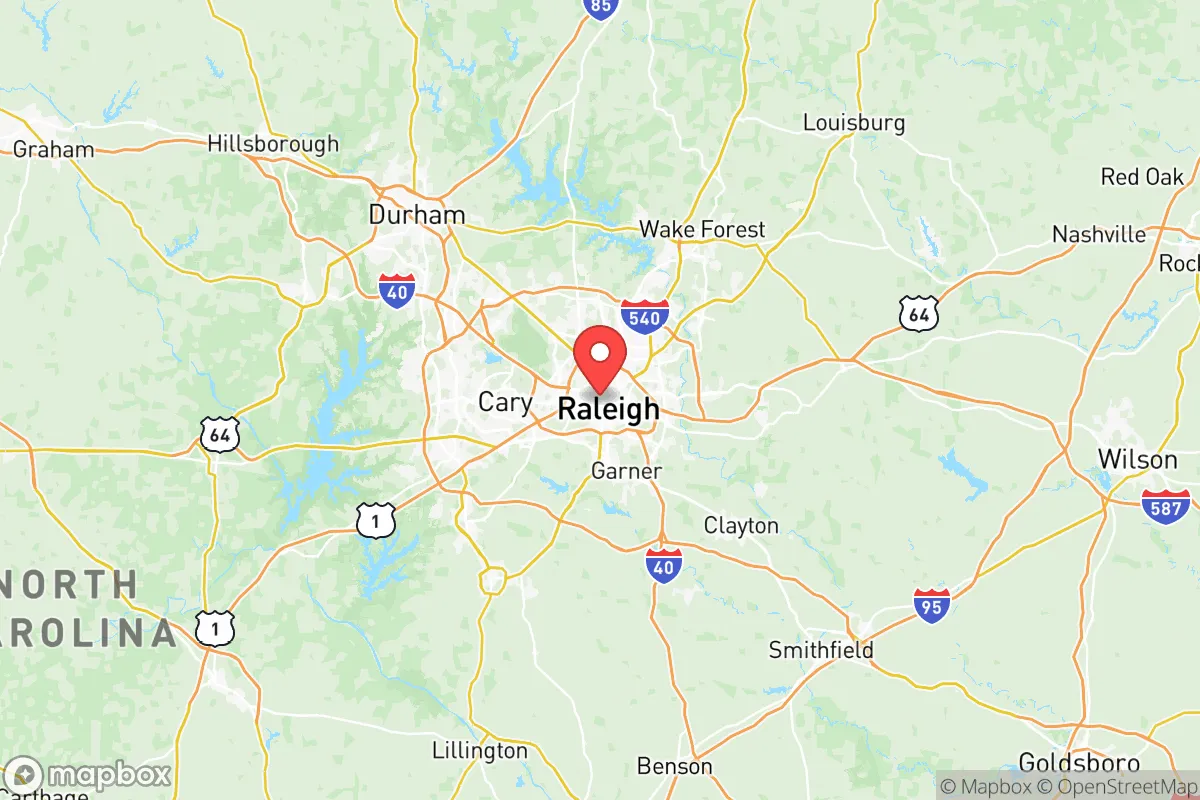
Best Places to Live in Wake County
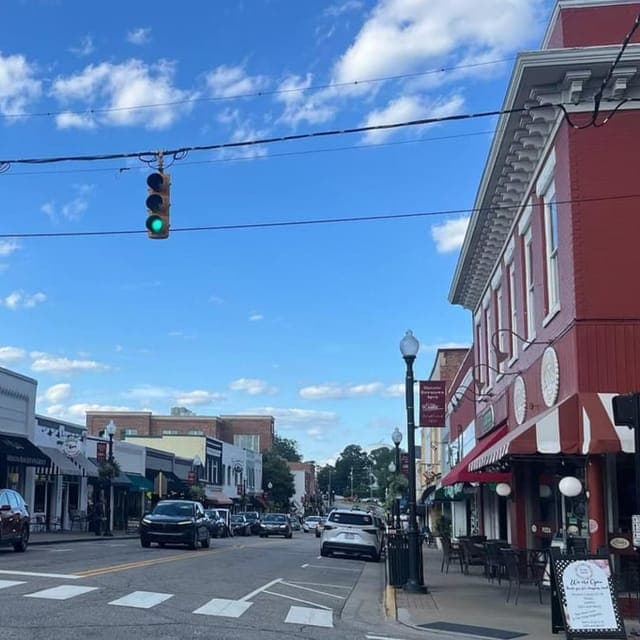
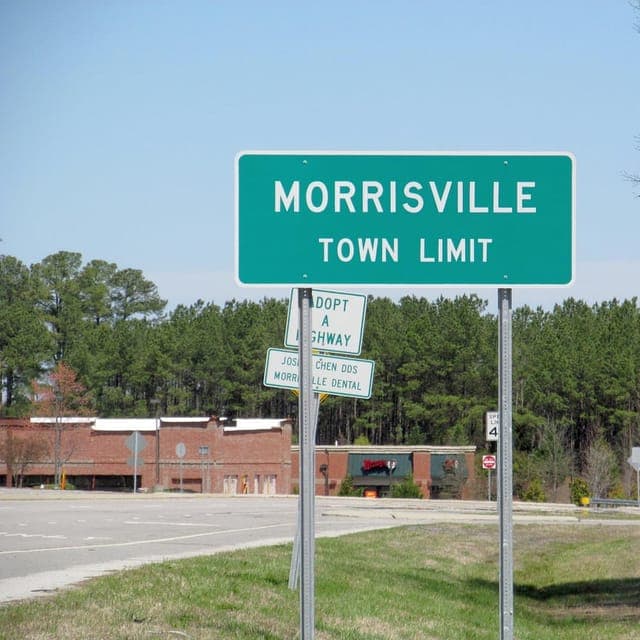
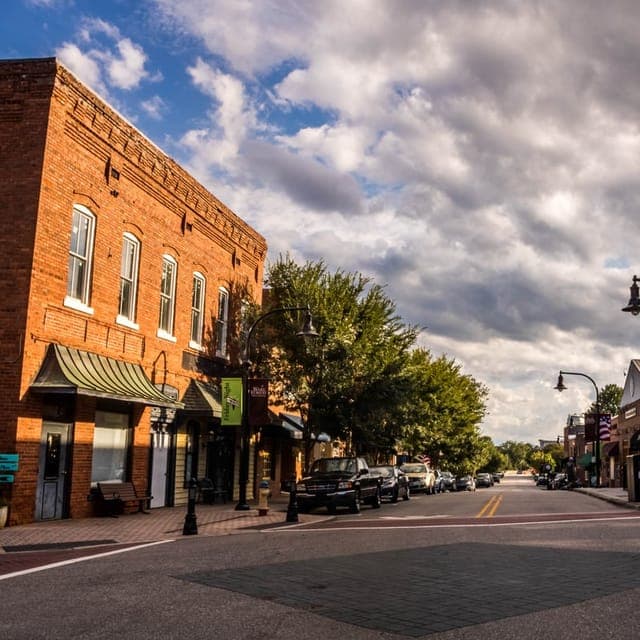
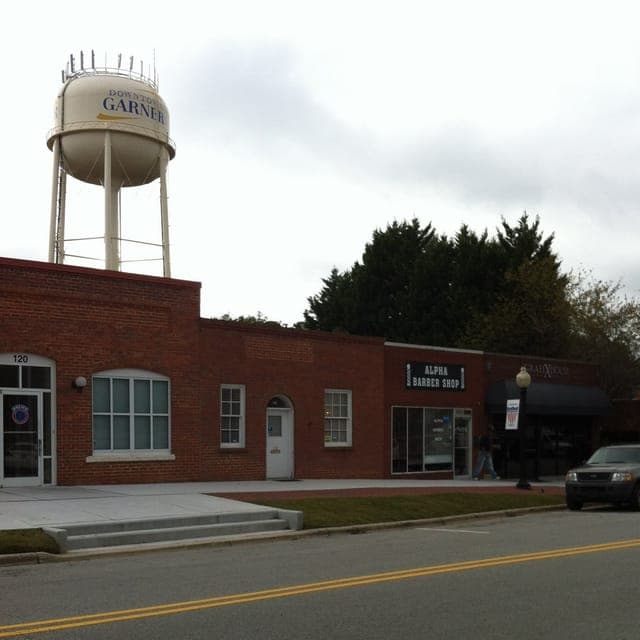

Cities & Towns in Wake County
Cities in Wake County
What It's Like Living in Wake County, NC
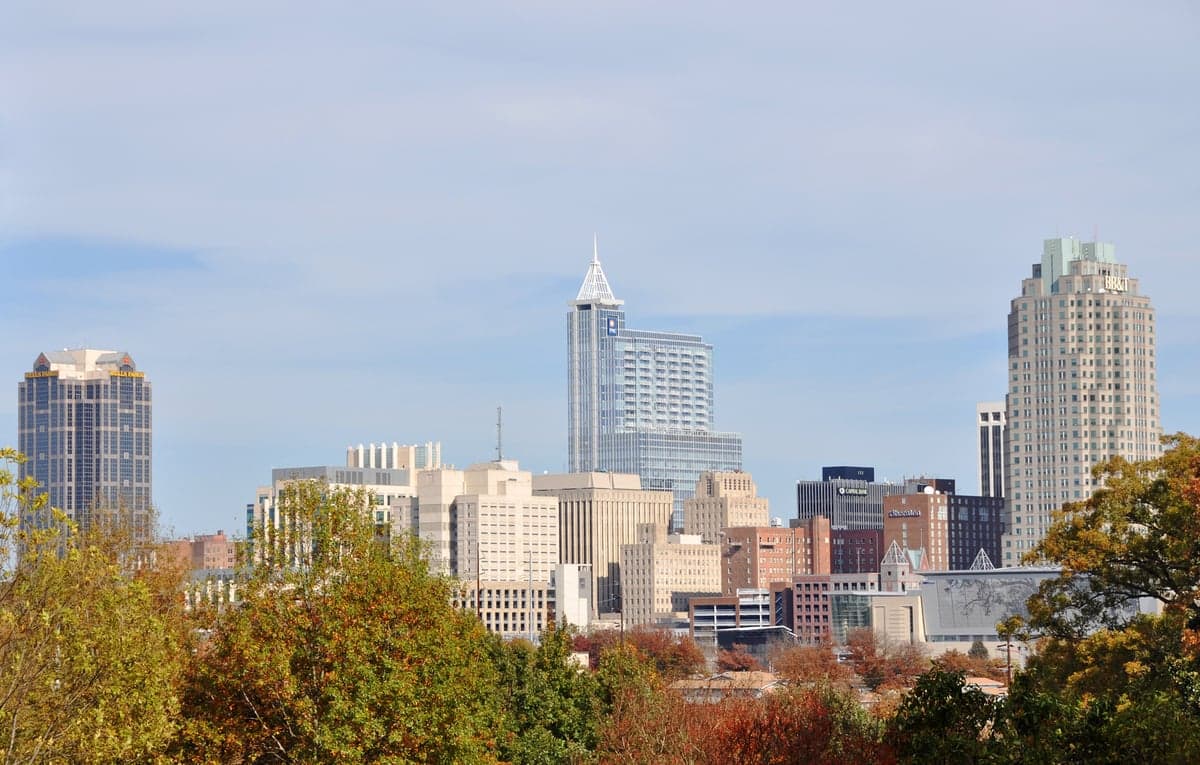
Wake County is the kind of place where you can grab a craft beer in downtown Raleigh, watch a high school football game in Fuquay-Varina, and then drive twenty minutes to a quiet horse farm in rural Zebulon — all in the same Saturday. It’s a fast-growing, educated, and increasingly expensive corner of North Carolina that attracts everyone from young tech workers to families looking for good schools, but it’s not without its growing pains. If you’re considering a move here, you’ll find a county that balances Southern friendliness with a serious work-and-play ethic, where the biggest debate is often whether the traffic is worth the opportunity.
The Daily Rhythm: Work, Commute, and Weekend Life
For most people, a typical weekday starts with a commute that averages about 25 minutes — not terrible for a metro of over 1.1 million, but the drive from Cary or Apex into downtown Raleigh can stretch to 40 minutes during rush hour. The county’s median income of $101,763 reflects a workforce heavy on tech, pharmaceuticals, and government jobs, with major employers like SAS, Lenovo, and WakeMed anchoring the economy. After work, you’ll find families heading to Holly Springs for a youth soccer game at the Ting Park sports complex, or singles grabbing dinner at a brewery in Garner’s historic downtown. Weekends are often split between outdoor time — the Neuse River Trail is a favorite for biking — and errands at places like the North Hills shopping center in Raleigh, which feels more like a small-town main street than a mall.
The weather shapes the rhythm, too. Summers are hot and humid, with July highs around 90°F, but the county has a real seasonal cycle: crisp falls with football games, mild winters that rarely see snow, and a spring that brings the azaleas and the North Carolina Azalea Festival in nearby Wilmington. Locals grumble about the pollen in March, but they’ll also tell you it’s worth it for the three solid months of perfect October weather.
Sports, Schools, and Community Identity
Sports here are a big deal, but not in the way you might expect. There’s no NFL or NBA team in Wake County — the closest pro action is the Carolina Hurricanes (NHL) in Raleigh and the Durham Bulls (minor league baseball) just a short drive away. Instead, the energy centers on college athletics, especially NC State University in Raleigh, where basketball games at PNC Arena draw huge crowds. But for many families, the real sports focus is high school football. Wake Forest High School and Fuquay-Varina High School pack bleachers on Friday nights, and the rivalry between Cary High and Apex High is a genuine community event. Youth sports are massive, too — if you have kids, expect to spend weekends at soccer fields or baseball diamonds in Morrisville or Knightdale.
Schools themselves are a major reason people move here. The Wake County Public School System is one of the largest in the country, with strong magnet programs and a reputation for academic rigor. That reputation pushes home values up — the median home price is $422,800, and in sought-after areas like Cary or Apex, you’ll pay closer to $550,000 for a three-bedroom. The trade-off is that 56.3% of adults hold a college degree, so you’re surrounded by educated neighbors who value the library system and the local parks. The county’s median age of 37.2 reflects a population that’s settled but still young enough to keep things lively.
What’s There to Do: Entertainment, Food, and Quirks
Wake County punches above its weight for entertainment. Raleigh’s downtown has a thriving food scene — try Poole’s Diner for upscale Southern comfort or Brewery Bhavana for a unique combination of dim sum, flowers, and beer. The North Carolina Museum of Art has a free outdoor park with walking trails and massive sculptures, and the Raleigh Farmers Market is a weekend ritual for fresh produce and boiled peanuts. For music, the Red Hat Amphitheater hosts big-name acts, while smaller venues like The Pour House in Raleigh’s Five Points neighborhood feature local bands. Festivals are a big draw: the Lazy Daze Arts & Crafts Festival in Cary and the Fuquay-Varina Balloon Festival bring out crowds every summer.
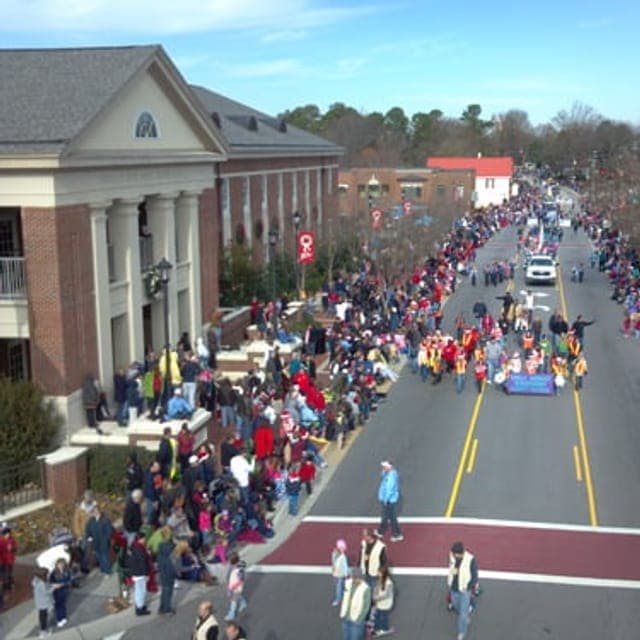
One quirk you’ll notice: locals are fiercely loyal to their specific town within the county. Someone from Apex will tell you it’s the best place to raise kids, while a Zebulon resident will brag about the slower pace and cheaper land. That sense of place is real, and it means you’ll quickly adopt your own town’s identity — whether that’s the historic charm of Wake Forest or the suburban convenience of Garner. The downside? The county’s rapid growth has led to constant construction, traffic on US-1 and I-40, and a feeling that some of the rural character is disappearing. Longtime residents in Rolesville or Wendell will tell you they miss when the main road was a two-lane country highway.
Pros and Cons of Living Here
- Pros: Excellent public schools, a strong job market with diverse industries, four distinct seasons without harsh winters, and a mix of urban and rural living within 30 minutes. The cost of living index of 138 is high for North Carolina but still lower than comparable metros like Austin or Denver. The violent crime rate of 299.4 per 100,000 is slightly above the national average, but most of that is concentrated in specific parts of Raleigh; suburban towns like Cary and Apex feel very safe.
- Cons: Traffic is the number one complaint — the commute from Fuquay-Varina to Raleigh can be a slog, and road expansion hasn’t kept up with population growth. Housing is expensive and getting more so, especially for single people on a median income. The weather can be humid and sticky from June through September, and hurricane season (August-October) brings occasional flooding and power outages. Some locals also feel the county’s rapid growth has eroded its small-town feel, with strip malls and subdivisions replacing farmland.
Who fits in here? Wake County works best for people who value education, don’t mind a bit of traffic, and want access to both city amenities and outdoor space. It’s a great fit for families who prioritize schools and for professionals in tech or healthcare who want a balanced life. If you’re single and looking for a vibrant nightlife, downtown Raleigh delivers, but you’ll pay for it in rent. If you’re a parent, you’ll find a community that revolves around school events, sports, and weekend errands — and you’ll probably end up at a Wake Forest football game or a Holly Springs park on a Saturday afternoon. The county isn’t perfect, but for most people who move here, the trade-offs are worth it.

* Values derived from national, state, county, city and local statistics and may differ in a specific area. Last updated: 2026-05-08T06:59:30.000Z
Narrative content on this page is AI-generated and may contain mistakes. Verify any details that matter before acting on them.
ReloMaps may earn a commission from affiliate links at no extra cost to you.

