
Photo: Wikipedia
Quality of Life in Adams County
A livable area that tracks near national norms for affordability, walkability, and neighborhood health.
What does Quality of Life tell us?
Quality of Life measures an area by evaluating factors like cost of living, nearby amenities, country club access, airport proximity, socioeconomic signals and neighborhood character. For large states, this is a general average — quality of life can vary dramatically between metro areas, suburbs, and rural communities within the same state.
What does this tell us?
Quality of Life measures an area by evaluating factors like cost of living, nearby amenities, country club access, airport proximity, socioeconomic signals and neighborhood character. For large states, this is a general average — quality of life can vary dramatically between metro areas, suburbs, and rural communities within the same state.
Cost of Living
53% above national average
70%
The Real Cost of Living in Adams County for 2026
| Tier | Individual | Family (4) |
|---|---|---|
| Survival | $27k | $51k |
| Comfortable | $89k | $131k |
| Luxury | $139k+ | $215k+ |
| Elite (Top 5%) | $163k+ | $253k+ |
Quality-of-Life Analysis
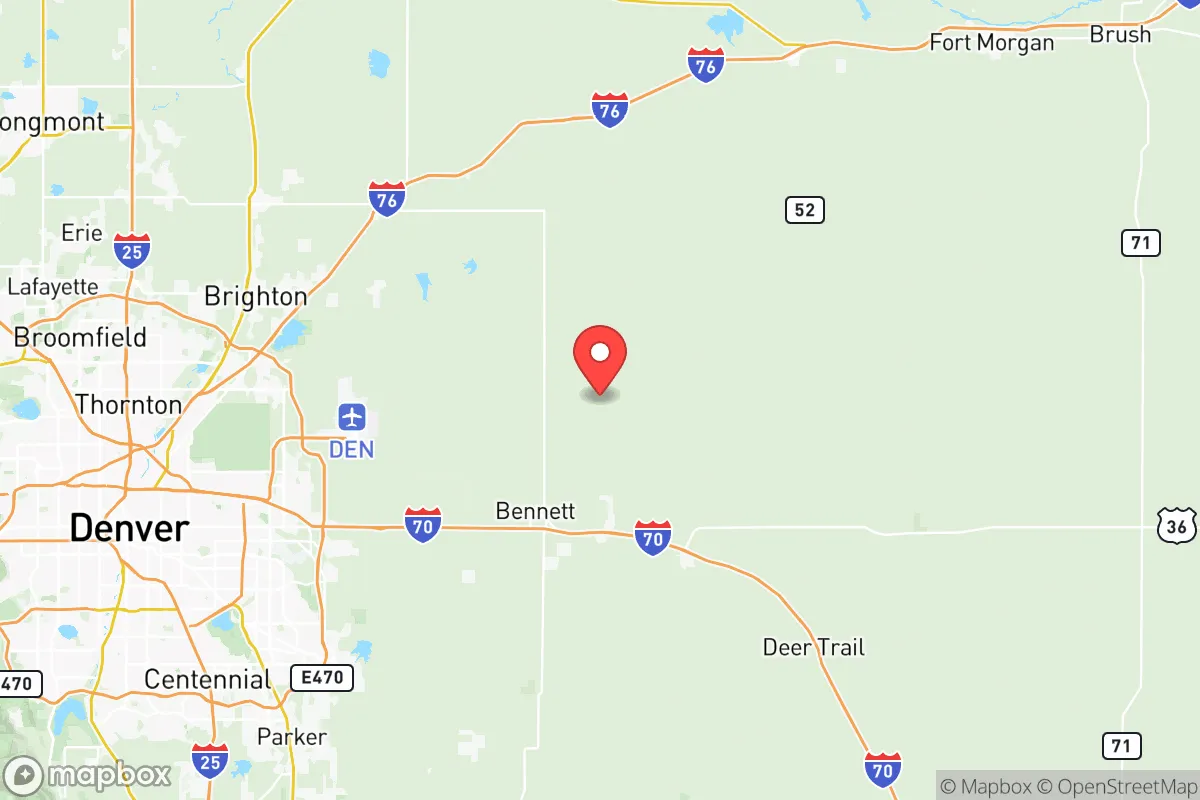
Adams County, Colorado, offers a broad quality-of-life spectrum that spans dense, amenity-rich suburbs in the Denver metro orbit, historic agricultural towns, and quiet unincorporated plains. This diversity attracts a wide range of residents: young professionals and families seeking commuter-friendly suburbs in the county’s southwestern corner, long-time ranchers and farmers in the eastern plains, and those looking for more affordable housing options away from Denver’s core. The county’s character shifts noticeably from the Front Range urban corridor to the open, rural landscape east of Interstate 76.
Largest town(s) & population centers
The county’s primary population anchor is Aurora, which extends into Adams County from its larger Arapahoe County portion, and Thornton, Westminster, and Northglenn along the South Platte River corridor. These cities form a continuous suburban belt with strong employment bases, extensive retail, and direct light-rail access to downtown Denver via the Regional Transportation District (RTD). Daily life here is defined by commuter patterns — the average commute across the county is 29.7 minutes — and access to large parks, school districts like Adams 12 Five Star Schools, and regional shopping centers such as the Orchard Town Center in Westminster. Commerce City, home to the Rocky Mountain Arsenal National Wildlife Refuge and the Dick’s Sporting Goods Park soccer stadium, offers a more industrial and logistics-oriented character, with a growing residential base near the refuge’s open space.
Smaller towns & rural pockets
East of the suburban core, the county’s landscape opens into agricultural plains dotted with small, independent communities. Brighton, the county seat, retains a historic downtown along the South Platte River and a small-town feel, though it is experiencing rapid suburban expansion. Further east, Fort Lupton and Hudson are smaller farming towns with deep agricultural roots, where sugar beet and corn fields still dominate the view. Unincorporated areas like Barr Lake (around the state wildlife area) and the rural stretches near Watkins and Bennett (which straddles the Arapahoe County line) offer true rural living with larger lots, well water, and septic systems. These pockets are home to equestrian properties, hobby farms, and residents who prioritize space and quiet over urban convenience.
Cost & lifestyle range
The cost of living and lifestyle options vary dramatically across Adams County. The county-wide cost-of-living index of 153 (100 is the U.S. average) reflects the premium of the Front Range, but this average masks a wide spread. In the southwestern suburbs like Westminster and Thornton, median home values hover near the county median of $458,400, with median rent at $1,713. These areas offer the highest concentration of restaurants, entertainment, and professional services. In contrast, eastern towns like Fort Lupton and Hudson typically have lower home prices — often 10–20% below the county median — and fewer immediate amenities, requiring longer drives for groceries or healthcare. The trade-off is more land per dollar: a $400,000 budget in Hudson might buy a 3-bedroom house on an acre, while the same amount in Westminster might yield a townhouse on a small lot. For renters, the $1,713 median rent is most common in the suburban core; rural rentals are scarcer and often older stock.
Residents who thrive in Adams County are those comfortable with its internal contrasts. Commuters who work in Denver or Boulder find the southwestern suburbs practical, with RTD light-rail stations in Thornton and Westminster. Families seeking good schools and suburban amenities gravitate to the larger towns. Agricultural workers, equestrians, and those wanting a slower pace with lower land costs are drawn to the eastern plains. The county’s strength lies in offering both the convenience of a major metro area and the authenticity of Colorado’s agricultural heritage, all within a single county boundary.

Crime in Adams County
Crime rates similar to the national median for U.S. locations.
Violent CrimeViolent Crime Analysis
Property CrimeProperty Crime Analysis
Crime Analysis
Adams County, Colorado, presents a mixed safety picture: its violent crime rate of 405.4 per 100,000 residents is notably higher than the national average, while its property crime rate of 2,092.1 per 100,000 also exceeds state and national benchmarks. The county, part of the Denver-Aurora-Lakewood metropolitan area, includes a mix of older industrial suburbs and rapidly growing exurbs, creating significant variation in safety from one jurisdiction to the next. Residents in communities like Brighton and Commerce City face different risks than those in quieter, more suburban areas such as Westminster or Thornton.
Crime in context
Adams County's violent crime rate of 405.4 per 100,000 is roughly 15% higher than the national average of about 352 per 100,000 and significantly above Colorado's statewide rate of approximately 380 per 100,000. The property crime rate of 2,092.1 per 100,000 is nearly 30% above the national average of roughly 1,650 per 100,000. These figures place Adams County among the higher-crime counties in the Denver metro area, though still below the most challenged urban cores. The 17th Judicial District, which covers Adams and Broomfield counties, has faced criticism for progressive prosecutorial policies under District Attorney Brian Mason, who has emphasized alternatives to incarceration and reduced sentences for certain nonviolent offenses. Critics argue such approaches can lead to higher recidivism and embolden property criminals, particularly in areas like Aurora and unincorporated Adams County where property crime rings operate across jurisdictional lines.
What residents experience
For residents, the most tangible impact is property crime. Vehicle theft and burglary are the most common complaints, especially in commercial corridors along I-76 and Highway 85. Commerce City, home to the Suncor Energy refinery and a growing logistics hub, reports concentrated property crime near industrial parks and strip malls. Brighton, the county seat, sees a mix of rural and suburban property crime, with thefts from vehicles and sheds being frequent. In contrast, the more established neighborhoods of Westminster and the southern parts of Thornton near the Denver border report lower violent crime rates, though property crime remains a concern. The progressive policies of the district attorney's office have been a point of contention: while intended to reduce jail overcrowding and address root causes, they have been linked to faster release of repeat property offenders, frustrating victims and law enforcement alike. Residents in areas like Federal Heights and Northglenn often express frustration that stolen property cases are not aggressively prosecuted, leading to a perception that the justice system prioritizes offender rehabilitation over public safety.
Neighborhood-level variation
Safety varies dramatically within Adams County. The safest pockets are generally in the western and southern portions—Westminster and Thornton near the Boulder County line—where violent crime rates can be half the county average. These areas benefit from well-funded police departments and more conservative local governance. Conversely, the eastern and central parts of the county, including parts of Brighton and unincorporated areas near Denver International Airport, see higher rates of both violent and property crime. The city of Aurora, which straddles Adams and Arapahoe counties, has a particularly complex crime landscape, with some neighborhoods near I-225 and Colfax Avenue experiencing gang-related violence and auto theft. For prospective residents, choosing a specific city or neighborhood within Adams County is critical: a move to a safer suburb like Westminster can mean a dramatically different safety experience compared to a more urban or industrial area like Commerce City or central Brighton. Consulting local police department crime maps and speaking with residents in specific subdivisions is strongly recommended before relocating.
* Values derived from national, state, county, city and local statistics and may differ in a specific area. Last updated: 2026-05-13T12:29:41.000Z
Narrative content on this page is AI-generated and may contain mistakes. Verify any details that matter before acting on them.
ReloMaps may earn a commission from affiliate links at no extra cost to you.

