Photo: Wikipedia
Find The Best Places To Live
in Cottage Grove
PRO TIP! You can paste a Zillow or Redfin link to get info on that property.
What It's Like Living in Cottage Grove, OR
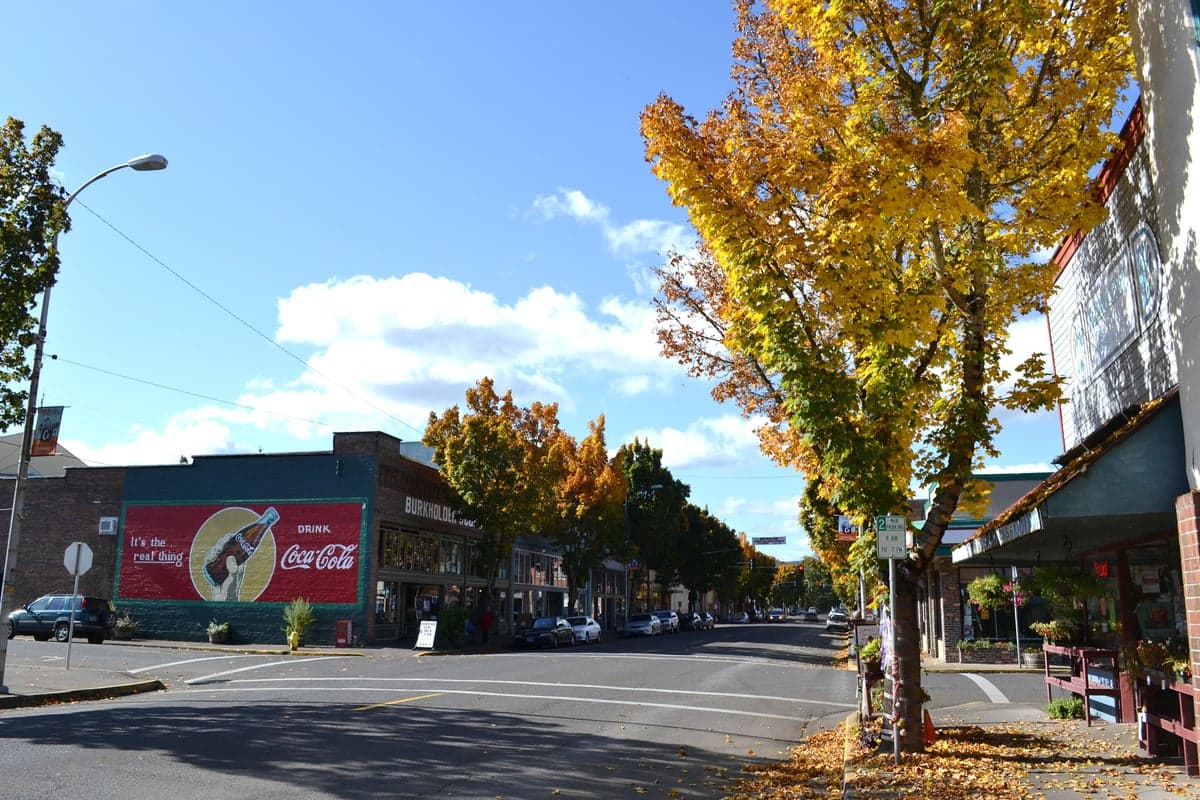
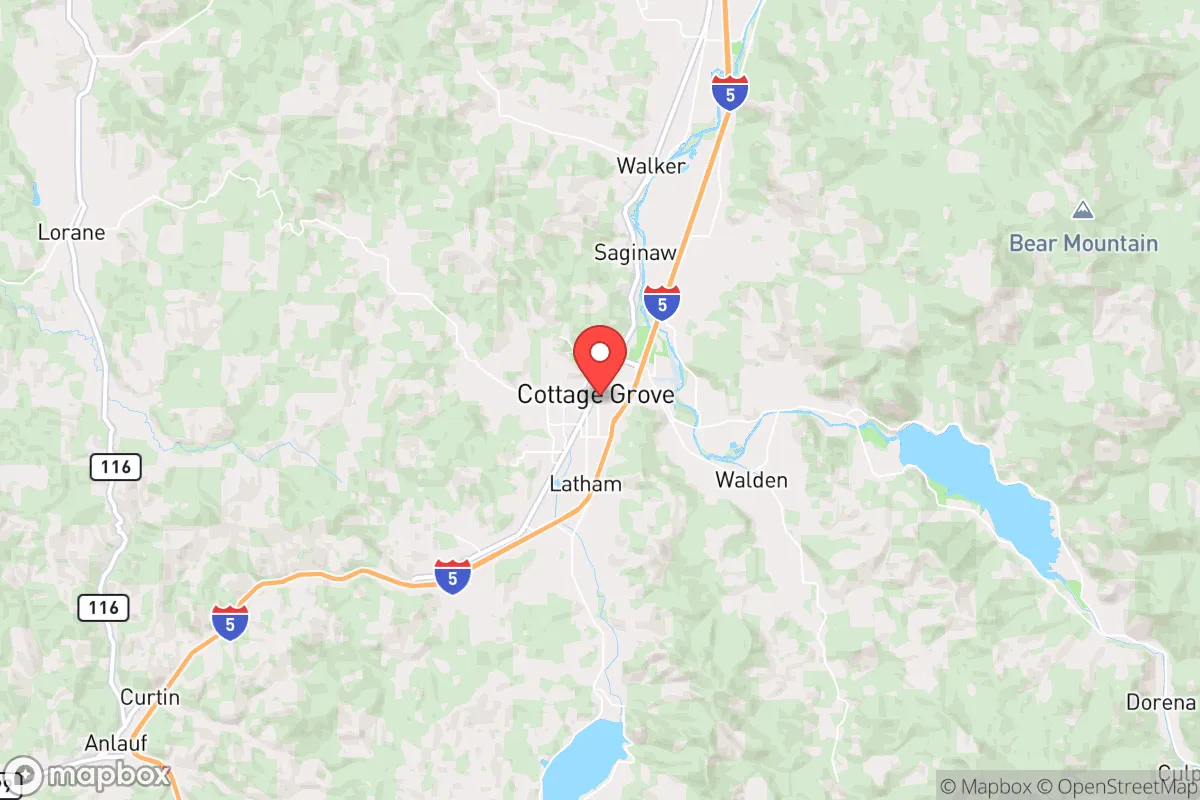
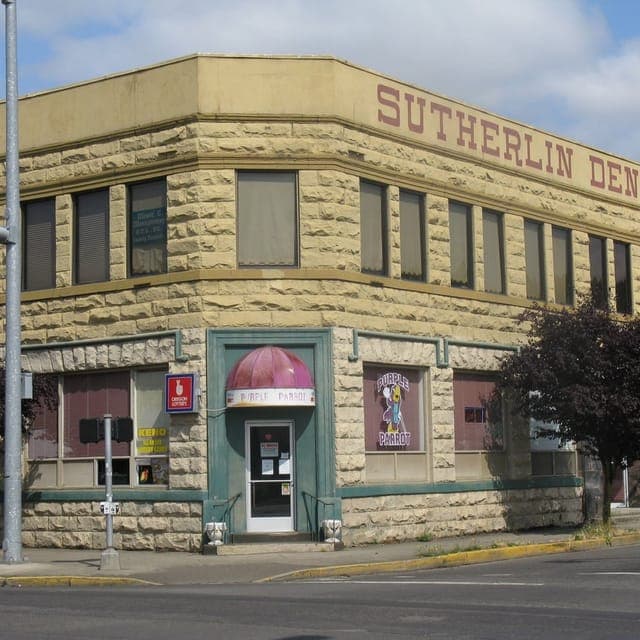
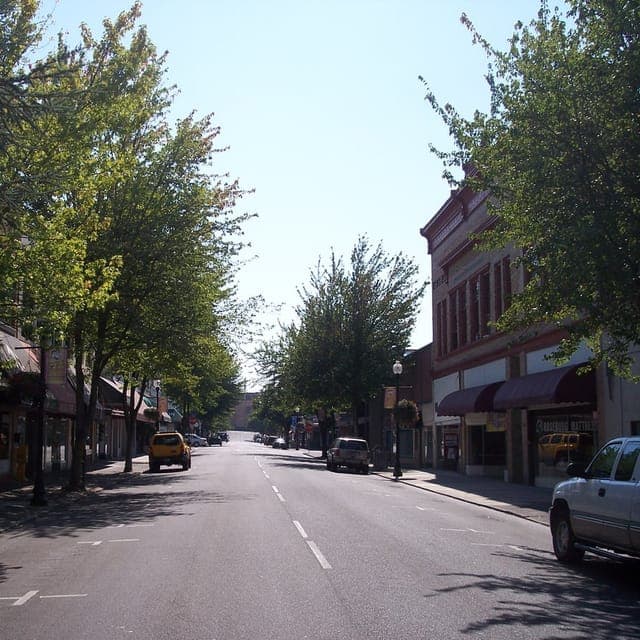
Cottage Grove feels like a place where the past and present coexist without much fuss. It’s a working-class town of about 10,630 people, tucked along the I-5 corridor south of Eugene, and it wears its history on its sleeve—literally, with covered bridges and a downtown that hasn’t been polished into something it’s not. The vibe is less “quaint small town” and more “we know our neighbors and we’re fine with that.” If you’re looking for a place where you can actually afford a house and still be within striking distance of the coast or the mountains, this might be your spot.
Daily Rhythm: What People Actually Do Here
Most days in Cottage Grove move at a slower pace than what you’d find in Eugene, 20 minutes north. The average commute is about 21 minutes, which is short enough that people don’t spend their lives in traffic. A lot of residents work in construction, healthcare, or at local manufacturers like Rosboro (a major lumber producer) or Starfire Lumber. Others commute to Eugene for jobs at the university or PeaceHealth. The median household income is $64,133, which is a bit below the state average, but the cost of living index sits at 98—slightly cheaper than the national average—so that money stretches further here than it would in Portland or Bend.
Weekends often start with a coffee at Axe & Rose or a breakfast burrito from Village Green. People spend their free time on the Row River Trail, a paved path that follows an old rail line past covered bridges and through oak savanna. The Cottage Grove Lake is a 15-minute drive south, where locals fish for bass and crappie or just float in the summer. There’s no mall, no Whole Foods—shopping is mostly at the local Bi-Mart or the Grocery Outlet, and for anything bigger, people head to Eugene. That’s not a complaint for most residents; it’s just how it works.
Sports, Community, and the Things That Bring People Together
High school sports are the main event here. Cottage Grove High School (the Lions) draws solid crowds for Friday night football in the fall, and the gym gets loud during basketball season. There’s no pro or college team in town, but the Oregon Ducks are a religion—you’ll see flags and bumper stickers everywhere, and game-day traffic on I-5 picks up noticeably when the Ducks play at Autzen Stadium. For a town this size, the community rallies hard around its kids. The Bohemia Mining Days festival in July is the biggest annual event, with a parade, a carnival, and a logging competition that feels like a throwback to the town’s timber roots. The Covered Bridge Festival in August is smaller but draws people who appreciate the town’s six historic bridges—more than any other city in Oregon.
Music and nightlife are low-key. The Axe & Fiddle is a pub and music venue that hosts local bands and open mic nights. The Brewstation is a popular spot for craft beer and burgers. There’s no dance club, no comedy club—entertainment here is about hanging out with people you know, not about spectacle. The Cottage Theatre puts on community productions that are genuinely well-done, and the Opal Center for Arts & Education offers classes and gallery shows. If you’re the kind of person who needs a new restaurant to try every weekend, you’ll get bored. If you’re fine with a rotation of three or four solid spots and a good beer list, you’ll be happy.
Who Fits In—and Who Doesn’t
Cottage Grove tends to attract people who value space and quiet over convenience and variety. The median age is 39.3, which is slightly older than the national average, and about 20.7% of adults hold a bachelor’s degree or higher—well below the state average. That’s not a knock; it just means the town is more blue-collar and less transient than college towns. You’ll find a mix of young families who bought a starter home for the median price of $318,800 (still affordable by Oregon standards), retirees who want to be near Eugene without paying Eugene prices, and tradespeople who work locally. The political lean is mixed—Lane County as a whole votes blue, but Cottage Grove itself has a noticeable conservative streak, especially among longer-term residents. You’ll see Trump signs and BLM signs in the same neighborhood, and people mostly get along.
What frustrates longtime residents? The lack of good jobs for younger people is a common complaint. The school system is decent but not exceptional, and the South Lane School District has faced budget pressures like most rural districts. The violent crime rate is 177.5 per 100,000, which is below the national average of about 380, but property crime—especially car break-ins and shed thefts—can be an issue near the I-5 corridor. The weather is classic Oregon valley: gray and drizzly from November through March, with stretches of fog that can make mornings feel claustrophobic. Summers, though, are spectacular—dry, sunny, and in the 80s, with no humidity.
What people love is the genuine sense of community. Neighbors help each other. The Cottage Grove Farmers Market on Saturdays is a social hub, not just a place to buy kale. The Row River Trail is a gem that connects the town to the Umpqua National Forest, and you can be hiking in old-growth forest within 20 minutes. The covered bridges aren’t just photo ops—they’re landmarks that give the town an identity. If you’re the kind of person who wants to know your mail carrier’s name and doesn’t mind driving 20 minutes for a Target run, Cottage Grove is a genuinely good place to land.

Similar towns to Cottage Grove

* Values derived from national, state, county, city and local statistics and may differ in a specific area. Last updated: 2026-10-10T16:27:13.000Z
Narrative content on this page is AI-generated and may contain mistakes. Verify any details that matter before acting on them.
ReloMaps may earn a commission from affiliate links at no extra cost to you.

