Find The Best Places To Live
in Dripping Springs
PRO TIP! You can paste a Zillow or Redfin link to get info on that property.
What It's Like Living in Dripping Springs, TX
Dripping Springs feels less like a typical small town and more like a carefully curated slice of Hill Country living where the median home value sits at $579,300 and the median household income hits $106,103. It’s the kind of place where people move to get away from Austin’s chaos but still want to be close enough to drive in for a concert or a work meeting. The vibe is equal parts rural charm and suburban polish, with a heavy dose of “we chose this on purpose” pride among the 6,322 residents.
The Daily Rhythm: What People Actually Do Here
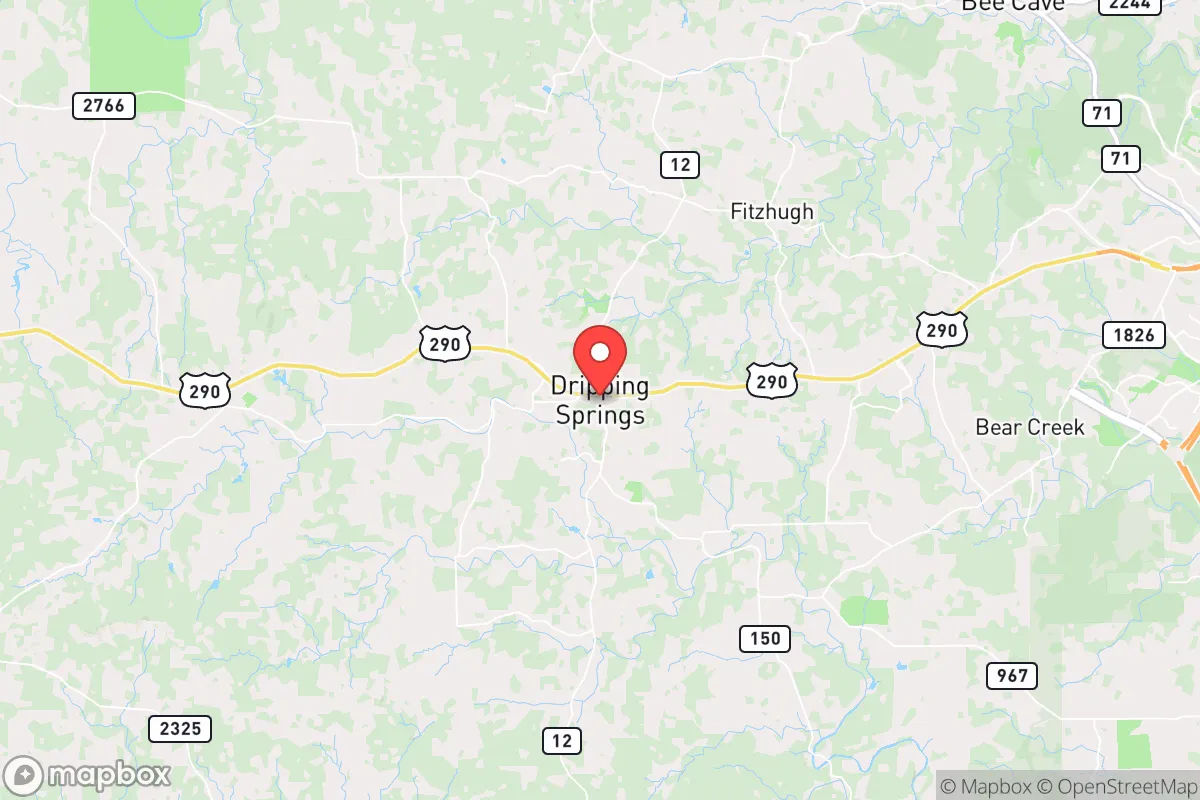
Most mornings start with a commute that averages about 27 minutes, which is longer than you’d expect for a town this size, but that’s the trade-off for living in a place that feels remote while still being 20 miles from downtown Austin. The main drag, US 290, is the lifeline, and it’s where you’ll find the H-E-B, the local coffee shops, and the inevitable traffic jams during tourist season. Weekends are spent at the Dripping Springs Farmers Market, hiking at Reimers Ranch Park, or grabbing a beer at one of the dozen-plus distilleries and breweries that have turned the area into a mini wine-and-whiskey trail. The median age is 37.3, which tracks: this is a town of established couples and young families who’ve already done the apartment-in-Austin thing and decided they wanted a yard and a slower pace.
Sports, Festivals, and the Local Identity
High school sports are the main event here. Dripping Springs High School’s football games on Friday nights draw crowds that rival some small colleges, and the volleyball and soccer teams regularly make deep playoff runs. There’s no pro team in town, but the Austin FC soccer fandom has trickled out this way, and you’ll see plenty of verde jerseys at local bars. The big cultural marker is the Dripping Springs Founders Day Festival each October, which is part carnival, part craft fair, and part excuse for everyone to show up and remember why they moved here. The town’s identity is heavily tied to its “Gateway to the Hill Country” branding, which means locals are protective of the open spaces and the lack of strip malls—though that’s changing fast as new subdivisions pop up.
What’s There to Do: Restaurants, Parks, and Hangouts
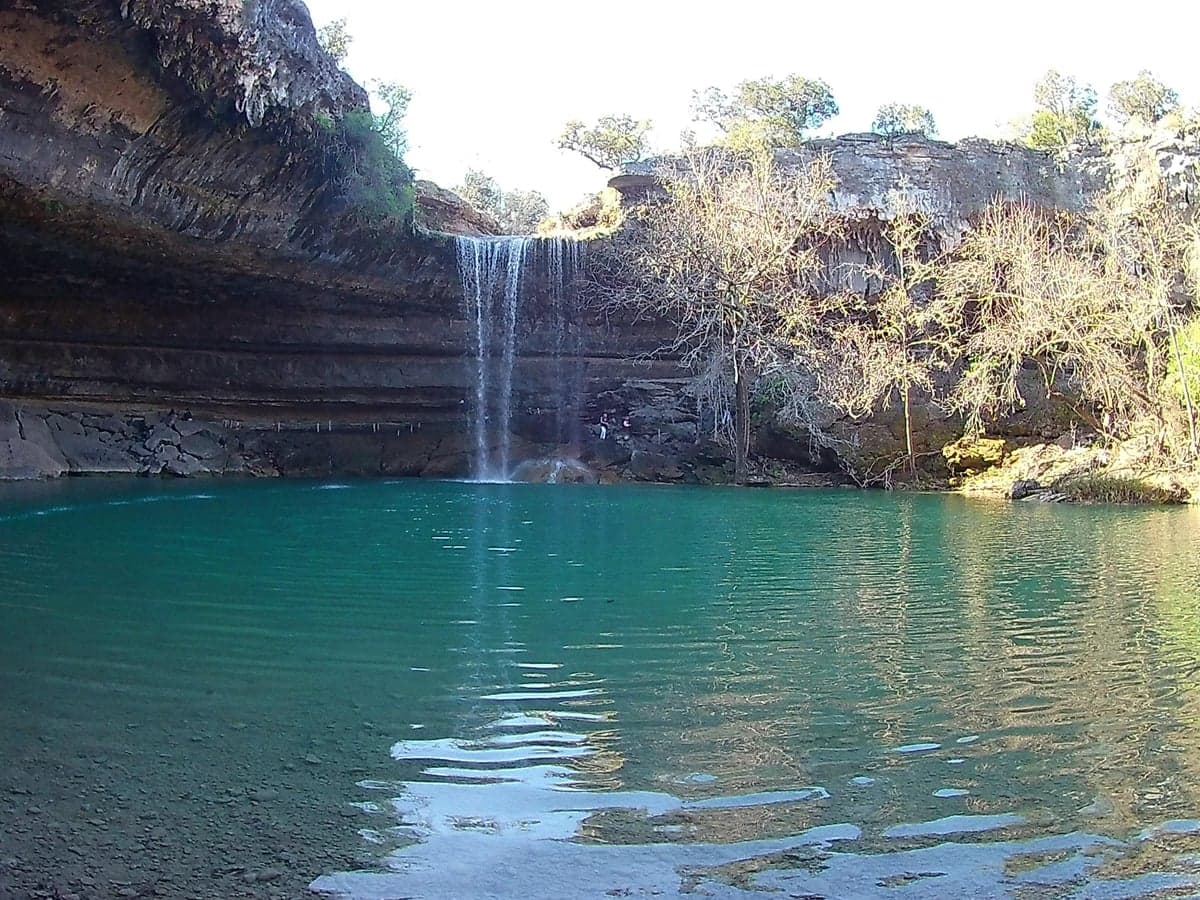
The food scene punches above its weight for a town of 6,300. Mercey’s on 12 is the go-to for date-night Italian, Salt Lick BBQ in nearby Driftwood is a pilgrimage for out-of-towners, and Hillside Farmacy does a solid brunch. For drinks, Treaty Oak Distilling and Jester King Brewery are the anchors, drawing crowds with live music and sprawling outdoor seating. Outdoor life is the main draw: Hamilton Pool Preserve is a 15-minute drive, Pedernales Falls State Park is 20 minutes, and the Barton Creek Greenbelt is close enough for a day hike. The downside is that most of these spots are packed on weekends, especially in spring and fall. The cost of living index sits at 185, which is nearly double the national average, so eating out and weekend trips add up fast.
Pros and Cons of Living in Dripping Springs
- Pro: Genuine community feel. People know their neighbors, the schools are a central hub, and there’s a real sense of “we’re all in this together” that’s rare in the Austin suburbs.
- Pro: Access to nature. You’re 10 minutes from world-class swimming holes and hiking trails, and the Hill Country views from almost any back road are stunning.
- Con: Traffic on 290. The commute to Austin can balloon to 45 minutes during peak hours, and the road is a two-lane bottleneck in spots that feels inadequate for the growth.
- Con: Limited shopping and dining variety. You’ll drive to Bee Cave or Austin for anything beyond the basics, and the restaurant rotation gets old fast if you eat out often.
- Con: Crime rate is higher than you’d expect. The violent crime rate is 342.3 per 100,000, which is above the national average and catches some newcomers off guard given the bucolic setting.
Who Fits In—and Who Doesn’t
This town works best for people who are financially comfortable—63.1% of adults hold a college degree, and the median income supports the high cost of living. It’s a place for families who want good schools (the district is highly rated) and for couples who want weekend hiking and brewery hopping without the Austin noise. It’s less ideal for singles in their 20s or anyone on a tight budget, because the social scene is family-oriented and the housing market is brutal. The cultural quirks are subtle: people wave on the trails, they’re serious about their local honey and pecans, and there’s a quiet resistance to the rapid development that’s turning ranchland into subdivisions. If you’re looking for a place that feels like a small town but has the amenities and income level of a wealthy suburb, Dripping Springs delivers—as long as you can handle the commute and the crowds at Hamilton Pool.

Similar small towns to Dripping Springs
* Values derived from national, state, county, city and local statistics and may differ in a specific area. Last updated: 2026-10-10T16:27:18.000Z
Narrative content on this page is AI-generated and may contain mistakes. Verify any details that matter before acting on them.
ReloMaps may earn a commission from affiliate links at no extra cost to you.

