Quality of Life in Dripping Springs, TX
A high quality of life with strong walkability, manageable living costs, healthy neighborhood signals, and solid amenity access.
What does Quality of Life tell us?
Quality of Life blends cost of living, nearby amenities, socioeconomic signals, and neighborhood character. City-level scores represent the whole municipality; individual neighborhoods can differ.
What does this tell us?
Quality of Life blends cost of living, nearby amenities, socioeconomic signals, and neighborhood character. City-level scores represent the whole municipality; individual neighborhoods can differ.
Cost of Living
85% above national average
The Real Cost of Living in Dripping Springs, TX for 2026
| Tier | Individual | Family (4) |
|---|---|---|
| Survival | $32k | $60k |
| Comfortable | $113k | $165k |
| Luxury | $192k+ | $297k+ |
| Elite (Top 5%) | $229k+ | $355k+ |
64%
The Area Signal
A metric tracking the socioeconomic signals of the area.


Hobbies
Explore the areaGroceries
0 within 10 miles
Gas
0 within 10 miles
Hospital
3 within 20 miles
Airport
AUS — Austin-Bergstrom International
Post Office
USPS — Austin, TX
Critical Amenities
Quality-of-Life Analysis
Dripping Springs is one of the most affluent communities in the Austin metro area, with a cost of living index of 185 (85% above the U.S. average) that reflects its desirability and limited housing supply. The population skews toward established professionals, executives, and families seeking a semi-rural lifestyle within commuting distance of Austin’s tech and corporate job centers. Median household incomes are well above state averages, and the town’s rapid growth since 2010 has been driven largely by relocating families and remote workers drawn to its Hill Country setting and highly rated schools.
Cost of living, housing prices, and how affordability compares to Austin and nearby suburbs
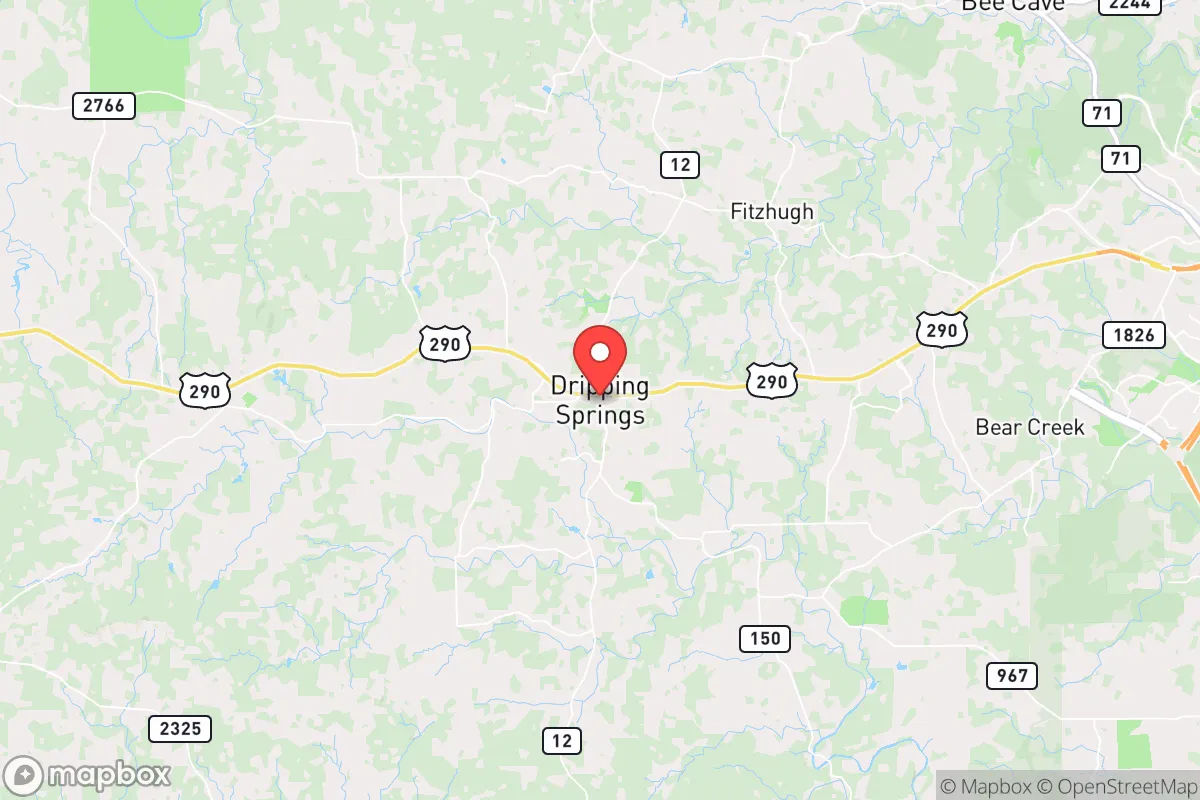
Housing is the primary driver of Dripping Springs’ high cost of living. The median home value sits at $579,300, significantly above the national median of roughly $350,000 and on par with many Austin proper neighborhoods. For renters, the median monthly rent is $1,985, which is lower than central Austin’s $2,200+ average but still steep compared to nearby suburbs like Kyle ($1,600) or Buda ($1,700). The average commute of 26.7 minutes is slightly longer than the Austin metro average of 24 minutes, reflecting the town’s location about 20 miles west of downtown. Property taxes in Hays County are moderate by Texas standards (around 1.8% of assessed value), but the high base home price means annual tax bills often exceed $10,000. For buyers, the trade-off is clear: you pay a premium for larger lots, lower density, and direct access to Hill Country scenery that closer-in suburbs like Sunset Valley or Westlake cannot match at the same price point.
What daily life is like for families: schools, amenities, and the local rhythm
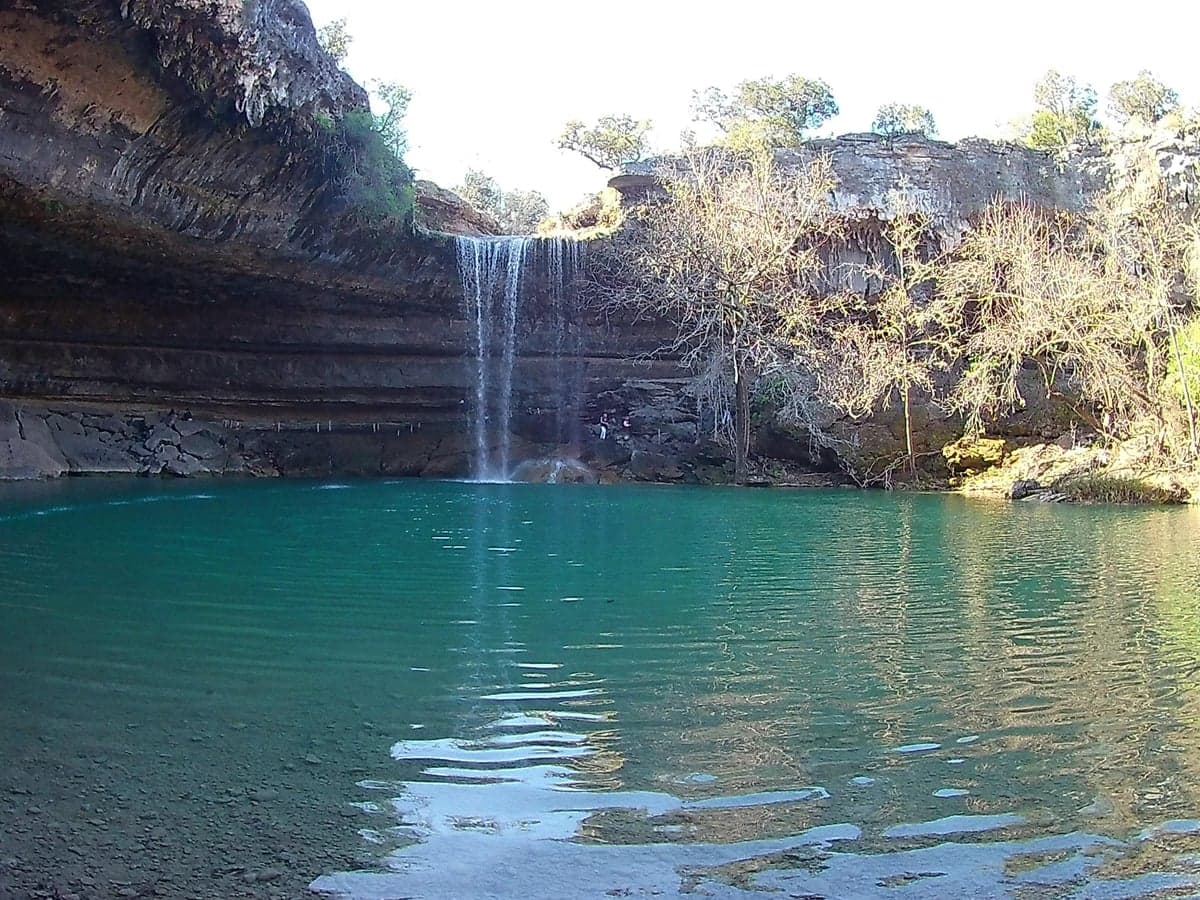
Daily life in Dripping Springs revolves around its top-tier school system, the Dripping Springs Independent School District, which consistently earns an A rating from the Texas Education Agency and ranks among the top 10% of Texas districts. The district’s elementary and middle schools feed into Dripping Springs High School, known for strong STEM and fine arts programs. Amenities are clustered along U.S. Highway 290, with grocery anchors like H-E-B and a growing number of local restaurants, breweries, and boutiques replacing the town’s former “one stoplight” reputation. Outdoor recreation is a major draw: residents use the 40-acre Dripping Springs Ranch Park for sports and events, and the nearby Pedernales River State Park and Hamilton Pool Preserve provide swimming, hiking, and camping within a 15-minute drive. The town’s growth has brought more traffic to 290 during peak hours, but the overall pace remains slower and quieter than suburban hubs like Round Rock or Cedar Park. Weekend farmers’ markets and seasonal events like the Dripping Springs Founders Day Parade reinforce a tight-knit, community-oriented feel.
Dripping Springs is best suited for families and professionals who prioritize school quality, outdoor access, and space over urban convenience and lower housing costs. Remote workers and those with flexible schedules will appreciate the slower pace and natural surroundings, while daily commuters to downtown Austin or the Domain should budget for the 25–35 minute drive. Retirees and empty-nesters also find the area appealing, though the high cost of living and limited rental inventory can be barriers for younger singles or first-time buyers. For anyone seeking a Hill Country lifestyle with strong schools and a clear sense of community, Dripping Springs delivers—at a premium that continues to rise.

Crime in Dripping Springs, TX
Crime rates similar to the national median for U.S. locations.
Violent CrimeViolent Crime Analysis
Property CrimeProperty Crime Analysis
Crime Analysis
Dripping Springs is a notably safe community by national standards, but its crime rates are elevated compared to the safest small Texas towns. The city’s violent crime rate of 342.3 incidents per 100,000 residents and property crime rate of 1,780.9 per 100,000 place it above the national average for violent crime (roughly 380 per 100K) but below the Texas state average for property crime (around 2,200 per 100K). However, as a rapidly growing suburb of Austin—a large metro area with increasingly progressive district attorneys and judges—residents should be aware that the broader regional justice environment can influence local safety outcomes.
Crime in context
Dripping Springs’ violent crime rate of 342.3 per 100K is about 10% lower than the national average but roughly 15% higher than the Texas state average for violent crime. Property crime at 1,780.9 per 100K is 19% below the Texas average, making it a relative bright spot. However, these figures mask a concerning trend: as the city grows and becomes more integrated with the Austin metro area, it is subject to the same criminal justice policies that have drawn criticism in nearby Travis County. Progressive prosecutors in Austin have implemented policies that reduce pretrial detention and lower bail for repeat offenders, a philosophy that, while sympathetic to offenders, can lead to more criminals on the street and negatively impact justice for victims and the public. Dripping Springs itself is in Hays County, which has a more conservative district attorney, but the proximity to Austin means that criminals from the metro area can easily travel to the suburb.
What residents experience
Most crime in Dripping Springs is property-related—theft, burglary, and vehicle break-ins—rather than violent. The city’s violent crime is driven primarily by aggravated assault (about 60% of violent incidents), with robbery and homicide being rare. Residents report feeling safe walking downtown and in residential neighborhoods, but they should take standard precautions: locking vehicles, securing sheds and garages, and installing outdoor lighting. The presence of the Hays County Sheriff’s Office and Dripping Springs Police Department provides a visible law enforcement presence, but the department’s size (roughly 25 officers) means response times can be longer in outlying areas.
Neighborhood-level variation
Safety varies significantly within Dripping Springs. The newer master-planned communities like Belterra and the Walsh Ranch area have lower crime rates due to gated entrances, neighborhood watch programs, and private security patrols. Older neighborhoods closer to the downtown core (e.g., near Mercer Street and Ranch Road 12) see slightly higher property crime, particularly vehicle burglaries. Rural subdivisions on the outskirts, such as those along Highway 290 West, have the lowest crime rates overall but also the least police coverage. For families, the safest choice is a newer, HOA-managed subdivision with active security measures.
* Values derived from national, state, county, city and local statistics and may differ in a specific area. Last updated: 2026-10-10T16:27:18.000Z
Narrative content on this page is AI-generated and may contain mistakes. Verify any details that matter before acting on them.
ReloMaps may earn a commission from affiliate links at no extra cost to you.

