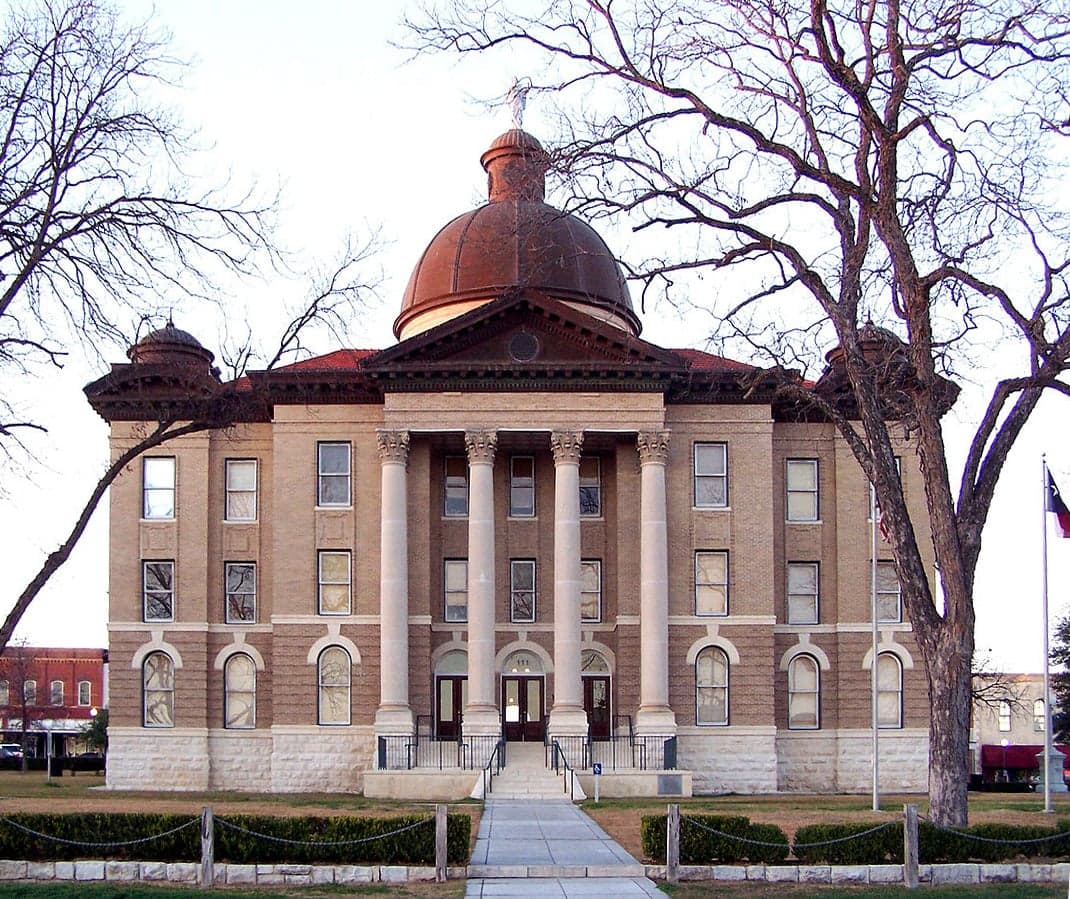
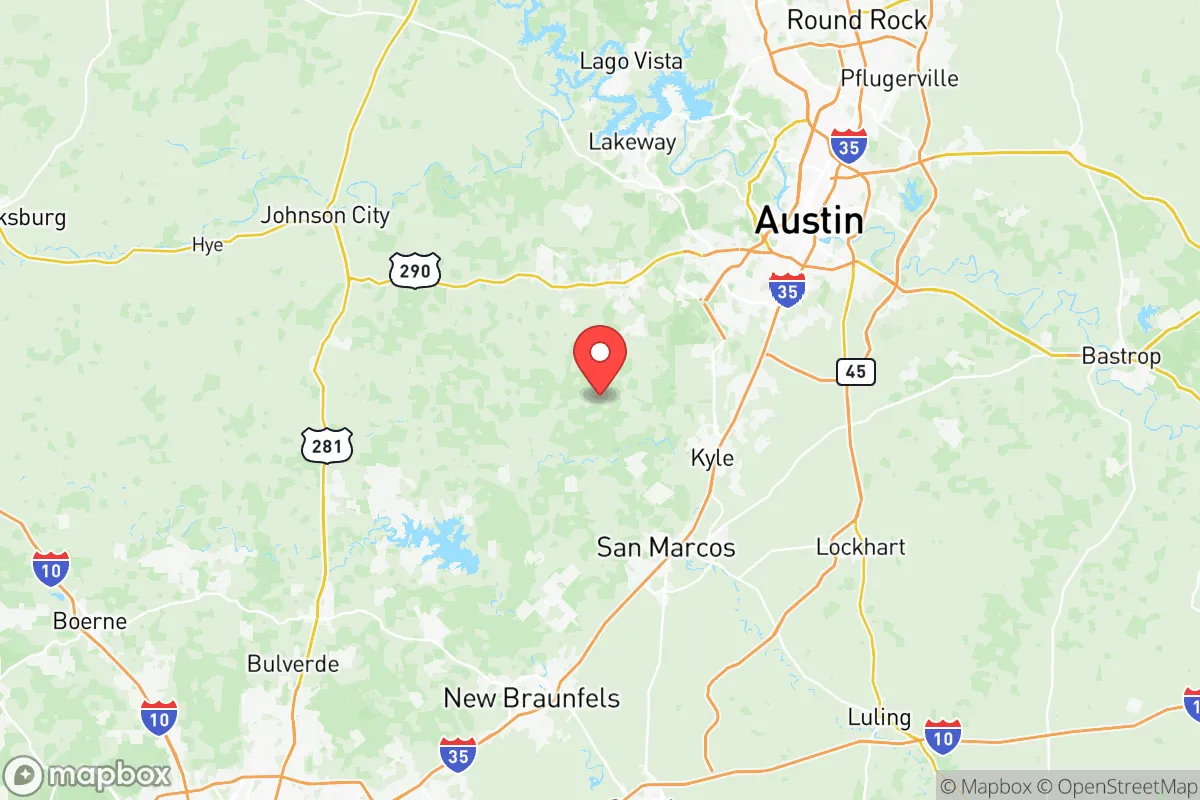
Photo: Wikipedia
Find The Best Places To Live in Hays County
PRO TIP! You can paste a Zillow or Redfin link to get info on that property.
Best Places to Live in Hays County
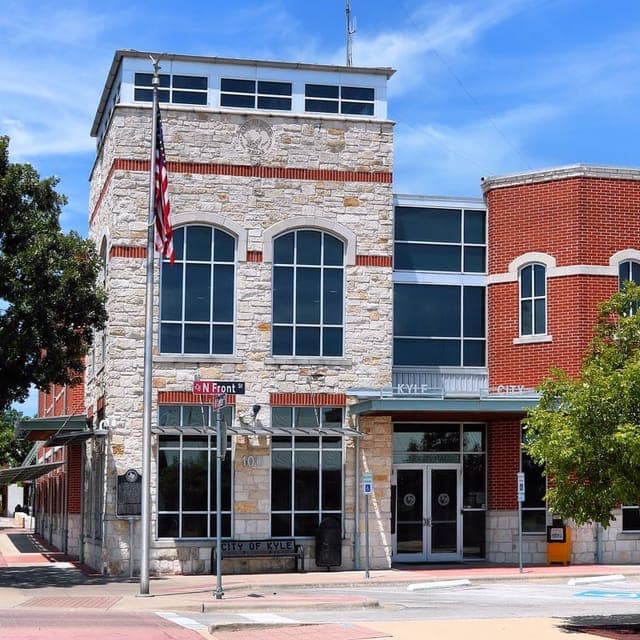
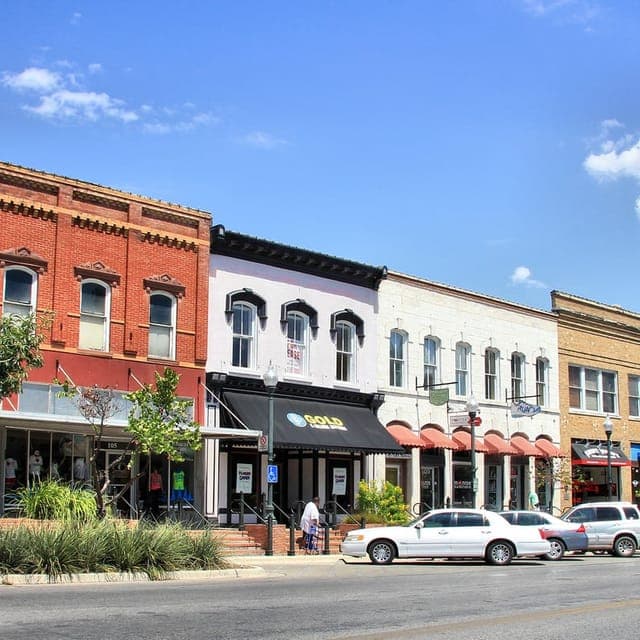
Cities & Towns in Hays County
Cities in Hays County
What It's Like Living in Hays County, TX
Living in Hays County means straddling two worlds at once. You get the rapid growth and job access of the Austin metro area, but the daily rhythm still feels more like small-town Texas than a suburban sprawl. San Marcos, Kyle, Buda, and Dripping Springs each have their own distinct personality, yet they all share a sense that the county is still figuring out what it wants to be when it grows up. That tension between old and new, rural and suburban, is the defining feature of life here.
The Daily Rhythm: Commutes, Schools, and Weekend Rituals
For most people, the workday starts with a commute that averages just under 31 minutes — a number that feels longer when you’re sitting on I-35 through Kyle or San Marcos during rush hour. Many residents work in Austin proper or Round Rock, but a growing number find jobs locally at Texas State University, the San Marcos Premium Outlets, or the new distribution centers popping up along the I-35 corridor. The median household income of $85,827 is solid, especially considering the median home value of $371,400 is still noticeably cheaper than Austin’s $550,000-plus market. That price gap is the single biggest reason families and young professionals keep moving south.
Weekends here are built around the outdoors. The Blanco River runs through San Marcos and Wimberley, and on a warm Saturday you’ll find families tubing the river, fishing at Spring Lake, or hiking the trails at Purgatory Creek Natural Area. Dripping Springs residents spend their Saturdays at the farmers market or touring the local distilleries and breweries — Treaty Oak Distilling and Jester King Brewery are genuine destinations, not just local hangouts. In Buda, the downtown square has a small-town feel with a weekly farmers market and the annual Buda Wiener Dog Races, which is exactly as charming as it sounds. Kyle is more suburban, with chain restaurants and big-box shopping along FM 1626, but it also has the Kyle Railroad Museum and a growing network of parks.
Sports, Community, and the High School Factor
High school football is the closest thing Hays County has to a unifying civic religion. On Friday nights, the stands at Bob Shelton Stadium in Buda or the San Marcos Toyota Rattler Stadium are packed with parents, alumni, and kids who’ve been at practice all week. The Hays Rebels, Lehman Lobos, and San Marcos Rattlers all draw serious crowds, and the rivalry games between Buda and Kyle are the kind of events that shape local social calendars. For college sports, Texas State University’s Bobcats play FBS football in the Sun Belt Conference, and games at Bobcat Stadium draw 15,000-20,000 fans — a solid showing for a program that’s been on the rise. Basketball and volleyball at Texas State also have loyal followings, especially among alumni who stayed in the area after graduation.
The county’s median age of 33.9 is young, and that shows in the number of families with school-age kids. The Hays Consolidated Independent School District and San Marcos CISD are major community anchors. School bond elections, PTA meetings, and booster clubs are where a lot of local politics actually plays out. Parents will tell you the schools are a mixed bag — some elementary campuses are excellent, while others struggle with overcrowding as the county’s population has surged past 256,000. The 41.9% college-educated rate is high for a county this size, and it reflects the number of Texas State faculty, tech workers, and healthcare professionals who’ve settled here.
What’s There to Do: Festivals, Music, and the Outdoors
Hays County punches above its weight when it comes to entertainment. The biggest annual event is the San Marcos River Festival, which draws thousands for live music, food vendors, and river activities. In Dripping Springs, the Founders Day Festival celebrates the town’s heritage with a parade and carnival. Wimberley has the Market Days festival on the first Saturday of each month, a massive flea market that’s been running for over 50 years. For live music, you’ll find everything from country cover bands at the Cheatham Street Warehouse in San Marcos — a legendary venue where George Strait played early in his career — to indie acts at the 04 Center in Dripping Springs. The outdoor concert series at the Hill Country Galleria in Bee Cave is just a short drive from western Hays County and draws national touring acts.
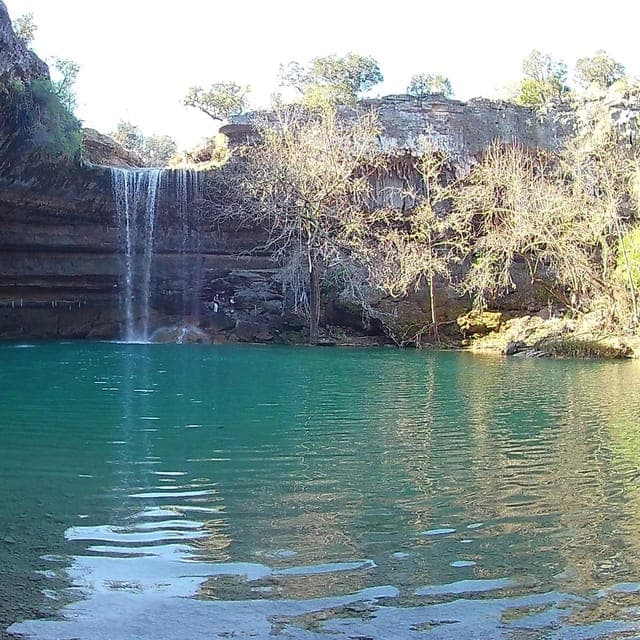
The outdoor scene is the real draw. The Onion Creek Greenbelt in Buda offers hiking and mountain biking. Jacob’s Well in Wimberley is a natural artesian spring that’s a popular swimming hole, though it requires reservations during peak season. The Blanco River State Park near Wimberley has camping and fishing. For a quieter day, the LBJ National Grasslands are about an hour north, but most people just head to the river or one of the many county parks. The weather is classic Central Texas — hot summers with highs in the mid-90s, mild winters that rarely dip below freezing, and a spring wildflower season that turns the highways blue with bluebonnets.
Pros and Cons of Living Here
- Pro: Lower cost of living than Austin. The cost of living index sits at 126 (100 is the U.S. average), which is high for Texas but a bargain compared to Travis County. You get more house for your money, especially in Kyle and San Marcos.
- Con: Traffic on I-35. The commute to Austin can be brutal, especially during SXSW or ACL weekends. The 30.8-minute average commute hides the fact that a 20-mile drive can take 45 minutes on a bad day.
- Pro: Outdoor access. The Blanco River, Jacob’s Well, and the Hill Country trails are world-class. You don’t have to drive far to feel like you’re in the country.
- Con: Crime rates are above the national average. The violent crime rate of 342.3 per 100,000 is higher than the U.S. average of about 380, but it’s concentrated in specific areas near the interstate. Property crime is a bigger concern in San Marcos, especially near the university.
- Pro: Strong community identity. Each town has its own character — Dripping Springs is the Hill Country wine-and-distillery hub, Buda is the family-friendly small town, San Marcos is the college town with a creative edge. You can find your niche.
- Con: Rapid growth is changing the feel. New subdivisions and strip malls are replacing ranchland. Longtime residents in Kyle and Buda complain that the small-town vibe they moved for is disappearing under traffic and development.
The kind of person who fits best in Hays County is someone who wants the job opportunities and cultural amenities of the Austin area but can’t stomach the housing prices or the traffic inside Travis County. It’s a place for young families who want good schools and a yard, for Texas State students who never quite left, and for outdoor enthusiasts who’d rather be on the river than in a downtown bar. The county is still growing into its identity, and that’s both its biggest draw and its biggest frustration. You get the sense that the best version of Hays County is still being built — and that the people who live here are the ones building it.

* Values derived from national, state, county, city and local statistics and may differ in a specific area. Last updated: 2026-05-12T11:22:14.000Z
Narrative content on this page is AI-generated and may contain mistakes. Verify any details that matter before acting on them.
ReloMaps may earn a commission from affiliate links at no extra cost to you.

