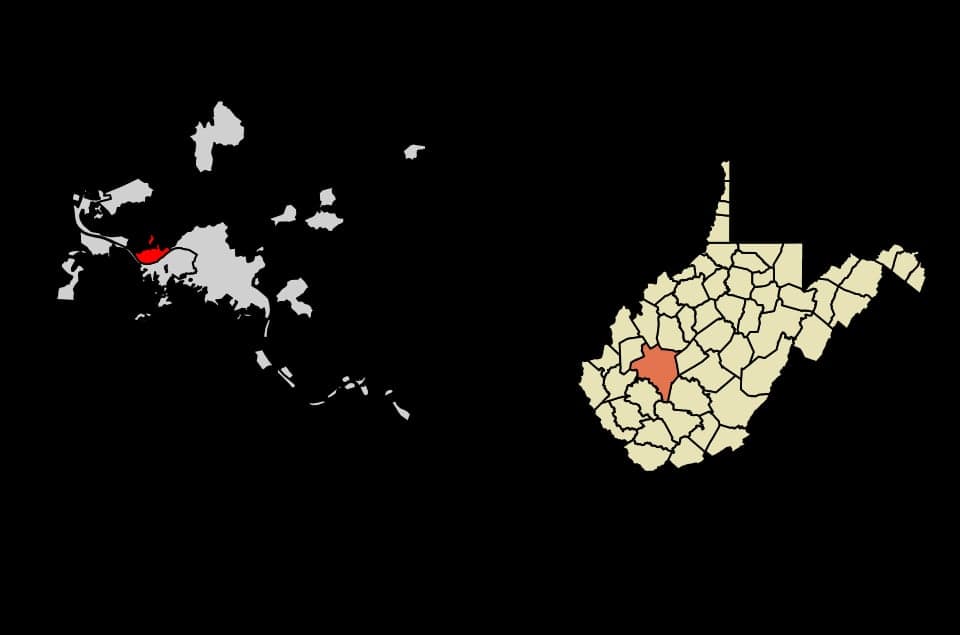
Photo: Wikipedia
Find The Best Places To Live
in Dunbar
PRO TIP! You can paste a Zillow or Redfin link to get info on that property.
What It's Like Living in Dunbar, WV
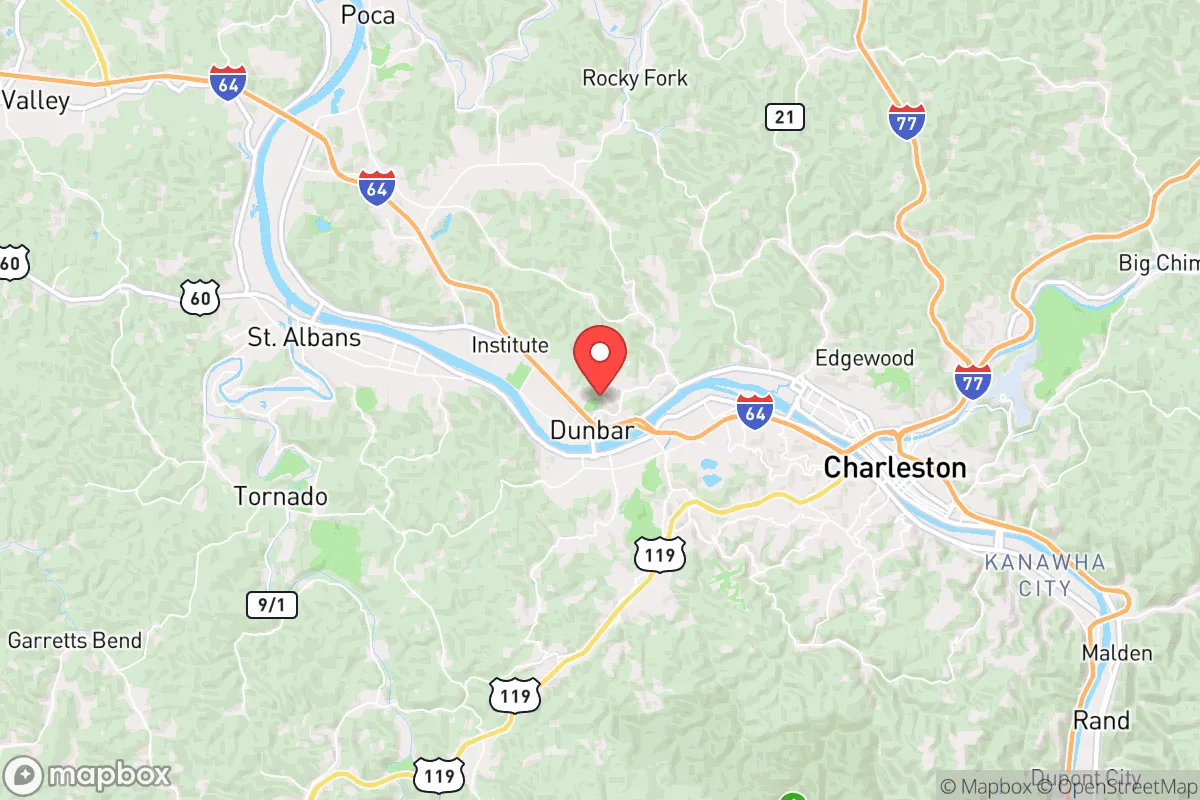
If you pull off I-64 just west of Charleston and find yourself on MacCorkle Avenue, you’ve landed in Dunbar—a small, unassuming city of about 7,340 people that feels more like a tight-knit neighborhood than a suburb. It’s the kind of place where people know each other by name at the post office, where Friday night lights at the high school stadium matter, and where the cost of living is low enough that a median income of $54,647 actually lets you breathe. Dunbar isn’t flashy, and it doesn’t try to be. It’s a working-class community with deep roots in the Kanawha Valley, and for the right kind of person—someone who values affordability, quiet routine, and genuine local connections—it fits like an old pair of boots.
The Daily Rhythm: Slow Mornings and Kanawha River Evenings
Life in Dunbar moves at a deliberate pace. Most mornings, you’ll see folks grabbing coffee at the Dunbar Bakery on 10th Street or picking up a breakfast sandwich at the Tudor’s Biscuit World—a West Virginia institution that locals defend fiercely. The average commute clocks in at just over 22 minutes, which means most residents work in Charleston (about 10 minutes east) or at the chemical plants and healthcare facilities scattered along the Kanawha River. By late afternoon, the riverfront comes alive. People walk the Dunbar Rails-to-Trails path, a paved stretch that follows the old railroad bed along the Kanawha, or fish off the bank near the boat ramp at Ridenour Lake. Weekends often mean a trip to the Dunbar Farmers Market (May through October) for fresh produce and local honey, or a slow afternoon at the Dunbar Public Library, which doubles as a community hub for kids’ story time and senior book clubs.
Sports, Schools, and the Friday Night Ritual
High school sports are the heartbeat of this town. Dunbar High School’s football and basketball games draw crowds that pack the bleachers—not just parents, but retirees, local business owners, and kids who graduated decades ago. The Bulldogs are a source of genuine pride, and the rivalry with nearby South Charleston or Nitro can fill a gym on a Tuesday night. For college sports, it’s all about West Virginia University (Mountaineers football and basketball) and Marshall University (Thundering Herd), with fans split roughly along I-64. You’ll see WVU flags on porches and Marshall stickers on pickup trucks, and game-day watch parties at local bars like The V Club (a dive bar with live music on weekends) or Dunbar Lanes (bowling alley with cheap beer and a jukebox) are a winter staple. The schools themselves—Dunbar Primary, Dunbar Intermediate, and Dunbar High—are woven into the community fabric. With a median age of 43, many residents have kids in the system or grandkids they pick up from after-school programs at the Dunbar Recreation Center.
What’s There to Do: Honest Entertainment and Outdoor Escape
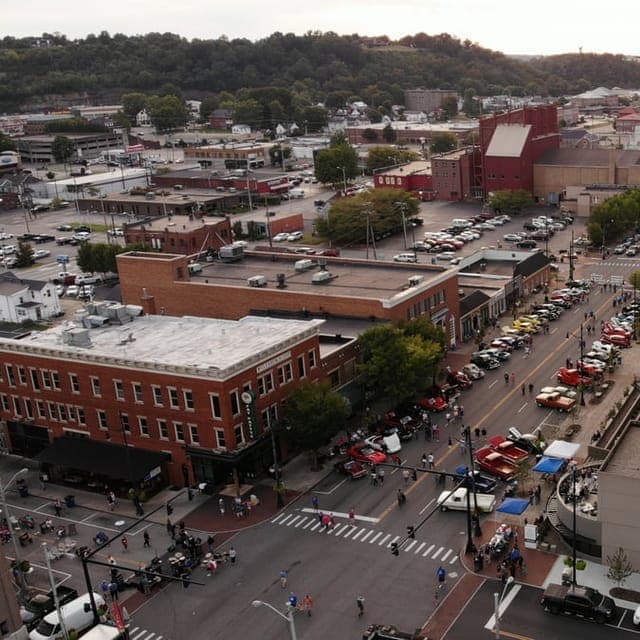
Let’s be real: Dunbar isn’t a nightlife destination. The entertainment options are modest but genuine. The Dunbar Theatre (a single-screen movie house on MacCorkle) shows second-run films for $5, and it’s a beloved relic. For live music, you’ll drive 10 minutes into Charleston to venues like The Empty Glass or the Clay Center. But the outdoor scene is where Dunbar shines. Ridenour Lake Park offers fishing, a playground, and a walking loop that’s popular with dog owners. Kanawha State Forest is just 15 minutes south, with 25 miles of hiking and mountain biking trails that see heavy use on weekends. The big annual event is Dunbar Day (usually in September), a street festival with carnival rides, a car show, and live bluegrass that draws people from all over the valley. Locals also swear by the Dunbar Fall Festival at the high school, which features a chili cook-off and a cornhole tournament that gets surprisingly competitive.
Pros and Cons of Living Here: The Unvarnished Truth
What residents love: The cost of living index is 64—meaning you can buy a median home for $121,100 and still have money left over for a boat payment or a vacation to Myrtle Beach. The violent crime rate of 370 per 100,000 is higher than the national average, but most locals will tell you it’s concentrated in a few rental-heavy blocks near the interstate, and the neighborhoods off 10th Street and along the river feel safe enough that kids still ride bikes to the corner store. The traffic is nonexistent by city standards—you can get from one end of town to the other in 10 minutes. What frustrates people: Job options are limited. The biggest employers are the Kanawha County school system, CAMC hospitals in Charleston, and a handful of manufacturing plants; if you don’t work in healthcare, education, or a trade, you’re likely commuting. The median age of 43 reflects a town that’s aging—young adults often leave for Columbus or Charlotte after high school. And while the Kanawha River is scenic, the chemical plants upstream can leave a faint industrial smell on humid days. The weather is classic Appalachian: humid summers (80s-90s), gray winters with occasional snow (10-20 inches annually), and a lot of overcast days that can feel dreary from December through February.
Who Fits In—and Who Doesn’t
Dunbar works best for people who value stability over excitement. It’s a natural fit for tradespeople (electricians, welders, mechanics), healthcare workers (nurses, lab techs), and educators who want an affordable home base within striking distance of Charleston’s amenities. Single individuals will find the social scene limited—there’s no trendy coffee shop or co-working space—but the low rent (a one-bedroom apartment averages $650-750) makes it easy to save money while exploring the region. Parents appreciate the small schools and the fact that kids can walk to the library or the park without constant supervision. The cultural identity here is proudly West Virginian: people hunt deer in the fall, garden in the spring, and tailgate at high school games. If you’re looking for a place where your neighbors will help you jump-start your car and the local diner knows your order, Dunbar delivers. If you want craft breweries, a vibrant arts scene, or a diverse food landscape, you’ll need to drive east to Charleston—and that’s exactly what most residents do.

Similar small towns to Dunbar
* Values derived from national, state, county, city and local statistics and may differ in a specific area. Last updated: 2026-05-01T17:05:52.000Z
Narrative content on this page is AI-generated and may contain mistakes. Verify any details that matter before acting on them.
ReloMaps may earn a commission from affiliate links at no extra cost to you.

