Photo: Wikipedia
Find The Best Places To Live
in Nitro
PRO TIP! You can paste a Zillow or Redfin link to get info on that property.
What It's Like Living in Nitro, WV
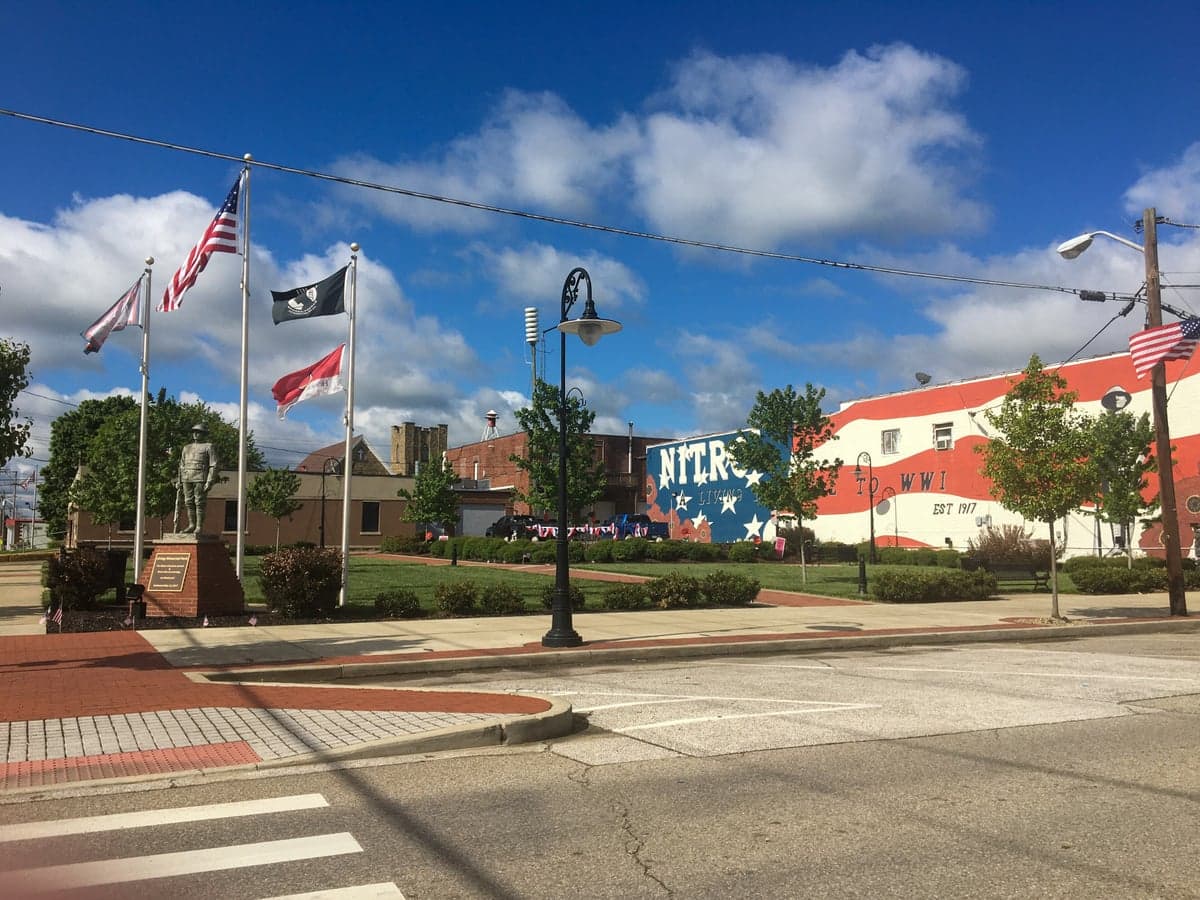
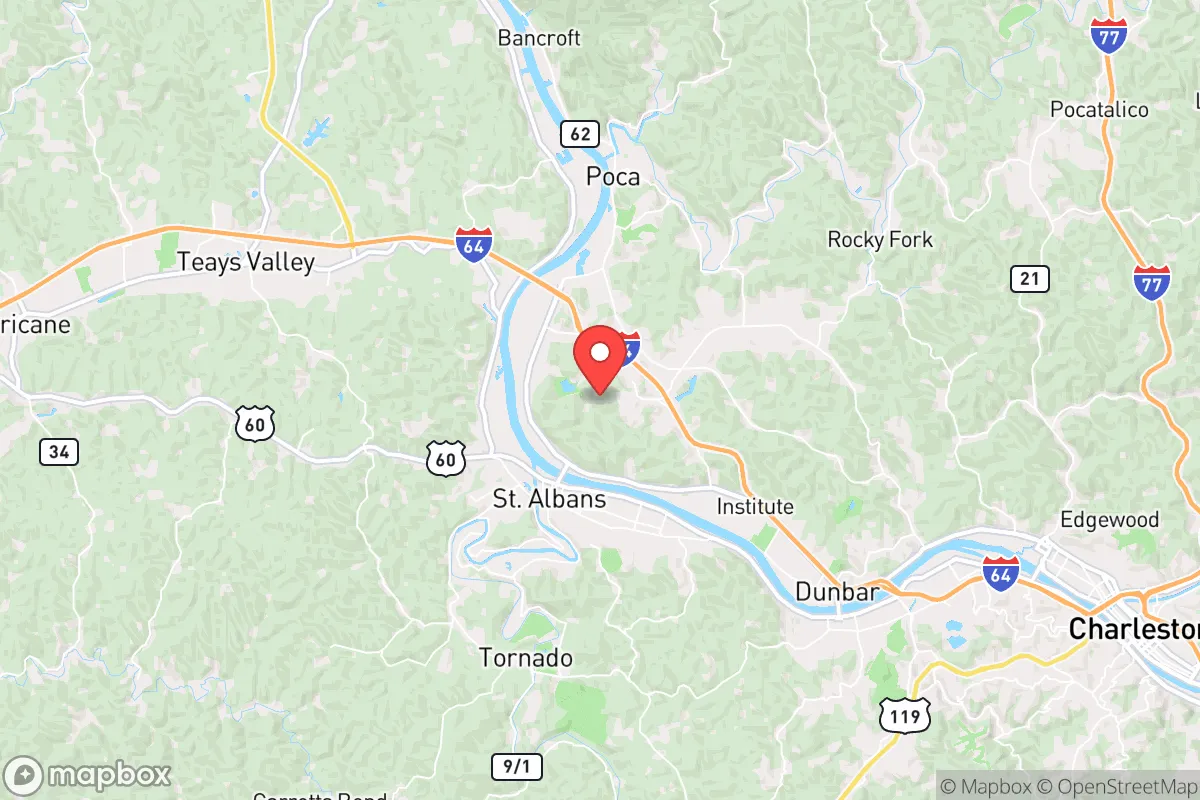
Living in Nitro feels a bit like stepping into a small-town time capsule that’s been gently updated for modern life. It’s a working-class community of about 6,941 people, tucked along the Kanawha River just west of Charleston, where the chemical plant history is still part of the town’s identity but the daily rhythm is quieter than you might expect. People here tend to know their neighbors, wave at passing cars, and take pride in the fact that Nitro was literally built for World War I explosives production — that heritage shows up in the street names and the local museum, but it doesn’t dominate conversation the way high school football or the price of gas does.
Daily Rhythm and Who Fits In
Most weekdays in Nitro start early. The average commute clocks in at about 27 minutes, which means a lot of residents drive into Charleston or South Charleston for work at the hospitals, the state government offices, or the remaining chemical and manufacturing plants along the river. The median household income here is $52,247 — modest but workable, especially when you factor in a cost of living index of 64, well below the national average. That low cost of living is the main reason people stay: a median home value of $120,400 means a family can buy a decent three-bedroom ranch on a quiet street for what would be a down payment in many other parts of the country. The kind of person who fits in here is someone who values affordability and space over nightlife and career ladder-climbing. You’ll find a lot of folks in their 40s and 50s (median age is 42.1), many raising kids or settling into empty-nest routines, and a fair number who work blue-collar or service-industry jobs. Only about 15.2% of adults hold a college degree, so this isn’t a town of transplants or remote workers — it’s a place where people have roots.
Sports, Community, and What People Actually Do
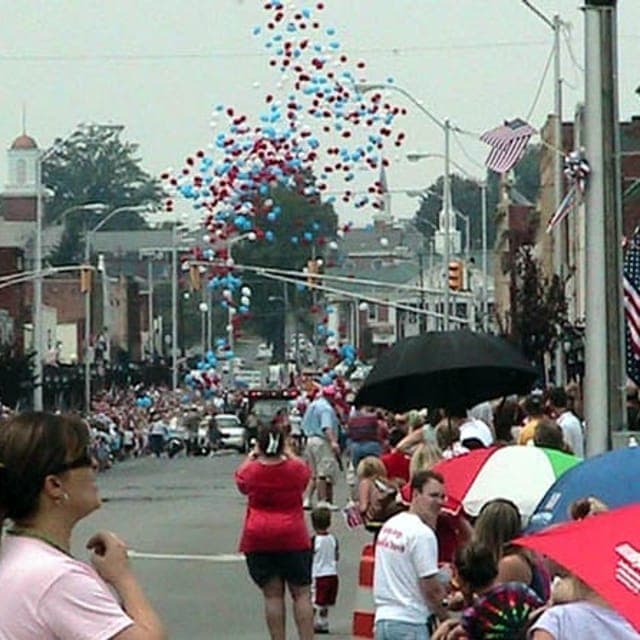
High school sports are the biggest game in town. Nitro High School’s football and basketball games draw solid crowds on Friday nights, and the rivalry with nearby Poca or St. Albans can fill the bleachers. There’s no pro or major college team in town — Marshall University in Huntington is about 45 minutes away, and West Virginia University in Morgantown is a solid two-hour drive — so local athletics are the main event. Beyond sports, weekends often revolve around the river. The Kanawha River offers fishing, kayaking, and a few walking trails along the floodwall, and the nearby Nitro City Park has ball fields, a playground, and picnic shelters that host family reunions and church cookouts. For entertainment, most people head to Charleston for movies, concerts at the Clay Center, or dinner at places like the Bridge Road Bistro. Within Nitro itself, the dining scene is modest: you’ve got your chain fast food, a couple of local pizza joints, and the Nitro Diner, which is the kind of place where the waitress knows your order. The biggest annual event is the Nitro Homecoming Festival in September, with a parade, carnival rides, and live music — it’s the one weekend a year when the whole town seems to be out on the same street.
Pros and Cons of Living Here
The upsides are straightforward. Cost of living is the headline: a home for $120,400 and everyday expenses that run about 36% below the national average mean your paycheck goes further than it would in most of the country. The violent crime rate is 158.5 per 100,000 — noticeably lower than the national average of around 380 — and most people feel safe walking their dogs after dark or letting their kids ride bikes around the neighborhood. The community is tight-knit in a genuine way: when someone’s house burns down or a family loses a job, the church or the volunteer fire department organizes a fundraiser within days. On the downside, the local economy offers limited opportunity. Only 15.2% of adults have a college degree, and the median income of $52,247 reflects a job market heavy on retail, healthcare support, and manufacturing — not a lot of white-collar or tech work. The 27-minute average commute is a reminder that many of the better jobs are in Charleston, not Nitro itself. Weather is another reality: summers are humid and buggy, winters bring occasional ice storms that shut down the hilly back roads, and the seasonal rhythm is defined by hunting season in the fall and flu season in the winter. The schools — Nitro Elementary, Nitro Middle, and Nitro High — are a central part of community life, but they’re not top-ranked academically; parents who prioritize advanced placement or college prep often look at private options or consider moving to Putnam County.
Cultural Quirks and Local Identity
Nitro has a few quirks that set it apart. The town’s name and street names like Explosives Road and Ordnance Drive are a constant reminder of its origin as a World War I gunpowder plant — the Nitro Historical Museum on 21st Street has artifacts from that era, and locals are proud of the story even if they don’t talk about it daily. There’s also a strong streak of self-reliance and skepticism of outsiders, which is common in small Appalachian towns. You’ll hear people complain about “the government” and “the taxes” in the same breath they’ll praise the volunteer fire department and the local VFW post. Politically, the area leans heavily conservative, and that shapes the culture: churches are social hubs, gun ownership is common, and the annual Fourth of July parade is a bigger deal than any music festival. For a single person in their 20s or 30s, Nitro can feel slow — the dating pool is small, and the nearest decent bar scene is in Charleston. But for a parent looking for a safe, affordable place to raise kids where the neighbors actually look out for each other, it’s hard to beat the value.

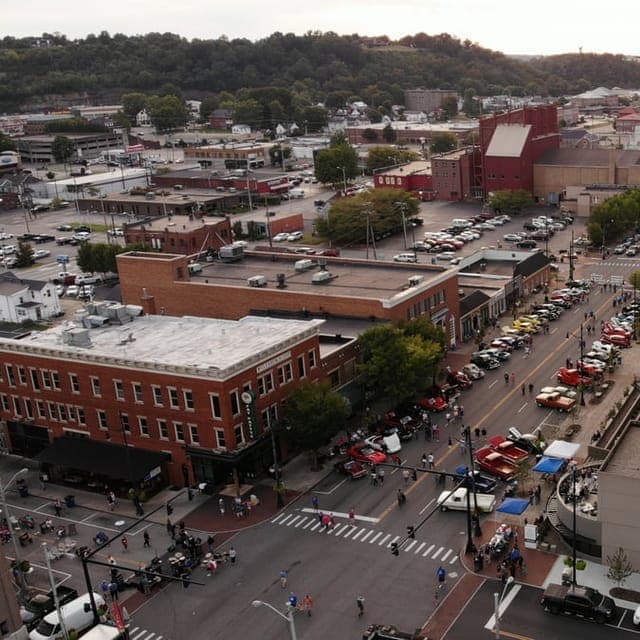
Similar small towns to Nitro
* Values derived from national, state, county, city and local statistics and may differ in a specific area. Last updated: 2026-05-03T13:58:21.000Z
Narrative content on this page is AI-generated and may contain mistakes. Verify any details that matter before acting on them.
ReloMaps may earn a commission from affiliate links at no extra cost to you.

