Photo: Wikipedia
Quality of Life in Durango, CO
A high quality of life with strong walkability, manageable living costs, healthy neighborhood signals, and solid amenity access.
What does Quality of Life tell us?
Quality of Life blends cost of living, nearby amenities, socioeconomic signals, and neighborhood character. City-level scores represent the whole municipality; individual neighborhoods can differ.
What does this tell us?
Quality of Life blends cost of living, nearby amenities, socioeconomic signals, and neighborhood character. City-level scores represent the whole municipality; individual neighborhoods can differ.
Cost of Living
67% above national average
The Real Cost of Living in Durango, CO for 2026
| Tier | Individual | Family (4) |
|---|---|---|
| Survival | $25k | $47k |
| Comfortable | $82k | $120k |
| Luxury | $120k+ | $186k+ |
| Elite (Top 5%) | $141k+ | $219k+ |
66%
The Area Signal
A metric tracking the socioeconomic signals of the area.
Hobbies
Explore the areaGroceries
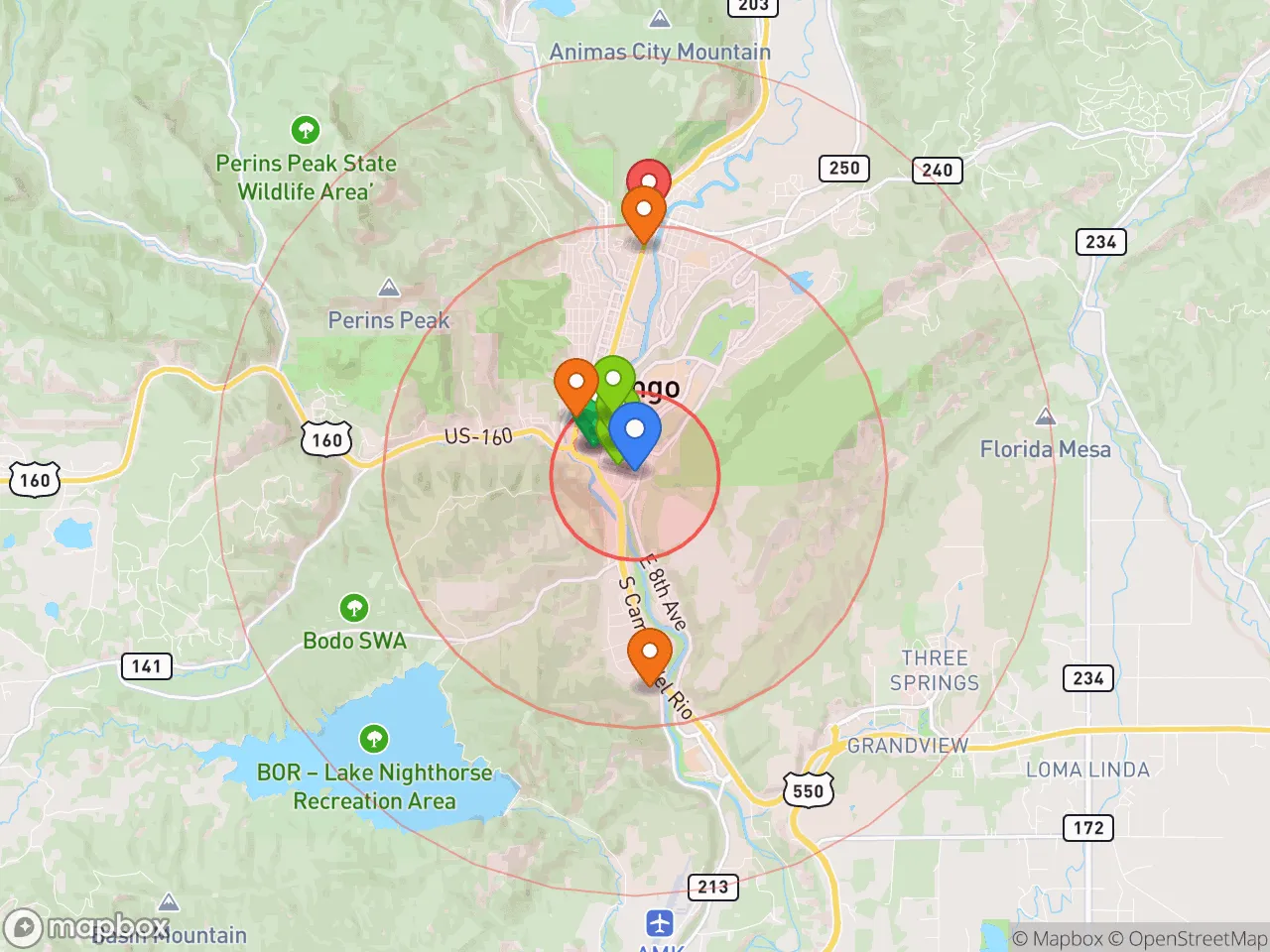
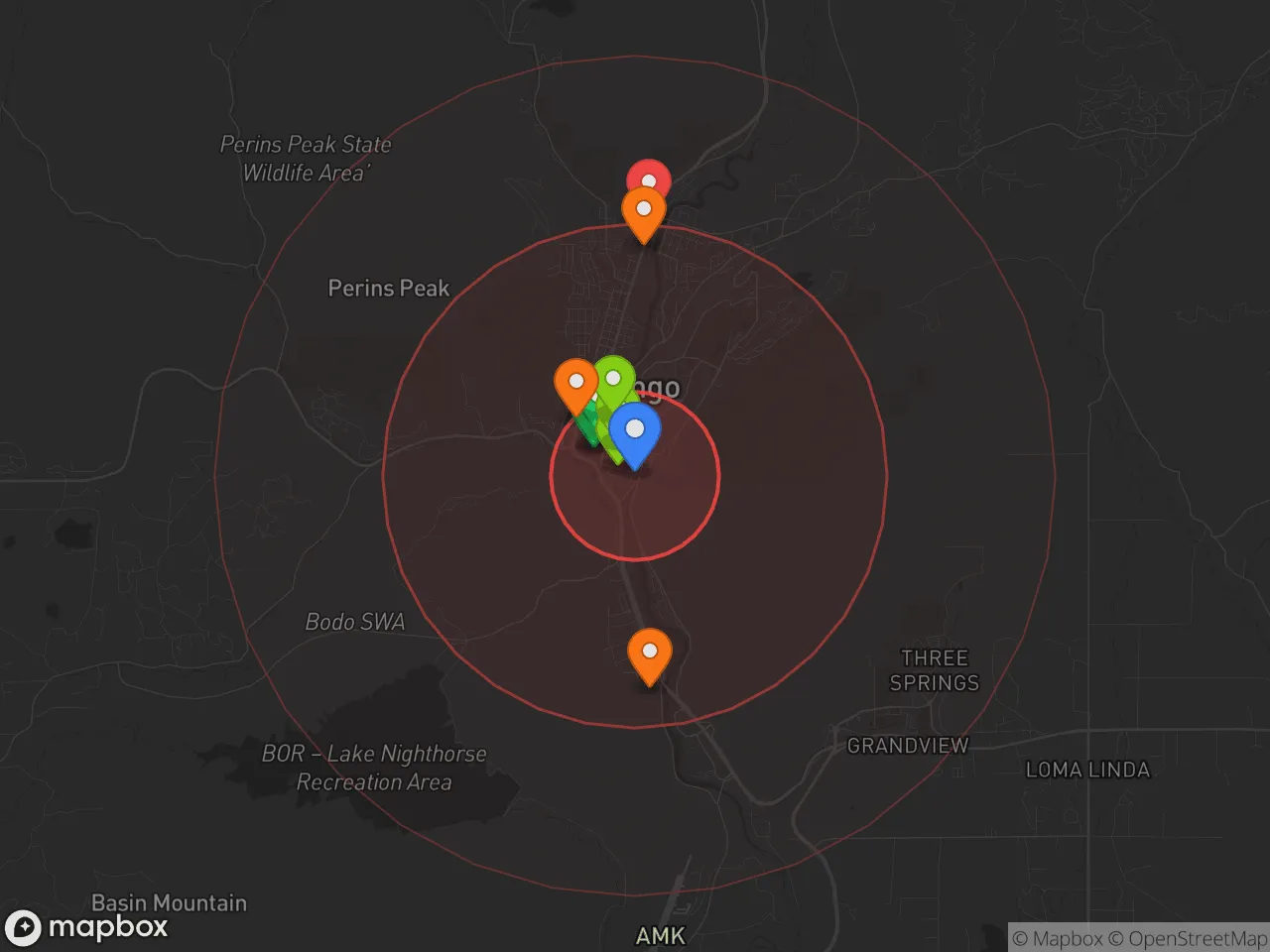
4 within 10 miles
Gas
12 within 10 miles
Hospital
2 within 20 miles
Airport
SAN — San Luis Valley Regional
Post Office
USPS — Durango, CO
Critical Amenities
Quality-of-Life Analysis
Durango, Colorado, presents a quality of life defined by its striking natural setting and a correspondingly high cost of entry. With a cost of living index of 167—67% above the national average—the city attracts a demographic mix of affluent second-home owners, outdoor recreation professionals, and remote workers who prioritize access to the San Juan Mountains over urban affordability. The median home value sits at $609,700, and the median rent is $1,562, figures that place Durango among the priciest small cities in the Rocky Mountain region.
Cost of living, housing affordability, and how Durango compares to nearby towns
Durango’s housing market is the primary driver of its elevated cost of living. The median home value of $609,700 is roughly 2.5 times the national median, while the median rent of $1,562 is about 30% above the U.S. average. This creates a significant barrier for entry-level workers and service-industry employees, many of whom commute from more affordable outlying communities like Bayfield (median home value ~$480,000) or Aztec, New Mexico (median home value ~$250,000). Compared to other Colorado mountain towns, Durango is slightly less expensive than Telluride (median home value over $1.5 million) but notably pricier than Pagosa Springs (median home value ~$450,000). The average commute time in Durango is a remarkably short 14 minutes, a figure that reflects the city’s compact layout and the tendency of lower-income workers to live farther out, thereby lengthening their own commutes while keeping the citywide average low.
Amenities, schools, and what daily life is like for families and professionals
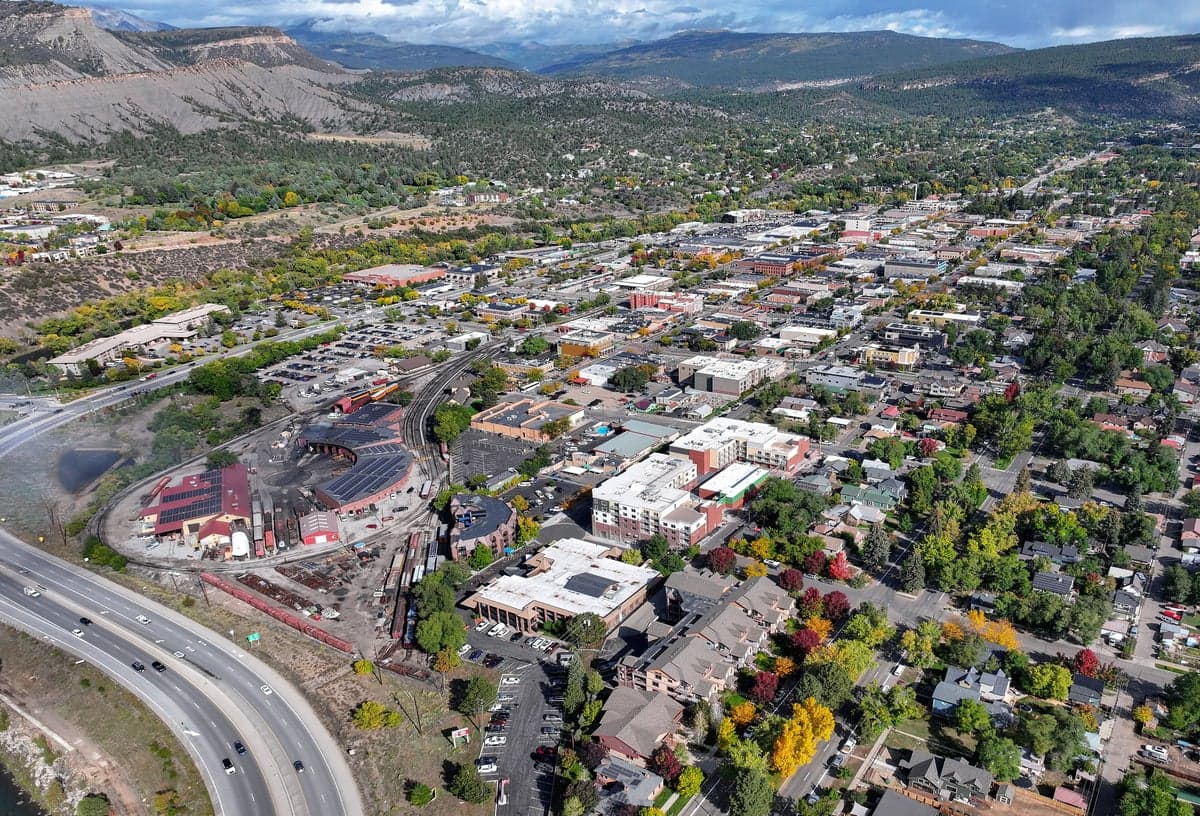
Daily life in Durango revolves around outdoor recreation and a walkable historic downtown anchored by the Durango & Silverton Narrow Gauge Railroad. The city offers strong public schools, with Durango High School consistently ranking among the top in the state for college readiness, and a robust network of charter and private options including Animas High School and Mountain Middle School. For families, the Durango Public Library, the Powerhouse Science Center, and the Durango Community Recreation Center provide year-round programming. Professionals benefit from a growing remote-work infrastructure, with coworking spaces like The Hive and a fiber-optic broadband network that supports high-speed connectivity. The city’s 300 days of sunshine per year and immediate access to the San Juan National Forest, Purgatory Resort (25 miles north), and the Animas River Trail create a lifestyle where hiking, mountain biking, skiing, and fly-fishing are woven into the weekly routine rather than reserved for vacations.
Durango is best suited for individuals and families who can absorb its high housing costs and who place a premium on outdoor access, small-town safety, and a tight-knit community. Retirees with equity from lower-cost markets, remote workers earning national or coastal salaries, and professionals in healthcare or education at Mercy Regional Medical Center or Fort Lewis College will find the trade-off worthwhile. Those working in retail, hospitality, or construction may struggle without a dual-income household or a long commute from a more affordable neighboring town. Ultimately, Durango delivers a high quality of life for those who can afford its price of admission, but it remains a challenging market for middle-income earners seeking homeownership.

Crime in Durango, CO
Lower crime rates than 90% of comparable U.S. locations.
Violent CrimeViolent Crime Analysis
Property CrimeProperty Crime Analysis
Crime Analysis
Durango, Colorado, reports a violent crime rate of 115 incidents per 100,000 residents and a property crime rate of 550.2 per 100,000, placing it below national averages for violent offenses but slightly above the state average for property crime. These figures, drawn from the most recent FBI Uniform Crime Reporting data, indicate that while serious violent incidents are relatively uncommon, residents face a moderate risk of theft, burglary, and vehicle break-ins. The overall safety picture is shaped by the city’s role as a regional tourism hub and college town, which introduces seasonal fluctuations in crime and transient populations.
Crime in context
Durango’s violent crime rate of 115 per 100K is roughly 60% lower than the national average of 380 per 100K and significantly below the Colorado state average of approximately 330 per 100K. Property crime, however, sits at 550.2 per 100K, which is about 10% higher than the Colorado average of 500 per 100K but still well under the national property crime rate of 1,958 per 100K. The disparity between violent and property crime is typical for smaller mountain towns, where theft and vandalism—often tied to tourism and seasonal labor—outpace more serious offenses. La Plata County, where Durango is located, has historically maintained lower crime rates than larger Front Range cities like Denver or Colorado Springs, though property crime has ticked upward since 2020.
What residents experience
For daily life, Durango’s low violent crime means that random attacks, robberies, and homicides are rare events that generate local news coverage when they occur. Residents are more likely to encounter bicycle theft, car break-ins at trailheads, and package theft from porches, particularly in neighborhoods near downtown and the Fort Lewis College campus. The city’s reliance on tourism means that summer and ski season bring an influx of visitors, which correlates with a seasonal spike in property crime. Law enforcement response times are generally good within city limits, but rural areas of the county can see longer waits. The presence of a progressive district attorney in the 6th Judicial District—who has emphasized diversion programs and reduced sentencing for nonviolent offenders—has been a point of contention among some residents, who argue that it contributes to repeat property crime and a perception of leniency. Critics point to data showing that property crime clearance rates in La Plata County lag behind the state average, though the district attorney’s office counters that recidivism is better addressed through treatment and restorative justice than incarceration.
Neighborhood-level variation is notable. The historic downtown core and the North Main Avenue corridor see the highest concentration of property crime, driven by foot traffic and commercial activity. Residential areas like Three Springs and the Florida Mesa district report lower incident rates, while the College Mesa area near Fort Lewis College experiences elevated theft and vandalism during the academic year. Rural subdivisions and outlying communities such as Hermosa and Hesperus have very low crime but also minimal police presence, meaning residents rely more on neighborhood watch and private security measures. Overall, Durango is a safe city by national standards, but those concerned about property crime should prioritize secure parking, home alarm systems, and awareness of seasonal trends.
* Values derived from national, state, county, city and local statistics and may differ in a specific area. Last updated: 2026-04-28T23:22:11.000Z
Narrative content on this page is AI-generated and may contain mistakes. Verify any details that matter before acting on them.
ReloMaps may earn a commission from affiliate links at no extra cost to you.

