Photo: Wikipedia
Strategic Assessment of East Honolulu, HI
Meaningful friction. Expect exposure to either population pressure, blast zones, or natural disaster risk. Consider buying a retreat property.
What does the Strategic Assessment tell us?
Our Strategic Assessment grades tactical survivability of an area. Major population centers, military targets, fallout zones, natural disasters, and border exposure all drive risk — lower exposure means a more defensible position in a crisis.
This is heavily inspired by Joel Skousen's Strategic Relocation book. Highly recommended you checkout the book ($)What does this tell us?
Our Strategic Assessment grades tactical survivability of an area. Major population centers, military targets, fallout zones, natural disasters, and border exposure all drive risk — lower exposure means a more defensible position in a crisis.
This is heavily inspired by Joel Skousen's Strategic Relocation book. Highly recommended you checkout the book ($)Strategic Pillars

Key Distances
Regional Safe Places
Below is our recommended "safe zones" in Hawaii and the surrounding area based on our strategic heuristics. For most people, it's unrealistic to live in a “safe zone” full-time due to work, family or other personal reasons. They tend to be more rural. However, many of these areas are perfect for second homes and retreat properties that double as a vacation home or even a short-term rental.

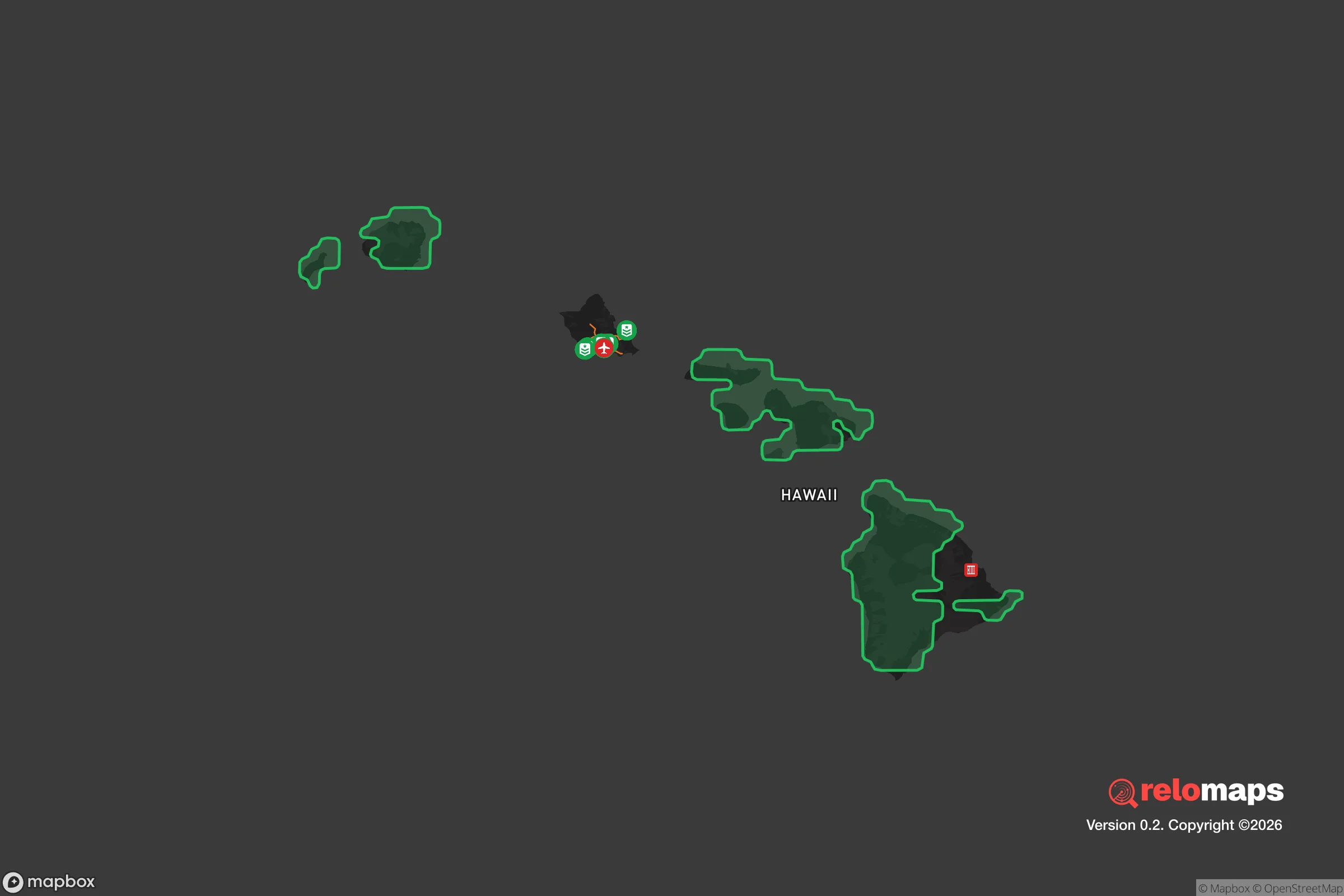


Important Note: For informational purposes only. This does not mean nothing bad ever happens in the green zones. Please use common sense. This is based on public data and modeled with AI. We tried to take a conservative approach but mistakes happen. We update this regularly as new information becomes available.
Solar Generator Recommendations
Backup power matters more here than in safer locations. We've picked three solar generators across budgets and capacity tiers — start with the budget unit if you only need a few essentials, or step up if you want to run a fridge and HVAC for days at a time.

Jackery Portable Power Station Explorer 300
Budget OptionPower on the Go: Weighing only 11 lbs, it's convenient to set up and store with book-sized foldable solar panels

BLUETTI Portable Power Station AC180
Designed for both indoor and outdoor scenarios, AC180 is highly capable as it has a robost capacity and continuous output power.

EF ECOFLOW DELTA Pro Ultra Power Station
Upgraded PickEcoFlow DELTA Pro Ultra is a whole-home energy system designed to grow with your family. Integrated with the Smart Home Panel 2, it scales to meet your evolving energy needs — keeping your home powered, intelligent, and secure through every stage of life.
We earn a commission, at no additional cost to you.
Strategic Assessment Analysis
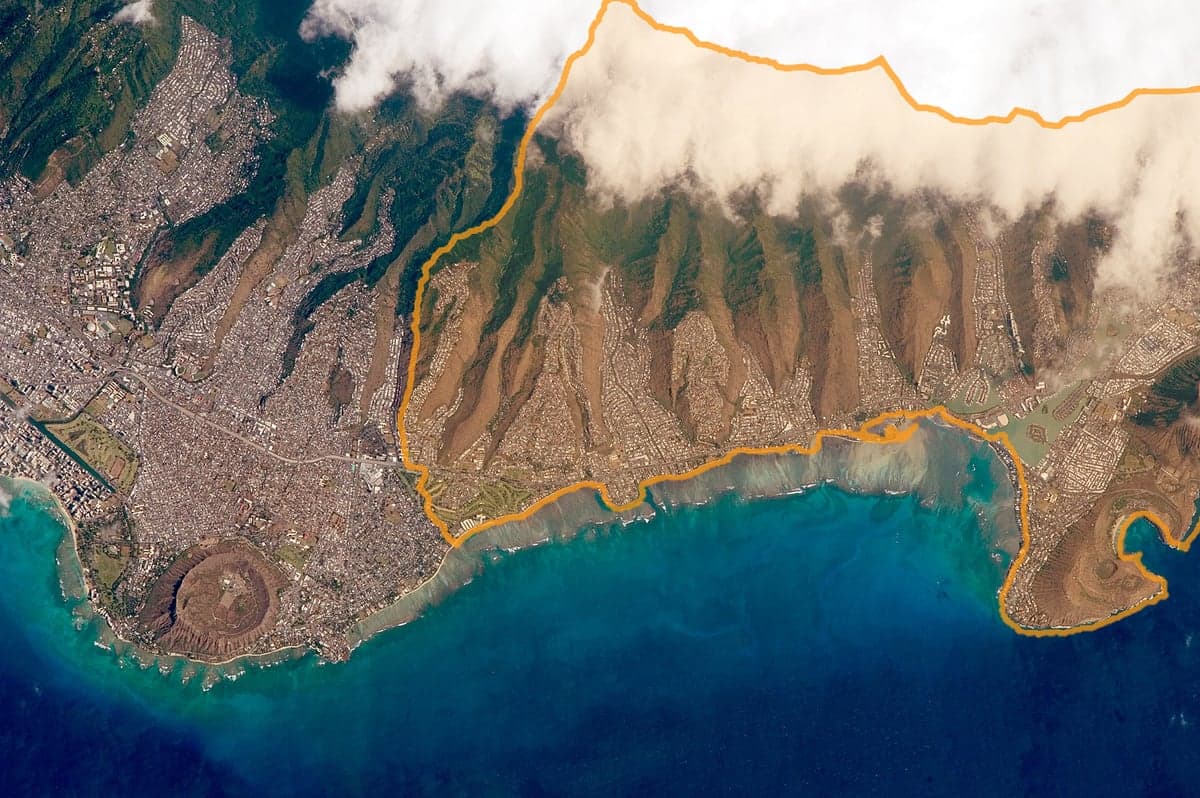
East Honolulu offers a unique strategic paradox for the conservative prepper: it sits on the edge of a major metropolitan area that is a likely target for civil unrest and infrastructure collapse, yet its geography provides a natural redoubt that few other urban-adjacent locations can match. The area’s resilience hinges on its position along the southeastern flank of Oahu, where the Ko‘olau Range creates a physical barrier between the dense urban core of Honolulu and the more sparsely populated windward coast. For a relocator prioritizing long-term sustainability and security, East Honolulu is less a suburban escape and more a forward operating base—close enough to monitor threats, far enough to avoid the initial shockwave of a disaster.
Geographic position and natural advantages for long-term security
East Honolulu’s primary strategic asset is its topography. The area stretches from the base of the Ko‘olau Range down to the Pacific, with narrow valleys and steep ridges that naturally funnel movement and limit access. This creates a defensible perimeter: the only major road arteries—Kalaniana‘ole Highway (State Route 72) and the H-1 Freeway—choke down to two lanes in several sections, making it easy to control ingress and egress during a crisis. The Ko‘olau Range itself acts as a massive rain catchment, feeding perennial streams like Wai‘alae Iki and Maunalua that provide a reliable freshwater source even during prolonged dry spells. For a prepper, this means you are not dependent on municipal water systems that will fail the moment the grid goes down. The area’s elevation also offers a natural vantage point: from the higher neighborhoods like ‘Āina Haina and Niu Valley, you can observe the entire Honolulu basin and Pearl Harbor, giving you early warning of any large-scale movement or disaster unfolding to the west. The trade winds keep the air clean and reduce the risk of airborne contaminants settling in the valleys, a subtle but critical advantage if a biological or chemical event occurs in the city.
Risks, exposures, and proximity to fallout-relevant landmarks
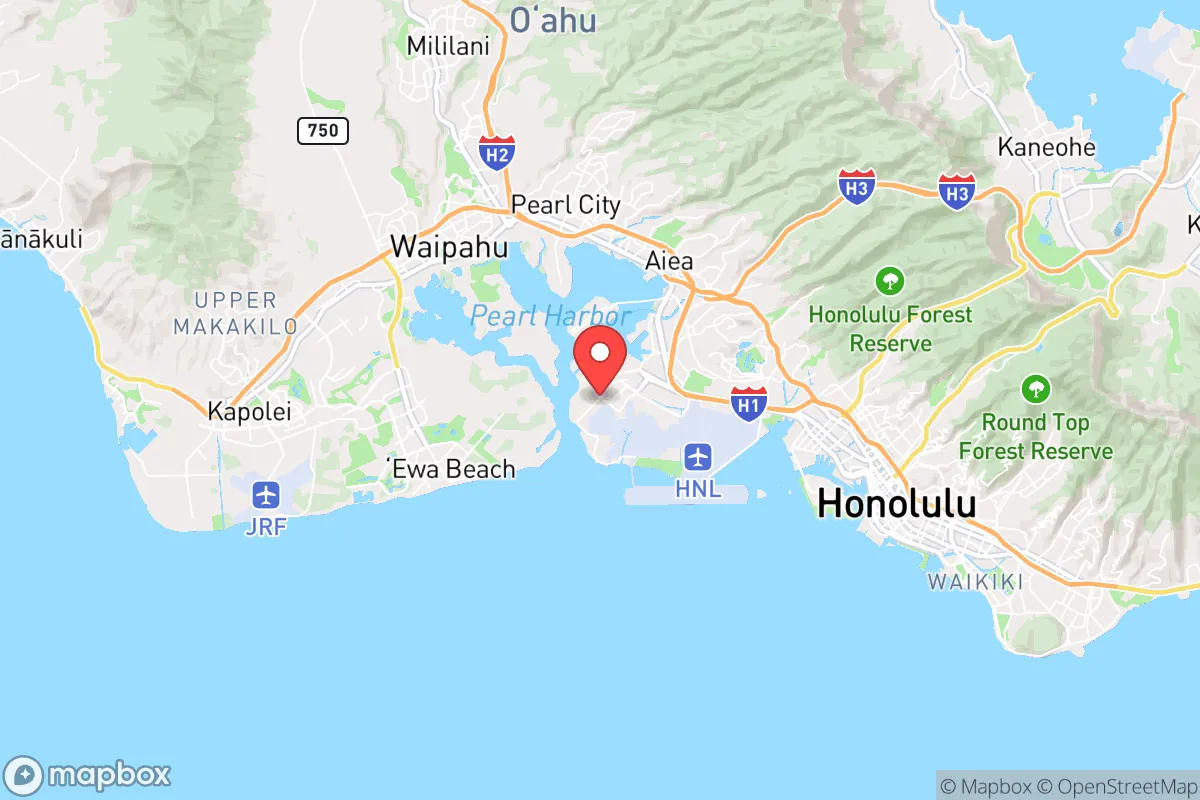
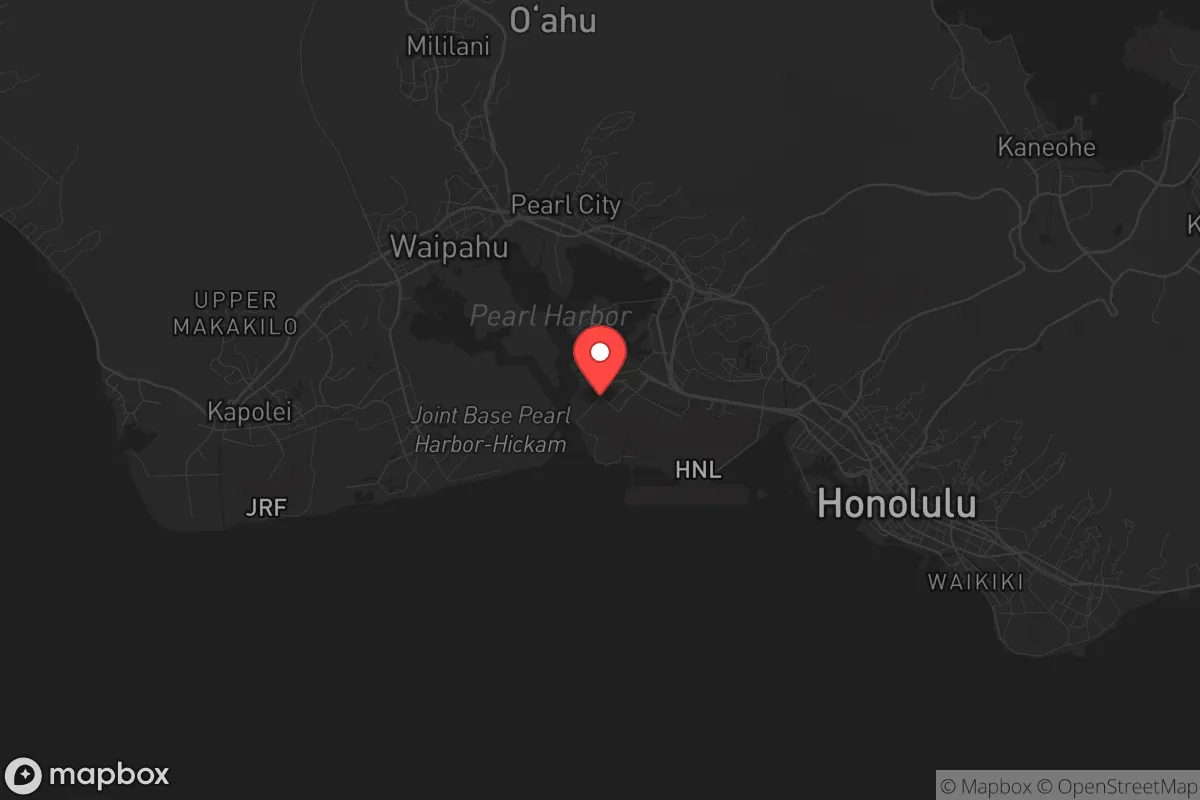
The most significant vulnerability for East Honolulu is its proximity to Pearl Harbor and Hickam Air Force Base, both of which are prime targets for a kinetic strike or a cascading industrial accident. Pearl Harbor sits roughly 12 miles west as the crow flies, and while the Ko‘olau Range provides some shielding, a ground-level detonation or a major fuel fire at the Red Hill Bulk Fuel Storage Facility—which has already leaked 27,000 gallons of jet fuel into the aquifer—could send toxic plumes drifting eastward depending on wind direction. The Honolulu International Airport and the Port of Honolulu are also within 10 miles, making them potential choke points for evacuation or supply routes. For the conservative relocator, the calculus is clear: East Honolulu is not a remote bunker; it is a semi-urban buffer zone. During a mass casualty event or civil unrest, the area will likely see a surge of refugees from the west, overwhelming local resources. The narrow roads mean that a single accident or roadblock can trap you for hours. Additionally, the area’s high property values and dense housing stock—many homes are built on steep slopes with limited setback—mean that a wildfire or landslide could cascade quickly through neighborhoods like Wai‘alae Iki and Kāhala. The 2023 Maui fires demonstrated that even well-maintained Hawaiian communities are not immune to firestorms, and East Honolulu’s dry summer months create similar conditions.
Practical resilience for a relocator: food, water, energy, and defensibility
For a prepper looking to establish a sustainable household, East Honolulu offers a mixed bag. The year-round growing season is a major advantage: you can cultivate taro, sweet potatoes, bananas, and citrus in your backyard without the frost risk that plagues mainland gardens. The ocean provides a protein source—fishing for ‘ōpelu, aku, and moi is viable from the shoreline at Hanauma Bay or Portlock, though you will need to compete with locals who have been doing it for generations. Water is abundant if you invest in catchment systems; the average annual rainfall in the valleys is 60–80 inches, and the Ko‘olau Range’s aquifers are deep and well-recharged. However, the municipal water supply is vulnerable to saltwater intrusion and contamination from the Red Hill fuel leaks, so a prepper should plan on a multi-stage filtration system (reverse osmosis or UV) as a non-negotiable. Energy independence is achievable with rooftop solar—Hawaii has the highest residential electricity rates in the nation, so solar pays for itself quickly—but battery storage is essential because the grid is fragile and prone to island-wide blackouts during storms or cyberattacks. Defensibility is the weakest link: most homes are built with wood-frame construction and large windows, and the dense vegetation provides cover for anyone approaching. A serious prepper would need to harden entry points, install reinforced doors, and maintain a clear line of sight from the house to the street. The neighborhood watch culture in areas like ‘Āina Haina is strong, but it is not a substitute for a coordinated security plan. For single individuals, the social fabric is a double-edged sword: the community is tight-knit and suspicious of outsiders, which means you will need to invest time in building trust before you can rely on neighbors for mutual aid. For parents, the local schools (e.g., ‘Āina Haina Elementary, Niu Valley Middle) are well-regarded and have active parent networks, which can serve as a de facto intelligence network during a crisis—but they also mean your children are in a fixed location that could become a target during a school shooting or civil unrest.
The overall strategic picture for East Honolulu is one of high potential reward paired with high baseline risk. It is not a place to ride out a full societal collapse—the island’s dependence on imported fuel, food, and medicine makes it a ticking clock once the supply chains snap. But for a conservative relocator who wants to be within striking distance of urban resources while maintaining a defensible, self-sufficient household, East Honolulu offers a rare combination of natural barriers, water security, and agricultural viability. The key is to treat it as a temporary stronghold, not a permanent sanctuary. Have a bug-out plan for the windward side or the Big Island, maintain a low profile, and never forget that in a true emergency, the ocean is both your lifeline and your cage. If you can accept those constraints, East Honolulu is one of the most strategically sound locations in the Pacific for a prepared individual or family.

* Values derived from national, state, county, city and local statistics and may differ in a specific area. Last updated: 2026-04-24T12:49:34.000Z
Narrative content on this page is AI-generated and may contain mistakes. Verify any details that matter before acting on them.
ReloMaps may earn a commission from affiliate links at no extra cost to you.

