Photo: Wikipedia
Find The Best Places To Live
in East Honolulu
PRO TIP! You can paste a Zillow or Redfin link to get info on that property.
What It's Like Living in East Honolulu, HI
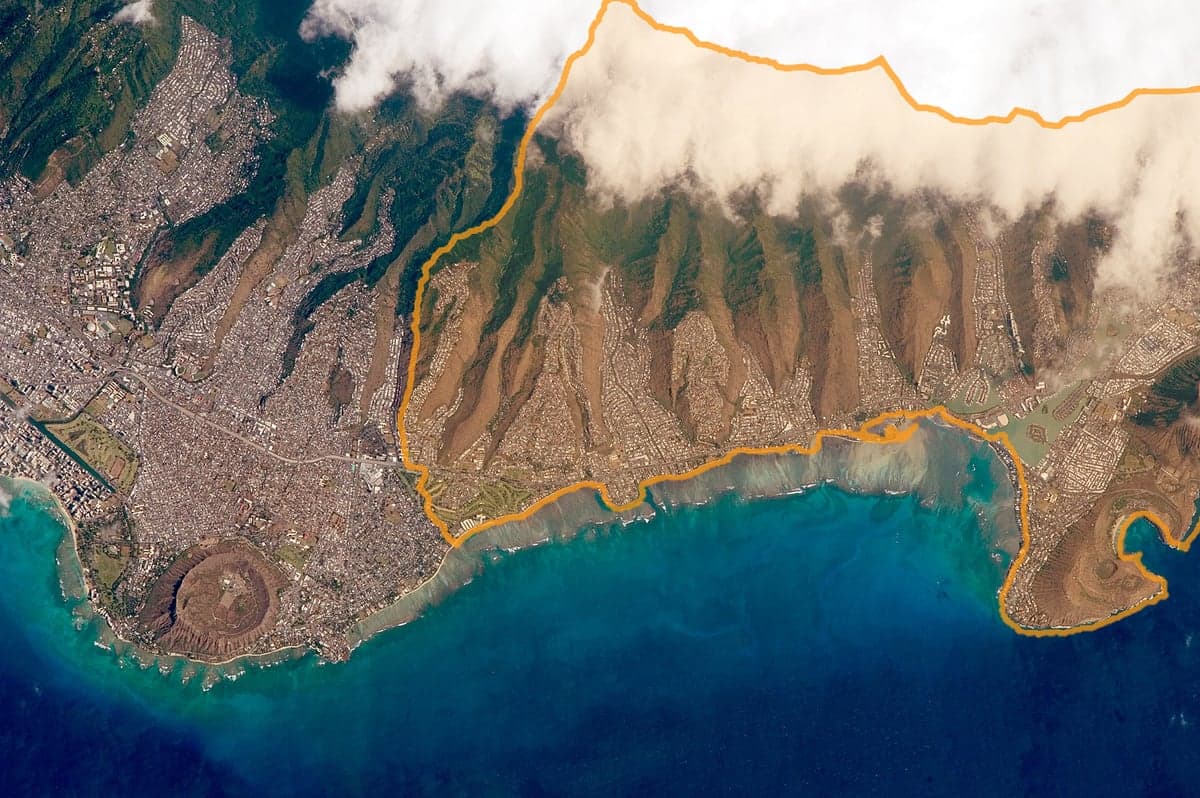
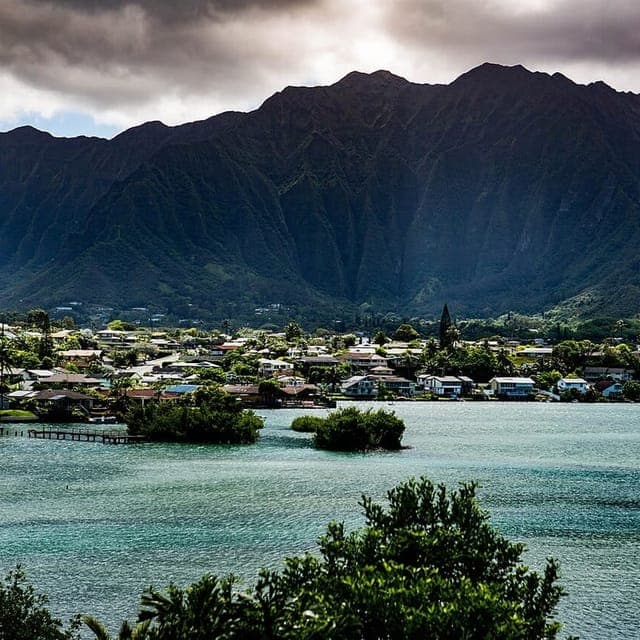
East Honolulu feels less like a single neighborhood and more like a string of quiet, affluent communities—Hawaii Kai, Niu Valley, Aina Haina, and Wailupe—pressed between the Koʻolau Range and the Pacific. It’s the kind of place where people move for the schools, stay for the ocean access, and quietly accept that a gallon of milk costs what it costs because the view out the kitchen window is worth it. With a median age of 49.3 and a median household income of $158,398, this isn’t a starter-home zip code; it’s a long-term play for professionals, empty nesters, and families who’ve decided that a 31-minute commute into downtown Honolulu is a fair trade for a life that feels a little more like a permanent vacation.
Daily Rhythm: Slow Mornings, Structured Afternoons
Most days in East Honolulu start early, often with a run or a walk along the Hawaii Kai Marina or the paved path at Koko Head District Park. By 7 a.m., the parking lot at Koko Head Cafe is already full—locals know the line for the macadamia nut pancakes moves fast, but the coffee is worth the wait. The grocery scene leans heavily on Safeway in Hawaii Kai and Foodland in Aina Haina, where the poke counter is a legitimate community hub. Weekends often revolve around the Koko Head Farmers Market (Saturdays) or a slow afternoon at Sandy Beach Park, where the bodyboarding crowd is serious and the shore break is no joke. The vibe is low-key but structured: people here have routines, and they protect them. You’ll see the same faces at the same coffee shops, and after a few months, you’ll be one of them.
Who Fits In—And Who Doesn’t
This is a place for people who value predictability and proximity. The median home value sits at $1,172,300, and the cost of living index is 334—more than three times the national average—so the financial bar is real. The typical resident is college-educated (60.6% hold a bachelor’s or higher), works in professional services, healthcare, or tech, and has at least one child in the Hawaii Kai or Kaiser High School attendance zone. Single people in their 20s and 30s often feel the pinch: the social scene is quieter than downtown or Waikiki, and the dating pool skews older. For parents, though, the calculus is simple. The public schools—Hahaione Elementary, Niu Valley Middle, and Kaiser High—are among the best on Oahu, and the community revolves around them. Friday night football at Kaiser High draws real crowds, and the booster club runs like a small business. If you’re looking for nightlife, you’re in the wrong place. If you’re looking for a safe, scenic place to raise kids, you’ve found it.
Sports, Surf, and the Weekend Release Valve
Sports here are less about pro teams and more about participation and place. Kaiser High School’s football and volleyball teams are a genuine source of community pride—playoff games at the school gym pack the bleachers with parents, alumni, and neighbors who don’t even have kids in the district. For outdoor recreation, the real draw is the Koko Crater Railway Trail, a punishing 1,048-step climb up an old military tramway that rewards you with a 360-degree view of the southeast coast. It’s a rite of passage for new residents. The Hanauma Bay Nature Preserve is a 10-minute drive from most of East Honolulu, and while it’s tourist-heavy on weekends, locals know to go early on weekdays for the snorkeling. The Hawaii Kai Towne Center hosts a monthly “Family Fun Night” with live music and food trucks, and the Koko Head District Park has tennis courts, a pool, and baseball fields that see steady use year-round. There’s no major concert venue in East Honolulu—for that, you drive 20 minutes into town—but the Waikiki Shell and Blaisdell Center are close enough for a date night.
Pros and Cons of Living in East Honolulu
The upsides are real: top-tier public schools, ocean access that’s genuinely world-class, and a violent crime rate of 200.2 per 100,000—low enough that most people don’t lock their doors during the day. The downsides are equally concrete. Traffic on Kalanianaole Highway (Highway 72) is a daily grind; the average commute of 31 minutes can stretch to 45 on a rainy Friday. The cost of living means that even dual-income professional households feel the squeeze on housing. And the weather, while beautiful, has a seasonal rhythm: summer is dry and hot, winter brings sudden rain squalls and big surf that can close Sandy Beach for days. Longtime residents love the sense of isolation from Waikiki’s chaos but sometimes chafe at the limited dining variety—after you’ve hit the same five sushi spots and two pho joints, you start planning dinner around trips into town. Still, for the right person—someone who values quiet, community, and a daily view of the ocean—East Honolulu is less a compromise and more a long-term bet on quality of life.

Similar small cities to East Honolulu
* Values derived from national, state, county, city and local statistics and may differ in a specific area. Last updated: 2026-04-24T12:49:34.000Z
Narrative content on this page is AI-generated and may contain mistakes. Verify any details that matter before acting on them.
ReloMaps may earn a commission from affiliate links at no extra cost to you.

