Photo: Wikipedia
Quality of Life in East Honolulu, HI
A high quality of life with strong walkability, manageable living costs, healthy neighborhood signals, and solid amenity access.
What does Quality of Life tell us?
Quality of Life blends cost of living, nearby amenities, socioeconomic signals, and neighborhood character. City-level scores represent the whole municipality; individual neighborhoods can differ.
What does this tell us?
Quality of Life blends cost of living, nearby amenities, socioeconomic signals, and neighborhood character. City-level scores represent the whole municipality; individual neighborhoods can differ.
Cost of Living
234% above national average
The Real Cost of Living in East Honolulu, HI for 2026
| Tier | Individual | Family (4) |
|---|---|---|
| Survival | $52k | $97k |
| Comfortable | $181k | $266k |
| Luxury | $265k+ | $411k+ |
| Elite (Top 5%) | $312k+ | $483k+ |
60%
The Area Signal
A metric tracking the socioeconomic signals of the area.
Hobbies
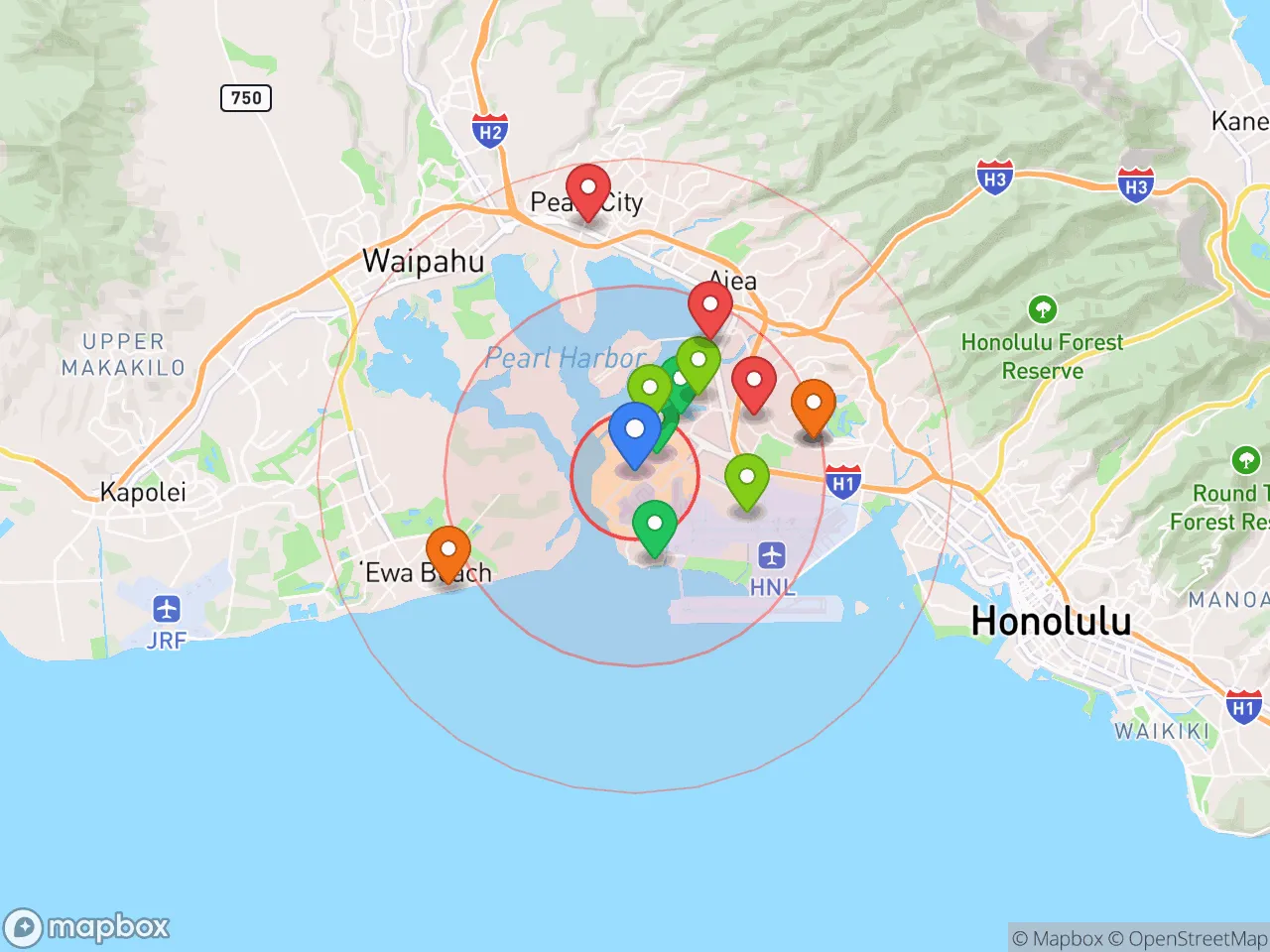
Explore the areaGroceries
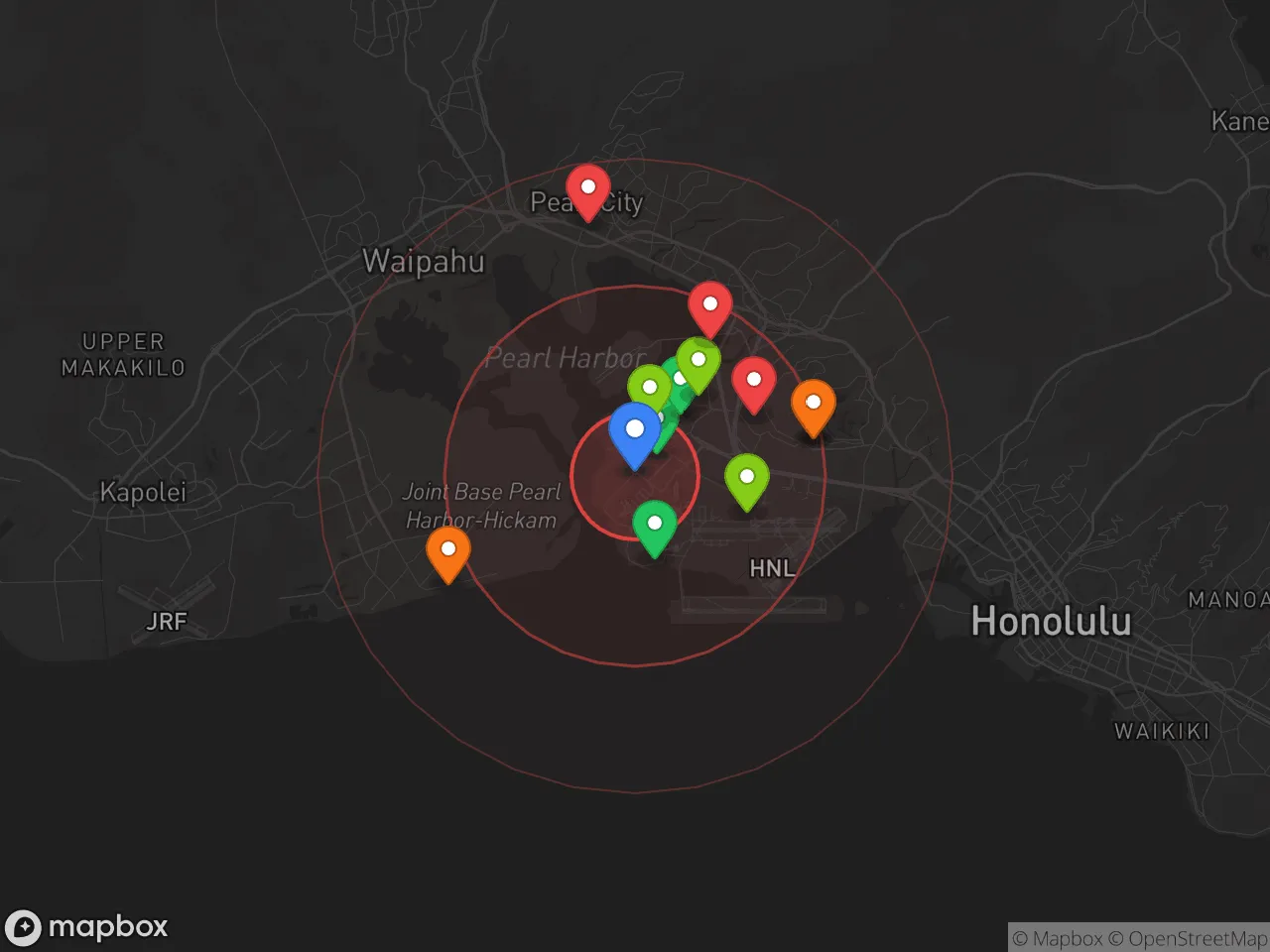
5 within 10 miles
Gas
20 within 10 miles
Hospital
15 within 20 miles
Airport
Daniel K. Inouye International Airport
Post Office
USPS — Honolulu, HI
Critical Amenities
Quality-of-Life Analysis
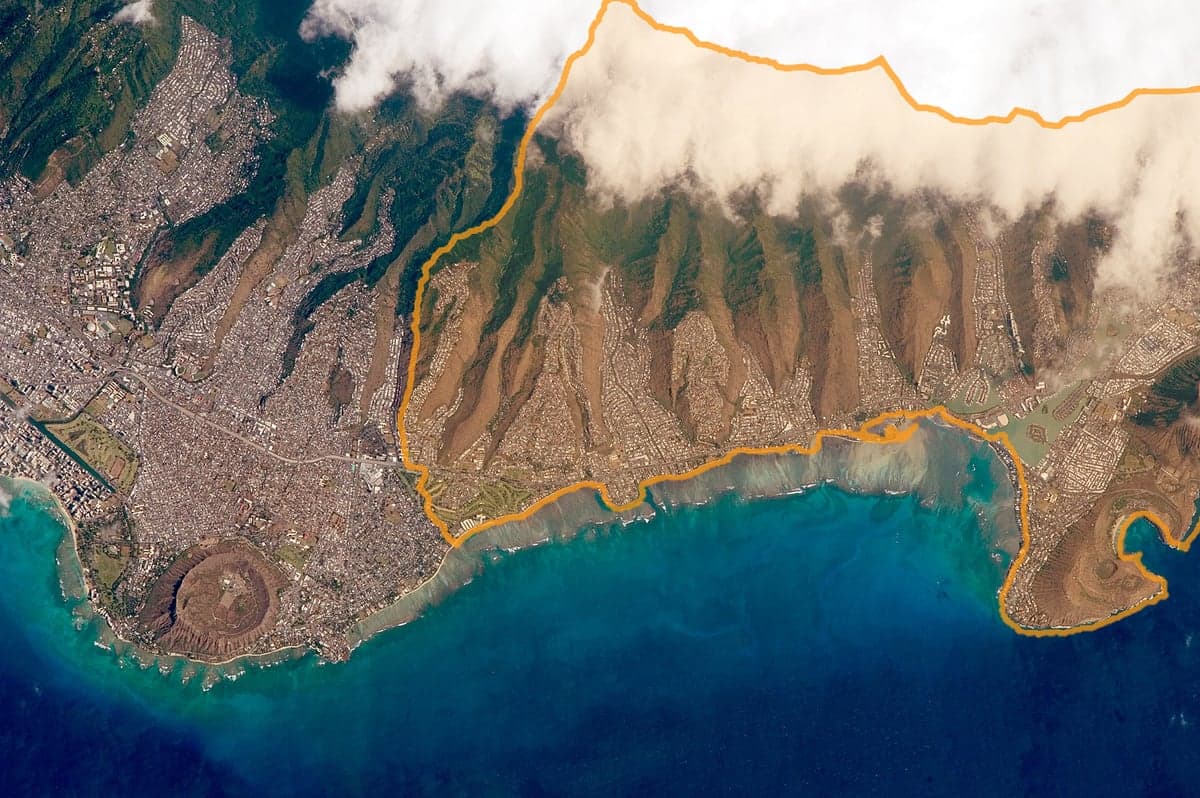
East Honolulu is one of the most affluent residential corridors on Oahu, stretching from Kahala to Hawai‘i Kai and encompassing neighborhoods like Aina Haina, Niu Valley, and Portlock. With a cost of living index of 334—more than three times the U.S. average—this area attracts established professionals, executives at local firms like Hawaiian Electric and Bank of Hawaii, and families who prioritize ocean views, top-tier public schools, and a quieter pace than urban Honolulu. The median household income here exceeds $130,000, reflecting a community built around long-term investment in lifestyle rather than transient tourism.
Cost of living, housing prices, and affordability compared to nearby areas
East Honolulu’s cost of living index of 334 is driven overwhelmingly by housing. The median home value sits at $1,172,300, roughly double the median for the City and County of Honolulu ($620,000) and about 2.5 times the statewide median. Median rent is $3,249 per month, compared to $2,100 in nearby Salt Lake–Moanalua and $1,800 in Waipahu. For context, a household earning the area’s median income of $135,000 would spend about 29% of gross income on a mortgage at current rates—tight but feasible for dual-income professionals. By contrast, a family earning Oahu’s median household income of $88,000 would be priced out of East Honolulu entirely, needing to allocate over 50% of income to rent. Compared to Kailua (median home value $1.05M) or Manoa ($1.3M), East Honolulu offers slightly more square footage and larger lots, particularly in Hawai‘i Kai, where single-family homes on quarter-acre lots are common. Property taxes remain relatively low by mainland standards—roughly 0.35% of assessed value—which helps offset the high purchase price for long-term owners.
What daily life is like for families: amenities, schools, and commute realities
Daily life in East Honolulu revolves around outdoor recreation and local shopping corridors. The area is served by the Hawai‘i Kai Towne Center and Kahala Mall, which provide grocery stores (Foodland, Whole Foods), restaurants, and boutique retail. Public schools are among the best on Oahu: ‘Aina Haina Elementary, Niu Valley Middle School, and Kalani High School all score in the top 10% of Hawaii’s DOE schools, with Kalani offering International Baccalaureate and strong STEM programs. Private options include Iolani School and Punahou School, both within a 15-minute drive. The average commute to downtown Honolulu is 31 minutes via the Kalanianaole Highway (Route 72) or the H-1 Freeway, though during peak hours (7:30–8:30 AM) that can stretch to 45 minutes. Many residents offset this by working hybrid schedules or starting early. Weekend life centers on Hanauma Bay (snorkeling, $7.50 entry for residents), Makapu‘u Beach, and the Koko Head Crater Trail—a steep 1,048-step hike that draws fitness-minded locals. The area has no nightlife to speak of; social life revolves around community events like the Hawai‘i Kai Farmers Market (Saturdays) and youth sports leagues at Koko Head District Park.
East Honolulu is best suited for families and professionals who can absorb the high housing costs and value a suburban, nature-focused lifestyle within 30–45 minutes of downtown employment. Retirees with significant equity from mainland home sales also find it appealing, as do remote workers earning mainland salaries. The trade-off is clear: you pay a premium for safety, schools, and ocean access, but you sacrifice urban density, nightlife, and housing affordability. For those who can afford the entry price, East Honolulu offers one of the most stable and amenity-rich residential environments in Hawaii.

Crime in East Honolulu, HI
Generally safer than 64% of comparable U.S. locations.
Violent CrimeViolent Crime Analysis
Property CrimeProperty Crime Analysis
Crime Analysis
East Honolulu is one of Oahu’s safest residential areas, with violent crime rates significantly below both the Hawaii state average and national benchmarks. The area’s violent crime rate of 200.2 incidents per 100,000 residents is roughly half the national average of 380 per 100,000, while property crime sits at 1,586.9 per 100,000—comparable to the national figure of 1,954 per 100,000 but notably lower than the Honolulu metro average. These figures reflect a community that benefits from high median incomes, low unemployment, and a strong police presence in neighborhoods like Hawaii Loa Ridge, Aina Haina, and Niu Valley.
Crime in context
East Honolulu’s crime profile is shaped by its geography and demographics. The area is a collection of affluent, largely residential communities stretching from Kahala to Hawaii Kai, with limited commercial corridors that attract opportunistic crime. Violent crime here is rare: the 200.2 per 100K rate is 47% lower than the national average and well below the Honolulu Police Department’s citywide average of 260 per 100K. Property crime, while higher at 1,586.9 per 100K, is driven primarily by vehicle break-ins and package thefts in areas with easy freeway access, such as the Kalanianaole Highway corridor. For context, the Hawaii state property crime rate is 2,800 per 100K, meaning East Honolulu is 43% safer than the state as a whole in this category.
What residents experience
Daily life in East Honolulu is characterized by a low fear of crime. Residents commonly leave garage doors open during the day and walk trails like the Makapuu Lighthouse path without concern. The Honolulu Police Department’s District 7 (East Honolulu) maintains a visible presence, with substations in Hawaii Kai and Kahala. However, the broader Honolulu metro area—including downtown Honolulu and Waikiki—has seen rising property crime and occasional violent incidents, which some attribute to progressive prosecution policies under the Honolulu Department of the Prosecuting Attorney. Critics argue that lenient sentencing for repeat property offenders and a focus on diversion programs have contributed to a 15% increase in auto thefts citywide since 2022, though East Honolulu’s isolation and neighborhood watch programs have mitigated these effects locally.
Neighborhood-level variation is notable. Hawaii Loa Ridge, a gated community with 24-hour security, reports virtually zero violent crime and property crime rates below 500 per 100K. In contrast, areas near the Hawaii Kai Shopping Center and along Kalanianaole Highway see higher rates of theft from vehicles, with some blocks reporting property crime rates approaching 2,000 per 100K. Overall, East Honolulu remains a safe choice for families and retirees, but residents should still secure vehicles and packages, particularly in more accessible zones near main roads.
* Values derived from national, state, county, city and local statistics and may differ in a specific area. Last updated: 2026-04-24T12:49:34.000Z
Narrative content on this page is AI-generated and may contain mistakes. Verify any details that matter before acting on them.
ReloMaps may earn a commission from affiliate links at no extra cost to you.

