Photo: Wikipedia
Demographics of Edwards, CO
Affluence Level in Edwards, CO
A middle-class area roughly in line with national averages across income, home values, education, and employment.
People of Edwards, CO
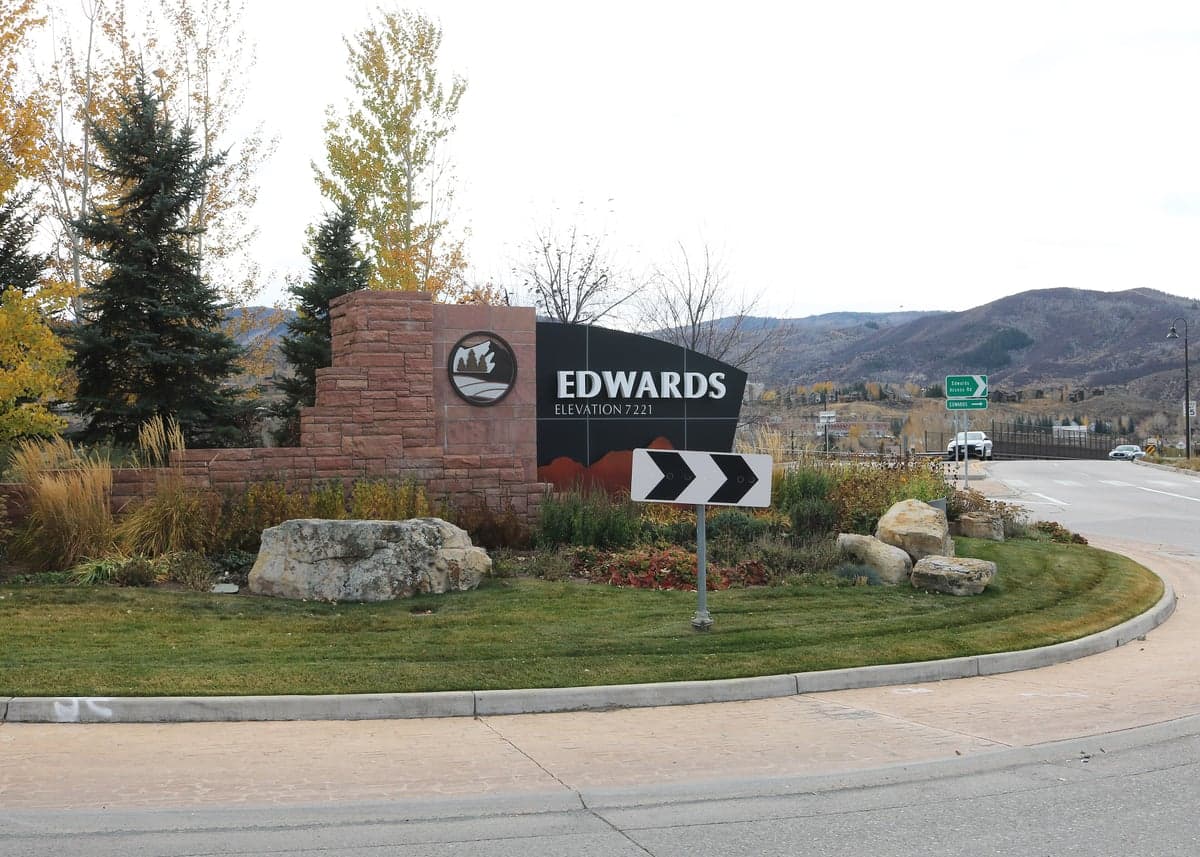
Edwards, Colorado, is a small but affluent unincorporated community of 10,415 residents, characterized by a predominantly White (60.3%) and Hispanic (31.0%) population with a high educational attainment—57.8% hold a college degree. The community’s identity is shaped by its role as a bedroom community for the Vail Valley’s resort economy, blending long-established Hispanic families with a steady influx of wealthy, educated newcomers drawn to mountain recreation and high-end real estate. The population is notably less diverse than the national average in terms of Black (2.2%) and East/Southeast Asian (1.6%) residents, but the Hispanic presence is deeply rooted and culturally significant.
How the city was settled and grew
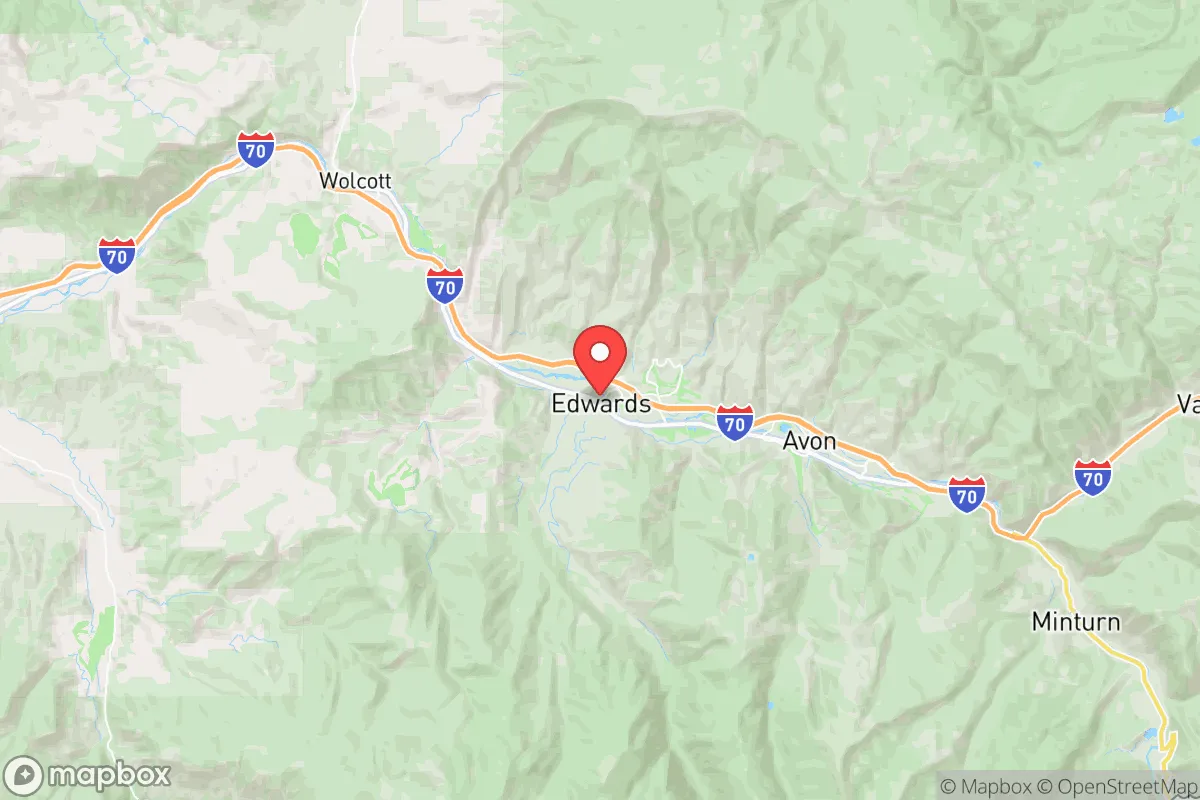
Edwards was not a city in the traditional sense but rather a railroad stop and agricultural hub that grew organically along the Eagle River. The original population consisted of Ute Indians, followed by Anglo-American homesteaders and Hispanic sheepherders and ranchers who arrived in the late 19th and early 20th centuries. The historic Edwards Village neighborhood, centered around the old railroad depot, was built by these early ranchers and remains a cluster of older homes and small lots. The Lake Creek area, south of the interstate, was settled by Hispanic families who worked the ranches and later found employment in the growing ski industry. These families formed the backbone of the community’s working class, and their descendants still live in the area today, particularly in the Miller Ranch subdivision, a deed-restricted affordable housing development that has helped maintain a degree of economic diversity.
Modern era (post-1965)
The post-1965 era brought dramatic change as Vail’s ski resort boom transformed the entire Eagle County economy. The construction of Interstate 70 in the 1970s made Edwards accessible, and the community shifted from agriculture to a service-based economy catering to tourists and second-home owners. The Singletree neighborhood, a master-planned community built in the 1980s and 1990s, attracted affluent newcomers—mostly White professionals from the Front Range and out of state—who wanted proximity to skiing without the high prices of Vail or Beaver Creek. Meanwhile, the Hispanic population grew through continued immigration from Mexico and Central America, drawn by construction and hospitality jobs. These newer arrivals concentrated in the Arrowhead area’s workforce housing and in mobile home parks like Eagle River Estates, creating a distinct enclave that remains predominantly Hispanic today. The foreign-born share stands at 8.0%, reflecting a steady but not explosive immigration pattern compared to other Colorado resort towns.
The future
Edwards is likely to continue its trajectory of becoming more affluent and more White, as rising real estate prices push out lower-income residents. The Hispanic population, while stable at 31.0%, is not growing rapidly, suggesting a plateau rather than a surge. The small East/Southeast Asian community (1.6%) and Indian subcontinent community (0.5%) are likely to remain niche groups, drawn by professional opportunities in the medical and tech sectors that support the resort economy. The community is not tribalizing into distinct enclaves so much as stratifying by income: the Belle Creek and Cordillera areas (the latter technically in unincorporated Eagle County but adjacent to Edwards) are almost exclusively wealthy and White, while the older neighborhoods near the interstate retain a more mixed demographic. Over the next 10-20 years, expect Edwards to become more homogenized economically, with the Hispanic population assimilating into the broader community or being displaced to more affordable areas like Gypsum or Eagle.
For someone moving in now, Edwards offers a stable, safe, and highly educated community with strong schools and outdoor amenities, but it is increasingly a place for those who can afford the high cost of entry. The working-class Hispanic roots are still visible in the local workforce and in neighborhoods like Miller Ranch, but the overall trend is toward a wealthier, whiter, and more homogeneous population. New residents should expect a community that values privacy, nature, and a quiet lifestyle, with less ethnic diversity than many other Colorado resort towns.

* Values derived from national, state, county, city and local statistics and may differ in a specific area. Last updated: 2026-05-16T10:14:34.000Z
Narrative content on this page is AI-generated and may contain mistakes. Verify any details that matter before acting on them.
ReloMaps may earn a commission from affiliate links at no extra cost to you.

