Photo: Wikipedia
Strategic Assessment of Edwards, CO
Strong survivability profile. Good buffer from population centers, with manageable environmental and tactical risks.
What does the Strategic Assessment tell us?
Our Strategic Assessment grades tactical survivability of an area. Major population centers, military targets, fallout zones, natural disasters, and border exposure all drive risk — lower exposure means a more defensible position in a crisis.
This is heavily inspired by Joel Skousen's Strategic Relocation book. Highly recommended you checkout the book ($)What does this tell us?
Our Strategic Assessment grades tactical survivability of an area. Major population centers, military targets, fallout zones, natural disasters, and border exposure all drive risk — lower exposure means a more defensible position in a crisis.
This is heavily inspired by Joel Skousen's Strategic Relocation book. Highly recommended you checkout the book ($)Strategic Pillars

Key Distances
Regional Safe Places
Below is our recommended "safe zones" in Colorado and the surrounding area based on our strategic heuristics. For most people, it's unrealistic to live in a “safe zone” full-time due to work, family or other personal reasons. They tend to be more rural. However, many of these areas are perfect for second homes and retreat properties that double as a vacation home or even a short-term rental.
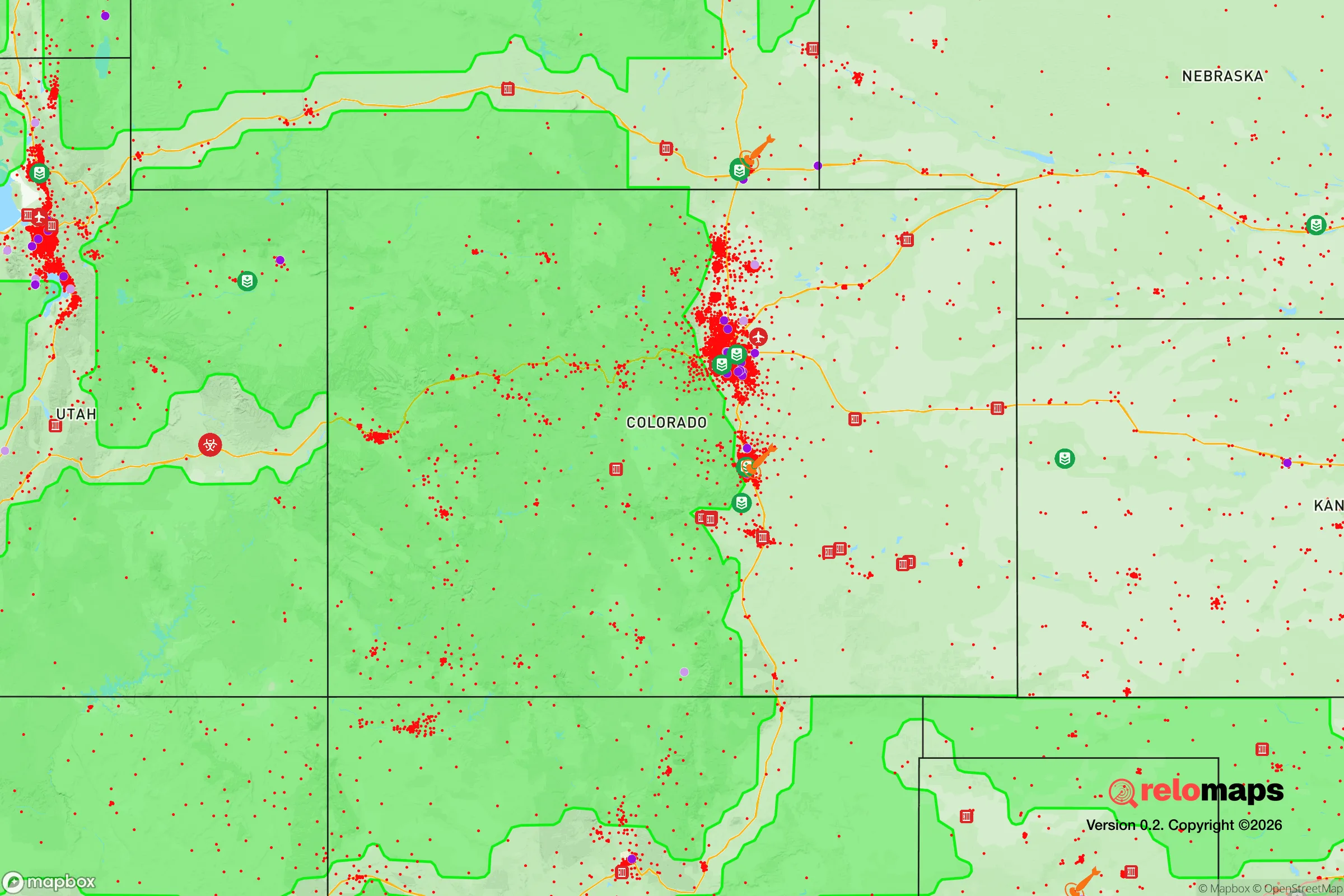
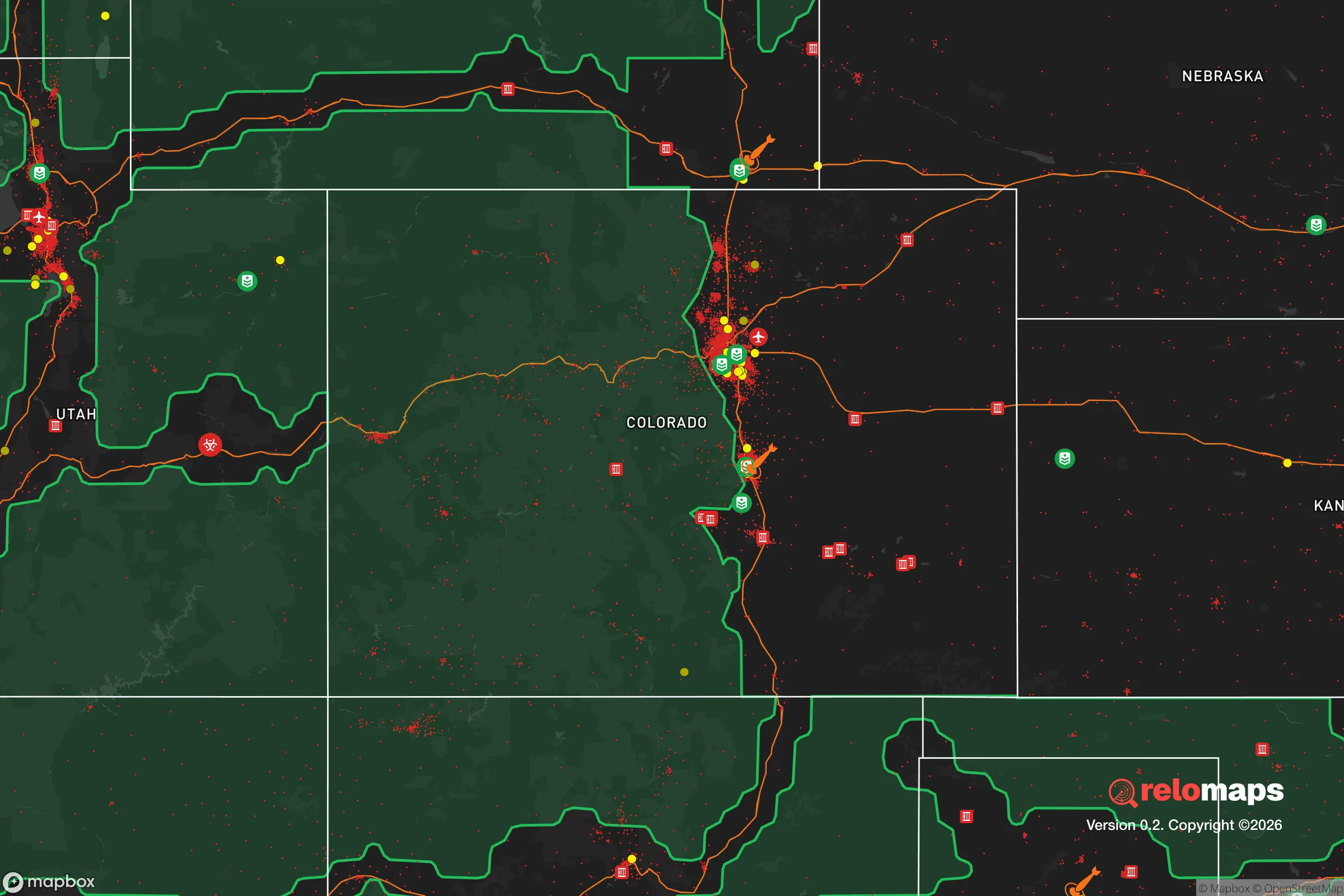


Important Note: For informational purposes only. This does not mean nothing bad ever happens in the green zones. Please use common sense. This is based on public data and modeled with AI. We tried to take a conservative approach but mistakes happen. We update this regularly as new information becomes available.
Solar Generator Recommendations
Backup power matters more here than in safer locations. We've picked three solar generators across budgets and capacity tiers — start with the budget unit if you only need a few essentials, or step up if you want to run a fridge and HVAC for days at a time.

Jackery Portable Power Station Explorer 300
Budget OptionPower on the Go: Weighing only 11 lbs, it's convenient to set up and store with book-sized foldable solar panels

BLUETTI Portable Power Station AC180
Designed for both indoor and outdoor scenarios, AC180 is highly capable as it has a robost capacity and continuous output power.

EF ECOFLOW DELTA Pro Ultra Power Station
Upgraded PickEcoFlow DELTA Pro Ultra is a whole-home energy system designed to grow with your family. Integrated with the Smart Home Panel 2, it scales to meet your evolving energy needs — keeping your home powered, intelligent, and secure through every stage of life.
We earn a commission, at no additional cost to you.
Strategic Assessment Analysis
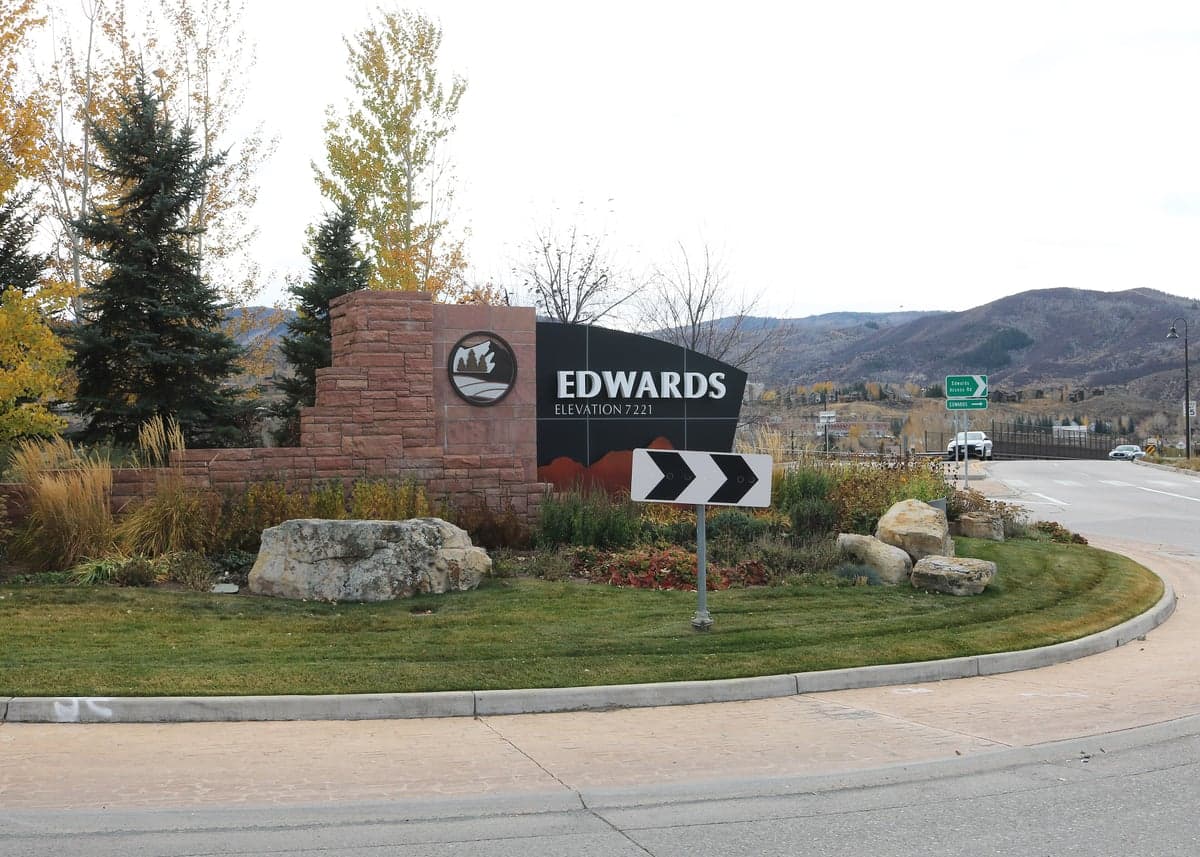
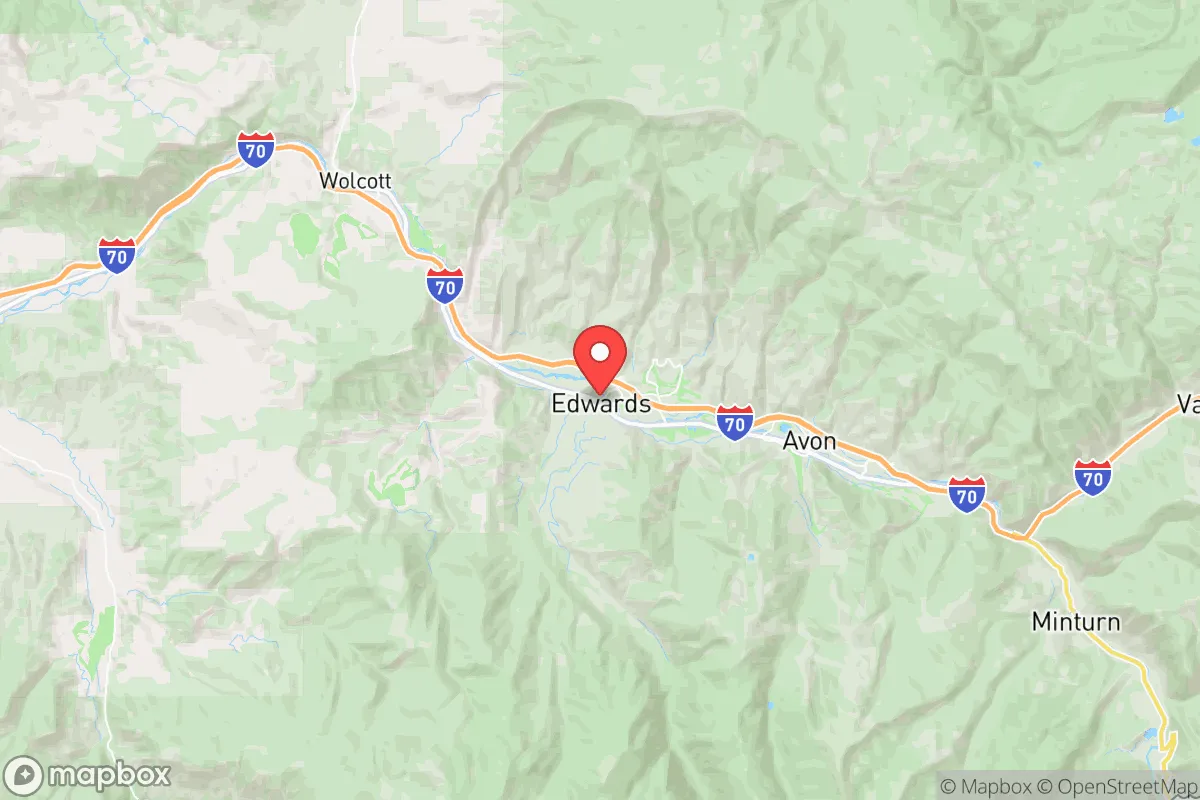
Edwards, Colorado, sits in a narrow valley of the Eagle River, roughly 30 miles west of Vail and 130 miles west of Denver, offering a strategic blend of isolation and accessibility that appeals to those prioritizing long-term resilience. The town’s elevation at 7,200 feet and its position along Interstate 70 provide a critical corridor for movement, but the surrounding White River National Forest and rugged terrain create natural buffers against the sprawl and vulnerabilities of the Front Range. For a relocator with a survivalist mindset, Edwards represents a middle ground—close enough to supply routes and medical infrastructure, yet far enough from the dense population centers that become liabilities during civic unrest or cascading disasters.
Geographic position and natural advantages for long-term security
Edwards’ location in the Eagle River Valley offers several inherent defensive advantages. The valley is flanked by the Sawatch Range to the south and the Gore Range to the north, with limited access points—primarily I-70 and a few county roads. This chokepoint geography makes the area naturally defensible against large-scale movement, whether from civil unrest or mass evacuation events. The elevation also provides a climate buffer: summers are mild, winters bring heavy snow (averaging 150 inches annually), and the growing season is short but workable for cold-hardy crops like potatoes, kale, and root vegetables. The Eagle River itself runs through the valley, providing a reliable surface water source, though treatment and storage are necessary for potable use. The surrounding national forest offers abundant timber for fuel and construction, as well as game such as elk, mule deer, and black bear. For a prepper, the key advantage is that Edwards sits outside the immediate blast or fallout zones of any major military or industrial targets—no nuclear plants, no major military bases, and no chemical storage facilities within a 50-mile radius. The nearest significant infrastructure is the Eagle County Regional Airport (EGE), which is small and primarily serves private jets and seasonal commercial flights, making it a low-priority target.
Risks, exposures, and proximity to fallout-relevant landmarks
No location is without risk, and Edwards has specific vulnerabilities that a strategic relocator must weigh. The most immediate concern is I-70, which runs directly through the valley. In a crisis, this highway could become a clogged evacuation route or a vector for displaced populations from Denver and the Front Range. The 2024 I-70 closure due to a mudslide near Glenwood Canyon demonstrated how quickly the corridor can become impassable. Additionally, the area lies within the Colorado Mineral Belt, with historical mining operations that left behind tailings and potential groundwater contamination—though modern testing shows acceptable levels for most uses. Wildfire risk is moderate to high, especially in dry years; the 2020 Grizzly Creek Fire burned 32,000 acres just west of Edwards, threatening the I-70 corridor and forcing evacuations. For those concerned with fallout from a larger event, Edwards is roughly 130 miles from the Rocky Flats National Wildlife Refuge (a former nuclear weapons plant) and 150 miles from the Cheyenne Mountain complex in Colorado Springs—both potential targets in a major conflict. However, prevailing winds in the region blow west to east, meaning fallout from those sites would likely move away from Edwards. The town’s population of roughly 8,500 (including the broader Edwards area) is small enough to avoid the chaos of a major urban center, but the seasonal influx of tourists to nearby Vail and Beaver Creek can strain local resources during peak periods.
Practical resilience for a relocator: food, water, energy, and defensibility
For a relocator serious about self-sufficiency, Edwards offers a mixed picture. Water is the strongest asset: the Eagle River flows year-round, and groundwater is accessible via wells in most areas, though permits are required and depths vary. The town’s municipal water comes from the river and is treated, but a prepper should plan for a backup—rainwater collection is legal in Colorado but limited to 110 gallons per property without a permit. Food is a challenge. The growing season is short (roughly 90 frost-free days), and soil is rocky and alkaline. Raised beds with imported soil and cold frames are necessary for reliable vegetable production. Local grocery stores (City Market, Safeway) are adequate for normal times but would be depleted quickly in a crisis. The Eagle County Fairgrounds hosts a farmers market in summer, but year-round food storage is essential. Energy is reliable but grid-dependent. Holy Cross Energy provides electricity, with a mix of hydro, solar, and coal. Solar panels are viable—the area gets over 300 sunny days per year—but snow cover in winter requires regular clearing. Propane is common for heating and cooking, and many homes have backup generators. Defensibility is good but not fortress-level. The valley’s narrow shape means a small group could monitor the few entry points, but the terrain also limits escape routes. The local sheriff’s office (Eagle County) is professional but small—about 60 deputies for the entire county. In a prolonged crisis, residents would need to rely on mutual aid networks. The nearest hospital is Vail Health in Edwards itself, a 56-bed facility with a Level III trauma center, adequate for routine emergencies but not for mass casualty events. For those willing to invest, the area supports a lifestyle of quiet preparedness: low crime, strong community ties, and a culture of outdoor self-reliance that aligns with conservative values of independence and resilience.
Overall, Edwards presents a viable but not perfect option for the strategic relocator. Its strengths lie in natural water access, defensible terrain, and distance from major targets. Its weaknesses are the reliance on I-70, a short growing season, and the seasonal tourist pressure. For a single individual or family willing to invest in off-grid capabilities—solar, well water, food storage, and a reliable vehicle—Edwards offers a stable base that balances isolation with access to necessary services. It is not a bug-out location for the unprepared, but for those who plan ahead, it provides a solid foundation for weathering the uncertainties ahead. The key is to act now, secure property with good water rights, and build the local networks that will matter most when the grid falters.

* Values derived from national, state, county, city and local statistics and may differ in a specific area. Last updated: 2026-05-16T10:14:34.000Z
Narrative content on this page is AI-generated and may contain mistakes. Verify any details that matter before acting on them.
ReloMaps may earn a commission from affiliate links at no extra cost to you.

