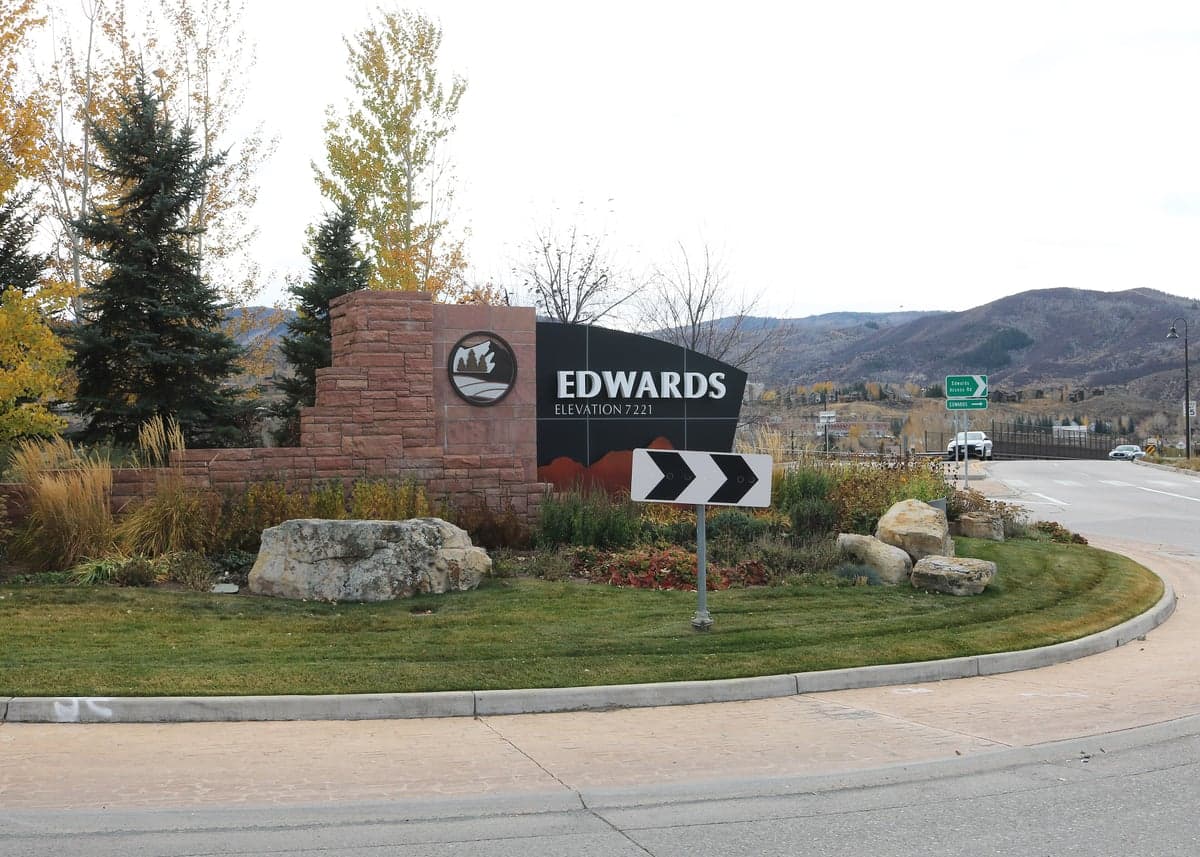
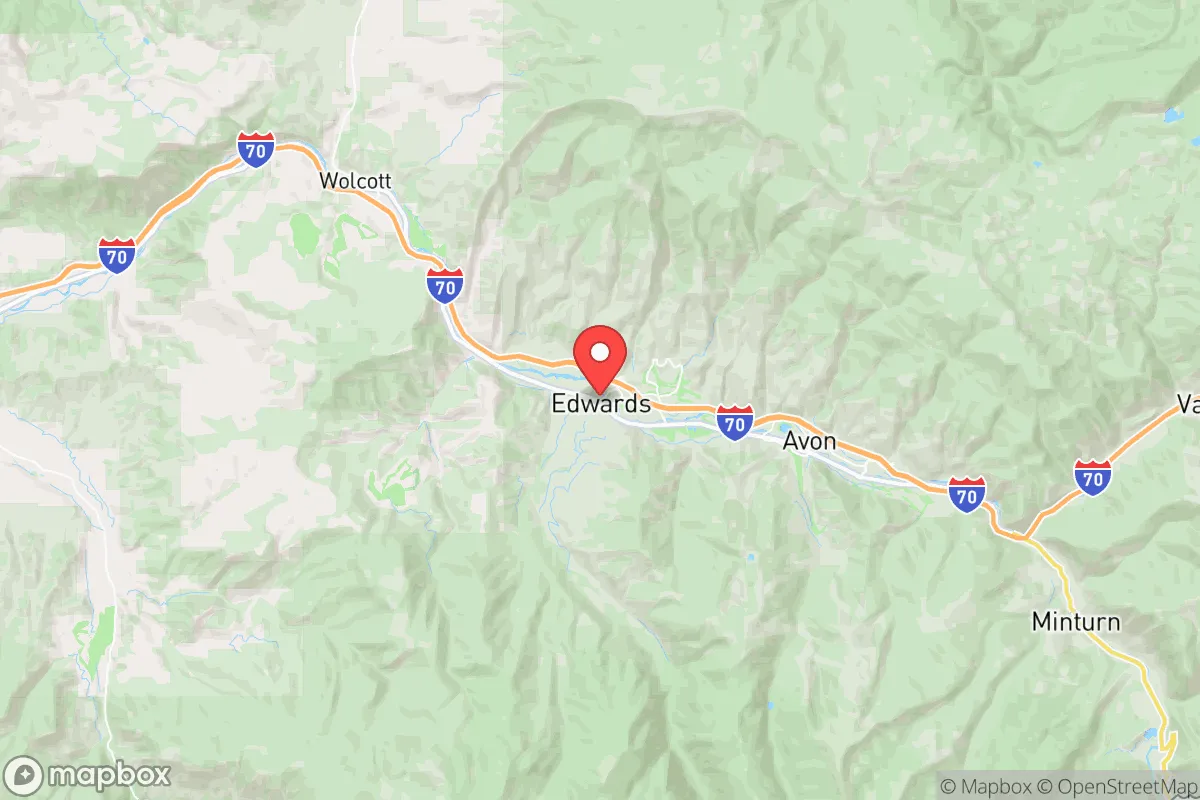
Photo: Wikipedia
Quality of Life in Edwards, CO
A high quality of life with strong walkability, manageable living costs, healthy neighborhood signals, and solid amenity access.
What does Quality of Life tell us?
Quality of Life blends cost of living, nearby amenities, socioeconomic signals, and neighborhood character. City-level scores represent the whole municipality; individual neighborhoods can differ.
What does this tell us?
Quality of Life blends cost of living, nearby amenities, socioeconomic signals, and neighborhood character. City-level scores represent the whole municipality; individual neighborhoods can differ.
Cost of Living
103% above national average
The Real Cost of Living in Edwards, CO for 2026
| Tier | Individual | Family (4) |
|---|---|---|
| Survival | $30k | $57k |
| Comfortable | $145k | $214k |
| Luxury | $164k+ | $254k+ |
| Elite (Top 5%) | $310k+ | $480k+ |
42%
The Area Signal
A metric tracking the socioeconomic signals of the area.
Hobbies
Explore the areaGroceries
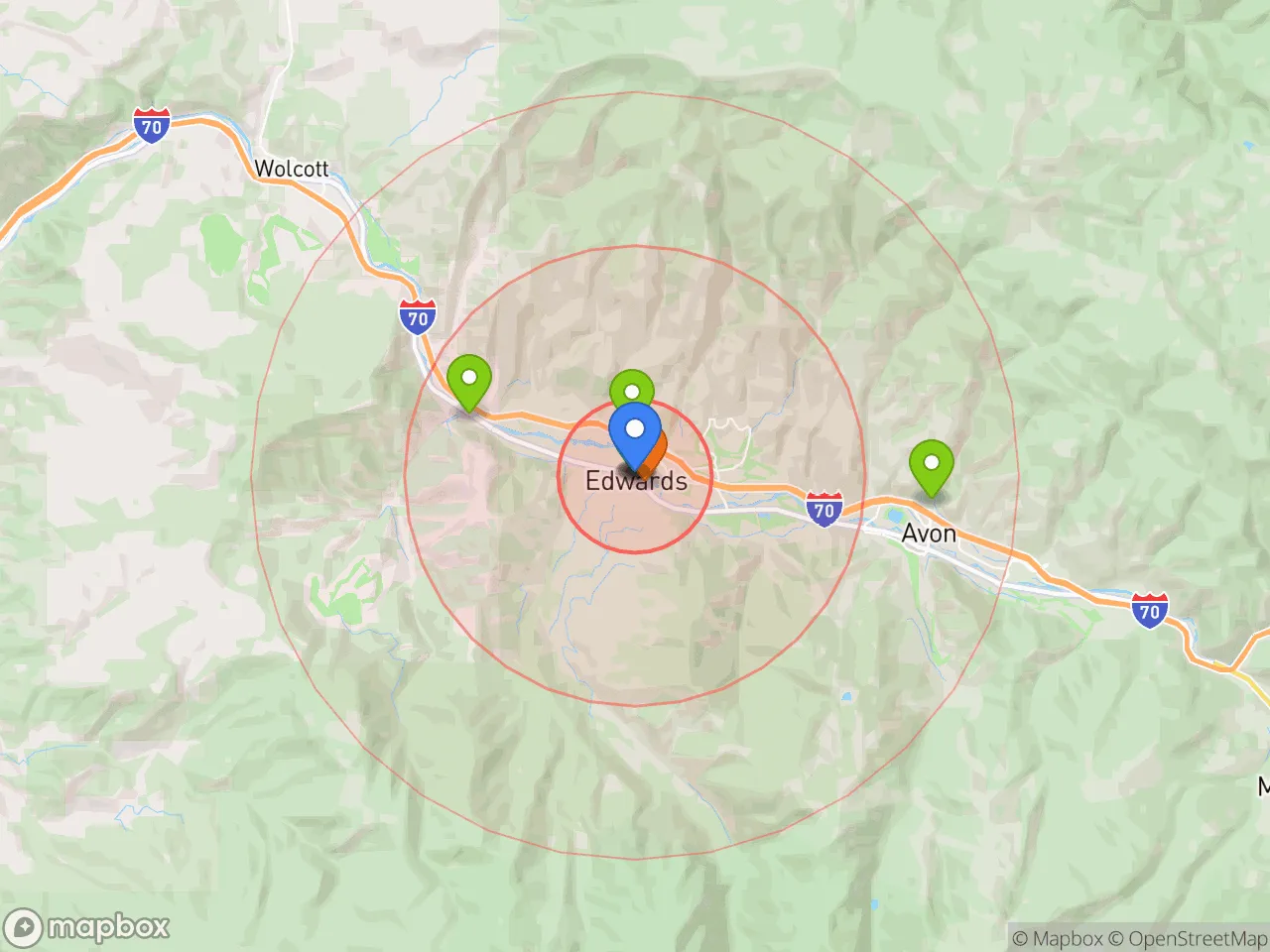
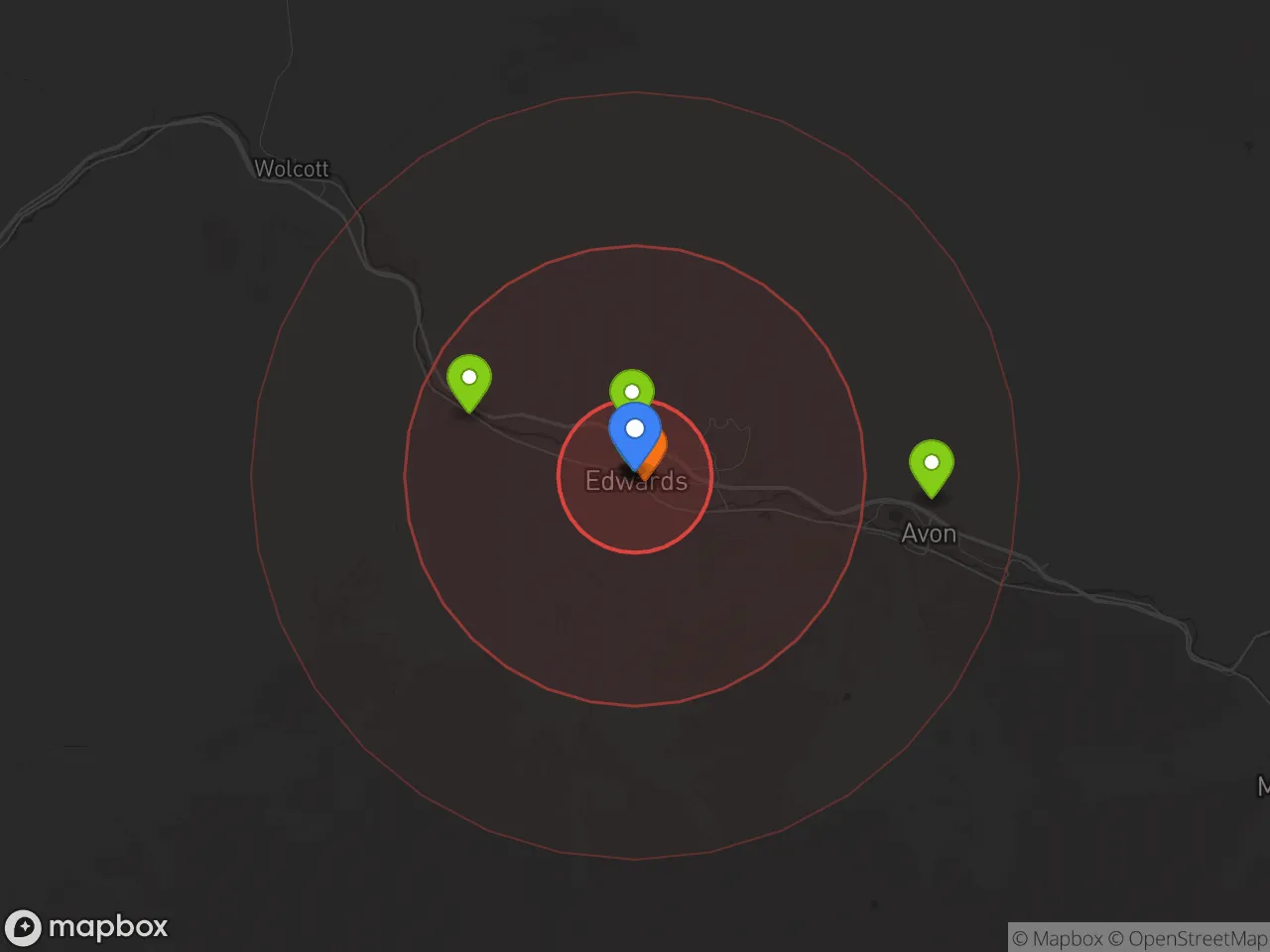
3 within 10 miles
Gas
8 within 10 miles
Hospital
3 within 20 miles
Airport
DEN — Denver International
Post Office
USPS — Edwards, CO
Critical Amenities
Quality-of-Life Analysis
Edwards, Colorado, is an affluent mountain community in Eagle County, where the cost of living index of 203 (more than double the U.S. average) reflects its status as a high-end resort-adjacent enclave. The area draws a mix of second-home owners, remote professionals, and service-industry workers supporting the nearby Vail and Beaver Creek ski resorts, creating a demographic blend of wealth and working locals. With a median home value of $747,700 and median rent of $1,885, Edwards sits at a price point significantly below Vail Village but well above most Colorado towns, positioning it as a middle-ground option for those seeking mountain lifestyle without the extreme premiums of resort core properties.
Cost of living, housing, and affordability compared to Vail and Beaver Creek
The cost of living in Edwards is 103% above the national average, driven primarily by housing and transportation. The median home value of $747,700 is roughly 30% lower than Vail’s median and about 20% below Beaver Creek’s, making Edwards a relative bargain within the Eagle River Valley. Median rent of $1,885 is notably more attainable than the $2,500+ averages in Vail and Avon, though still high by national standards. The average commute of 22.6 minutes is reasonable for the region, as many residents drive to jobs in Vail (15 minutes east) or Beaver Creek (10 minutes west) along Interstate 70. However, the trade-off for lower housing costs is limited inventory—Edwards has fewer rental units than Avon or Vail, and competition for homes under $800,000 is intense. Property taxes in Eagle County are moderate (roughly 0.5% of assessed value), but homeowners’ insurance and HOA fees in newer developments can add significant monthly costs.
Schools, outdoor amenities, and daily life in Edwards
Edwards offers a daily rhythm centered on outdoor recreation and small-town convenience. The area is served by Eagle County Schools, with Red Canyon High School and Berry Creek Middle School both located within the community; the district’s graduation rate hovers around 85%, slightly below the state average. For daily errands, Edwards has a full-service grocery store (City Market), a hardware store, and several restaurants and cafes along U.S. Highway 6. The Eagle River Preserve provides 1.5 miles of riverfront trails for hiking and fishing, while the Eagle-Vail Golf Club offers an 18-hole course just minutes away. Winter residents have direct access to the Vail Pass bike path and shuttle routes to ski areas, reducing the need for a second car. Healthcare is accessible via the Vail Health Hospital in Edwards, which includes an emergency room and specialty clinics—a critical asset given the nearest major trauma center is in Denver, 110 miles east. The community lacks a downtown core like Vail Village, so daily life revolves around the highway corridor and neighborhood clusters like Riverwalk and Arrowhead.
Edwards is best suited for affluent professionals, outdoor enthusiasts, and families who prioritize proximity to world-class skiing and hiking over urban amenities. Remote workers with stable incomes above $150,000 will find the housing market manageable, while service-industry workers may need roommates or longer commutes from more affordable towns like Gypsum or Eagle. The area’s low crime rate, strong school options, and 300+ days of sunshine make it a compelling choice for those who can absorb the high cost of living. However, retirees on fixed incomes and budget-conscious renters should look to Eagle (15 miles west) or Glenwood Springs (40 miles west) for more attainable housing. For the right buyer, Edwards delivers a balanced mountain lifestyle without the resort-town chaos of Vail or the isolation of more remote Colorado communities.

Crime in Edwards, CO
Crime rates similar to the national median for U.S. locations.
Violent CrimeViolent Crime Analysis
Property CrimeProperty Crime Analysis
Crime Analysis
Edwards, Colorado, presents a mixed safety profile that requires careful scrutiny. While the unincorporated community in Eagle County offers a scenic mountain lifestyle, its violent crime rate of 426.6 incidents per 100,000 residents significantly exceeds both the Colorado state average and the national median. Property crime is also a notable concern, with a rate of 2,173.1 per 100,000, placing it above many comparable resort-area communities. These figures suggest that prospective residents should look beyond the postcard views and examine the local justice system's approach to public safety.
Crime in context
Edwards' violent crime rate is roughly 22% higher than the national average and substantially above the Colorado state rate of approximately 380 per 100,000. Property crime in Edwards also outpaces the national benchmark, which sits near 1,950 per 100,000. These elevated numbers are particularly concerning given that Eagle County, like many resort-adjacent jurisdictions in Colorado, operates under a judicial philosophy that often prioritizes rehabilitation over incarceration. Progressive district attorneys in the region have implemented policies such as reduced cash bail, diversion programs for repeat offenders, and sentencing guidelines that limit jail time for property crimes. While intended to reduce recidivism, these policies can result in more criminals remaining on the street, directly impacting the safety of residents and the likelihood of swift justice for victims.
What residents experience
For those living in Edwards, the statistical reality translates into tangible daily concerns. Theft from vehicles, package theft, and burglaries are the most commonly reported property crimes, particularly in the commercial corridors along U.S. Highway 6 and near the Riverwalk shopping area. Violent incidents, while less frequent, include aggravated assaults and occasional robberies, often linked to substance abuse issues prevalent in mountain communities. Residents frequently report that police response times can be slow due to the area's spread-out geography and limited sheriff's office staffing. The combination of a high property crime rate and a justice system perceived as lenient creates an environment where many homeowners invest heavily in security systems, surveillance cameras, and neighborhood watch participation as a matter of routine.
Neighborhood-level variation
Safety in Edwards is not uniform across the community. The gated golf-course communities and newer luxury developments near the Edwards Corner area generally experience lower crime rates, benefiting from private security and limited public access. In contrast, the more affordable multi-family housing complexes along Lake Creek Road and the mobile home parks near the I-70 interchange report higher incidences of theft and drug-related activity. The unincorporated nature of Edwards means it lacks a dedicated municipal police force, relying entirely on the Eagle County Sheriff's Office, which must cover a vast territory. This can lead to longer response times in outlying neighborhoods. Prospective residents should research specific block-level crime maps and speak directly with the sheriff's office about patrol frequency in their target area before committing to a move.
* Values derived from national, state, county, city and local statistics and may differ in a specific area. Last updated: 2026-05-16T10:14:34.000Z
Narrative content on this page is AI-generated and may contain mistakes. Verify any details that matter before acting on them.
ReloMaps may earn a commission from affiliate links at no extra cost to you.

