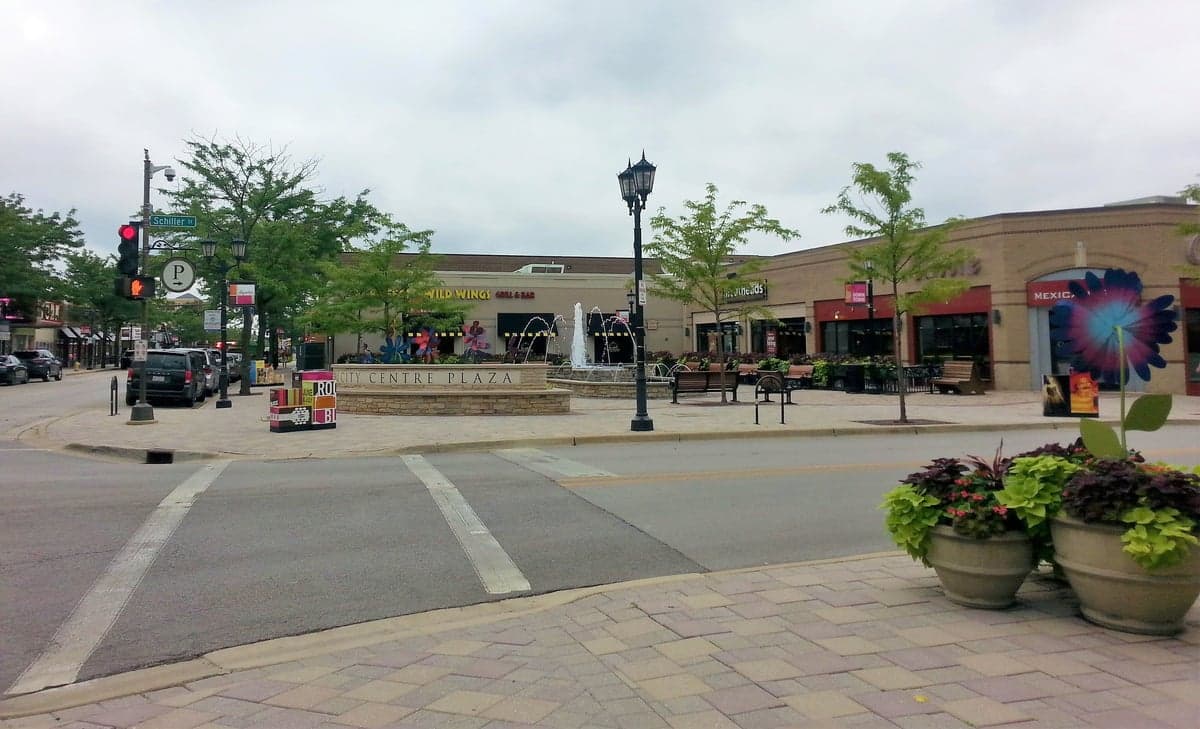
Photo: Wikipedia
Political ClimatePolitical Climate in Elmhurst, IL
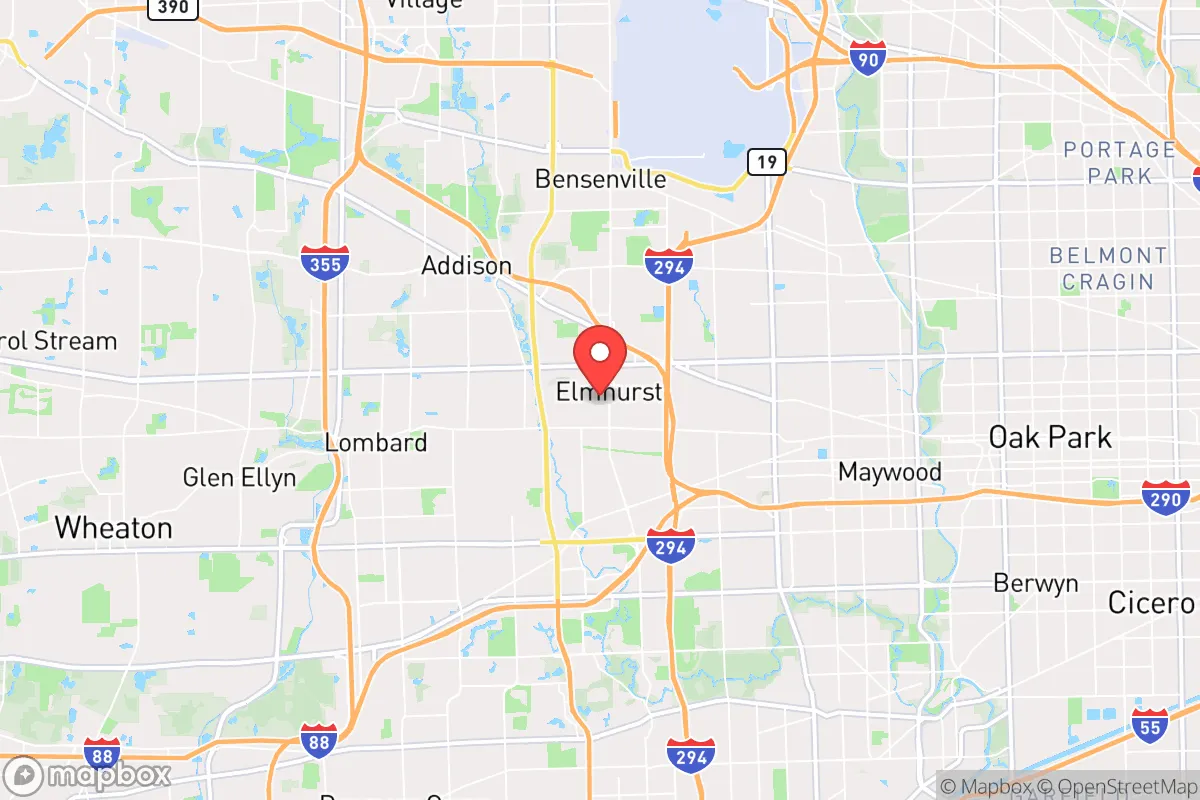
District shown is the primary district for this city’s centroid. Cities may span multiple districts.
Local Political AnalysisPolitical Analysis of Elmhurst, IL
Elmhurst used to be a place where you could count on common sense, but like a lot of the western suburbs, it’s been shifting. The Cook County partisan voting index sits at D+3, which sounds moderate, but that number hides a lot. For decades, Elmhurst was reliably conservative—a quiet, family-oriented town where folks just wanted to be left alone. Now, you’re seeing more progressive energy creeping in, especially in local school board races and city council decisions. It’s not a full-on blue wave yet, but the trajectory is concerning if you value limited government and personal freedoms.
How it compares
Drive ten minutes east and you’re in Oak Park, which is as progressive as it gets in the region—think heavy-handed zoning, strict rental regulations, and a school board that’s all-in on DEI initiatives. Head west to Wheaton, and you’re back in solidly conservative territory, where property rights and fiscal restraint still matter. Elmhurst sits right in the middle, but it’s leaning harder toward the Oak Park model every election cycle. The 2022 school board elections saw a slate of candidates backed by progressive PACs win seats, pushing things like critical race theory-adjacent curriculum and gender identity policies that would have been unthinkable here ten years ago. Meanwhile, neighboring towns like Lombard and Addison are still more hands-off, but they’re feeling the same pressure from county-level mandates out of Chicago.
What this means for residents
For a long-time resident, the biggest red flag is how quickly local government has started reaching into everyday life. The city council recently passed a “welcoming city” ordinance that ties the hands of local police when it comes to immigration enforcement—basically telling federal agents they’re not welcome unless it’s a violent crime. That’s a direct hit on public safety and local control. Then there’s the push for higher property taxes to fund “equity” programs in the schools, even as test scores stagnate. If you’re a homeowner or a small business owner, you’re footing the bill for policies you never voted for. The county’s D+3 rating means Elmhurst’s voice is drowned out by Chicago’s machine, so even if local conservatives win a few seats, they’re fighting an uphill battle against Springfield and Cook County’s progressive agenda.
Culturally, Elmhurst still has its old-school charm—the downtown is full of independent shops, and you’ll see American flags on porches. But the policy distinctions are growing. The city’s decision to opt into the county’s “guaranteed income” pilot program, giving taxpayer money to low-income residents with no strings attached, is a perfect example of the overreach I’m talking about. It’s a slippery slope: once you start handing out cash, you’re creating dependency and expanding government’s role in your wallet. If this trend continues, Elmhurst will lose what made it special—a place where you could raise a family without the government breathing down your neck. My advice? Keep an eye on the next school board and city council elections. If the progressive slate wins again, it might be time to consider a move west to Wheaton or even further out to Kane County, where the tax burden is lower and the politics still respect individual liberty.

State Political ClimatePolitical Climate in Illinois
State Political AnalysisPolitical Environment in the State
Illinois has been a reliably blue state for decades, but its political lean is more complicated than a simple Democratic label — it’s a state where Chicago and its inner suburbs drive the statewide vote, while the rest of the state feels increasingly like a red island in a blue sea. Over the past 20 years, the Democratic grip has tightened, with the party controlling the governorship, both legislative chambers, and every statewide office since 2019, but the margin of victory has narrowed in many downstate counties as rural voters flee the party. The 2024 presidential election saw Illinois vote +11 for the Democratic candidate, but that number masks a deepening urban-rural chasm: Cook County alone delivered a 1.2 million vote margin for the Democrat, while 90 of the state’s 102 counties voted Republican, many by double-digit margins.
Urban vs. rural divide
The political map of Illinois is a tale of two states. The Chicago metro area — Cook County and the collar counties of DuPage, Lake, Will, and Kane — accounts for roughly 65% of the state’s population and votes overwhelmingly Democratic. Chicago itself is a Democratic stronghold, with wards like the 4th and 5th consistently delivering 80%+ margins. The inner suburbs, such as Evanston and Oak Park, are among the most progressive in the Midwest, while outer suburbs like Naperville and Schaumburg have shifted left in recent cycles as professional-class voters move in. Downstate, the story flips: counties like Williamson, Jefferson, and Effingham vote Republican by 30-40 points, driven by agriculture, energy, and manufacturing interests. The St. Louis metro area’s Illinois side — Madison and St. Clair counties — is a mixed bag, with the city of East St. Louis voting heavily Democratic but surrounding rural areas trending red. The I-57 corridor south of Champaign is solidly Republican, while the Quad Cities region (Rock Island County) leans Democratic due to union influence. The divide is so stark that some downstate counties have discussed secession or joining Indiana, though no serious movement has materialized.
Policy environment
Illinois’ policy environment is a case study in progressive governance, with a tax structure that ranks among the most burdensome in the nation. The state has a flat income tax rate of 4.95%, but combined with high property taxes — the second-highest in the U.S. at an average of 2.08% of home value — and a sales tax that can exceed 10% in Cook County, the overall tax burden is crushing. The state’s regulatory posture is heavily pro-union, with a $15 minimum wage (indexed to inflation) and strong collective bargaining laws. Education policy is dominated by the Chicago Teachers Union, which has successfully resisted charter school expansion and secured generous pension benefits. Healthcare is heavily regulated, with Illinois expanding Medicaid under the Affordable Care Act and implementing a state-based insurance exchange. Election laws are among the most liberal in the country: same-day voter registration, no-excuse mail-in voting, and automatic voter registration at DMVs are all in place. The state also has a sanctuary city policy in Chicago and a statewide law limiting local cooperation with federal immigration enforcement. For a conservative-leaning resident, the policy environment feels like a constant push toward higher taxes, bigger government, and less local control.
Trajectory & freedom
Illinois is becoming less free by nearly any measure, with recent legislation expanding government control over personal choices. The 2023 passage of the Protect Illinois Communities Act banned the sale of assault weapons, high-capacity magazines, and certain firearm accessories, making Illinois one of the strictest gun-control states in the Midwest. The law also requires universal background checks and a 72-hour waiting period for all gun purchases. On parental rights, the state has moved in the opposite direction of many red states: a 2021 law requires schools to teach LGBTQ-inclusive history, and a 2023 law prohibits school districts from notifying parents if a child changes their gender identity or pronouns. Medical autonomy has been expanded for abortion, with the 2019 Reproductive Health Act codifying abortion access as a “fundamental right” and removing parental notification requirements for minors. Property rights are under pressure from high property taxes and a 2021 law that allows local governments to impose rent control. The state’s tax burden has driven a net outflow of residents — Illinois lost over 250,000 people between 2020 and 2024 — and the state’s unfunded pension liability of over $140 billion looms as a future tax bomb. For a freedom-minded individual, the trajectory is unmistakably toward more regulation, higher costs, and less personal autonomy.
Civil unrest & political movements
Illinois has seen its share of civil unrest, particularly in Chicago, where the 2020 George Floyd protests escalated into widespread looting and property damage, with over $60 million in damages in the downtown area alone. The city’s response — a mix of curfews and police restraint — was criticized from both sides. Organized activist movements are active on both ends of the spectrum. On the left, groups like the Chicago Teachers Union and the Illinois Coalition for Immigrant and Refugee Rights hold significant political sway, regularly lobbying for progressive policies. On the right, the Illinois Family Institute and local gun-rights groups like the Illinois State Rifle Association have fought the Protect Illinois Communities Act in court, with a federal lawsuit pending. Immigration politics are a flashpoint: Chicago’s sanctuary city status has led to tensions with the state’s Republican-leaning suburbs, with some towns like Elmhurst passing resolutions opposing the policy. Election integrity controversies have been muted compared to other states, but the 2020 election saw a surge in mail-in ballots that led to a lawsuit from the Republican National Committee over ballot drop boxes. Visible flashpoints for a new resident include the constant presence of political signs in suburban yards — often for local school board races that have become proxy battles over curriculum and parental rights — and the occasional protest at the state capitol in Springfield.
Projection
Over the next 5-10 years, Illinois is likely to become more Democratic and more progressive, driven by demographic shifts and in-migration patterns. Chicago’s population is stabilizing after a decade of decline, with new arrivals from other blue states like California and New York bringing progressive voting habits. The collar counties are trending left as suburban voters become more educated and diverse, while downstate counties continue to lose population and political influence. The state’s pension crisis will force either massive tax increases or service cuts — likely both — which will accelerate the exodus of middle-class families to Indiana, Wisconsin, and Tennessee. The political balance will shift further toward Chicago and its suburbs, meaning policies like the assault weapons ban, sanctuary city protections, and progressive taxation are here to stay. A conservative-leaning resident moving in now should expect to see property taxes rise, school curricula become more progressive, and gun rights continue to erode. The only countervailing force is the possibility of a federal lawsuit overturning the gun ban, but even that would be a temporary reprieve.
For a new resident, the bottom line is clear: Illinois offers a high-tax, high-regulation environment that prioritizes collective action over individual freedom. If you value low taxes, gun rights, parental control over education, and limited government, this state will be a constant source of frustration. The urban centers are vibrant and culturally rich, but the cost — both financial and personal — is steep. If you’re considering a move here, be prepared to pay a premium for the privilege of living in a state that is increasingly at odds with conservative values.
* Values derived from national, state, county, city and local statistics and may differ in a specific area. Last updated: 2026-04-29T19:15:29.000Z
Narrative content on this page is AI-generated and may contain mistakes. Verify any details that matter before acting on them.
ReloMaps may earn a commission from affiliate links at no extra cost to you.

