Photo: Wikipedia
Quality of Life in Evanston, IL
A high quality of life with strong walkability, manageable living costs, healthy neighborhood signals, and solid amenity access.
What does Quality of Life tell us?
Quality of Life blends cost of living, nearby amenities, socioeconomic signals, and neighborhood character. City-level scores represent the whole municipality; individual neighborhoods can differ.
What does this tell us?
Quality of Life blends cost of living, nearby amenities, socioeconomic signals, and neighborhood character. City-level scores represent the whole municipality; individual neighborhoods can differ.
Cost of Living
55% above national average
The Real Cost of Living in Evanston, IL for 2026
| Tier | Individual | Family (4) |
|---|---|---|
| Survival | $27k | $51k |
| Comfortable | $92k | $135k |
| Luxury | $173k+ | $268k+ |
| Elite (Top 5%) | $296k+ | $459k+ |
71%
The Area Signal
A metric tracking the socioeconomic signals of the area.
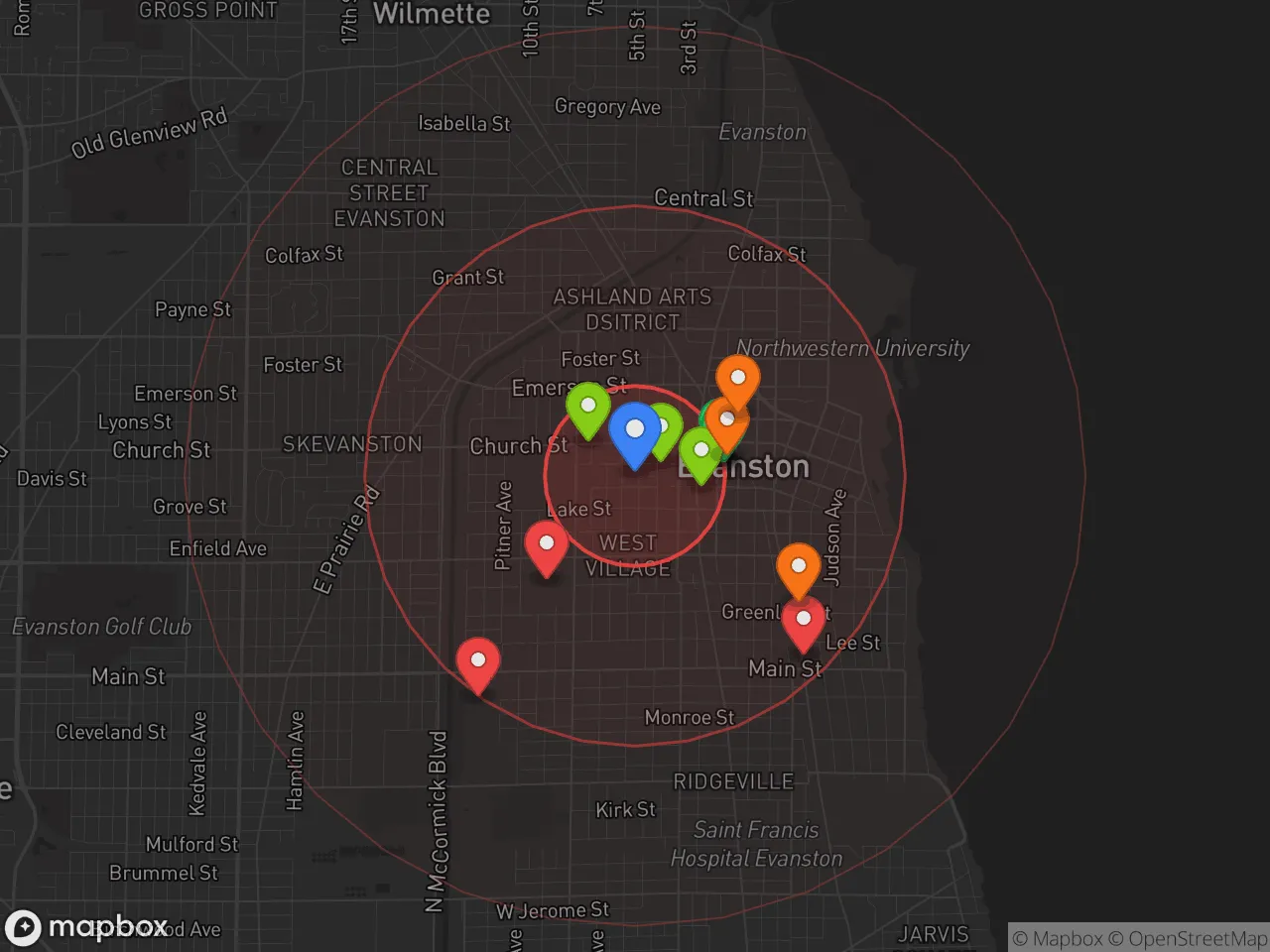
Hobbies
Explore the areaGroceries
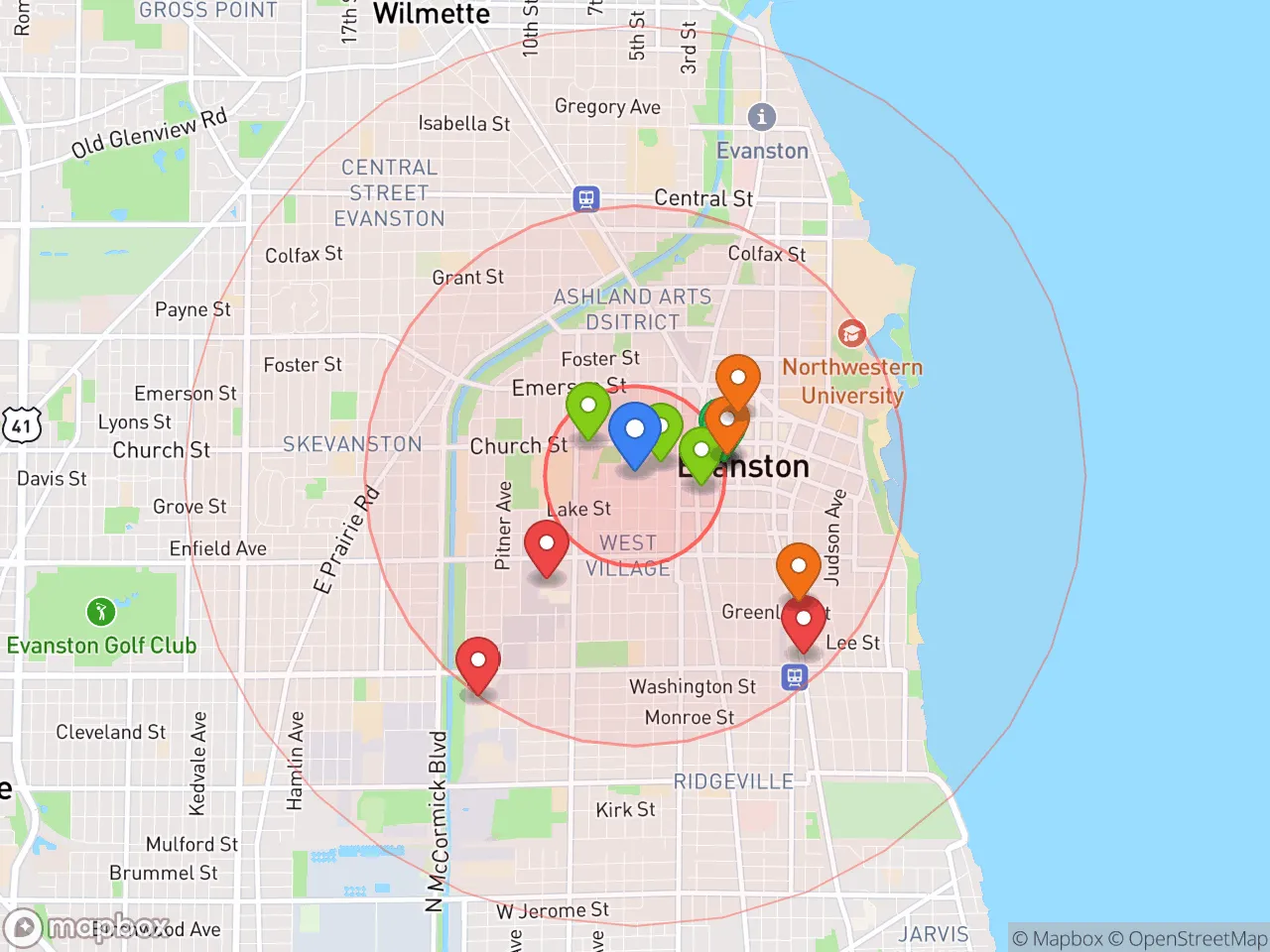
7 within 10 miles
Gas
20 within 10 miles
Hospital
20 within 20 miles
Airport
ORD — O'Hare International
Post Office
USPS — Evanston, IL
Critical Amenities
Quality-of-Life Analysis
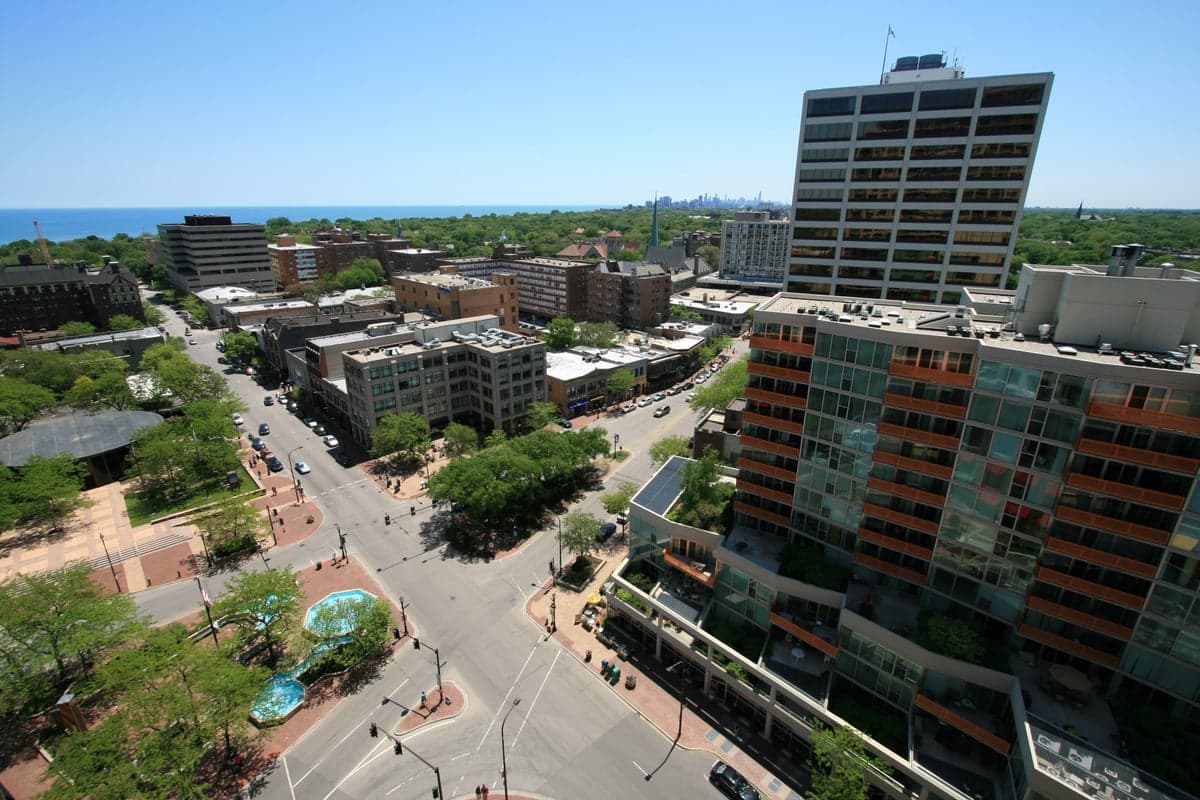
Evanston, Illinois, is an affluent lakeside suburb with a cost-of-living index of 155 (55% above the national average), attracting a mix of Northwestern University faculty, Chicago commuters, and long-established families. The city’s population of roughly 75,000 is notably diverse and highly educated, with over 60% of adults holding a bachelor’s degree or higher, creating a community that values intellectual engagement and progressive civic life. This blend of academic energy, professional ambition, and historic residential stability gives Evanston a distinct character that sets it apart from both downtown Chicago and other North Shore suburbs.
Cost of living, housing affordability, and how it compares to nearby suburbs
Evanston’s housing market is expensive but offers more space per dollar than Chicago’s Lincoln Park or Lakeview neighborhoods. The median home value sits at $472,300, while the median rent is $1,698 per month—roughly 20% higher than the national median but significantly lower than comparable suburbs like Wilmette (median home value ~$650,000) or Winnetka (~$1.1 million). Property taxes in Evanston are high, averaging about 2.1% of assessed value, which is typical for Cook County but a shock for newcomers from lower-tax states. Renters face a tight market: vacancy rates hover around 4%, and a one-bedroom apartment in a desirable area near the Purple Line or downtown often commands $1,400–$1,800. For buyers, the trade-off is clear: you pay a premium for the lakefront location, top-tier schools, and a 28.5-minute average commute to the Loop via Metra or CTA, but you get a walkable, amenity-rich environment that many pricier suburbs lack.
What daily life is like for families, commuters, and culture seekers
Evanston’s daily rhythm is shaped by its walkable downtown, lakefront parks, and strong public schools. The city’s District 65 and 202 school systems are consistently rated among Illinois’ best, with ETHS (Evanston Township High School) offering over 40 AP courses and a 94% graduation rate. Families fill the city’s 80+ parks, from the sprawling 25-acre Lighthouse Beach to the playgrounds at Dawes Park, while the Evanston Public Library and the Mitchell Museum of the American Indian provide cultural anchors. Commuters rely on the CTA Purple and Red Lines, Metra Union Pacific North Line, and multiple bus routes; the average commute of 28.5 minutes is shorter than the Chicago metro average of 33 minutes. For culture seekers, the city hosts the annual Evanston Art & Big Fork Festival, the Fleetwood-Jourdain Theatre, and a vibrant dining scene along Davis Street and Central Street, with local staples like Peckish Pig and Union Pizzeria drawing crowds. The lakefront path, stretching 8 miles from the Evanston border to the Chicago line, is a daily draw for runners and cyclists.
Evanston is best suited for professionals, academics, and families who prioritize walkability, excellent schools, and a progressive community over lower housing costs. Empty-nesters and retirees also thrive here, drawn to the lakefront lifestyle and the cultural amenities of a small city with big-city transit access. Those seeking a quieter, more suburban feel may prefer Skokie or Wilmette, while buyers on a tighter budget should look to Rogers Park or Edgewater in Chicago. For anyone who values a dense, intellectually rich environment with a 28-minute commute to the Loop, Evanston delivers a quality of life that justifies its premium price tag.

Crime in Evanston, IL
Generally safer than 72% of comparable U.S. locations.
Violent CrimeViolent Crime Analysis
Property CrimeProperty Crime Analysis
Crime Analysis
Evanston, Illinois, presents a mixed safety picture for potential residents. While the city's violent crime rate of 111.2 per 100,000 residents is notably lower than the national average, its property crime rate of 2,326.6 per 100,000 is significantly elevated, indicating a substantial risk of theft and burglary. As a progressive-leaning suburb of Chicago, Evanston's local justice policies, including those influenced by Cook County's state's attorney office, may contribute to a higher tolerance for property offenses, a factor that should give prospective movers pause.
Crime in context
When compared to state and national benchmarks, Evanston's crime data reveals a sharp divergence. The city's violent crime rate of 111.2 per 100,000 is roughly 70% lower than the national average of approximately 380 per 100,000, making it a relatively safe environment for violent offenses. However, the property crime rate of 2,326.6 per 100,000 is about 60% higher than the national average of roughly 1,950 per 100,000. This pattern is common in affluent, liberal-leaning suburbs where progressive prosecutorial policies, such as those championed by Cook County State's Attorney Kim Foxx, often prioritize diversion and reduced sentencing for non-violent crimes. Critics argue this approach effectively lowers the consequences for property criminals, leading to higher recidivism and a greater number of thefts, car break-ins, and burglaries.
What residents experience
Daily life in Evanston for many residents involves a heightened awareness of property crime. Common incidents include thefts from unlocked vehicles, package thefts from porches, and bicycle thefts, particularly near the downtown and university areas. While violent confrontations are rare, the persistent property crime creates a sense of unease and financial burden. The local police department has implemented community policing strategies and encourages the use of security cameras and neighborhood watch programs, but the underlying issue is often systemic: a justice system that, in the view of many, prioritizes the rehabilitation of offenders over the protection of victims and their property. This ideological stance can leave residents feeling that the system is not fully on their side when they are victimized.
Neighborhood-level variation is significant. Areas closer to the lakefront and the Northwestern University campus, such as the North Shore Channel and Central Street corridors, generally report lower crime rates. In contrast, neighborhoods along the city's southern and western edges, particularly those bordering Chicago's Rogers Park and West Ridge communities, experience higher rates of both property and violent crime. The downtown area around the Davis Street Metra station sees a concentration of property crimes, including thefts and occasional muggings. For those considering a move, a thorough block-by-block assessment and a review of the Evanston Police Department's crime maps are essential, as the experience of safety can vary dramatically within a few blocks.
* Values derived from national, state, county, city and local statistics and may differ in a specific area. Last updated: 2026-04-29T20:20:56.000Z
Narrative content on this page is AI-generated and may contain mistakes. Verify any details that matter before acting on them.
ReloMaps may earn a commission from affiliate links at no extra cost to you.

