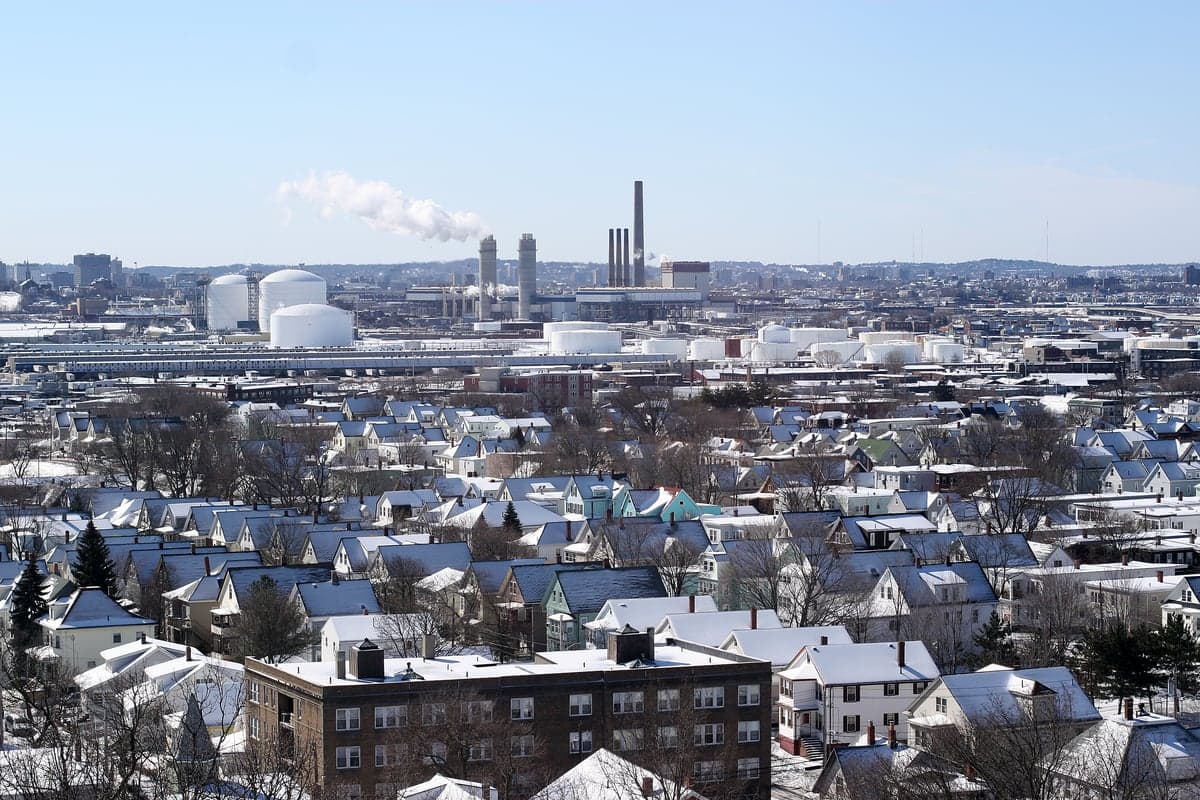
Photo: Wikipedia
Strategic Assessment of Everett, MA
High tactical risk. This location is likely close to major population centers, strategic targets, or sits in a high-disaster corridor. A retreat property and careful exit planning is required.
What does the Strategic Assessment tell us?
Our Strategic Assessment grades tactical survivability of an area. Major population centers, military targets, fallout zones, natural disasters, and border exposure all drive risk — lower exposure means a more defensible position in a crisis.
This is heavily inspired by Joel Skousen's Strategic Relocation book. Highly recommended you checkout the book ($)What does this tell us?
Our Strategic Assessment grades tactical survivability of an area. Major population centers, military targets, fallout zones, natural disasters, and border exposure all drive risk — lower exposure means a more defensible position in a crisis.
This is heavily inspired by Joel Skousen's Strategic Relocation book. Highly recommended you checkout the book ($)Strategic Pillars

Key Distances
Regional Safe Places
Below is our recommended "safe zones" in Massachusetts and the surrounding area based on our strategic heuristics. For most people, it's unrealistic to live in a “safe zone” full-time due to work, family or other personal reasons. They tend to be more rural. However, many of these areas are perfect for second homes and retreat properties that double as a vacation home or even a short-term rental.
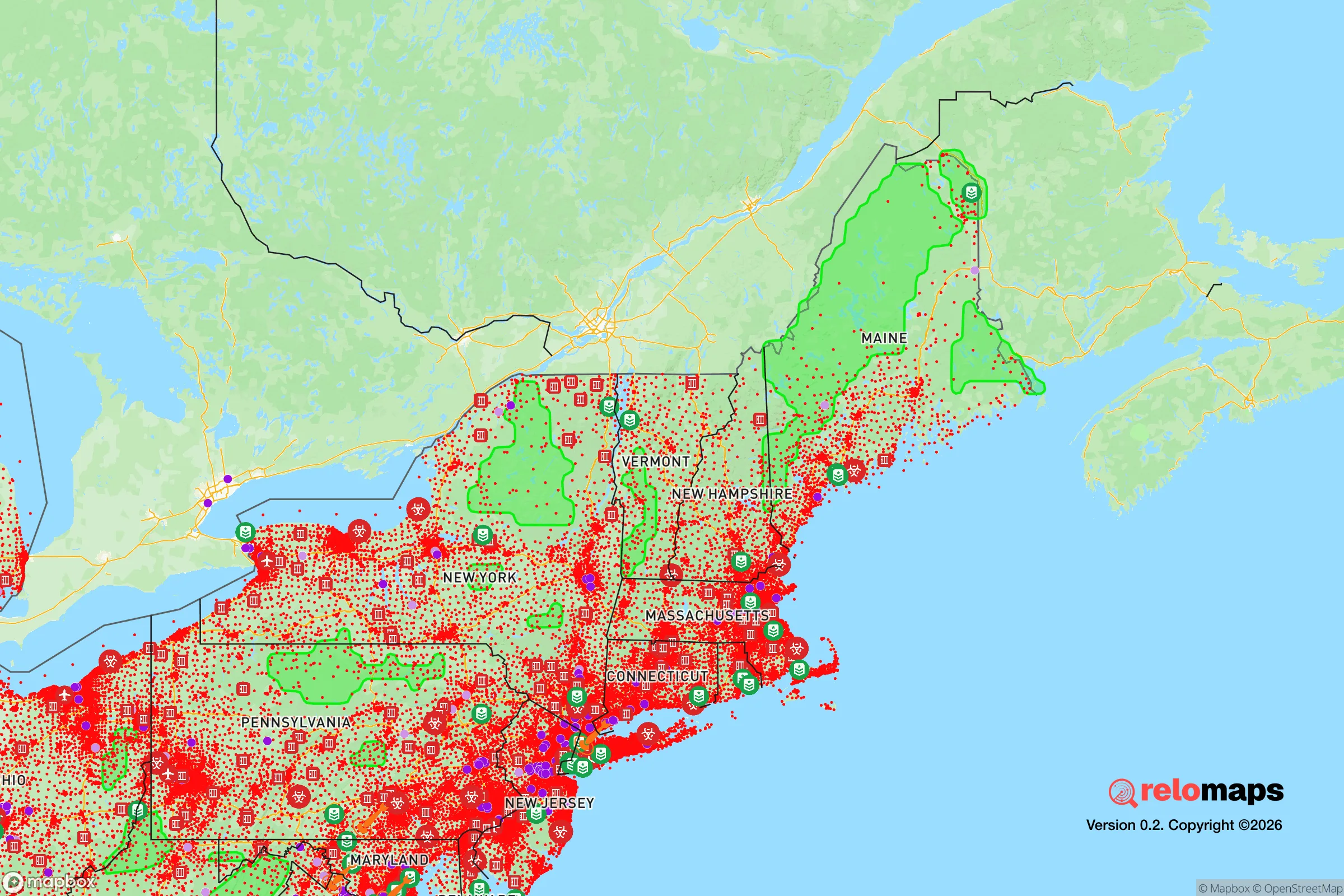
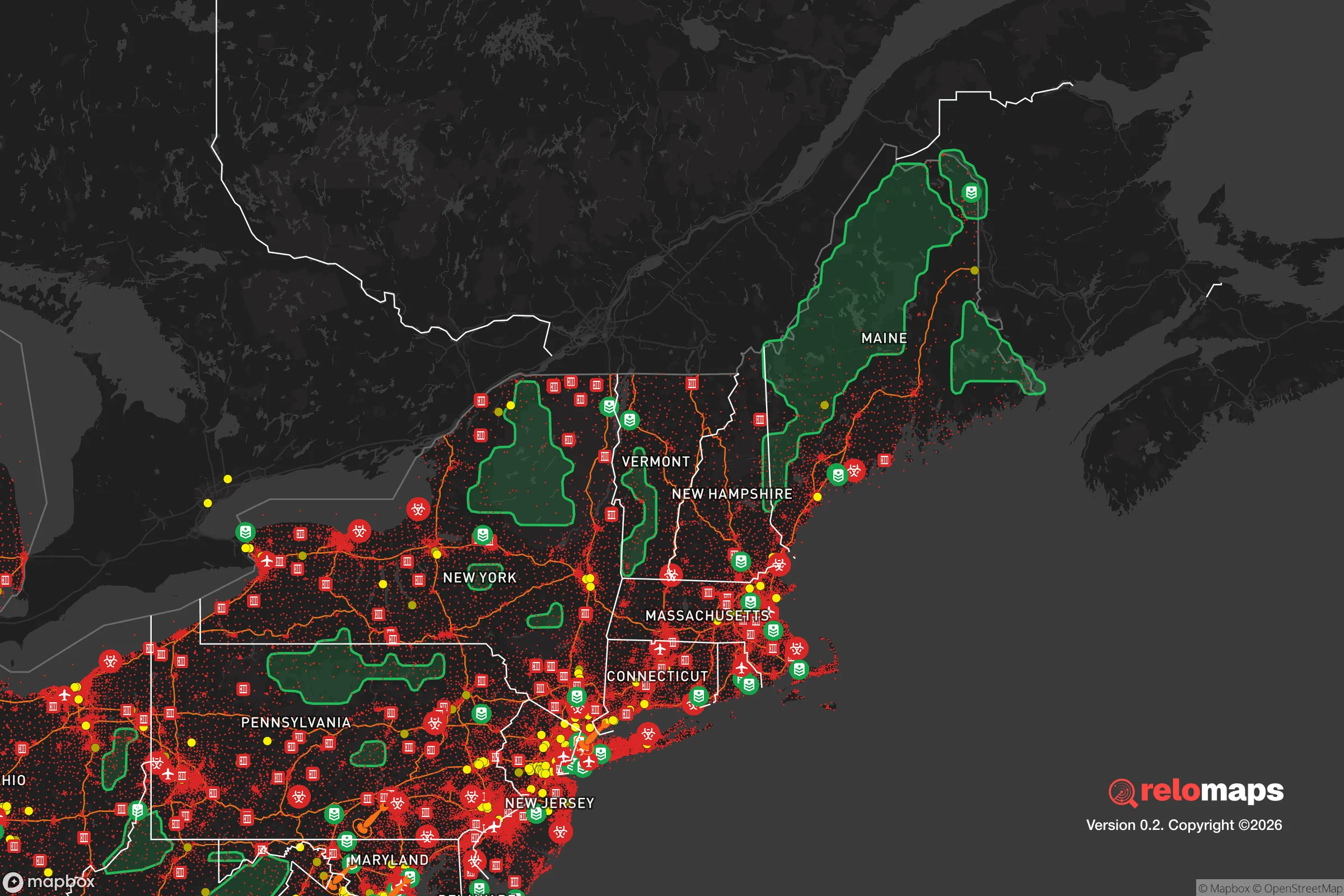


Important Note: For informational purposes only. This does not mean nothing bad ever happens in the green zones. Please use common sense. This is based on public data and modeled with AI. We tried to take a conservative approach but mistakes happen. We update this regularly as new information becomes available.
Solar Generator Recommendations
Backup power matters more here than in safer locations. We've picked three solar generators across budgets and capacity tiers — start with the budget unit if you only need a few essentials, or step up if you want to run a fridge and HVAC for days at a time.

Jackery Portable Power Station Explorer 300
Budget OptionPower on the Go: Weighing only 11 lbs, it's convenient to set up and store with book-sized foldable solar panels

BLUETTI Portable Power Station AC180
Designed for both indoor and outdoor scenarios, AC180 is highly capable as it has a robost capacity and continuous output power.

EF ECOFLOW DELTA Pro Ultra Power Station
Upgraded PickEcoFlow DELTA Pro Ultra is a whole-home energy system designed to grow with your family. Integrated with the Smart Home Panel 2, it scales to meet your evolving energy needs — keeping your home powered, intelligent, and secure through every stage of life.
We earn a commission, at no additional cost to you.
Strategic Assessment Analysis
Everett, Massachusetts, presents a complex strategic picture for the conservative prepper or survivalist. While its proximity to Boston offers immediate economic access, that same location is a severe liability in any scenario involving civic unrest, infrastructure collapse, or a major disaster. The city’s resilience is fundamentally tied to its position within a dense, politically liberal urban corridor—a factor that cuts both ways for those prioritizing long-term security and self-sufficiency.
Geographic position and natural advantages for strategic relocation
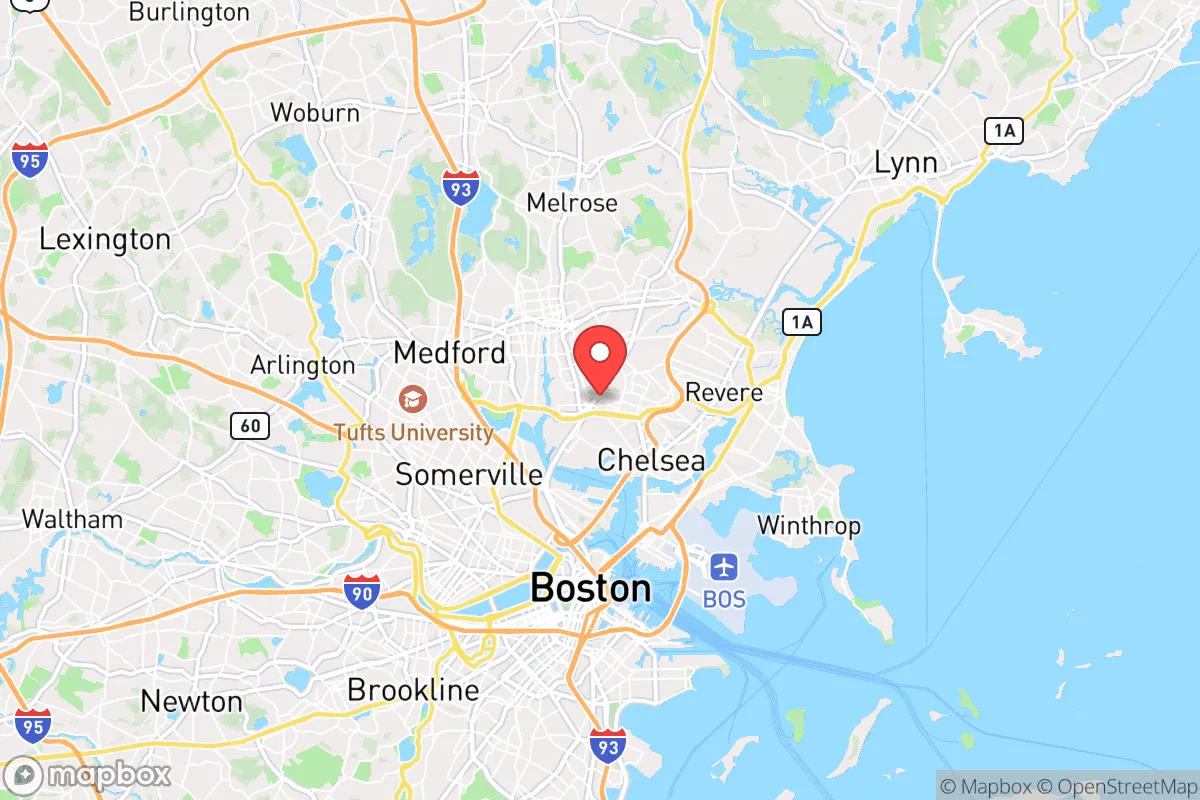
Everett sits on the Mystic River, directly north of Boston and adjacent to the Chelsea Creek. Its primary natural advantage is its waterfront access, which could theoretically support small-scale maritime transport or fishing in a prolonged crisis. The city is part of the Greater Boston area, meaning it benefits from the region’s robust emergency response infrastructure—hospitals, police, and fire services are well-funded and coordinated. However, this is a double-edged sword. In a mass casualty event or widespread unrest, these same resources become overwhelmed and targeted. The city’s elevation is low, with much of its landmass at or near sea level, making it vulnerable to storm surge and flooding from the Mystic River during extreme weather events. The soil is predominantly urban fill, not conducive to substantial agriculture or groundwater wells. For a relocator, the natural advantages are minimal: the river is a potential escape route by boat, but the land itself offers little in the way of defensible terrain, natural barriers, or renewable resources. The entire area is a built-up, grid-dependent environment.
Risks, exposures, and proximity to fallout-relevant landmarks
Everett’s greatest strategic weakness is its proximity to high-value, high-risk targets. The city is less than three miles from Boston’s Logan International Airport, a primary target in any aerial or terrorist attack scenario. It is also within five miles of the Boston Harbor shipping channels, the Massachusetts State House, and the Longwood Medical Area—all potential flashpoints for civil unrest or targeted strikes. The nearby Mystic River and Chelsea Creek host industrial facilities, including oil storage terminals and chemical plants, which pose a secondary hazard: a single accident or sabotage could release toxic plumes or trigger fires that would make large portions of Everett uninhabitable for days or weeks. In a grid-down or societal collapse scenario, Everett would be a chokepoint for movement. Major highways like I-93 and Route 16 run through or near the city, meaning any evacuation or supply route would be quickly clogged. The city’s dense population—over 50,000 people in just 3.5 square miles—means that a single mass casualty event, whether from a natural disaster or civil unrest, would produce a humanitarian crisis with limited egress. For the prepper, this is a textbook “too close to the blast zone” location.
Practical resilience for a relocator: food, water, energy, and defensibility
For a single individual or family looking to establish a resilient household, Everett presents significant challenges. The city’s water supply comes from the Massachusetts Water Resources Authority (MWRA), which draws from the Quabbin Reservoir. This system is well-maintained but is a single point of failure; a major earthquake, sabotage, or cyberattack on the MWRA’s tunnels or treatment plants would leave Everett without potable water for an extended period. There are no reliable natural water sources within the city limits for purification—the Mystic River is brackish and heavily polluted. Food resilience is equally poor. Everett has no significant agricultural land, community gardens are scarce, and the city’s grocery stores rely on just-in-time delivery from regional distribution centers. In a crisis, shelves would empty within 48 hours. Energy infrastructure is entirely grid-dependent, with no municipal solar or wind installations of note. Natural gas lines run throughout the city, but a prolonged outage would leave residents without heat or cooking fuel. Defensibility is the weakest point. Everett is a flat, densely packed urban grid with few natural chokepoints. There are no hills, forests, or large open spaces to create a perimeter. A single-family home with a yard is a rarity; most housing is multi-unit, meaning you share walls, water lines, and escape routes with dozens of neighbors. For a prepper, this is a nightmare scenario for securing a household against looters or organized groups. The best-case defensive strategy would be to fortify a top-floor unit with a clear view of all approaches, but even then, the density of the area makes sustained defense nearly impossible.
In the final strategic assessment, Everett, MA, is a poor choice for the conservative survivalist or prepper. Its only redeeming feature is its proximity to Boston’s economic engine, which is irrelevant in a collapse scenario. The city’s location within a dense, politically liberal urban corridor, its vulnerability to flooding and industrial accidents, and its complete lack of natural resources or defensible terrain make it a high-risk, low-reward relocation target. For those serious about long-term preparedness, the smart move is to look north or west—toward the Merrimack Valley or the Berkshires—where land is cheaper, water is cleaner, and neighbors are fewer. Everett is a place to pass through, not to dig in.

* Values derived from national, state, county, city and local statistics and may differ in a specific area. Last updated: 2026-05-01T04:52:37.000Z
Narrative content on this page is AI-generated and may contain mistakes. Verify any details that matter before acting on them.
ReloMaps may earn a commission from affiliate links at no extra cost to you.

