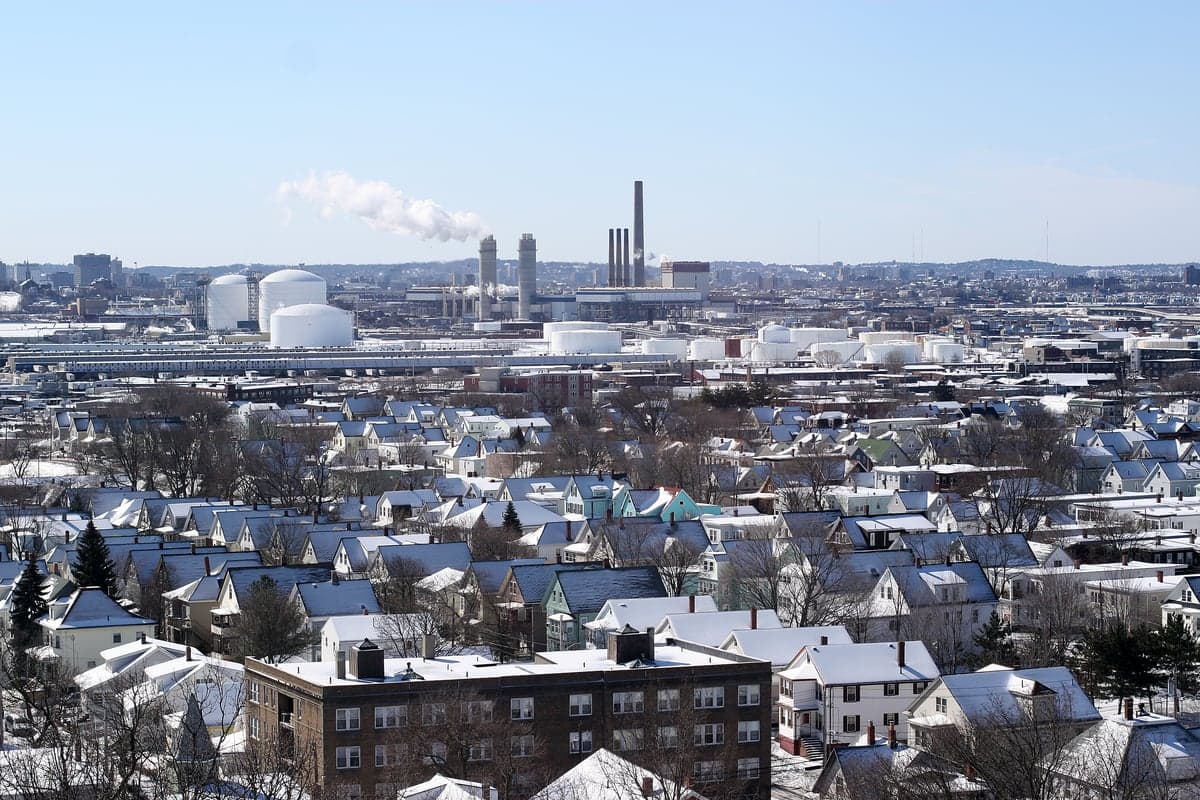
Photo: Wikipedia
Political ClimatePolitical Climate in Everett, MA
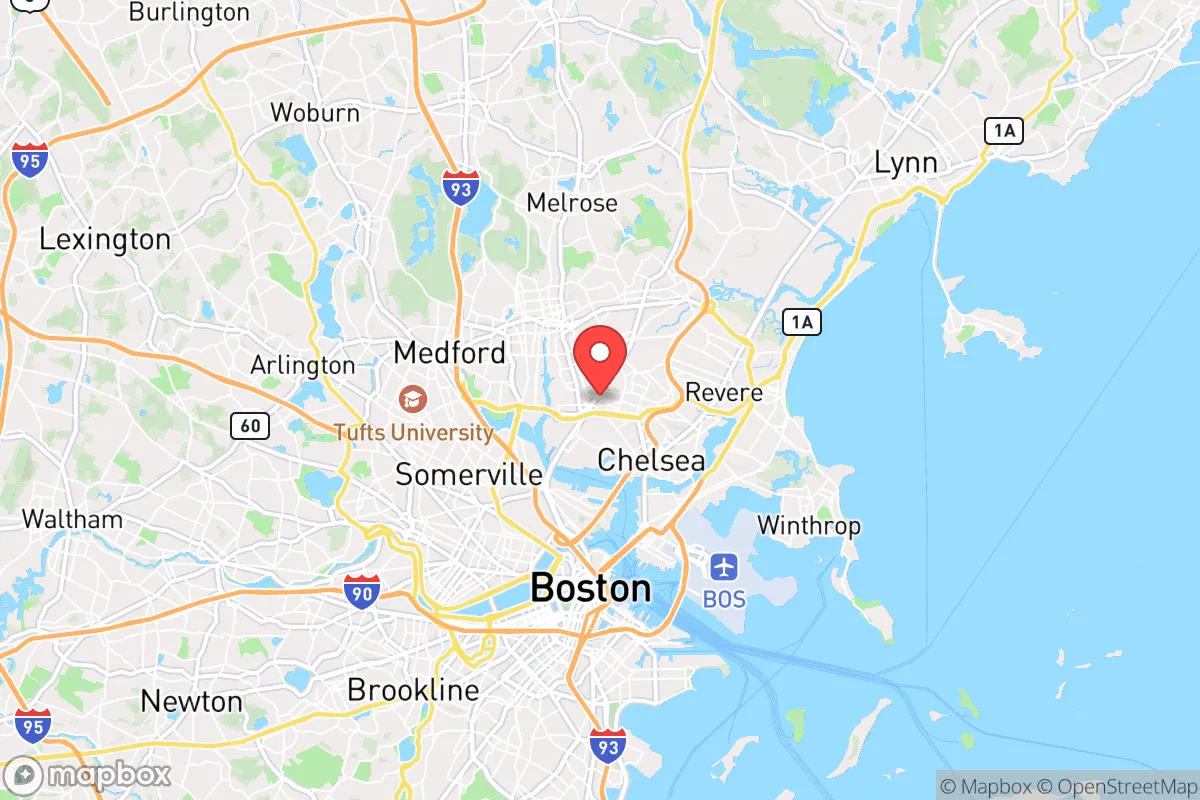
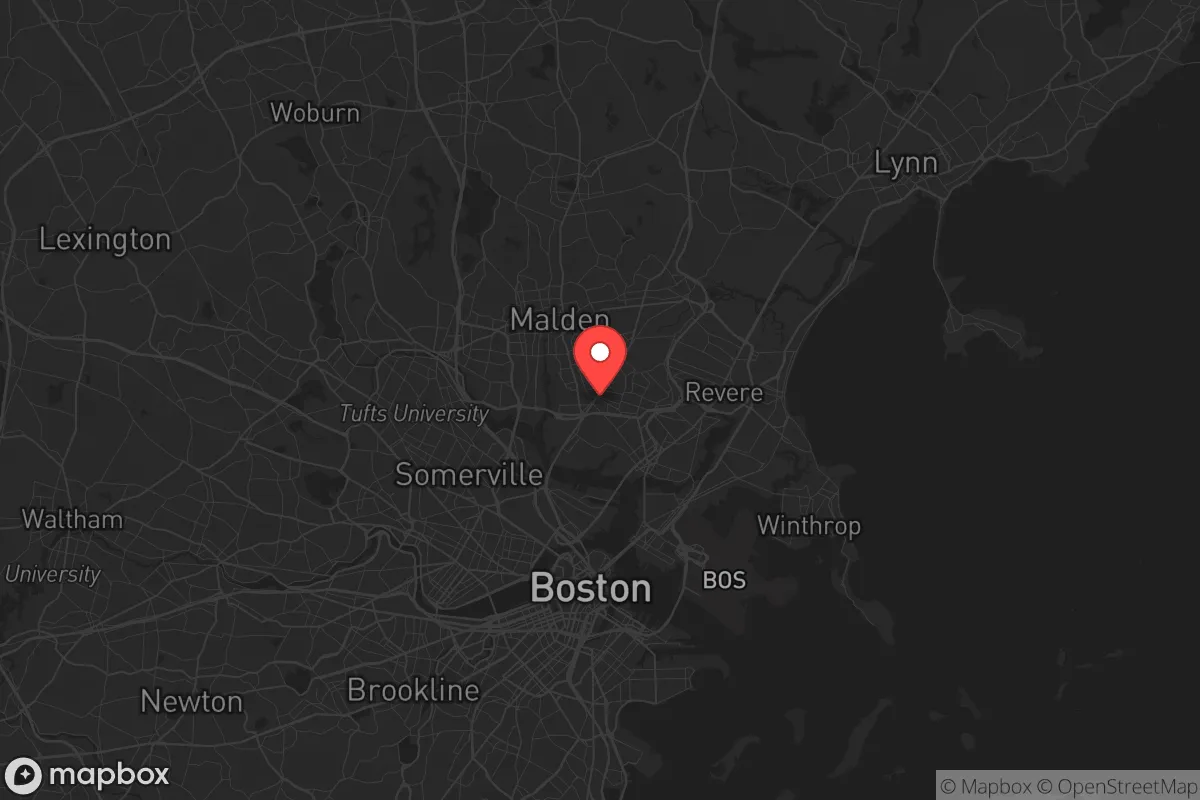
District shown is the primary district for this city’s centroid. Cities may span multiple districts.
Local Political AnalysisPolitical Analysis of Everett, MA
Look, I’ve lived in Everett my whole life, and I’ve watched this town shift from a solid, working-class, independent-minded community into one of the most reliably Democratic strongholds in the entire country. The Cook PVI rating of D+34 isn’t just a number—it tells you that Everett votes about 34 points more Democratic than the nation as a whole. That’s a staggering margin. It means that in most elections, the local outcome is a foregone conclusion, and the political conversation here leans hard into progressive policies that a lot of us find concerning, especially when it comes to government overreach into our personal lives and local businesses.
How it compares
To really understand Everett’s politics, you have to look at the neighbors. Just a few miles west, you’ve got Medford, which is also deep blue but has a slightly more moderate, suburban flavor. Then you cross the Mystic River into Boston, and you’re in a whole different universe of city-machine politics. But the real contrast is with towns like Saugus or Lynnfield to the north. Those communities still have a strong independent streak, with a mix of Republican and unenrolled voters who push back on tax hikes and zoning mandates from the state. Everett, on the other hand, has become a one-party town. The local city council and school committee are almost entirely Democratic, and there’s very little organized opposition. That means policies get passed with little debate—things like new density zoning rules that change the character of our neighborhoods, or tax incentives for big developers that don’t always benefit the families who’ve been here for generations.
What this means for residents
For the average person living here, the political climate means you’re living under a government that feels increasingly comfortable telling you how to run your life. The city has been aggressive about adopting state-level progressive mandates, from strict rent control measures that actually discourage new housing construction to energy codes that force homeowners into expensive retrofits. There’s a real sense that the local government sees itself as a manager of your behavior, not a servant of your rights. I remember when Everett was a place where you could fix up your own garage, run a small side business out of your basement, or park your work truck in your driveway without a dozen permits and inspections. Now, it feels like every aspect of daily life is subject to a new regulation or fee. The school system, too, has shifted focus heavily toward social-emotional learning and diversity initiatives, sometimes at the expense of core academics and vocational training that used to be a point of pride here.
Looking ahead, I don’t see this trajectory reversing anytime soon. The political machine here is entrenched, and the D+34 rating means there’s almost no electoral pressure to change course. The real concern for families is whether Everett will become a place where individual freedom and common-sense local control are completely squeezed out by top-down progressive ideology. If you value being left alone to live your life without a government official in your business, you might find yourself feeling like an outsider in the town you grew up in. The culture here is still friendly and diverse, but the politics are increasingly one-sided and intrusive. It’s something to keep a close eye on, especially if you’re thinking about putting down roots.

State Political ClimatePolitical Climate in Massachusetts
State Political AnalysisPolitical Environment in the State
Massachusetts has long been one of the most reliably Democratic states in the nation, but don’t let the blue veneer fool you—the political landscape here is far more fractured than the presidential vote totals suggest. Over the past 20 years, the state has shifted from a moderate, business-friendly New England conservatism to a progressive stronghold where single-party rule is the norm, yet deep geographic and cultural divides persist. If you’re considering a move here, you need to understand that the Boston metro area drives the state’s leftward tilt, while the western and central parts of the state still hold onto a more independent, often conservative, streak.
Urban vs. rural divide
The political map of Massachusetts is a tale of two worlds. Greater Boston—including Cambridge, Somerville, and Brookline—is the engine of progressive power, routinely delivering 80%+ margins for Democrats. These dense, educated, and affluent suburbs are where the state’s policy agenda is forged. In contrast, the western part of the state, places like Pittsfield, North Adams, and the Berkshires, vote blue but with far less enthusiasm, often electing more moderate Democrats or even Republicans at the local level. The real conservative strongholds are in the central and southeastern regions: towns like Wrentham, Franklin, and the Cape Cod communities of Barnstable and Sandwich have shown they can flip red in statewide races. In 2022, for example, the governor’s race saw Republican Geoff Diehl win in over 100 towns, mostly in these rural and exurban areas, even as he lost the state by 30 points. The divide isn’t just about party—it’s about culture. Drive an hour west of Boston, and you’ll find gun shops, pickup trucks, and “Don’t Tread on Me” flags that would feel right at home in New Hampshire.
Policy environment
Massachusetts has a reputation for being a high-tax, high-regulation state, and it’s earned. The state income tax is a flat 5%, but a 2022 surtax on incomes over $1 million (the “Millionaire’s Tax”) pushed the effective top rate to 9%, one of the highest in the nation. Property taxes are moderate by national standards but vary wildly by town—expect $10,000+ annually on a median home in many Boston suburbs. The regulatory environment is dense: the state has some of the strictest environmental and labor laws in the country, including a paid family leave program funded by payroll taxes and a $15 minimum wage that’s indexed to inflation. On education, Massachusetts consistently ranks #1 in K-12 performance, but that comes with a price—school choice is virtually nonexistent, and charter schools are capped. Parents in towns like Lexington and Wellesley pay top dollar for housing to access those schools, while families in less affluent areas often feel trapped. Election laws are among the most progressive: no-excuse mail-in voting, same-day registration, and automatic voter registration are all in place, which critics argue opens the door to fraud, though no major scandals have emerged. The state also has a strict assault weapons ban and a “red flag” law that allows courts to temporarily seize firearms from individuals deemed a risk—a policy that gun owners in places like Worcester County view as government overreach.
Trajectory & freedom
Over the past decade, Massachusetts has become noticeably less free, especially for those who value personal autonomy outside the progressive consensus. The 2018 “red flag” law (Chapter 180) expanded gun restrictions, and a 2024 update (Chapter 135) further tightened magazine capacity and licensing requirements, making it one of the toughest states in the country for gun owners. On medical freedom, the state was aggressive during COVID—Massachusetts had one of the longest-lasting mask mandates and vaccine passport requirements, and it still allows employers to mandate vaccines without religious exemptions in many cases. Parental rights have taken a hit: in 2023, the state passed a law (Chapter 268) that prohibits schools from notifying parents if a child changes their gender identity or pronouns, overriding local school committee decisions in conservative towns like Holden and Paxton. Property rights are also under pressure—the state’s “Chapter 40B” law allows developers to bypass local zoning if they include affordable housing, which has led to dense, high-cost developments in suburban towns that fought to stay rural. On the plus side, Massachusetts has no sales tax on most goods, and the state’s independent judiciary has occasionally pushed back against executive overreach, but the trend line is clearly toward more government control, not less.
Civil unrest & political movements
Massachusetts has a long history of political activism, but the flashpoints today are mostly on the left. Boston saw massive Black Lives Matter protests in 2020, and the city’s progressive activists have successfully pushed for defunding the police in some neighborhoods, though the state legislature has resisted major cuts. Immigration is a hot-button issue: Massachusetts is a “sanctuary state” under the 2017 “Safe Communities Act,” which limits local police cooperation with federal immigration enforcement. This has led to tensions in towns like Framingham and Lawrence, where immigrant populations have surged, straining schools and housing. On the right, the “Massachusetts Republican Party” is a shadow of its former self, but grassroots groups like the “MassFiscal Alliance” and local “Parents’ Rights” organizations have mobilized around school curriculum and library books, particularly in suburbs like Shrewsbury and Andover. Election integrity remains a sore point—the 2020 election saw widespread use of mail-in ballots, and while no fraud was proven, many conservatives in towns like Tewksbury and Wilmington remain skeptical of the system. You won’t see armed protests or secession talk here like in some states, but the cultural war is real, playing out in school board meetings and town halls across the state.
Projection
Looking ahead 5-10 years, Massachusetts is likely to become even more progressive, driven by two forces: the continued influx of young, educated professionals into Boston and its suburbs, and the out-migration of families and retirees to lower-cost, lower-regulation states like New Hampshire and Florida. The state’s population has been flat or slightly declining since 2020, and the people leaving are disproportionately those who vote Republican or independent. This demographic shift means the legislature will likely pass even more progressive policies—think universal healthcare, rent control, and further gun restrictions. For a conservative-leaning newcomer, the practical reality is that you’ll be living in a state where your vote for governor or senator is almost certainly symbolic, but your local town government can still reflect your values if you choose wisely. Towns like Norfolk, Uxbridge, and Carver are likely to remain conservative enclaves, but they’ll face increasing pressure from state mandates on housing, education, and environmental policy.
Bottom line: Massachusetts offers world-class education, healthcare, and economic opportunity, but it comes with a heavy price tag in taxes, regulations, and a political culture that often feels hostile to traditional values. If you’re moving here, expect to pay more, have less say in how your children are educated, and navigate a system that prioritizes collective goals over individual freedom. The best strategy is to pick a town that matches your values—places like Wrentham, Franklin, or Sandwich—and get involved locally, because the state government isn’t going to change anytime soon. It’s a trade-off: you get the benefits of a high-functioning state, but you’ll have to accept that your personal freedoms will be narrower than in many other parts of the country.
* Values derived from national, state, county, city and local statistics and may differ in a specific area. Last updated: 2026-05-01T04:52:37.000Z
Narrative content on this page is AI-generated and may contain mistakes. Verify any details that matter before acting on them.
ReloMaps may earn a commission from affiliate links at no extra cost to you.

