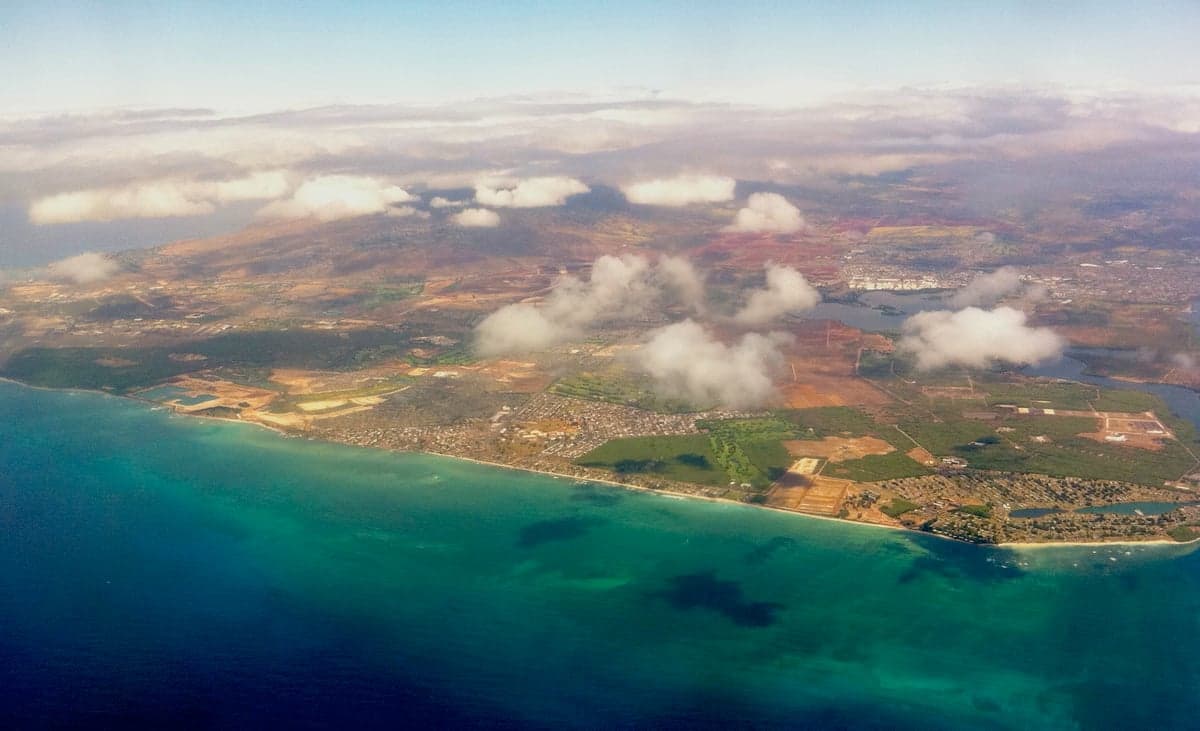
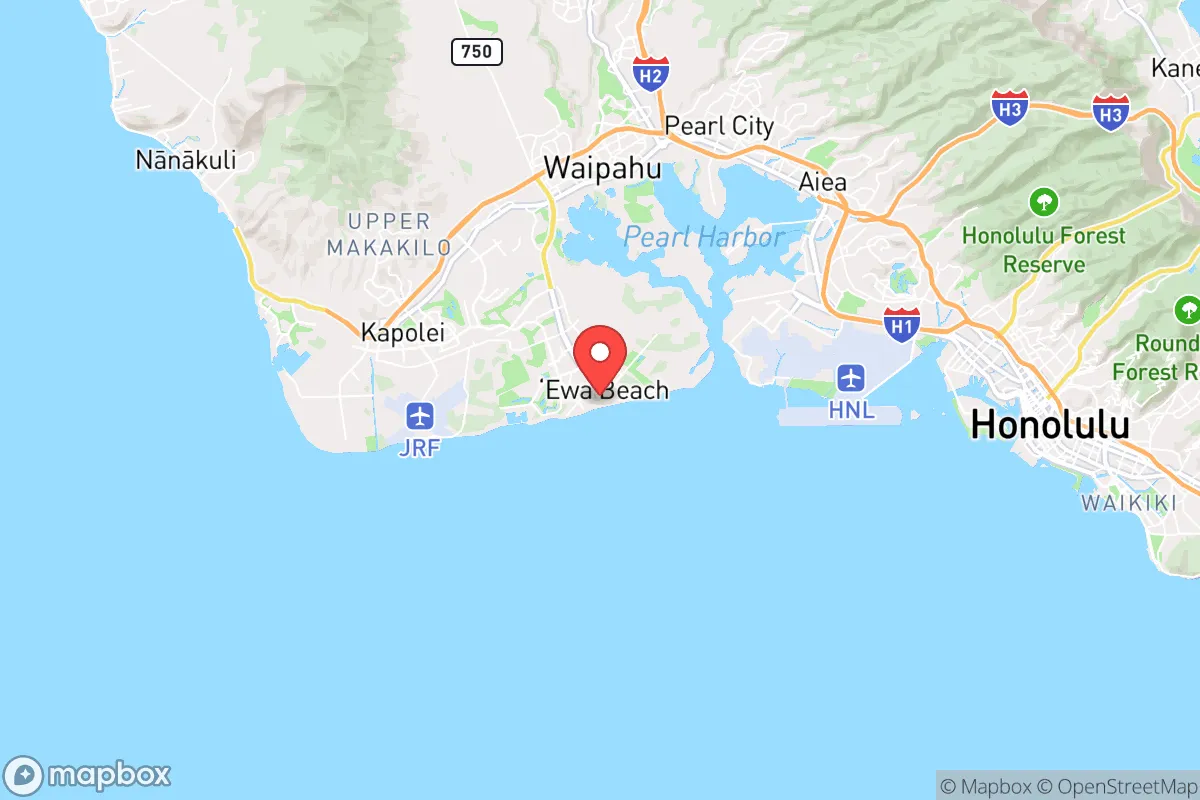
Photo: Wikipedia
Quality of Life in Ewa Beach, HI
A high quality of life with strong walkability, manageable living costs, healthy neighborhood signals, and solid amenity access.
What does Quality of Life tell us?
Quality of Life blends cost of living, nearby amenities, socioeconomic signals, and neighborhood character. City-level scores represent the whole municipality; individual neighborhoods can differ.
What does this tell us?
Quality of Life blends cost of living, nearby amenities, socioeconomic signals, and neighborhood character. City-level scores represent the whole municipality; individual neighborhoods can differ.
Cost of Living
131% above national average
The Real Cost of Living in Ewa Beach, HI for 2026
| Tier | Individual | Family (4) |
|---|---|---|
| Survival | $39k | $74k |
| Comfortable | $111k | $163k |
| Luxury | $163k+ | $252k+ |
| Elite (Top 5%) | $191k+ | $297k+ |
77%
The Area Signal
A metric tracking the socioeconomic signals of the area.
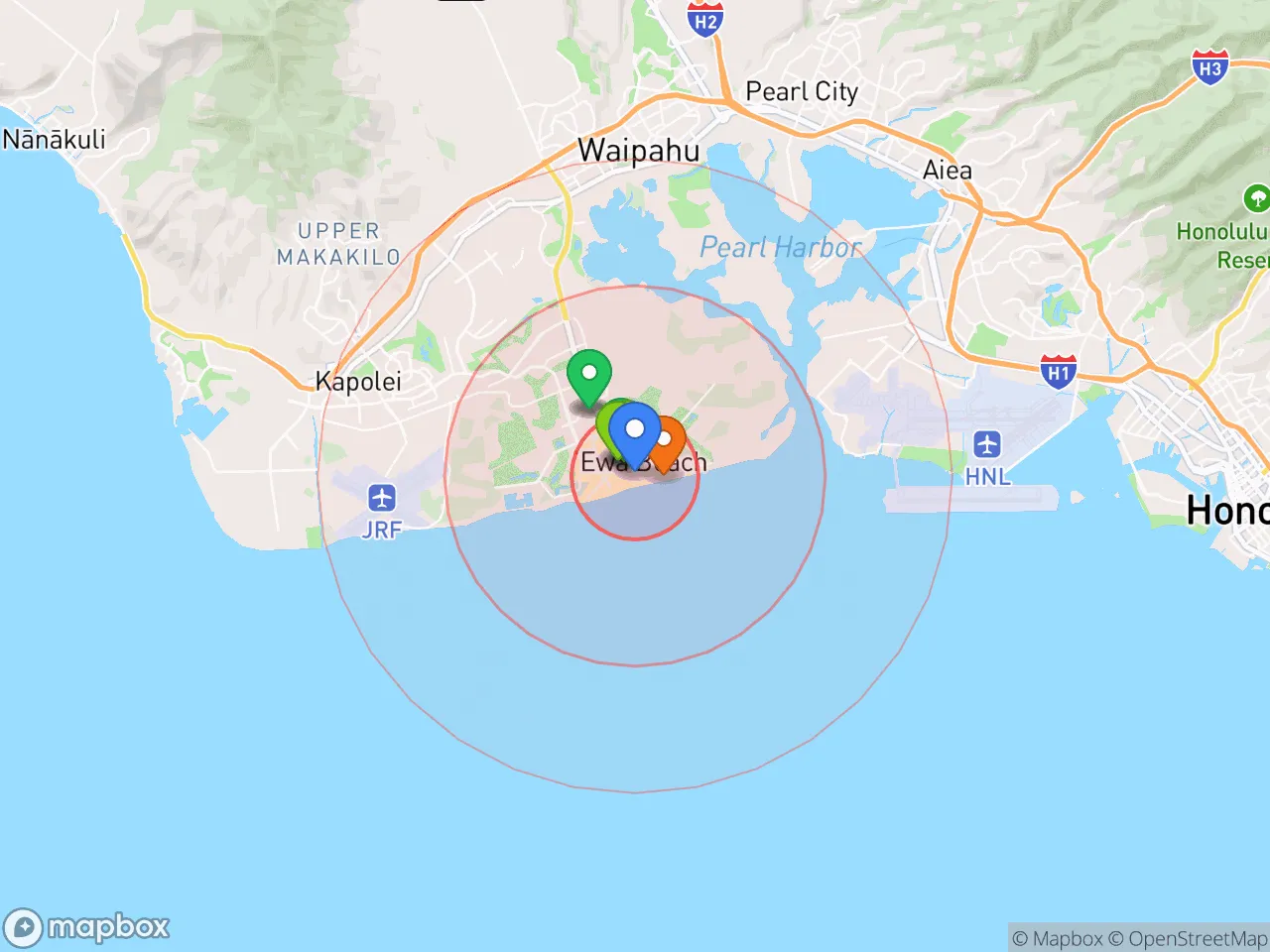
Hobbies
Explore the areaGroceries
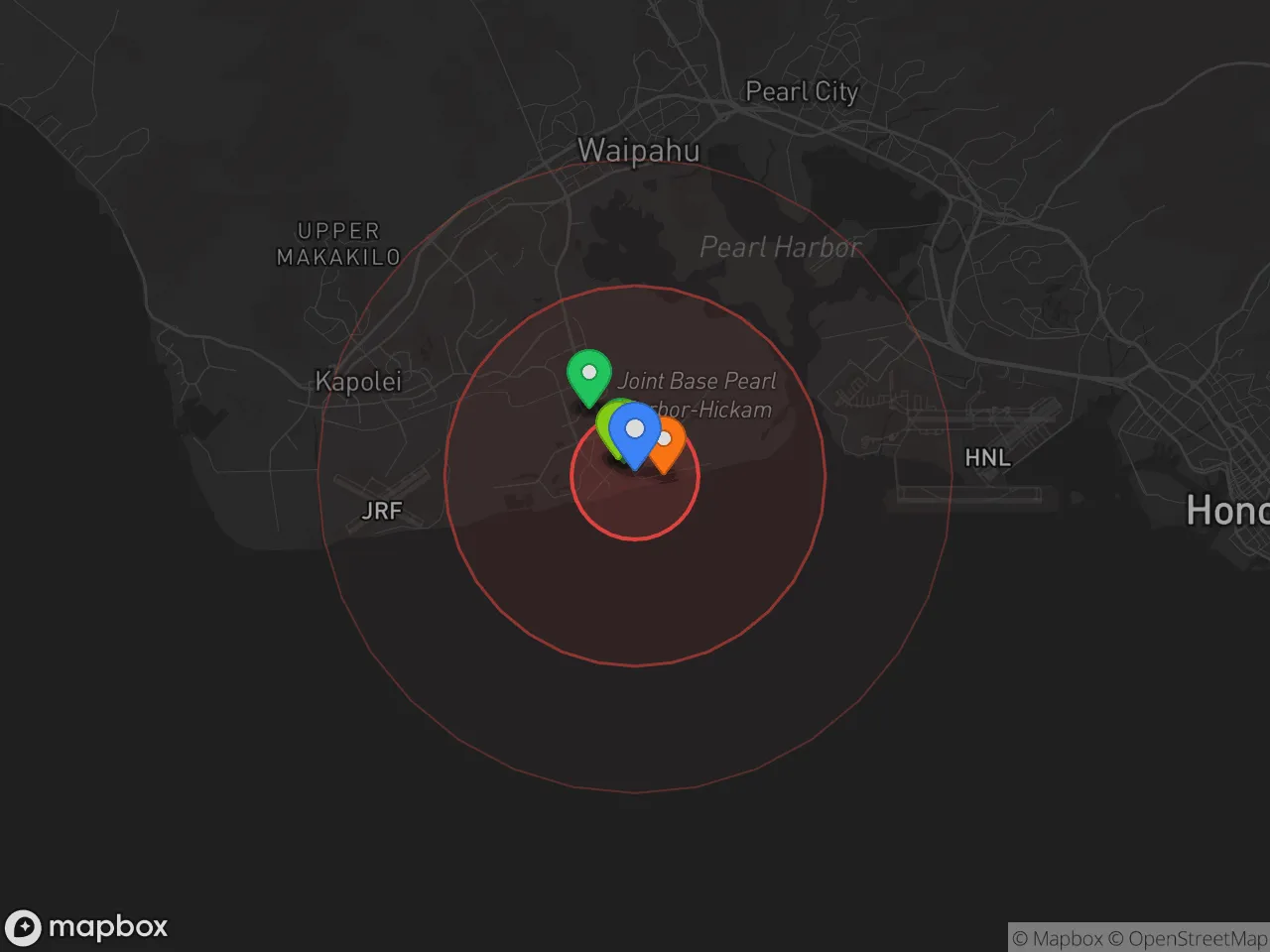
5 within 10 miles
Gas
20 within 10 miles
Hospital
15 within 20 miles
Airport
Daniel K. Inouye International Airport
Post Office
USPS — Ewa Beach, HI
Critical Amenities
Quality-of-Life Analysis
Ewa Beach is an affluent, family-oriented master-planned community on Oahu's leeward coast, home to a growing population of professionals, military families from nearby Joint Base Pearl Harbor-Hickam, and multi-generational Hawaiian households. With a cost of living index of 231 (more than double the U.S. average), the area attracts those who prioritize newer suburban housing, coastal access, and a quieter rhythm than urban Honolulu, while accepting the trade-offs of a long commute and high expenses.
Cost of living, housing, and affordability compared to Honolulu and Kapolei
Ewa Beach's cost of living index of 231 reflects the broader Oahu premium, but housing here is notably less expensive than in Honolulu proper. The median home value of $698,200 is roughly $200,000 below Honolulu's median, while the median rent of $2,554 undercuts Waikiki and Kakaako by $500–$800 per month. Compared to neighboring Kapolei, Ewa Beach homes are slightly more affordable per square foot, though both communities share similar price ranges for newer single-family homes. The trade-off for this relative affordability is distance: the average commute to downtown Honolulu or Pearl Harbor runs 39 minutes one-way, with traffic on the H-1 freeway often stretching that to over an hour during peak hours. Many residents accept the drive for newer construction, larger lots, and lower crime rates than older urban neighborhoods. Property taxes in Ewa Beach are moderate by Hawaii standards (roughly 0.35% of assessed value), but homeowners insurance and flood insurance are elevated due to tsunami and hurricane risk along the coast.
Schools, amenities, and what daily life is like for families
Daily life in Ewa Beach revolves around its master-planned subdivisions—such as Hoakalei, Ocean Pointe, and Ewa by Gentry—which feature wide sidewalks, neighborhood parks, and community pools. The area is served by the Hawaii Department of Education's Leeward District, with Ewa Beach Elementary and James Campbell High School being the primary public schools; Campbell High enrolls over 2,400 students and offers an Academy of Hospitality and Tourism. Private school options include Island Pacific Academy and Holy Family Catholic Academy, both within a 10-minute drive. For shopping and dining, the Ewa Town Center and Ka Makana Ali'i mall in Kapolei provide grocery stores, retail, and chain restaurants, while local favorites like Ewa Beach Foodland and Nico's at the Marina offer plate lunches and poke. The area's main recreational draw is the Ewa Beach shoreline, including the popular White Plains Beach (part of the Barbers Point Naval Reservation) and the Oneula Beach Park, though swimming conditions can be rough and lifeguards are not always present. The Ewa Beach Golf Club and the Hoakalei Country Club provide golf and social amenities, while the nearby Kapolei Regional Park offers sports fields and a skate park.
Ewa Beach is best suited for families and professionals who prioritize a suburban, car-dependent lifestyle with newer housing, good schools, and proximity to military bases, and who can absorb the high cost of living and long commute. Retirees on fixed incomes may find the expenses challenging, while singles seeking nightlife or walkable urban energy will likely prefer Honolulu or Kakaako. For those who value space, community pools, and a slower pace within striking distance of Oahu's job centers, Ewa Beach offers a practical—if expensive—compromise.

Crime in Ewa Beach, HI
Generally safer than 64% of comparable U.S. locations.
Violent CrimeViolent Crime Analysis
Property CrimeProperty Crime Analysis
Crime Analysis
Ewa Beach, located on the leeward coast of Oahu, presents a mixed safety profile. While its violent crime rate of 200.2 per 100,000 residents is notably lower than the national average, its property crime rate of 1,586.9 per 100,000 is significantly higher, reflecting a common challenge in many suburban areas near a major metropolitan center like Honolulu. The overall safety picture is one where residents face a moderate risk of theft and burglary but a relatively low risk of violent confrontation.
Crime in context
Compared to state and national benchmarks, Ewa Beach's violent crime rate is roughly 45% lower than the U.S. average of about 380 per 100,000, and it is also below the Hawaii state average. This is a positive indicator for personal safety. However, the property crime rate is a concern. It is approximately 30% higher than the national average of around 1,200 per 100,000. This elevated rate is driven largely by vehicle break-ins, package theft, and residential burglaries, which are persistent issues in many Oahu communities. The proximity to Honolulu means that property crime patterns often mirror those of the larger metro area.
What residents experience
For those living in Ewa Beach, the day-to-day reality is one of vigilance against property crime. Residents commonly report incidents of theft from unlocked cars and garages, as well as stolen packages left at doorsteps. Violent crime, such as assault or robbery, is far less common and tends to be concentrated in specific, often transient, pockets. The local police department, part of the Honolulu Police Department (HPD), maintains a visible presence, but response times can vary due to the area's sprawling layout and traffic congestion. It is important to note that Hawaii's judicial system, like many in progressive-leaning states, has adopted policies focused on rehabilitation and reducing incarceration. While well-intentioned, these policies can result in shorter sentences and more lenient treatment for repeat property offenders, which directly contributes to a higher recidivism rate and a sense of frustration among victims and residents who see the same individuals cycling through the system.
Neighborhood-level variation
Safety is not uniform across Ewa Beach. The newer master-planned communities like Hoakalei and Ocean Pointe, with their private security patrols and gated entries, generally experience lower crime rates than older, more established neighborhoods like Ewa Beach proper or the areas near the shopping centers. The area around the Ewa Beach Community Park and the main commercial corridor along Fort Weaver Road sees a higher concentration of petty theft and vehicle break-ins. Prospective residents should research specific census tracts and consider that homes on quieter, less-trafficked streets tend to have fewer incidents. Overall, while Ewa Beach is not a high-crime area by national standards, the combination of elevated property crime and a justice system that may not prioritize deterrence means that proactive home security and community watch participation are strongly advised.
* Values derived from national, state, county, city and local statistics and may differ in a specific area. Last updated: 2026-04-24T00:11:09.000Z
Narrative content on this page is AI-generated and may contain mistakes. Verify any details that matter before acting on them.
ReloMaps may earn a commission from affiliate links at no extra cost to you.

