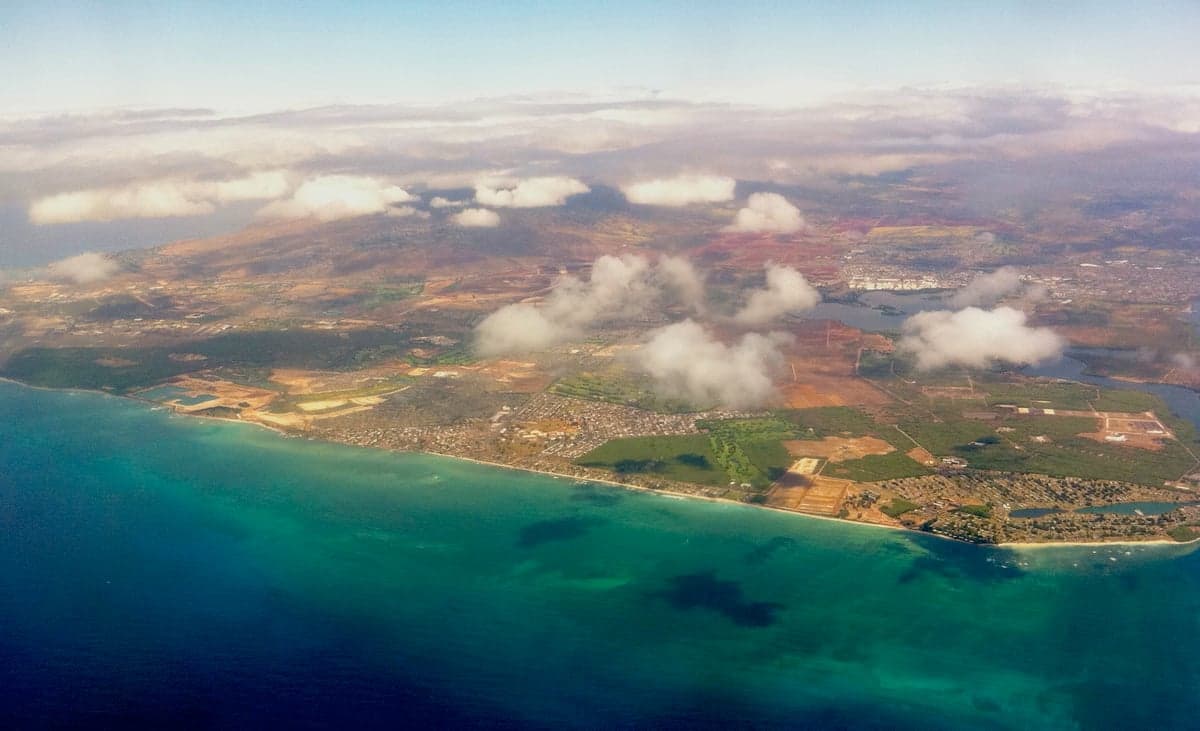
Photo: Wikipedia
Political ClimatePolitical Climate in Ewa Beach, HI
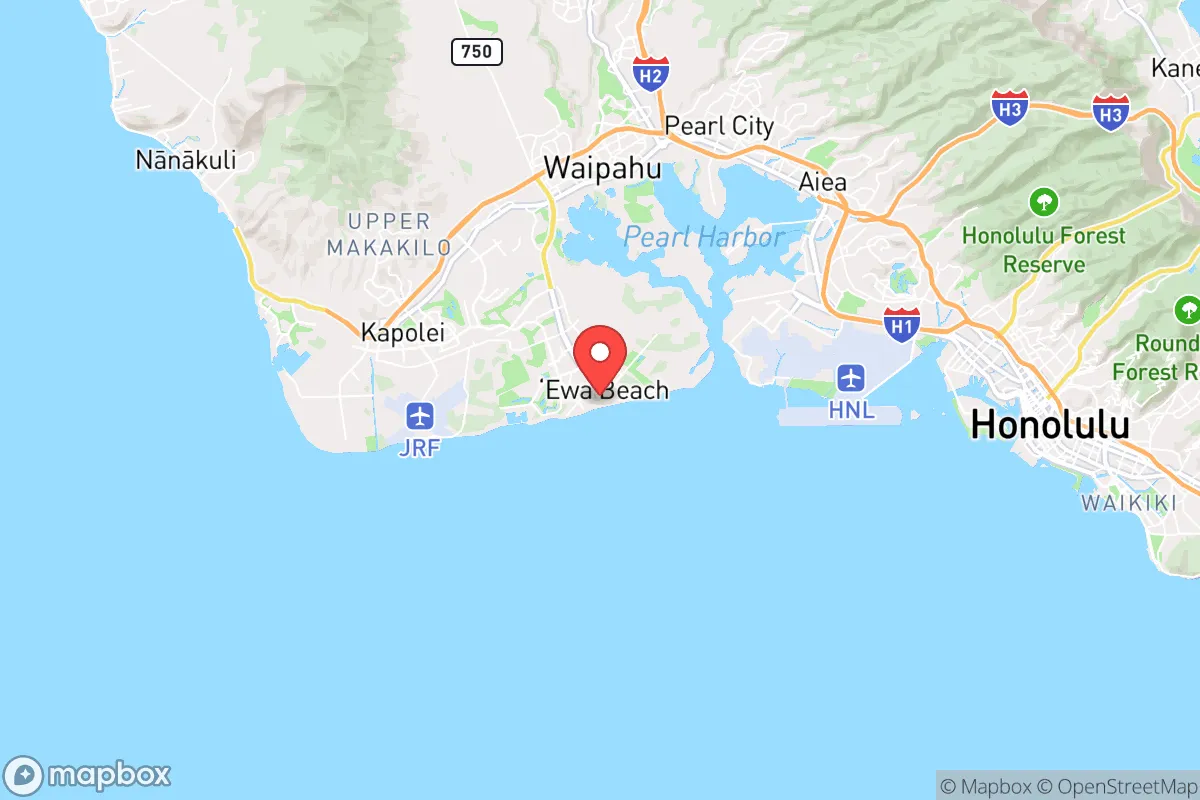
District shown is the primary district for this city’s centroid. Cities may span multiple districts.
Local Political AnalysisPolitical Analysis of Ewa Beach, HI
Ewa Beach, Hawaii, leans heavily Democratic, with a Cook PVI of D+13, and that number has been creeping further left over the last decade. I’ve lived here long enough to remember when local politics were more about practical concerns—keeping the roads paved, the beaches clean, and the cost of living manageable—rather than the ideological battles you see now. Today, the area’s political trajectory is unmistakably progressive, with local leaders pushing policies that feel more like social experiments than common-sense governance. If you’re considering a move here, it’s worth understanding how this shift affects your daily freedoms and wallet.
How it compares
Ewa Beach is a blue island in a blue state, but it’s not as uniformly progressive as Honolulu proper or the more affluent neighborhoods of Kailua. Drive 20 minutes east to Kapolei, and you’ll find a slightly more moderate vibe—still Democratic, but with a stronger emphasis on business-friendly policies and less enthusiasm for the latest social mandates. Head north toward Waianae, and the politics get more populist and independent, with a healthy skepticism of government overreach that resonates with many locals. In contrast, Ewa Beach’s leadership tends to align with the state’s dominant Democratic machine, which means you’ll see fewer voices pushing back against things like vaccine mandates, zoning overhauls, or tax hikes disguised as “sustainability” initiatives. The surrounding towns like Mililani and Pearl City are closer to Ewa Beach’s lean, but even there, you’ll find more pushback on issues like property rights and school curriculum changes.
What this means for residents
For those of us who value personal freedom, the political climate here is getting uncomfortable. The local government has a habit of reaching into areas that used to be left to families and individuals—think strict rental regulations, noise ordinances that feel arbitrary, and a growing list of permits required for even minor home improvements. The push for “equity” in housing and education often translates to higher fees and fewer choices for homeowners and parents. Property taxes have crept up, and there’s talk of adding new “impact fees” for new construction, which will only make it harder for young families to buy in. On the plus side, the community is tight-knit, and many residents still hold onto a live-and-let-live attitude, but the political machinery is slowly chipping away at that. If you’re a conservative or even a moderate, you’ll find yourself voting against more ballot measures than you vote for.
One cultural distinction that stands out is the strong sense of local identity here—people are proud of their Hawaiian heritage and protective of the land. That’s not a bad thing, but it’s been co-opted by progressive activists who use it to push policies that limit development and personal property rights. The “aloha spirit” is real, but it’s increasingly used as a cudgel to enforce conformity on social issues. Looking ahead, I expect Ewa Beach to continue its leftward drift, especially as more transplants from the mainland move in, bringing their own political baggage. For anyone who values limited government and personal responsibility, this area is becoming a tougher place to call home—but if you’re willing to stay engaged and vote, you can still make your voice heard.

State Political ClimatePolitical Climate in Hawaii
State Political AnalysisPolitical Environment in the State
Hawaii has been a one-party Democratic stronghold for decades, but don’t let the blue veneer fool you—the state’s political climate is far more complex than a simple left-right label. The dominant coalition is a mix of labor unions, Native Hawaiian sovereignty advocates, and a progressive establishment that has held power since statehood, but a growing conservative and libertarian-leaning minority is pushing back, particularly on Oahu’s windward side and in rural areas like the Big Island’s Puna district. Over the last 20 years, the state has shifted from a moderate, union-driven Democratic machine to a more aggressively progressive one, with recent cycles showing a slow but steady erosion of the Democratic supermajority—though Republicans still hold zero statewide offices as of 2026.
Urban vs. rural divide
The political map of Hawaii is a tale of two islands—and a few key towns. Honolulu on Oahu is the progressive engine, driving roughly 70% of the state’s vote with its dense urban core, university influence, and heavy union presence. The city’s liberal tilt is so pronounced that even moderate Democrats struggle in primaries there. In contrast, Kailua-Kona on the Big Island and Kahului on Maui are more moderate, with Kona leaning slightly right due to its large military retiree and ranching communities. The rural Puna district (Big Island) is a wildcard—historically libertarian and anti-establishment, it flipped from blue to red in the 2020 presidential race, driven by frustration with COVID mandates and housing costs. Hana on Maui and Hanalei on Kauai remain deep blue, but Waimea on the Big Island (the paniolo cowboy town) is a conservative pocket where local ranchers and farmers vote Republican reliably. The Leeward side of Oahu (Ewa Beach, Kapolei) is a swing area, with growing military and Filipino communities pulling it rightward in local races.
Policy environment
Hawaii’s policy environment is a mixed bag for a conservative mover. On the plus side, property taxes are among the lowest in the nation—roughly 0.3% of assessed value—and there’s no tax on Social Security income, which appeals to retirees. But the trade-offs are steep. The state has a progressive income tax topping out at 11%, one of the highest in the country, and a general excise tax of 4% that applies to nearly everything, including rent and groceries. Education policy is heavily centralized; the state runs a single, unified school district, and school choice is limited—charter schools exist but are underfunded. Healthcare is dominated by the Hawaii Prepaid Health Care Act, which mandates employer-provided insurance, a model that predates the ACA but drives up small business costs. Election laws are relatively open: same-day registration is allowed, and mail-in voting is universal. Gun laws are among the strictest in the nation—permits are required for all purchases, open carry is effectively banned, and the state has a “may issue” concealed carry system that was recently loosened slightly after the Bruen decision, but still requires a showing of “exceptional cause.”
Trajectory & freedom
Hawaii is trending less free across multiple dimensions, and the trend accelerated after 2020. The most visible flashpoint is gun rights: in 2022, the legislature passed Act 207, which banned carrying firearms in a long list of “sensitive places” including beaches, parks, and businesses that don’t post a sign—effectively nullifying the Bruen ruling in practice. A federal lawsuit is ongoing as of 2026. On parental rights, the state passed Act 2 in 2023, which prohibits schools from notifying parents if a child changes their gender identity or pronouns—a direct blow to parental authority. Medical autonomy took a hit with Act 1 in 2023, which codified abortion access and removed parental consent requirements for minors, overriding a previous law. On property rights, the state’s Land Use Commission remains a powerful regulatory body that can block development for years, driving up housing costs and limiting personal freedom to build or renovate. The only bright spot for liberty advocates is the 2024 passage of a bill to legalize accessory dwelling units (ADUs) statewide, which slightly loosened zoning restrictions, but it’s a drop in the bucket.
Civil unrest & political movements
Hawaii has a long history of civil unrest, but the modern flashpoints are distinct. The Mauna Kea protests (2019-2020) against the Thirty Meter Telescope were a rare coalition of Native Hawaiian sovereignty activists and environmentalists, drawing thousands and resulting in arrests—a preview of the anti-development sentiment that pervades the state. On the right, the Hawaii Republican Party is small but vocal, with groups like Hawaii Patriots organizing around election integrity and school board races. The 2020 election saw minor controversies over mail-in ballot drop boxes, but no major fraud was found. Sanctuary policies are in effect: Hawaii is a “sanctuary state” for undocumented immigrants, with Act 7 (2019) prohibiting state and local law enforcement from cooperating with federal immigration authorities. Secessionist rhetoric is real but fringe, centered on the Kingdom of Hawaii sovereignty movement, which claims the U.S. annexation was illegal—this group occasionally occupies public buildings but has no electoral power. The most visible political movement a new resident will notice is the anti-tourism sentiment, which has morphed into a broader anti-growth, anti-development stance that affects everything from housing policy to local elections.
Projection
Over the next 5-10 years, Hawaii will likely become more progressive, not less, driven by two demographic trends: the continued out-migration of conservative-leaning military families and retirees to cheaper mainland states, and the in-migration of remote workers from California and the West Coast who bring progressive politics with them. The Native Hawaiian population, which tends to vote more moderate on economic issues but progressive on sovereignty, is growing as a share of the electorate. The Republican Party is unlikely to win a statewide office unless it moderates on social issues and focuses on economic freedom—housing deregulation and tax reform—but even then, the structural advantage of the Democratic machine is formidable. The 2026 gubernatorial race will be a bellwether: if the Democratic primary produces a far-left candidate, a moderate Republican could win the general, but that’s a long shot. Expect more gun control, more parental rights restrictions, and more tax increases to fund the state’s underfunded pension system. The one wildcard is a housing affordability crisis that could shift voters toward libertarian-leaning candidates who promise to cut red tape—but that’s a 10-year horizon, not a 5-year one.
Bottom line for a new resident: If you value personal freedom—especially gun rights, parental authority, and low taxes—Hawaii is a tough place to call home. The natural beauty and low property taxes are real draws, but you’ll be living under a government that is actively expanding its reach into your daily life. The best bet for a conservative-leaning mover is to target rural pockets like Waimea (Big Island) or Kula (Maui), where local politics are more libertarian and the state’s heavy hand is felt less directly. But don’t expect the state to flip—it’s a blue island in a blue ocean, and the tide is rising, not falling.
* Values derived from national, state, county, city and local statistics and may differ in a specific area. Last updated: 2026-04-24T00:11:09.000Z
Narrative content on this page is AI-generated and may contain mistakes. Verify any details that matter before acting on them.
ReloMaps may earn a commission from affiliate links at no extra cost to you.

