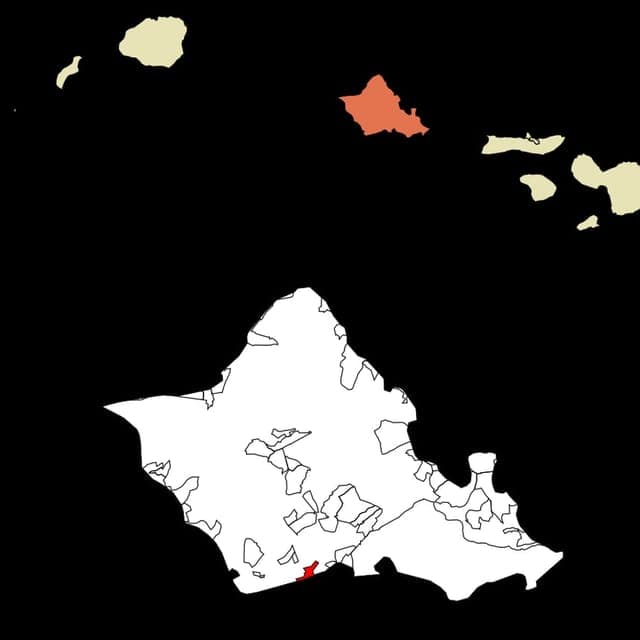
Photo: Wikipedia
Find The Best Places To Live
in Kapolei
PRO TIP! You can paste a Zillow or Redfin link to get info on that property.
What It's Like Living in Kapolei, HI
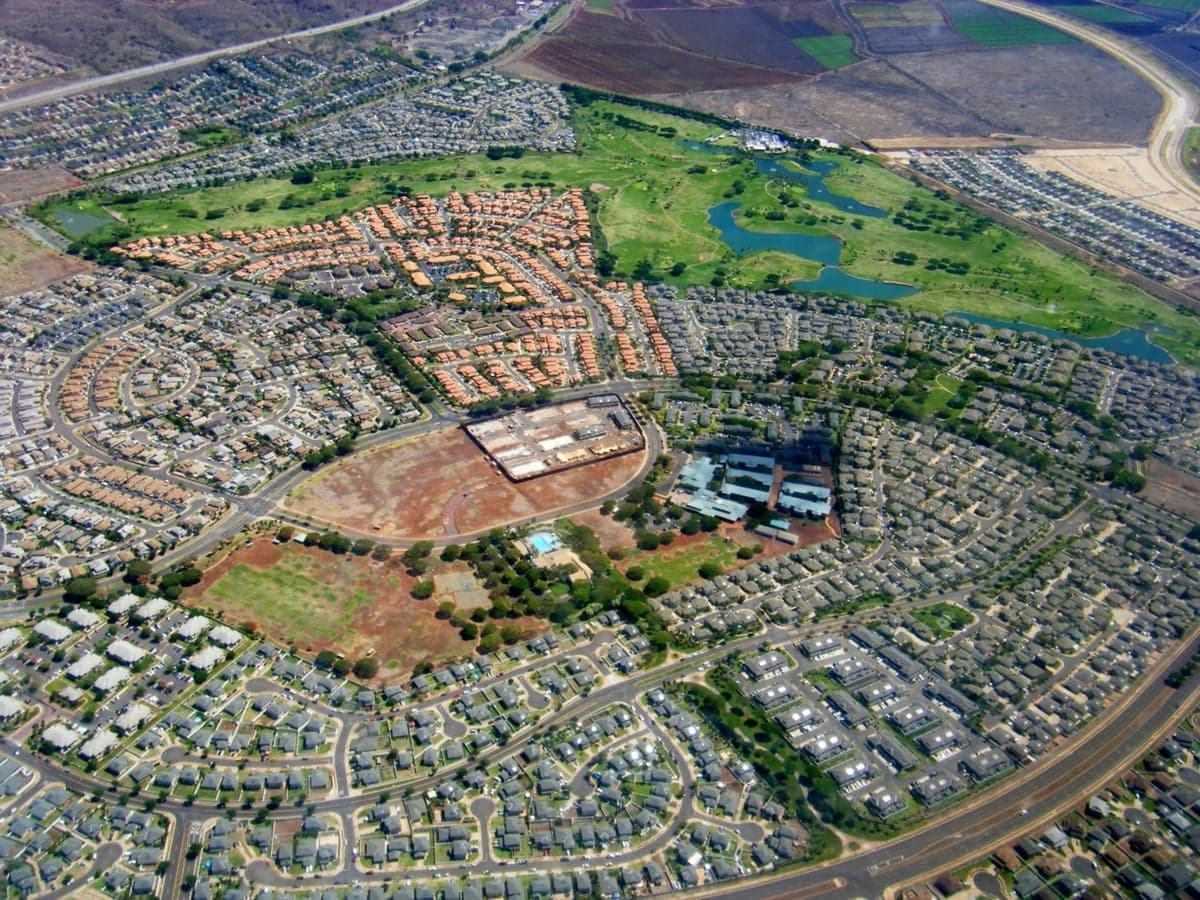
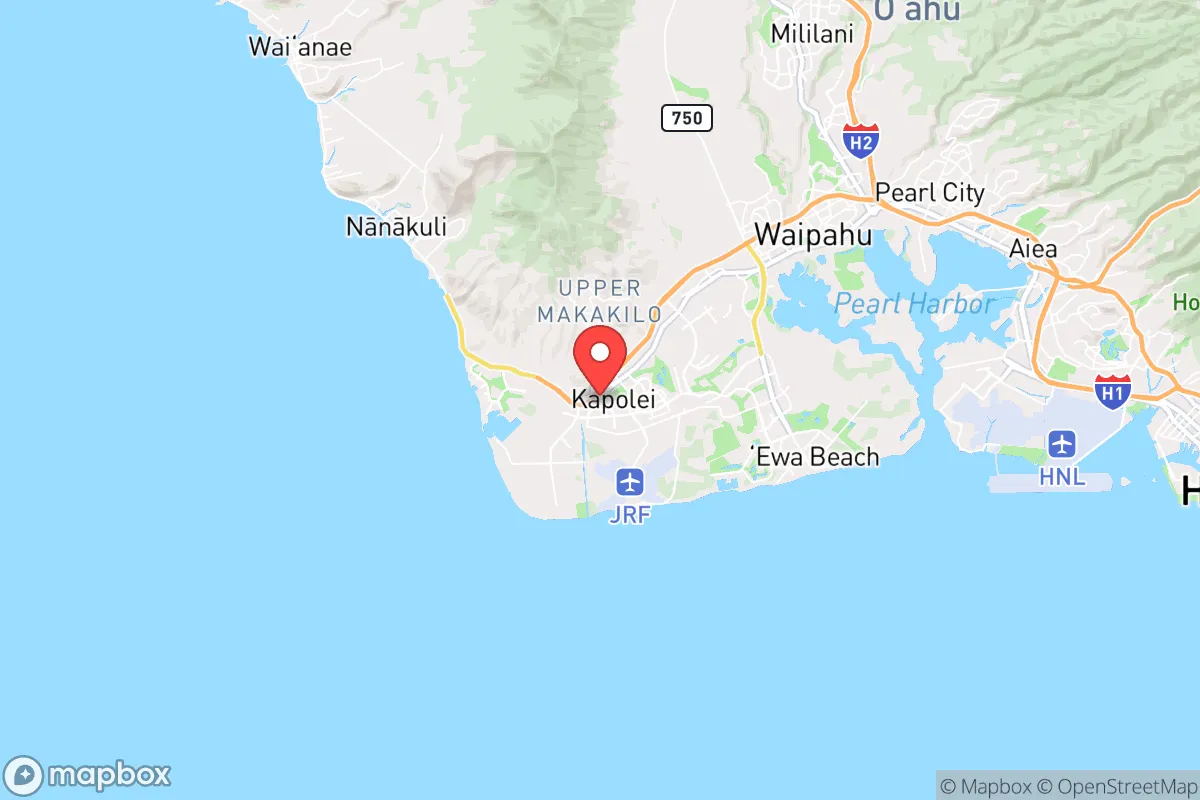
Kapolei, often called Oahu’s “Second City,” feels less like a tourist postcard and more like a real, working town—a place where the trade winds blow through planned subdivisions and the distant hum of the H-1 freeway is a constant companion. It’s a community built for families and professionals who want the island lifestyle without the Waikiki price tag, but who are also willing to trade postcard views for a 32-minute average commute and a cost of living index of 232. If you’re a conservative-leaning single or parent looking for a stable, suburban base on Oahu, Kapolei offers a distinct blend of new development, local pride, and practical trade-offs.
The Daily Rhythm: Suburban Life with a Hawaiian Accent
Life in Kapolei revolves around the car, the mall, and the weekend beach trip. The median age here is 33.4, and the median household income sits at a robust $129,260, which reflects a population of dual-income professionals, military families from nearby Joint Base Pearl Harbor-Hickam, and government workers. Weekday mornings see a steady stream of cars heading toward the H-1, with many residents commuting into Honolulu or the industrial Kapolei Business Park. After work, the local shopping centers—like the Ka Makana Ali‘i mall—are the social hubs, where you’ll find families grabbing plate lunches at L&L Hawaiian Barbecue or picking up poke bowls at Foodland.
Weekends are for the outdoors. The nearby Ko Olina Resort area offers four man-made lagoons that are perfect for families, with calm, protected waters and grassy lawns. Locals also head to the less-crowded beaches on the leeward coast, like Nanakuli or Yokohama Bay, for a more rugged, uncrowded experience. The weather is consistently warm, with temperatures hovering in the low 80s year-round, though the “Kona winds” can bring humidity and occasional vog from the Big Island’s volcanoes. The biggest cultural quirk? The concept of “island time” is real—appointments and schedules are often flexible, and the local phrase “no worry” sums up the general attitude toward punctuality.
Sports, Community, and the Local Identity
High school football is a big deal here. The Kapolei Hurricanes and Campbell Sabers (from nearby Ewa Beach) draw huge crowds on Friday nights, with games often feeling like community-wide events. There’s no major professional sports team on Oahu, but residents are passionate about the University of Hawaii Rainbow Warriors football and basketball teams, with many making the drive to the Stan Sheriff Center in Manoa for games. The local identity is proudly “local”—meaning a mix of Hawaiian, Filipino, Japanese, and Portuguese influences. You’ll hear pidgin English in the grocery store, and the local food scene is dominated by saimin, spam musubi, and shave ice from spots like Waiola Shave Ice.
The biggest annual event is the Kapolei City Lights parade in December, which draws thousands to the Kapolei Hale civic center for a massive Christmas celebration with floats, live music, and fireworks. Other festivals include the annual Kapolei Food & Wine Festival at Ko Olina and the weekly Kapolei Farmers Market, where you can buy fresh papaya, mango, and local honey. For nightlife, options are limited—there are a few sports bars like Buffalo Wild Wings and the Ko Olina Golf Club bar, but most people head to Honolulu for a night out. The community is family-focused, and the schools—like Kapolei High School and the newer Kapolei Middle School—are central to social life, with PTA meetings and school fundraisers being common weekend activities.
Pros and Cons: The Honest Trade-Offs
Living in Kapolei comes with clear upsides and frustrations. Here’s what longtime residents talk about:
- Pros: Newer housing stock (many homes built after 2000), with a median home value of $720,600—high by mainland standards, but cheaper than Honolulu’s $1M+ median. The Ko Olina lagoons are a world-class amenity. The community feels safe; the violent crime rate is 200.2 per 100,000, which is below the national average. The schools are improving, with Kapolei High School offering strong STEM programs.
- Cons: The commute is the biggest pain point—the average 32-minute drive can balloon to over an hour during peak hours, especially if there’s an accident on the H-1. The cost of living is punishing: a 232 index means groceries and utilities are roughly double the mainland average. The “second city” label is aspirational—there’s still a lack of high-end dining, cultural venues, and job diversity. Many residents feel the area is a bedroom community for Honolulu rather than a true city center.
Only 31.8% of adults hold a bachelor’s degree or higher, which is lower than the national average, reflecting a workforce heavy on trades, retail, and service jobs. For conservative-leaning families, the area’s strong military presence and emphasis on traditional family structures can feel like a good fit. The biggest cultural quirk is the “Kapolei bubble”—residents joke that you can live here for years and never leave the west side, thanks to the mall, the beaches, and the freeway traffic that discourages venturing east. It’s a trade-off: you get space, newer homes, and a quieter pace, but you pay for it in commute time and a limited social scene. For the right person—someone who values stability, family, and the outdoors over urban energy—Kapolei is a solid, if imperfect, choice.

Similar towns to Kapolei
* Values derived from national, state, county, city and local statistics and may differ in a specific area. Last updated: 2026-04-24T00:10:34.000Z
Narrative content on this page is AI-generated and may contain mistakes. Verify any details that matter before acting on them.
ReloMaps may earn a commission from affiliate links at no extra cost to you.

