Photo: Wikipedia
Find The Best Places To Live
in Ewa Beach
PRO TIP! You can paste a Zillow or Redfin link to get info on that property.
What It's Like Living in Ewa Beach, HI
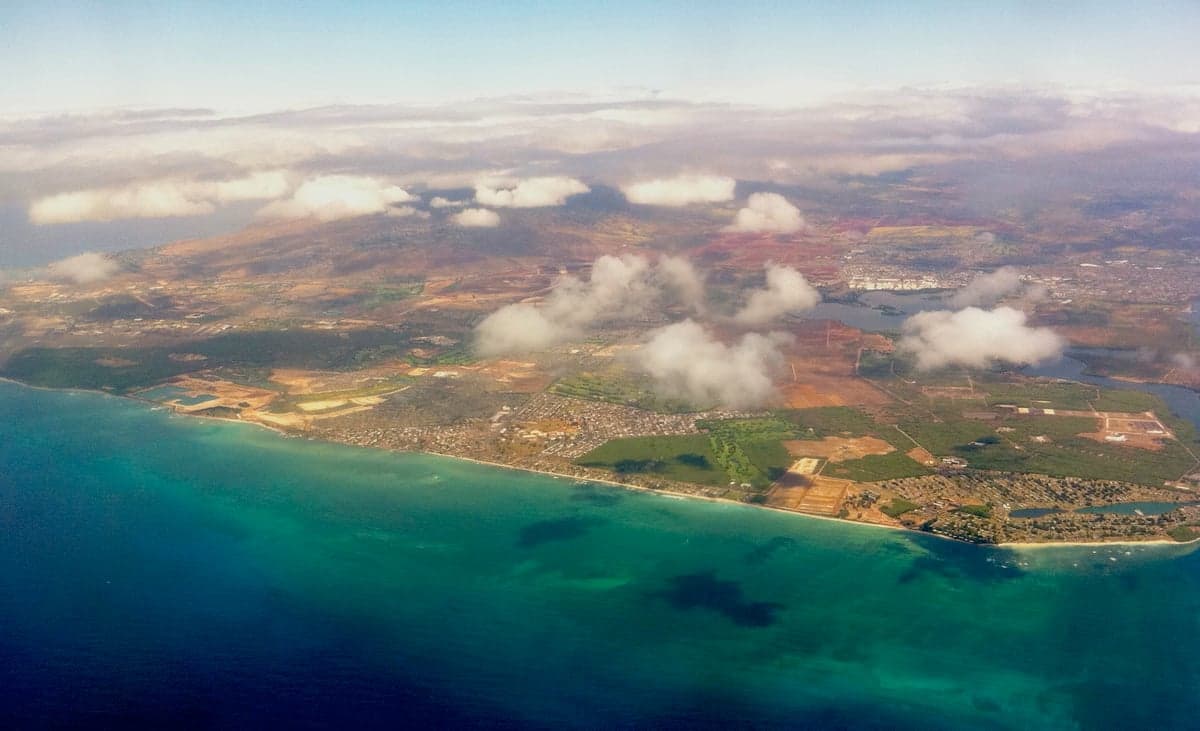
Ewa Beach feels like a small-town slice of Hawaii that happens to sit within commuting distance of Honolulu’s job centers and nightlife. It’s a place where the pace slows down, the ocean is always a short walk away, and the local high school football game on a Friday night is a genuine community event. If you’re looking for a quieter, more family-oriented alternative to the tourist-heavy Waikīkī or the urban bustle of downtown, this is a neighborhood that rewards patience with a strong sense of place.
The Daily Rhythm: What Life Actually Feels Like
Most mornings here start with the sound of roosters and the smell of plumeria. People grab coffee at local spots like Kai Coffee or pick up plate lunches from L&L Hawaiian Barbecue or the food trucks near the Ewa Beach Shopping Center. The median age of 39.5 and a median household income of $124,958 tell the story: this is a community of established families and dual-income households, many of whom work in Honolulu or at the nearby Pearl Harbor Naval Shipyard and Joint Base Pearl Harbor-Hickam. Weekends are often spent at the beach—Oneula Beach Park (locals call it “Hau Bush”) is a favorite for its calm waters and shade—or at the Ewa Beach Golf Club, a public course that’s affordable and well-maintained. The cost of living index of 231 means groceries and utilities hit harder than on the mainland, but the trade-off is that you’re never more than 15 minutes from a palm-fringed shoreline.
Sports, Schools, and Community Ties
High school sports are a big deal here. James Campbell High School (the “Sabers”) draws huge crowds for football games, and the rivalry with Kapolei High School is the kind of thing that gets parents, alumni, and even childless neighbors out on a Friday night. The school itself is a community anchor—it’s the largest high school on the island by enrollment, and its academic and athletic programs shape much of the local calendar. For younger families, the elementary schools like Ewa Beach Elementary and Holomua Elementary are walkable for many neighborhoods, and the PTA networks are active. There’s no major professional sports team on Oʻahu (the University of Hawaiʻi Rainbow Warriors football team in Mānoa is the closest thing), but the local youth leagues for soccer, baseball, and surfing are well-organized and fiercely supported.
What’s There to Do—and What’s Missing
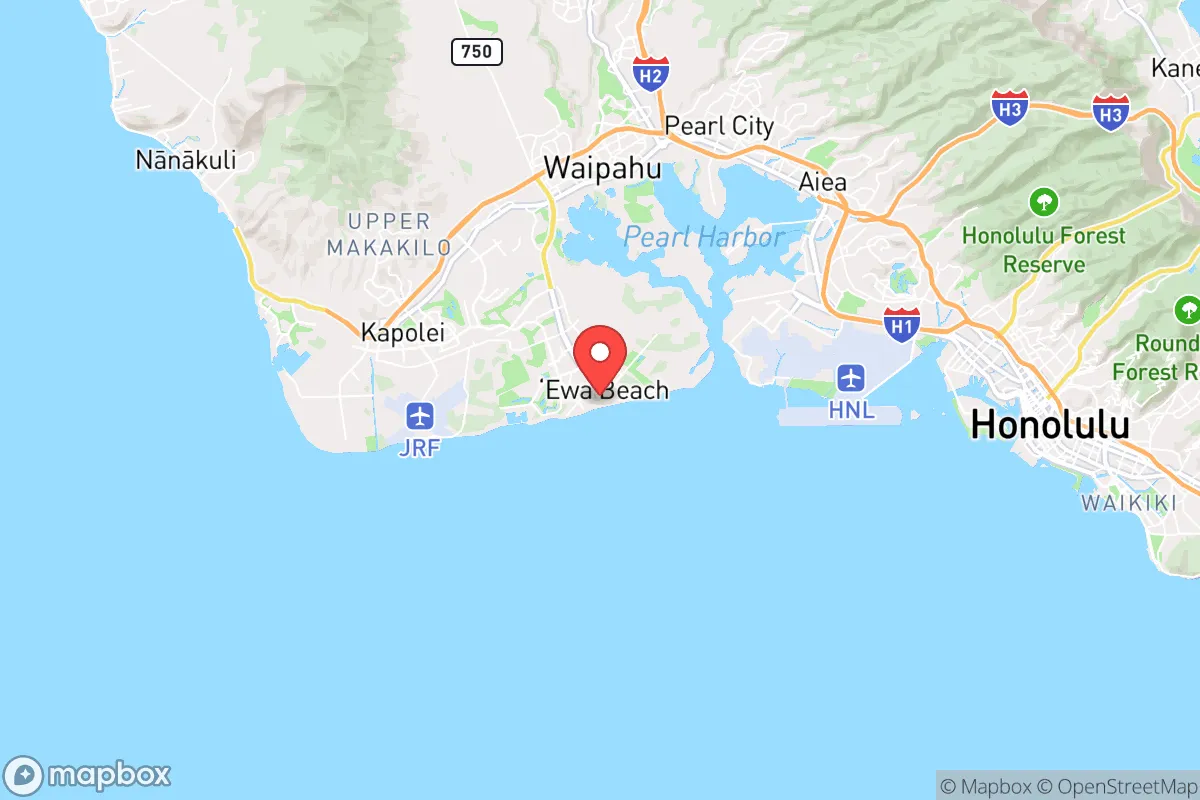
Entertainment is low-key but real. The Ewa Beach Public Library hosts story hours and summer reading programs, and the Ewa Beach Community Center runs everything from Zumba classes to craft fairs. For a night out, locals head to Poke on the Run for fresh ahi bowls or Ewa Town Center for a mix of chain restaurants and local spots like Zippy’s (a Hawaii institution for chili and saimin). The big annual event is the Ewa Beach Festival each summer, with live music, food booths, and a carnival that feels like a throwback to small-town America. For bigger concerts or pro sports, you’re driving 25–30 minutes into Honolulu—which brings up the biggest frustration: traffic. The average commute is 39 minutes, and during rush hour, the H-1 freeway can turn a 15-mile trip into an hour-long crawl. That’s the trade-off for living in a quieter, more affordable (by Hawaii standards) enclave.
Honest Pros and Cons of Living Here
- Pros: Genuine community feel with strong school and sports ties; easy beach access with uncrowded parks; median home value of $698,200 is steep but still below Honolulu’s $1M+ median; lower violent crime rate (200.2 per 100K) than many mainland suburbs of similar size; the weather is consistently warm (75–85°F year-round) with trade winds that keep humidity manageable.
- Cons: Commute times are brutal—plan for 40–60 minutes each way to downtown Honolulu; only 21.7% of adults hold a bachelor’s degree, which reflects a workforce tilted toward trades, military, and service jobs; the cost of living index of 231 means a gallon of milk can cost $6 and a modest dinner out runs $50 for two; nightlife is nearly nonexistent—if you want bars open past 10 p.m., you’re driving to Kapolei or Honolulu; the housing market is tight, with few rentals under $2,500/month and a low inventory of single-family homes.
The cultural quirks here are part of the charm: people leave their slippers at the door, “shaka” is a standard greeting, and the local pidgin mixes English with Hawaiian and Portuguese words. It’s not a place for people who need constant stimulation or a fast-paced social scene. But for those who value a tight-knit community, ocean access, and a slower rhythm—especially parents who want their kids to grow up in a place where neighbors know each other’s names—Ewa Beach delivers something that’s increasingly rare in modern Hawaii: a genuine, unpretentious sense of home.

Similar towns to Ewa Beach
* Values derived from national, state, county, city and local statistics and may differ in a specific area. Last updated: 2026-04-24T00:11:09.000Z
Narrative content on this page is AI-generated and may contain mistakes. Verify any details that matter before acting on them.
ReloMaps may earn a commission from affiliate links at no extra cost to you.

