Photo: Wikipedia
Quality of Life in Federal Way, WA
A high quality of life with strong walkability, manageable living costs, healthy neighborhood signals, and solid amenity access.
What does Quality of Life tell us?
Quality of Life blends cost of living, nearby amenities, socioeconomic signals, and neighborhood character. City-level scores represent the whole municipality; individual neighborhoods can differ.
What does this tell us?
Quality of Life blends cost of living, nearby amenities, socioeconomic signals, and neighborhood character. City-level scores represent the whole municipality; individual neighborhoods can differ.
Cost of Living
61% above national average
The Real Cost of Living in Federal Way, WA for 2026
| Tier | Individual | Family (4) |
|---|---|---|
| Survival | $28k | $52k |
| Comfortable | $93k | $137k |
| Luxury | $137k+ | $212k+ |
| Elite (Top 5%) | $161k+ | $250k+ |
60%
The Area Signal
A metric tracking the socioeconomic signals of the area.


Hobbies
Explore the areaGroceries
1 within 10 miles
Gas
0 within 10 miles
Hospital
3 within 20 miles
Airport
SEA — Seattle-Tacoma International
Post Office
USPS — Auburn, WA
Critical Amenities
Quality-of-Life Analysis
Federal Way, Washington, presents a middle-to-upper-middle-class suburban profile within the Seattle metropolitan area, with a cost of living index of 161 (61% above the U.S. average) that reflects its proximity to major employment hubs. The city attracts a diverse mix of families, long-term residents, and professionals who work in Seattle, Tacoma, or the nearby tech corridors of Bellevue and Redmond. While not as affluent as neighboring Mercer Island or Medina, Federal Way offers a more attainable entry point into the region’s housing market while still providing access to Puget Sound’s economic opportunities and natural amenities.
Cost of living, housing affordability, and how it compares to Seattle and Tacoma
Federal Way’s housing costs are a key differentiator from its more expensive neighbors. The median home value sits at $499,600, significantly lower than Seattle’s median (often exceeding $850,000) and roughly on par with Tacoma’s median. Median rent is $1,738, which is about $400–$600 less per month than comparable rentals in Seattle proper. However, the overall cost of living index of 161 means that groceries, transportation, and utilities are all elevated relative to national averages. The average commute time of 32.4 minutes is a practical reality for many residents—driving to downtown Seattle takes 30–40 minutes via I-5, while the Sounder commuter rail offers a direct option from the Federal Way Transit Center. For buyers, the trade-off is clear: you gain more square footage and a yard compared to a Seattle condo, but you absorb higher transportation costs and longer daily travel.
Schools, parks, and what daily life is like for families and professionals
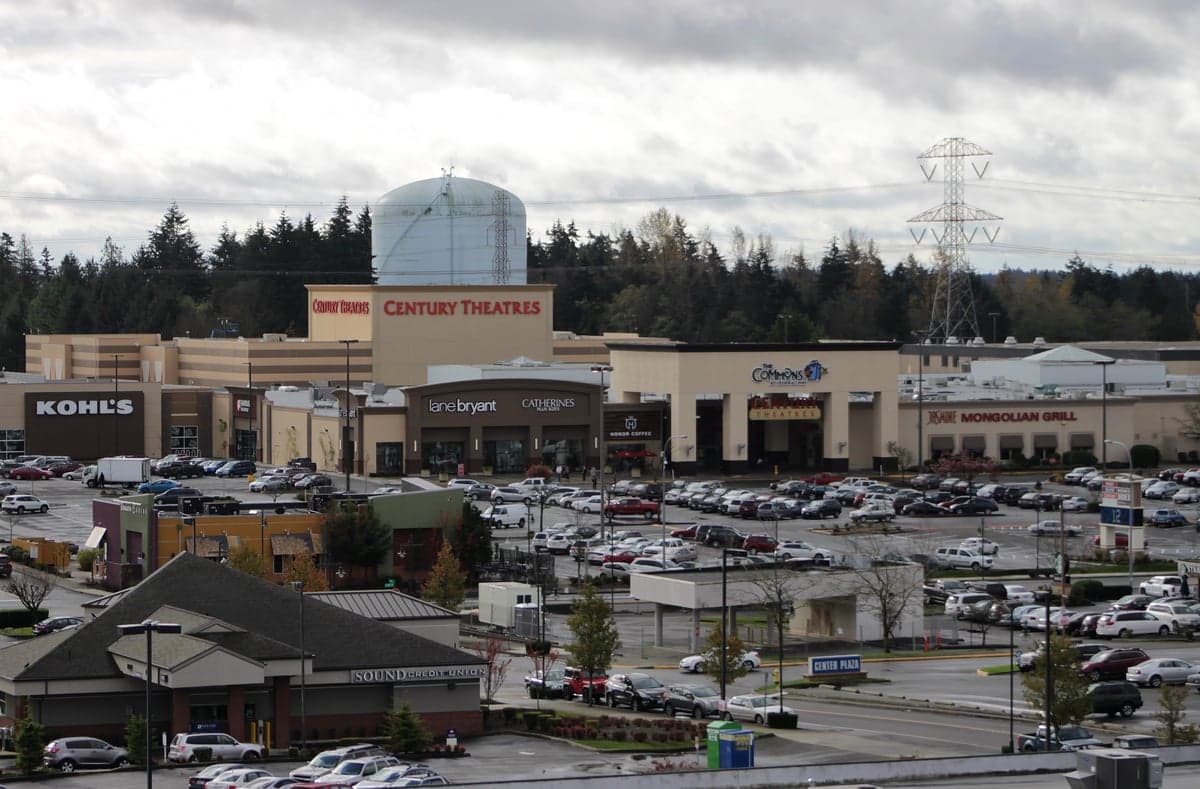
Daily life in Federal Way revolves around its extensive park system and community-oriented amenities. The city manages over 30 parks, with Dash Point State Park and West Hylebos Wetlands Park providing immediate access to hiking, birdwatching, and beachfront on Puget Sound. The Federal Way Public Schools district serves roughly 22,000 students, with Thomas Jefferson High School and Decatur High School offering Advanced Placement and International Baccalaureate programs. For shopping and dining, The Commons at Federal Way mall anchors the retail scene, while the nearby Pacific Bonsai Museum and Rhododendron Species Botanical Garden add cultural depth. The city’s rhythm is distinctly suburban: families fill the parks on weekends, commuters stream to and from I-5 during rush hours, and local events like the Federal Way Farmers Market (April–October) build community ties. Professionals without children may find the social scene quieter than Seattle’s, but the trade-off is lower crime rates and more space.
Federal Way is best suited for families and professionals who prioritize affordable homeownership within commuting distance of Seattle over urban nightlife or walkability. The city works well for those who value outdoor recreation—with easy access to both Puget Sound beaches and Cascade foothills—and who are comfortable with a car-dependent lifestyle. Singles or young professionals seeking a vibrant downtown core may find the pace too slow, but for anyone looking to stretch a housing budget while staying connected to the broader Puget Sound economy, Federal Way offers a pragmatic, well-rounded quality of life.

Crime in Federal Way, WA
Higher crime rates than 63% of comparable U.S. locations.
Violent CrimeViolent Crime Analysis
Property CrimeProperty Crime Analysis
Crime Analysis
Federal Way, Washington, presents a mixed safety picture that requires careful consideration for potential residents. The city's violent crime rate stands at 348.7 incidents per 100,000 residents, while property crime is significantly higher at 2,659 per 100,000. These figures place Federal Well above national averages, a trend that is increasingly common in large metro areas where progressive justice policies have been implemented.
Crime in context
Federal Way's crime rates substantially exceed both Washington state and national benchmarks. The violent crime rate of 348.7 per 100,000 is roughly 50% higher than the national average of approximately 230 per 100,000. Property crime at 2,659 per 100,000 is nearly double the national average of around 1,950 per 100,000. These elevated rates reflect broader challenges seen across the Puget Sound region, where King County's progressive district attorneys and judges have implemented policies that prioritize offender rehabilitation over incarceration. This approach, while sympathetic to offenders, has resulted in more criminals remaining on the streets, directly impacting public safety and justice for victims. The state's 2021 Blake decision, which decriminalized simple drug possession, further reduced consequences for property crimes often linked to addiction.
What residents experience
For daily life in Federal Way, property crime is the most tangible concern. Residents frequently report vehicle break-ins, package thefts, and burglaries, particularly in areas near major transit corridors like Interstate 5 and the Federal Way Transit Center. Violent crime, while less common, includes aggravated assaults and robberies that often cluster around commercial districts and apartment complexes. The city's proximity to Seattle and Tacoma means it absorbs spillover crime from both metro areas. Local police have noted that repeat offenders account for a disproportionate share of arrests, a pattern linked to lenient sentencing and low bail requirements under King County's progressive justice system. This creates a revolving door where individuals arrested for property crimes are quickly released to reoffend.
Neighborhood-level variation
Safety varies considerably across Federal Way's neighborhoods. The southeast quadrant near Dash Point State Park and the West Campus area generally report lower crime rates, with more single-family homes and stronger neighborhood watch programs. In contrast, areas around South 320th Street and the Commons Mall experience higher concentrations of property crime and occasional violent incidents. Apartment complexes along Pacific Highway South (SR 99) are particularly vulnerable to theft and drug-related activity. Prospective residents should research specific block-level data through the Federal Way Police Department's crime mapping tool, as a few streets can make a significant difference in daily safety. Gated communities and newer developments with private security offer additional layers of protection in higher-risk zones.
* Values derived from national, state, county, city and local statistics and may differ in a specific area. Last updated: 2026-04-19T09:38:49.000Z
Narrative content on this page is AI-generated and may contain mistakes. Verify any details that matter before acting on them.
ReloMaps may earn a commission from affiliate links at no extra cost to you.

