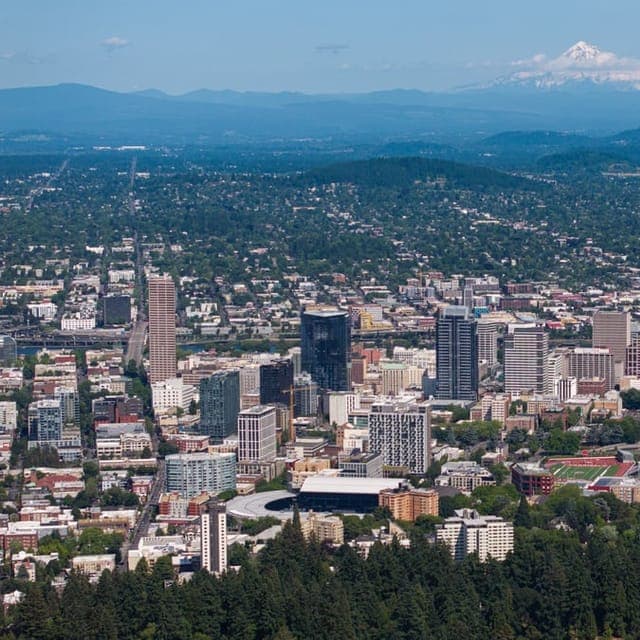
Photo: Wikipedia
Find The Best Places To Live
in Tacoma
PRO TIP! You can paste a Zillow or Redfin link to get info on that property.
What It's Like Living in Tacoma, WA
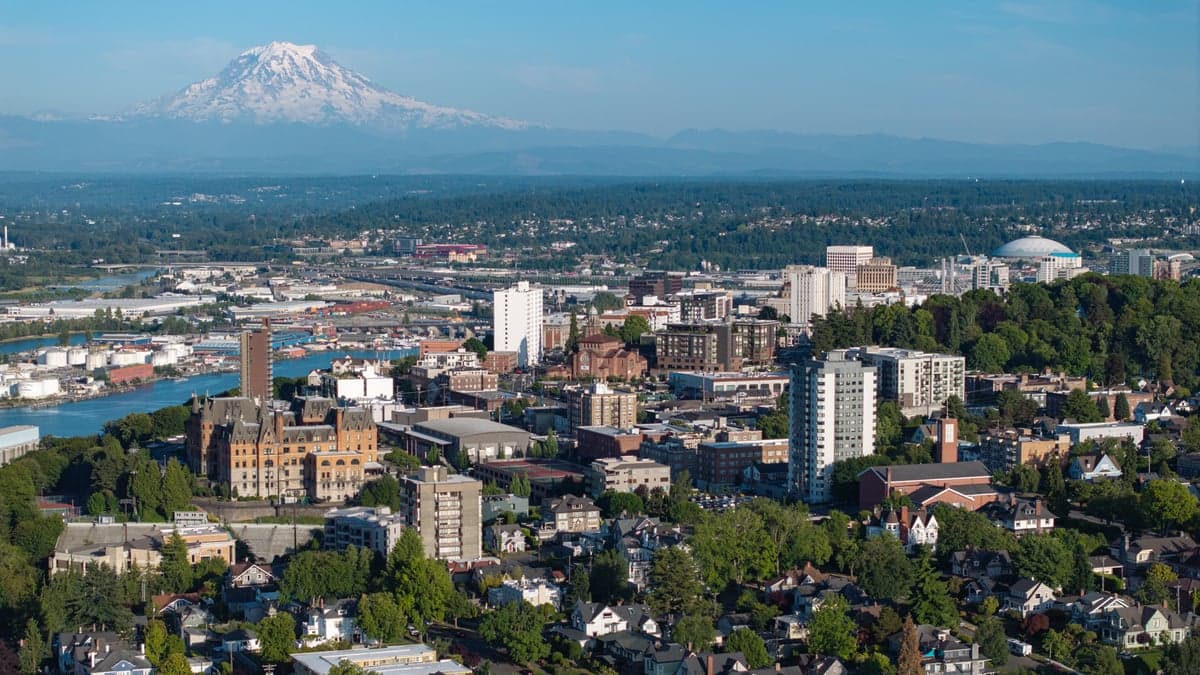
Tacoma has a way of surprising people. It’s not Seattle’s quieter little sibling, though it’s close enough to catch the skyline on a clear day. Instead, it feels like a city that grew up on its own terms—industrial grit mixed with pockets of genuine beauty, where the smell of saltwater and coffee hangs in the air and the locals will tell you they like it that way. Living here means accepting a place that’s still figuring out what it wants to be, and that’s part of the charm.
The Daily Rhythm: What People Actually Do
Most days in Tacoma start with a commute that averages about 29 minutes—longer than you’d expect for a city its size, but shorter than Seattle’s slog. The traffic on I-5 can be a grind, especially heading north in the morning, but locals have learned to work around it. People shop at the Proctor District’s farmers market on Saturdays, grab coffee at Bluebeard Coffee Roasters on 6th Avenue, or spend a lazy afternoon at Point Defiance Park, which has a zoo, gardens, and miles of trails along the Puget Sound. The median age here is 37.3, so you’re seeing a mix of young professionals, families, and empty-nesters. It’s not a party town, but it’s not sleepy either—just a place where people tend to settle in.
The kind of person who fits in here is someone who doesn’t need constant excitement. Tacoma attracts people who work in healthcare, logistics, or the military (Joint Base Lewis-McChord is a major employer), and who value affordability over prestige. The median household income is $83,857, which goes further here than in Seattle, though the cost of living index sits at 147—well above the national average. That means housing is the big squeeze: the median home value is $454,600, and while that’s cheaper than Seattle, it’s still a stretch for many. Rentals are tight, and you’ll hear locals grumble about it over beers at The Parkway Tavern or Doyle’s Public House.
Sports, Festivals, and What You Do on a Weekend
Sports aren’t the main event here, but they’re present. The Tacoma Rainiers (Triple-A baseball affiliate of the Seattle Mariners) play at Cheney Stadium, and games are a low-key, family-friendly affair—think hot dogs and fireworks, not rowdy crowds. High school football is a bigger deal than you’d expect, especially around the fall, when local rivalries like Stadium vs. Lincoln draw decent crowds. For pro sports, most people drive north to Seattle for the Seahawks or Sounders, but Tacoma has its own minor-league hockey team, the Tacoma Stars, which has a loyal following. College sports don’t dominate the conversation, though the University of Washington Tacoma’s basketball games get local attention.
Festivals are where Tacoma shines. The Tacoma Arts Month in October turns the city into a gallery crawl, and the Daffodil Festival in spring is a parade-heavy tradition that’s been running since the 1930s. The Bite of Tacoma food festival in August is a solid bet for sampling local restaurants. Music venues like The Spanish Ballroom at McMenamins and The New Frontier Lounge host indie bands and cover bands alike. For outdoor types, the Chambers Bay golf course (site of the 2015 U.S. Open) is a draw, and the Puget Sound itself offers kayaking and fishing. The Museum of Glass and the Washington State History Museum are downtown anchors, but they’re more touristy than daily haunts for locals.
Pros and Cons of Living Here
What longtime residents love: The water views are genuinely stunning—sunset over the Sound from the Thea Foss Waterway never gets old. The food scene has quietly improved: Frisko Freeze for burgers, Indochine for Vietnamese, and Marzano’s for Italian are local staples. The city has a strong sense of identity, with a working-class backbone that resists the glossy gentrification of Seattle. The University of Washington Tacoma campus has brought in younger energy and new businesses. And the proximity to Mount Rainier National Park (about an hour’s drive) means weekend hiking is a real option.
What frustrates residents: The violent crime rate is 859.5 per 100,000—noticeably higher than the national average, and it’s a topic that comes up in casual conversation. Property crime, especially car break-ins, is a persistent annoyance. The weather is gray and drizzly from October through April, and while it’s not as rainy as Seattle’s reputation suggests, the lack of sun can wear on people. The school system is mixed: some elementary schools are strong, but high schools like Lincoln and Mount Tahoma have struggled with funding and performance. Parents often opt for private or charter options if they can afford it. The commute to Seattle (45-60 minutes in traffic) is a dealbreaker for some, though the Sounder train helps.
Cultural Quirks and Local Identity
Tacoma’s identity is wrapped up in its history as a railroad and timber town. The nickname “Grit City” isn’t just marketing—it reflects a pride in surviving the economic ups and downs. You’ll see it in the murals on South Tacoma Way and the way people talk about the “T-Town” vibe. There’s a tradition of “First Friday” art walks in the downtown warehouse district, where galleries open their doors and food trucks line the streets. The LeMay – America’s Car Museum is a quirky draw, but locals are more likely to be found at the Broadway Farmers Market or the Ruston Way waterfront walking path. The city has a slight chip on its shoulder about being overlooked by Seattle, and that manifests as a kind of underdog loyalty. It’s not for everyone—the weather and crime stats are real—but for the 220,482 people who call it home, it’s a place where you can still buy a house with a yard, see the mountain on a clear day, and feel like you’re part of something real.

Similar small cities to Tacoma
* Values derived from national, state, county, city and local statistics and may differ in a specific area. Last updated: 2026-04-21T11:00:53.000Z
Narrative content on this page is AI-generated and may contain mistakes. Verify any details that matter before acting on them.
ReloMaps may earn a commission from affiliate links at no extra cost to you.

