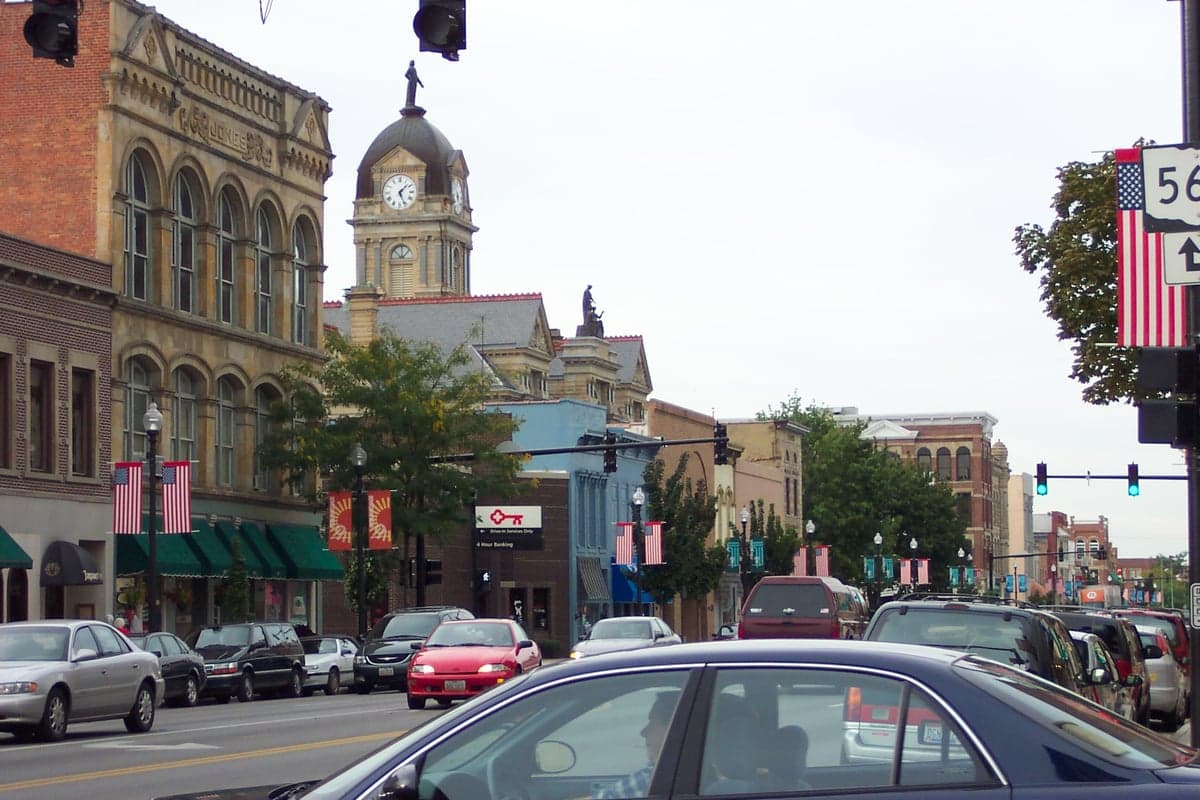
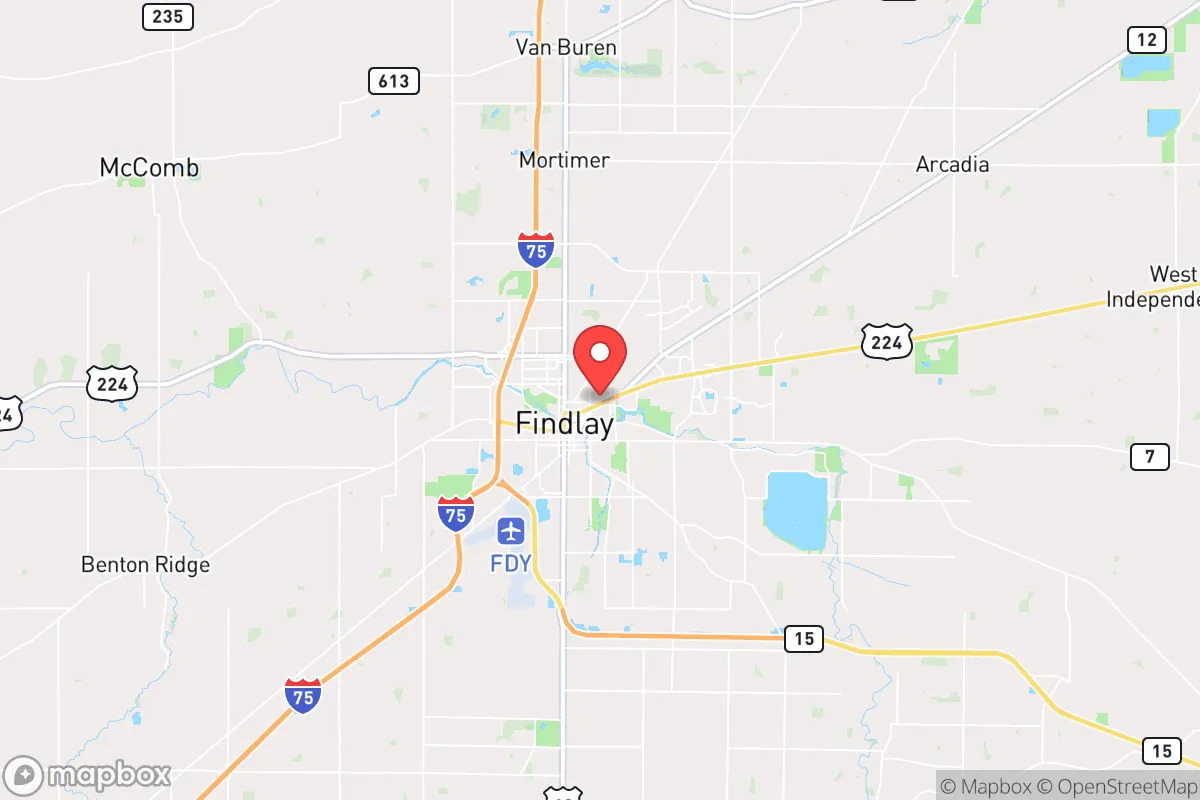
Photo: Wikipedia
Quality of Life in Findlay, OH
Above-average quality of iife. The area offers a reasonable cost of living, decent mobility, and a mix of neighborhood amenities.
What does Quality of Life tell us?
Quality of Life blends cost of living, nearby amenities, socioeconomic signals, and neighborhood character. City-level scores represent the whole municipality; individual neighborhoods can differ.
What does this tell us?
Quality of Life blends cost of living, nearby amenities, socioeconomic signals, and neighborhood character. City-level scores represent the whole municipality; individual neighborhoods can differ.
Cost of Living
27% below national average
The Real Cost of Living in Findlay, OH for 2026
| Tier | Individual | Family (4) |
|---|---|---|
| Survival | $15k | $28k |
| Comfortable | $36k | $52k |
| Luxury | $104k+ | $161k+ |
| Elite (Top 5%) | $137k+ | $213k+ |
110%
The Area Signal
A metric tracking the socioeconomic signals of the area.
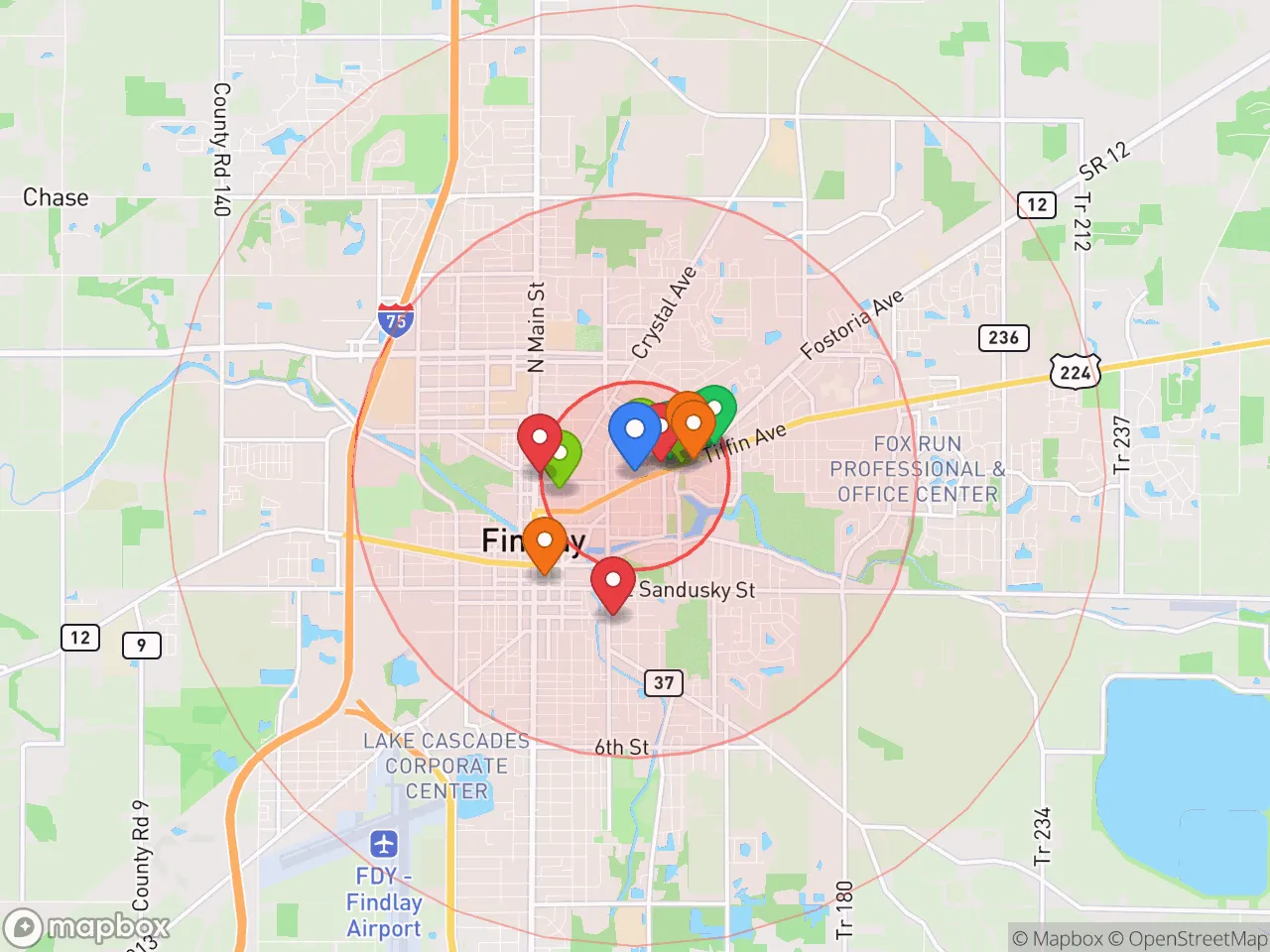
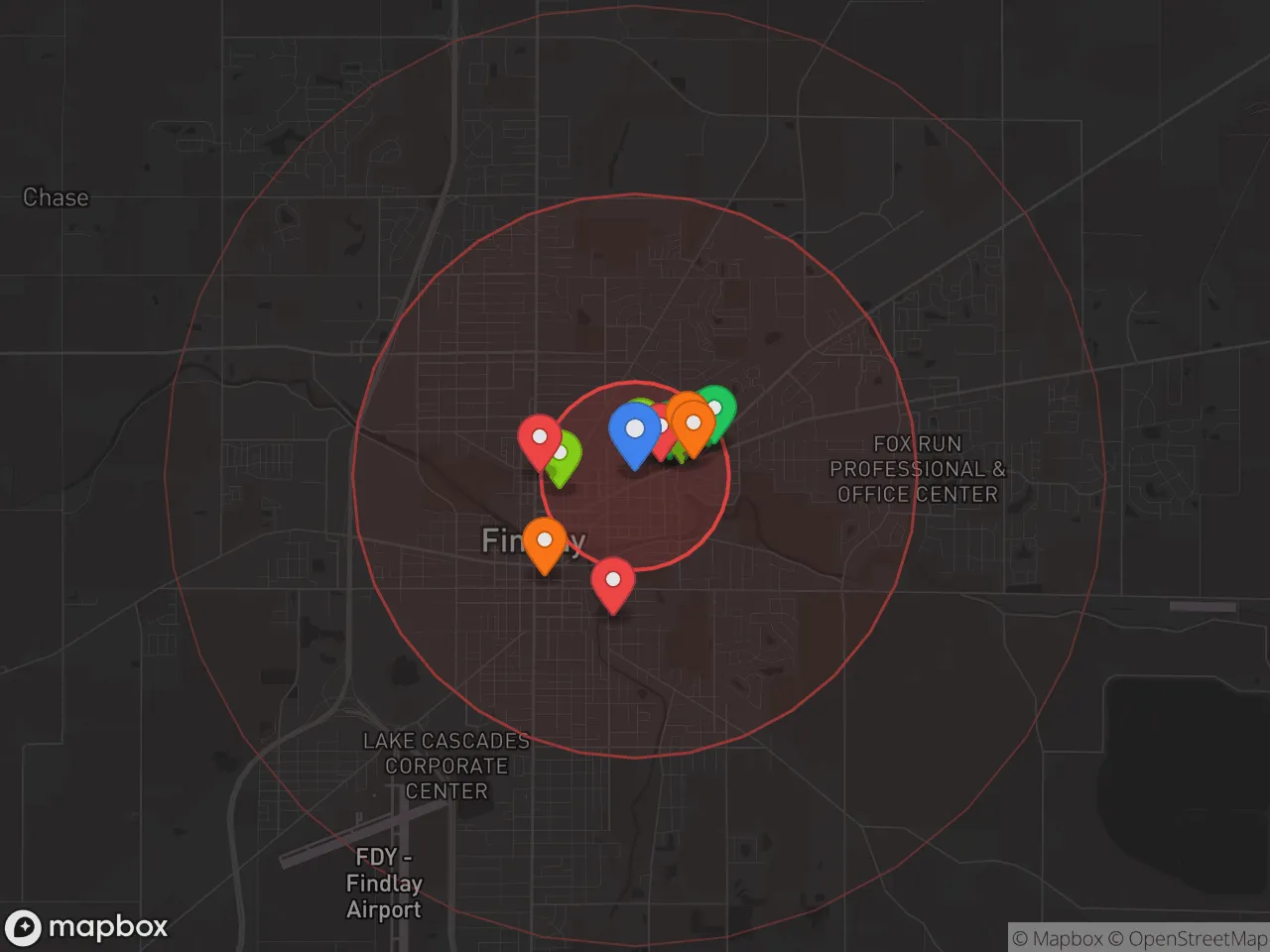
Hobbies
Explore the areaGroceries
4 within 10 miles
Gas
20 within 10 miles
Hospital
4 within 20 miles
Airport
DTW — Detroit Metropolitan Wayne County
Post Office
USPS — Findlay, OH
Critical Amenities
Quality-of-Life Analysis
Findlay, Ohio, offers a quality of life defined by strong economic stability and a cost of living that is significantly below national averages, attracting a mix of young professionals, growing families, and long-term residents. With a cost of living index of 73 (27% below the U.S. average), the city provides a level of financial breathing room rarely found in larger metropolitan areas. The population skews toward middle-income households employed in manufacturing, healthcare, and logistics, creating a community that values practicality, community involvement, and a slower, more predictable daily rhythm.
Cost of living and housing affordability compared to nearby cities
Findlay’s housing market is a primary driver of its affordability, with a median home value of $183,300 and a median rent of $917. These figures are roughly 40% lower than the national median home value and well below the Ohio state average of around $200,000. Compared to nearby Toledo (median home value ~$130,000) and Bowling Green (~$175,000), Findlay sits in a middle tier, but it offers a stronger job market and higher median household income, making homeownership more attainable. The average commute of just 16.5 minutes is a standout advantage—far shorter than the national average of 26 minutes—which reduces transportation costs and increases free time. For renters, the $917 median rent is roughly $200 less than the national median, and combined with low utility costs, monthly expenses remain manageable for single earners and families alike.
Schools, amenities, and what daily life feels like
Daily life in Findlay centers on convenience and community access. The Findlay City School District is a key draw, with a 93% graduation rate and strong STEM programs supported by local employers like Marathon Petroleum. The city’s amenities include the Findlay Village Mall, the Hancock County Public Library (a top-rated system in Ohio), and the Riverbend Recreation Area for hiking and kayaking. The downtown area, anchored by the Marathon Center for the Performing Arts, hosts regular farmers markets and festivals like the Flag City BalloonFest. For daily errands, residents rely on a mix of national chains and local shops along Tiffin Avenue and Broad Avenue. The pace is unhurried but not sleepy—restaurants and coffee shops see steady traffic, and the presence of major employers like Whirlpool Corporation and Cooper Tire & Rubber Company ensures a stable, weekday-oriented routine. Healthcare access is solid, with Blanchard Valley Hospital providing comprehensive services within a 10-minute drive from most neighborhoods.
Findlay is best suited for those who prioritize financial stability, short commutes, and a tight-knit community over urban nightlife or cultural diversity. Young families will appreciate the school system and low crime rates (violent crime is roughly 40% below the national average), while retirees benefit from the low cost of living and accessible healthcare. Professionals in manufacturing, logistics, or energy sectors will find a ready job market without the housing stress of larger cities. However, those seeking a vibrant arts scene, extensive public transit, or a highly diverse population may find Findlay’s offerings limited. For the right resident—someone who values predictability, affordability, and a strong sense of place—Findlay delivers a high quality of life at a fraction of the national cost.

Crime in Findlay, OH
Generally safer than 63% of comparable U.S. locations.
Violent CrimeViolent Crime Analysis
Property CrimeProperty Crime Analysis
Crime Analysis
Findlay, Ohio, reports a violent crime rate of 223 incidents per 100,000 residents and a property crime rate of 1,437.1 per 100,000, placing it below the national average for violent offenses but slightly above the national property crime benchmark. The city benefits from being in Hancock County, a region with a conservative legal environment that prioritizes public safety and victim rights, which helps keep crime in check compared to larger, more liberal-leaning metro areas. However, property crime remains a notable concern, particularly in areas with higher rental density and commercial traffic.
Crime in context
Findlay’s violent crime rate of 223 per 100,000 is 36% lower than the U.S. national average of roughly 380 per 100,000, and significantly below rates seen in Ohio’s larger cities like Columbus (over 700 per 100,000) or Cincinnati. Property crime, at 1,437.1 per 100,000, sits just above the national average of approximately 1,342 per 100,000 but is far lower than in nearby Toledo (over 3,500 per 100,000). The city’s location in a conservative judicial district means prosecutors and judges generally apply strict sentencing guidelines, reducing the likelihood of repeat offenses from early-release programs common in progressive jurisdictions. This legal framework directly contributes to Findlay’s relatively stable crime profile, as offenders face consistent consequences rather than revolving-door policies that can embolden criminal behavior.
What residents experience
Residents report that violent crime is rare and typically isolated to domestic disputes or targeted incidents, not random street violence. The most common public safety issues involve theft from vehicles, shoplifting, and occasional vandalism, particularly in commercial corridors like Tiffin Avenue and the Findlay Village Mall area. The Findlay Police Department maintains a visible presence, with community policing initiatives and a dedicated crime prevention unit that works with neighborhood watch groups. For families and retirees, the day-to-day experience is one of relative security, though locking cars and securing outdoor property is a practical habit. The city’s low violent crime rate means schools, parks, and downtown events feel safe, and emergency response times are consistently under five minutes in most residential zones.
Neighborhood-level variation is modest but worth noting. The southeast quadrant, near the university and older apartment complexes, sees slightly higher property crime rates, while the northwest and southwest subdivisions—such as those around Riverbend and the Country Club area—experience very low incidents. The historic downtown core benefits from regular patrols and a business alliance that funds private security cameras, keeping petty crime minimal. Overall, Findlay’s safety profile is strong for a city of its size, and the conservative legal climate ensures that the justice system remains focused on protecting law-abiding residents rather than accommodating offenders.
* Values derived from national, state, county, city and local statistics and may differ in a specific area. Last updated: 2026-04-21T19:12:13.000Z
Narrative content on this page is AI-generated and may contain mistakes. Verify any details that matter before acting on them.
ReloMaps may earn a commission from affiliate links at no extra cost to you.

