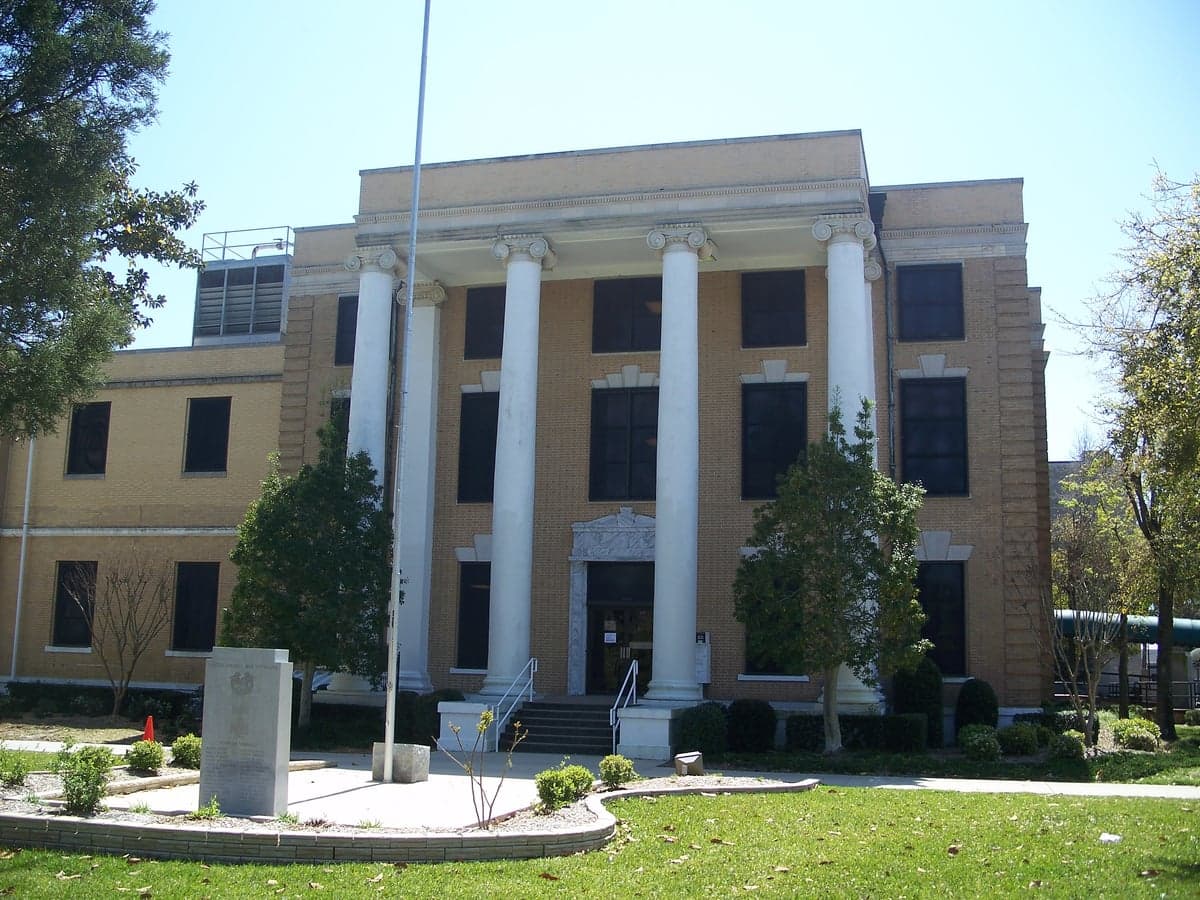
Photo: Wikipedia
Personal Sovereignty in Bay County
Viable for self-reliance. Generally workable, though some barriers may limit total independence.
What does Personal Sovereignty tell us?
Personal Sovereignty measures your capacity for self-reliance and independence with minimal government friction. Higher scores mean fewer barriers between you and the way you want to live... but it assumes you have the space you need and good neighbors.
What does this tell us?
Personal Sovereignty measures your capacity for self-reliance and independence with minimal government friction. Higher scores mean fewer barriers between you and the way you want to live... but it assumes you have the space you need and good neighbors.
State Policy
Energy independence: Importer (10% of energy produced in-state)
Personal Liberty
Homesteading

Personal Liberty Analysis
Bay County, Florida, offers a notably high degree of personal sovereignty compared to many coastal and urban areas in the state, largely due to its blend of conservative local governance, a strong Second Amendment culture, and a regulatory environment that still permits significant self-reliance. While no location is a libertarian utopia, the area’s political and legal framework generally respects individual autonomy, particularly in matters of self-defense, property use, and family decisions. The key is understanding where the county’s posture aligns with your priorities—and where it doesn’t—especially if you’re coming from a state with more intrusive government oversight.
Tax burden and regulatory posture: How Bay County compares to Florida’s urban centers
Florida’s lack of a state income tax is a foundational advantage, and Bay County amplifies this with relatively low property tax rates. The county’s millage rate hovers around 4.5 to 5.0 mills, significantly lower than in high-tax areas like Miami-Dade or Broward. This means a $300,000 home in Panama City Beach might carry an annual tax bill of roughly $1,500, compared to $4,000+ in parts of South Florida. The regulatory posture is equally favorable: Bay County operates under a “home rule” framework that generally defers to property owners, with no county-wide rental restrictions or overly burdensome business licensing. However, the incorporated cities—Panama City, Lynn Haven, and Callaway—each have their own zoning codes. Panama City, for instance, has stricter building codes in flood zones, while unincorporated areas like Youngstown or Fountain offer far more leeway for workshops, storage, or small-scale agriculture. The county’s comprehensive plan is business-friendly, but you’ll want to check specific city ordinances if you’re planning a home-based enterprise or significant land modification.
Self-defense and gun law specifics: What the Second Sanctuary status means for residents
Bay County is a Second Amendment Sanctuary county, a formal resolution passed in 2020 that declares local law enforcement will not enforce any future state or federal gun control measures deemed unconstitutional. This is not symbolic—it carries real weight in how the sheriff’s office approaches enforcement. Florida’s state preemption law already prohibits local governments from passing their own gun restrictions, but the sanctuary status adds a layer of local political will. Open carry is not legal in Florida (except for hunting and fishing), but concealed carry is shall-issue, and as of 2023, permitless carry (constitutional carry) is now law for residents 21 and older. In practice, this means you can carry a concealed firearm without a permit anywhere in the county, including in Panama City Beach’s commercial districts, as long as you’re not in a prohibited location like a school or federal building. The sheriff’s office, led by Sheriff Tommy Ford, is known for a pro-Second Amendment stance, and local gun ranges like the one at the Bay County Sheriff’s Office Firearms Training Facility are well-maintained. For those concerned about government overreach, the combination of state preemption, constitutional carry, and local sanctuary status makes Bay County one of the most firearm-friendly areas in the Southeast.
Self-reliance and homesteading viability: Lot sizes, zoning, and off-grid feasibility across the county
Homesteading and off-grid living are viable in Bay County, but the feasibility varies sharply by location. Unincorporated areas like Fountain and Youngstown offer large parcels—often 1 to 5 acres—with minimal zoning restrictions. You can keep chickens, goats, or even a small herd of cattle without special permits, and many properties have existing wells and septic systems. Off-grid solar is legal and common, though you must still connect to the grid for net metering if you want to sell back power; Florida law prohibits HOAs from banning solar panels, but many subdivisions in Panama City Beach have restrictive covenants that limit visible installations. Rainwater collection is unrestricted, and composting toilets are allowed under the Florida Building Code for non-sewered areas. The county’s agricultural exemption for property taxes is generous: if you have 5+ acres and produce at least $1,500 in annual agricultural sales (crops, timber, livestock), you can qualify for a significant tax break. However, if you’re looking at land within the Panama City city limits, expect stricter rules—no livestock, tighter setback requirements, and mandatory connection to municipal water and sewer. For true self-reliance, target unincorporated areas north of Highway 388 or east of State Road 77, where the county’s comprehensive plan explicitly supports rural uses.
Personal liberties: Parental rights, medical autonomy, speech, and property protections
Florida’s recent legislative trends strongly favor parental rights and medical autonomy, and Bay County’s local culture reinforces this. The state’s Parental Rights in Education Act (HB 1557) and the expanded “Don’t Say Gay” law give parents explicit authority over their children’s education and medical decisions, including the right to opt out of any curriculum or health service. In Bay County, the school board has been proactive in implementing these laws, and local homeschool co-ops are robust—groups like Bay County Homeschoolers and the Emerald Coast Homeschool Association offer regular meetups and field trips. Medical autonomy is similarly protected: Florida’s ban on vaccine passports and its prohibition of mask mandates in schools (passed in 2021) remain in effect, and Bay County’s health department has not imposed any local mandates beyond state requirements. Property rights are strong under Florida’s “Property Rights” amendment (Article X, Section 6), which prohibits the taking of private property for economic development. Free speech is protected under the First Amendment, and the county has not enacted any local ordinances restricting public assembly or protest beyond standard time-place-manner rules. The only notable friction point is the county’s strict noise ordinance in residential areas, which can limit late-night gatherings or loud machinery—a minor trade-off for otherwise robust personal freedoms.
Overall, Bay County ranks among the top-tier areas in Florida for personal sovereignty, particularly when compared to the regulatory-heavy environments of Miami-Dade, Broward, or Orange County. The combination of low taxes, a Second Amendment sanctuary status, permissive homesteading rules, and strong parental rights creates a legal environment that respects individual decision-making. The main variable is location: stick to unincorporated areas like Fountain or Youngstown for maximum autonomy, or accept slightly tighter rules in Panama City Beach or Lynn Haven if you need coastal access. For those prioritizing self-reliance and minimal government interference, Bay County is a solid strategic choice—just be prepared for the humidity and hurricane risk that come with the territory.

* Values derived from national, state, county, city and local statistics and may differ in a specific area. Last updated: 2026-06-05T15:20:39.000Z
Narrative content on this page is AI-generated and may contain mistakes. Verify any details that matter before acting on them.
ReloMaps may earn a commission from affiliate links at no extra cost to you.

