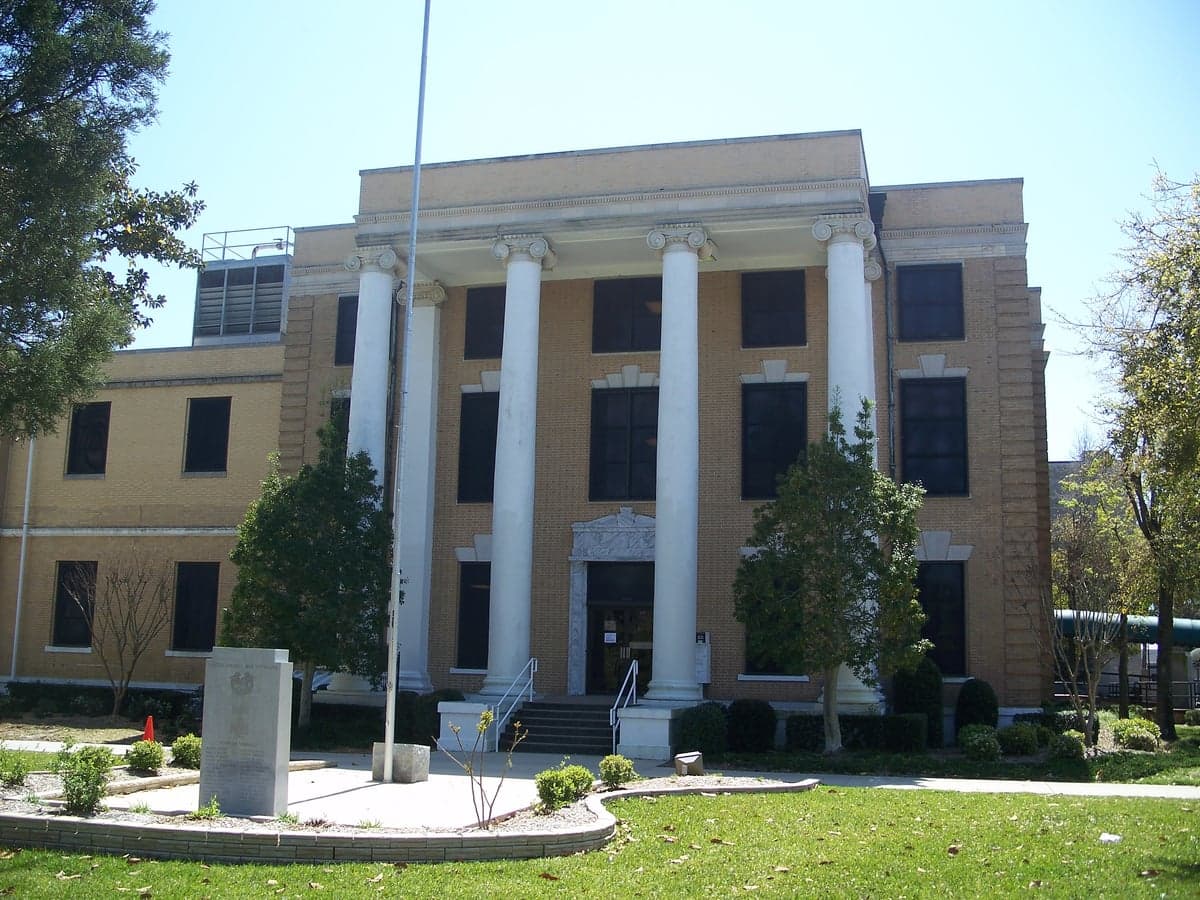
Photo: Wikipedia
Strategic Assessment of Bay County
Meaningful friction. Expect exposure to either population pressure, blast zones, or natural disaster risk. Consider buying a retreat property.
What does the Strategic Assessment tell us?
Our Strategic Assessment grades tactical survivability of an area. Major population centers, military targets, fallout zones, natural disasters, and border exposure all drive risk — lower exposure means a more defensible position in a crisis.
This is heavily inspired by Joel Skousen's Strategic Relocation book. Highly recommended you checkout the book ($)What does this tell us?
Our Strategic Assessment grades tactical survivability of an area. Major population centers, military targets, fallout zones, natural disasters, and border exposure all drive risk — lower exposure means a more defensible position in a crisis.
This is heavily inspired by Joel Skousen's Strategic Relocation book. Highly recommended you checkout the book ($)Strategic Pillars

Key Distances
Strategic Assessment Analysis
Bay County, Florida, offers a compelling mix of strategic depth and practical resilience for those looking to put distance between themselves and the chaos of major urban centers. Located on the Florida Panhandle, this area sits far enough from the dense population corridors of Orlando, Tampa, and Jacksonville to provide a genuine buffer, yet it retains critical infrastructure and access to the Gulf. For a conservative-minded relocator—whether a single individual or a family—the county’s combination of military presence, natural resources, and relative isolation makes it a serious candidate for a long-term base of operations, provided you understand its specific risks and exposures.
Geographic position and natural advantages for long-term stability
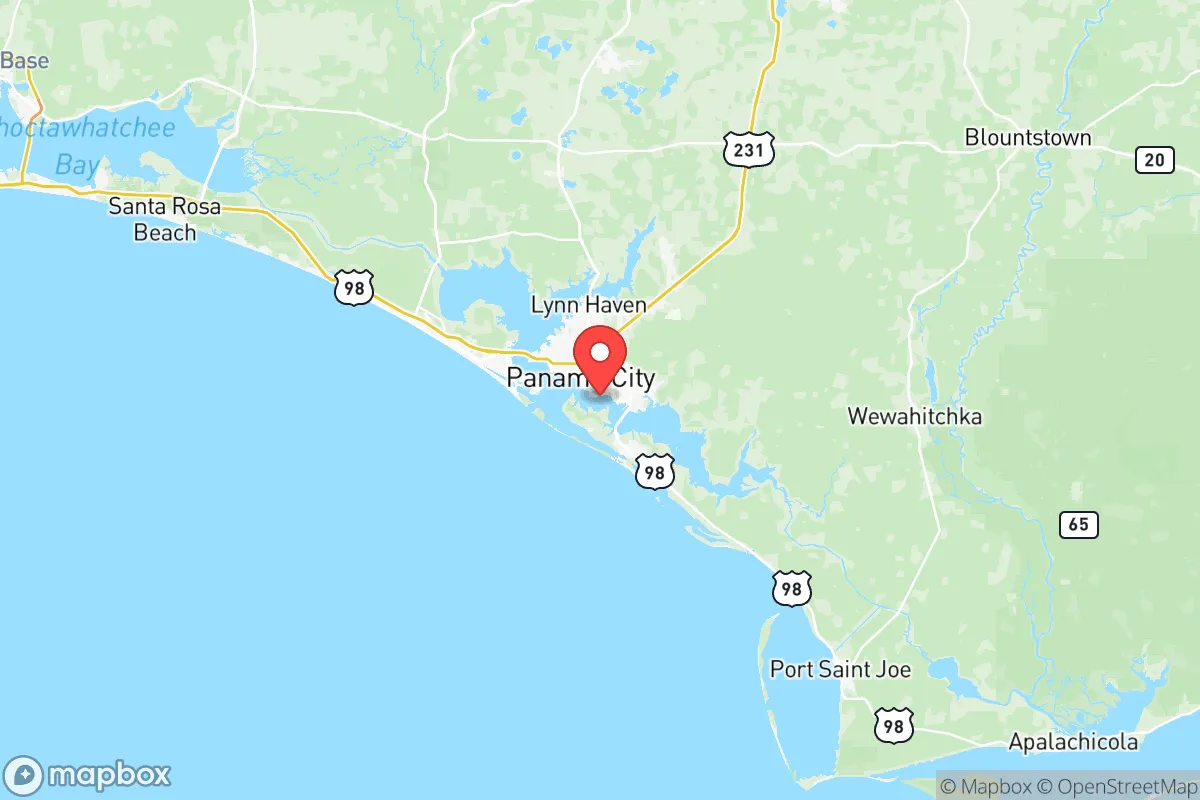
Bay County’s geography is its first line of defense. The county is anchored by Panama City and Panama City Beach, with the smaller towns of Lynn Haven, Callaway, and Springfield forming a dispersed population belt. This spread-out layout is a natural advantage: no single point of failure can cripple the entire area. The county is bordered by the Gulf of Mexico to the south and the vast, sparsely populated forests of the Panhandle to the north, meaning any threat approaching from the interior would have to cross significant empty space. The Intracoastal Waterway and St. Andrew Bay provide natural barriers and alternative transportation routes, which could be critical if roads become compromised. The climate is subtropical, with mild winters and a long growing season—ideal for those planning to supplement food supplies with gardening or small-scale agriculture. The local soil, while sandy, can be amended, and the region’s rainfall is reliable enough to support basic crops without heavy irrigation.
Risks, exposures, and proximity to fallout-relevant landmarks
No area is without downsides, and Bay County has several that a prepper must weigh carefully. The most obvious is hurricane risk: the Panhandle is a frequent landfall zone for major storms, and the 2018 Hurricane Michael devastation of Mexico Beach and parts of Panama City is a stark reminder that nature can level infrastructure in hours. Flood zones are well-documented, and any property purchase should be elevated and built to modern wind codes. Beyond weather, the county’s proximity to Tyndall Air Force Base is a double-edged sword. On one hand, the base provides a steady military population, good schools, and a potential source of skilled labor and security. On the other, it is a high-value target in any conflict scenario, and its location just east of Panama City means a strike or accident could render large portions of the county uninhabitable. Additionally, the Port of Panama City handles industrial shipping, including chemicals and fuels, which introduces a secondary risk of industrial accidents or targeted disruption. The nearest major refinery corridor is in Louisiana and Texas, but the port’s fuel storage facilities are a local concern. For those worried about fallout from nuclear events, Bay County is far from known strategic targets like the Savannah River Site or the nation’s capital, but the prevailing winds from the west could carry fallout from a Gulf Coast strike. The key takeaway: the area is not a fallout-free zone, but it is far less exposed than the I-4 corridor or the East Coast megalopolis.
Practical resilience for a relocator: food, water, energy, and defensibility
For daily life and crisis scenarios, Bay County offers a solid foundation. Water is abundant: the Floridan Aquifer lies beneath the entire county, and many rural properties have access to private wells. Municipal water in Panama City and Lynn Haven is treated and reliable, but a well with a hand pump or solar-powered backup is a wise investment. The county’s numerous rivers, bays, and the Gulf itself provide fishing and foraging opportunities that can supplement stored food indefinitely. Energy resilience is mixed. The grid is vulnerable to hurricanes, but solar adoption is growing, and the long, sunny days of spring and fall make photovoltaic systems effective. Natural gas is available in most towns, but rural areas rely on propane or wood. Defensibility is where Bay County shines: the fragmented geography means you can choose a property with clear sightlines, limited access points, and good neighbors. The local culture is heavily influenced by military and law enforcement retirees, which translates to a high rate of firearm ownership and a general willingness to look out for one another. The Bay County Sheriff’s Office and local police departments are well-funded and professional, but response times in rural areas can be 20 minutes or more—so personal preparedness is not optional. For families, the school system is average, with better options in the Panama City Beach and Lynn Haven areas, but homeschooling and co-ops are common among conservative families. Healthcare is adequate: Ascension Sacred Heart Bay in Panama City is the main hospital, but for serious trauma or specialist care, you’re looking at a drive to Pensacola or Tallahassee. Stockpiling medications and learning basic emergency medicine is a practical move.
The overall strategic picture for Bay County is one of calculated trade-offs. It offers genuine distance from the most likely flashpoints of civil unrest and major industrial disasters, while retaining enough infrastructure to support a modern lifestyle. The hurricane risk is real and must be mitigated through smart construction and planning, but the same storms that threaten the coast also keep population density low and property prices reasonable. For a conservative relocator who values self-reliance, community, and a buffer from the chaos of the megacities, Bay County is a strong contender—but only if you go in with eyes open, a solid plan for water and power, and a willingness to accept that no location is a fortress. The goal here is not to hide, but to be positioned to ride out the storm, whatever form it takes.

* Values derived from national, state, county, city and local statistics and may differ in a specific area. Last updated: 2026-06-05T15:20:39.000Z
Narrative content on this page is AI-generated and may contain mistakes. Verify any details that matter before acting on them.
ReloMaps may earn a commission from affiliate links at no extra cost to you.

