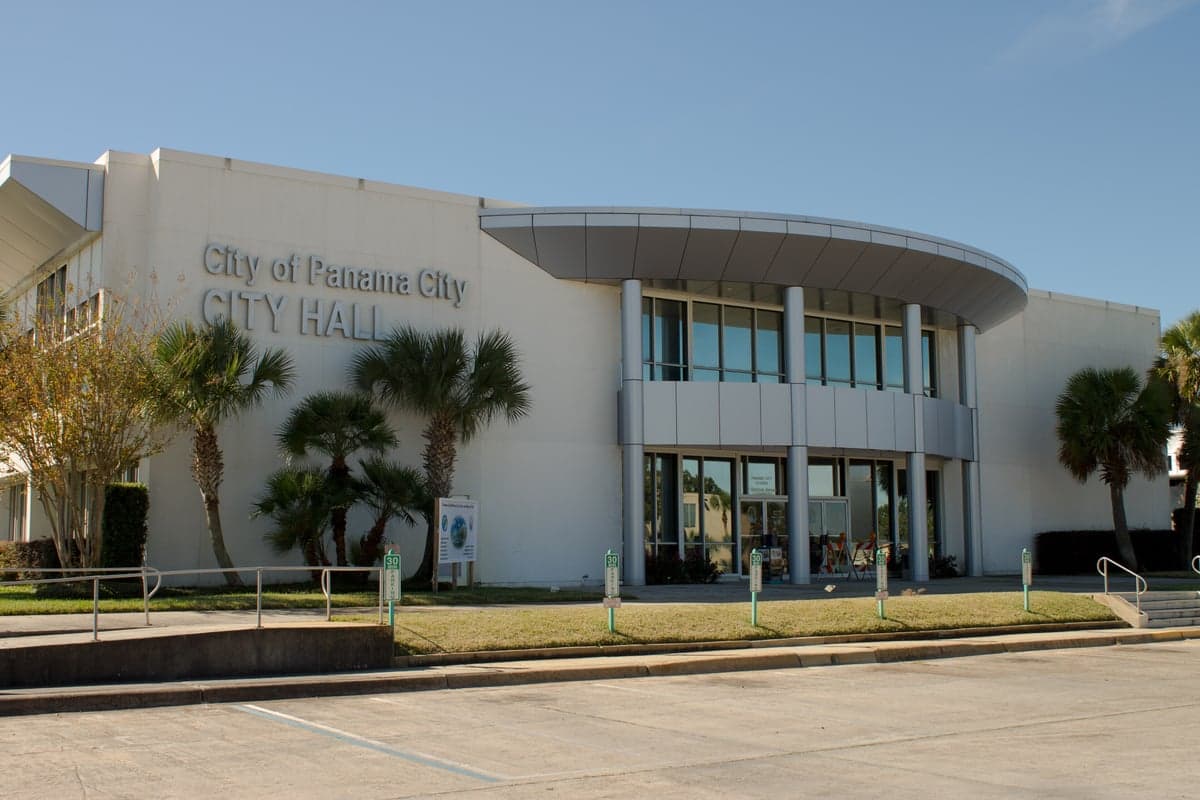
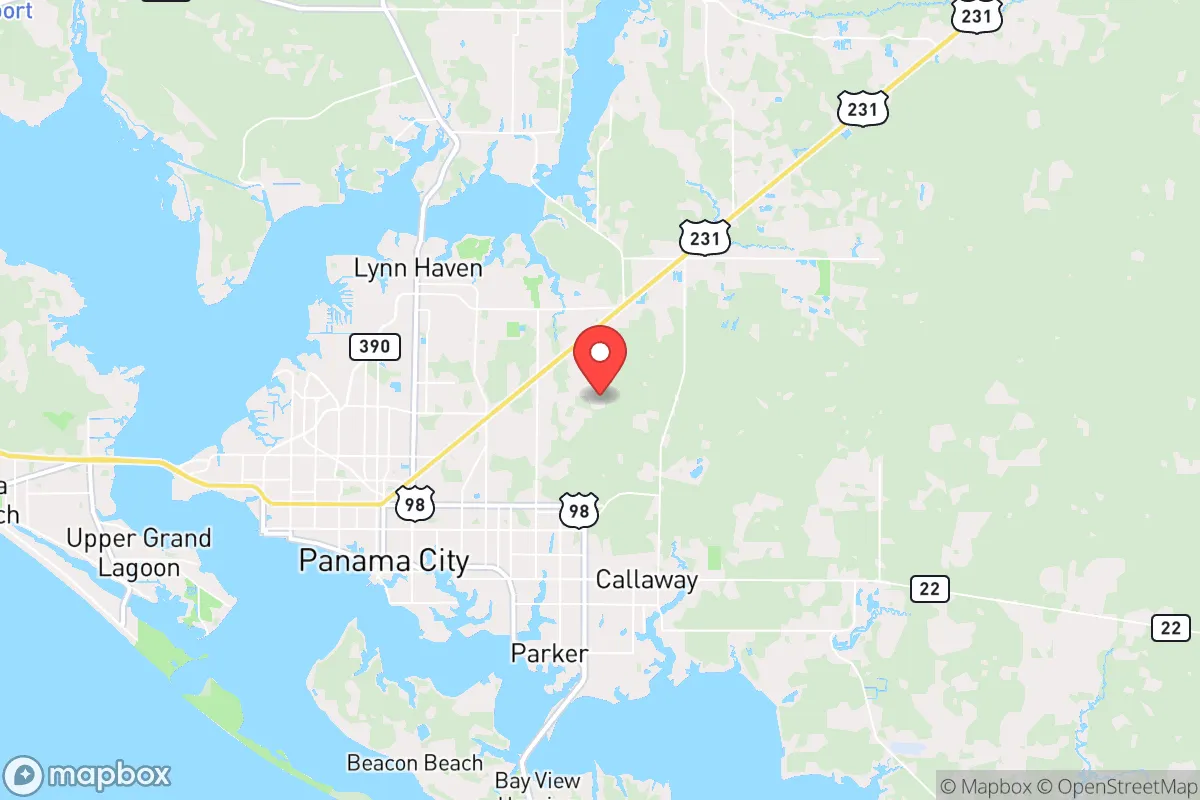
Photo: Wikipedia
Find The Best Places To Live
in Panama City
PRO TIP! You can paste a Zillow or Redfin link to get info on that property.
What It's Like Living in Panama City, FL
Panama City feels like a place that hasn’t quite decided whether it wants to be a sleepy fishing town or a growing Gulf Coast hub, and that tension is exactly what gives it character. You’ll find retirees in wraparound sunglasses sipping coffee next to young families loading kayaks onto trucks, all sharing the same stretch of white sand and the same easygoing pace. It’s not a polished resort city—it’s a working waterfront community where people actually live, work, and raise kids, and that authenticity is its biggest draw.
Daily Rhythm: What People Actually Do Here
Most mornings start with a stop at a local coffee shop like The Pour on Harrison Avenue, where you’ll overhear conversations about redfish runs and school board meetings. The commute is genuinely painless—the average drive time sits at just under 21 minutes, which means you can live in a quiet neighborhood off 23rd Street and still be at your desk or the boat ramp in under half an hour. Grocery shopping tends to happen at the Publix on 15th Street or the Winn-Dixie near the beach, but the real local ritual is hitting Buddy’s Seafood Market for fresh grouper or shrimp on a Friday afternoon. Weekends revolve around the water: families launch kayaks at Conservation Park, a 2,900-acre network of trails and wetlands, or head to St. Andrews State Park for a day of swimming and snorkeling at the jetties. The city’s median age of 38.6 reflects a mix of young professionals and empty-nesters, and the median household income of $61,125 supports a comfortable but not extravagant lifestyle—most people aren’t chasing luxury, just a good life with a view.
Sports, Festivals, and the Local Social Scene
High school football is the closest thing Panama City has to a civic religion. Friday nights at Tommy Oliver Stadium draw thousands for games featuring Rutherford, Bay, and Mosley high schools, and the atmosphere is loud, sweaty, and genuinely electric. There’s no major pro sports team within 100 miles, so the community pours its energy into local athletics and the annual Panama City Beach Spring Break events, which bring a wave of visitors but also fund local infrastructure. The Panama City Crawfish Festival in April is a genuine highlight—live music, boil pots, and families sprawled on blankets at McKenzie Park. For nightlife, locals gravitate toward Finn’s Island Style Grub for tacos and live reggae, or History Class Brewing Company downtown, where the vibe is more conversation than club. The Bay County Fair in October is a staple, with midway rides and 4-H livestock shows that remind you this is still a place with deep agricultural roots.
What It Costs and Who Fits In
The cost of living index sits at 103—just a hair above the national average—but the median home value of $243,200 means you can buy a three-bedroom house within a mile of the water for what a studio apartment costs in Atlanta or Nashville. That affordability attracts a specific type: people who value proximity to nature over nightlife, who don’t mind that the nearest Whole Foods is an hour away, and who are comfortable with a slower rhythm. Only about 25.5% of adults hold a bachelor’s degree or higher, which tracks with a workforce heavy on trades, tourism, and military-related jobs (Tyndall Air Force Base is a major employer just east of town). The kind of person who thrives here is someone who owns a cooler, doesn’t mind humidity, and would rather spend a Saturday fishing off the Grand Lagoon than browsing a mall. It’s not a place for career climbers in tech or finance—but for a single person or family who wants a low-stress life with genuine community ties, it works.
Honest Pros and Cons of Living in Panama City
- Pro: Unmatched outdoor access. You’re 10 minutes from the Gulf, 15 minutes from state parks, and 20 minutes from the Apalachicola National Forest. Fishing, boating, hiking, and beach days are woven into daily life, not weekend trips.
- Con: Hurricane season is real. Michael (2018) reshaped the city—some neighborhoods still show scars, and insurance rates are noticeably higher than inland areas. You learn to keep a generator and a plan.
- Pro: Low traffic and short commutes. The 20-minute average commute isn’t a statistic—it’s a genuine quality-of-life win. You can leave work, pick up kids, and be on the water before sunset.
- Con: Limited job diversity. Outside of healthcare, education, and the base, professional opportunities are thin. Many residents commute to Panama City Beach or work remotely.
- Pro: Strong sense of local identity. People know their neighbors, high school sports are a big deal, and there’s a pride in being from “PC” rather than the tourist-heavy beach strip.
- Con: Crime is a concern in pockets. The violent crime rate of 301.5 per 100,000 is above the national average, and while most of it is concentrated in specific areas, it’s something newcomers should research block by block.
Cultural Quirks and Seasonal Rhythms
One thing that surprises newcomers is how seasonal the city feels. Spring and fall bring perfect weather and a flood of snowbirds and spring breakers; summer is humid and slow, with afternoon thunderstorms that clear the air by dinner; winter is mild but quiet, with many beachfront restaurants closing for a month or two. Locals have a running joke about “the bridge”—the Hatchell Bridge over the Grand Lagoon—which can back up during tourist season but is otherwise a quick hop between town and the beach. There’s also a quiet rivalry with Panama City Beach: PC residents see themselves as the “real” city, with actual schools, hospitals, and grocery stores, while the beach is where you go to play. The schools themselves—particularly North Bay Haven Charter Academy and Bay High School—are community anchors, with parent involvement that rivals any small town. If you’re looking for a place where you can still wave at a neighbor from your porch and mean it, Panama City delivers—just bring a hurricane kit and a tolerance for humidity.

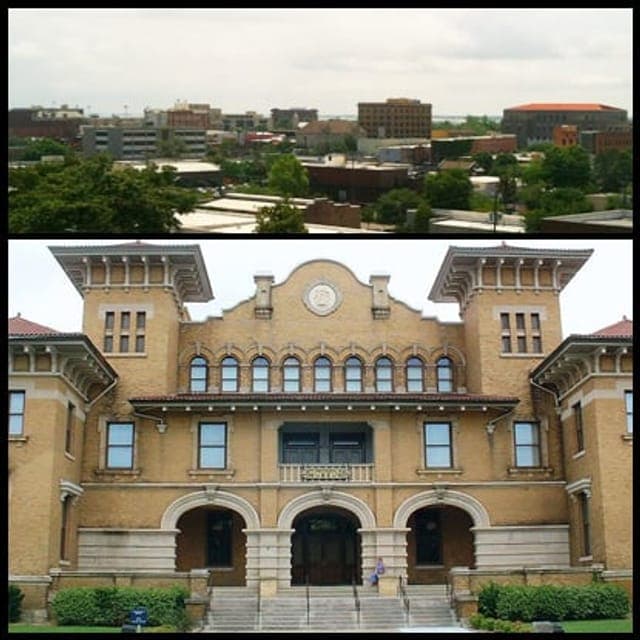
Similar towns to Panama City

* Values derived from national, state, county, city and local statistics and may differ in a specific area. Last updated: 2026-05-13T17:01:27.000Z
Narrative content on this page is AI-generated and may contain mistakes. Verify any details that matter before acting on them.
ReloMaps may earn a commission from affiliate links at no extra cost to you.

